Vegetable Technique: Turning Leftover Veggies into Frittatas
Frittatas are the unsung heroes of the brunch world, offering a versatile canvas for culinary creativity. This technique focuses on transforming those leftover vegetables lurking in your crisper drawer into a delicious, protein-packed frittata. Whether you've got a handful of spinach, some diced bell peppers, or a few slices of zucchini, this method will show you how to weave them into a cohesive and satisfying meal. The frittata's beauty lies in its simplicity; it's essentially a crustless quiche cooked on the stovetop and finished in the oven. By mastering this technique, you'll not only reduce food waste but also create a hearty dish that's perfect for any meal of the day. The key to a stellar frittata is understanding how to properly prepare and cook your vegetables so they meld seamlessly with the eggs. This involves blanching, sautéing, and seasoning to coax out their natural flavors. Additionally, the technique covers how to achieve that perfect balance between a creamy center and a golden, slightly crispy top. With these insights, you'll be equipped to whip up frittatas that are both visually appealing and bursting with flavor. From choosing the right vegetables to understanding the nuances of oven temperatures, this guide will provide you with the confidence to turn your fridge clean-out into a gourmet delight.
Notes
The science behind a perfect frittata lies in the gentle cooking process that allows the eggs to set evenly without becoming rubbery. Vegetables should be fully cooked before adding to the eggs to prevent any raw spots. Common mistakes include overcrowding the skillet, which can lead to uneven cooking, or adding too many wet vegetables that can make the frittata soggy. To avoid this, ensure vegetables are well-drained. Safety tip: Use oven mitts when handling the hot skillet. For make-ahead convenience, frittatas can be stored in the refrigerator for up to 3 days and reheated in a low oven to maintain texture.
Steps
- 1 Preheat oven to 375°F.
- 2 Gather and roughly chop your leftover vegetables into bite-sized pieces.
- 3 Heat 2 tablespoons of olive oil in an oven-safe skillet over medium heat.
- 4 Sauté the vegetables, starting with the firmest ones, until tender but still vibrant.
- 5 Season the vegetables with salt and pepper to taste.
- 6 Whisk together 6 large eggs in a bowl with 1/4 cup of milk or cream and a pinch of salt and pepper.
- 7 Pour the egg mixture over the sautéed vegetables in the skillet, ensuring even distribution.
- 8 Cook on the stovetop for 3-4 minutes until the edges begin to set.
- 9 Transfer the skillet to the preheated oven.
- 10 Bake for 12-15 minutes, or until the center is just set and the top is golden.
- 11 Remove from oven and let sit for 5 minutes before slicing.
- 12 Garnish with fresh herbs if desired before serving.
Ingredients to explore
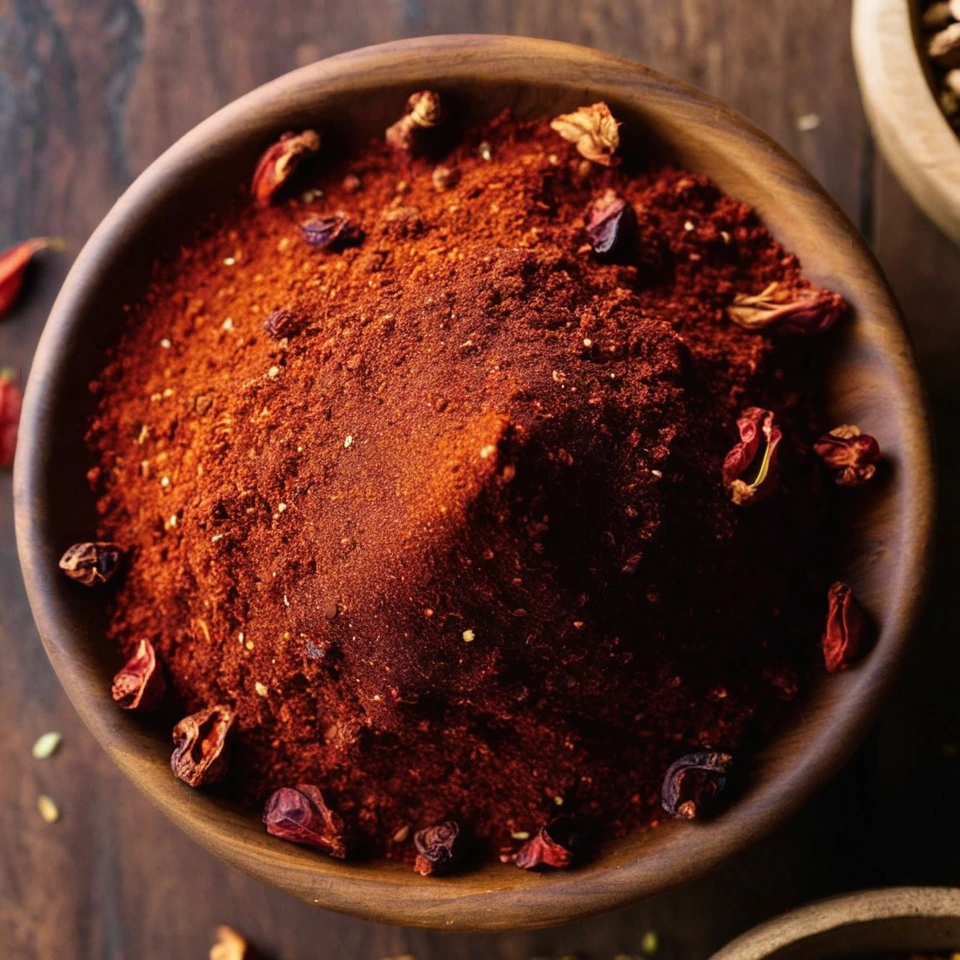
Aleppo Pepper
Aleppo pepper offers a harmonious balance of heat and sweetness, with a subtle fruity aroma reminiscent of sun-dried tomatoes and currants. Originating from the region around Aleppo, Syria, it has a fine, slightly coarse texture that shatters easily between fingers. Its mild yet complex flavor profile makes it a prized seasoning for enhancing dishes without overwhelming them. Valued for its versatility, it bridges the gap between spice and seasoning, bringing a touch of warmth and depth to a variety of cuisines.
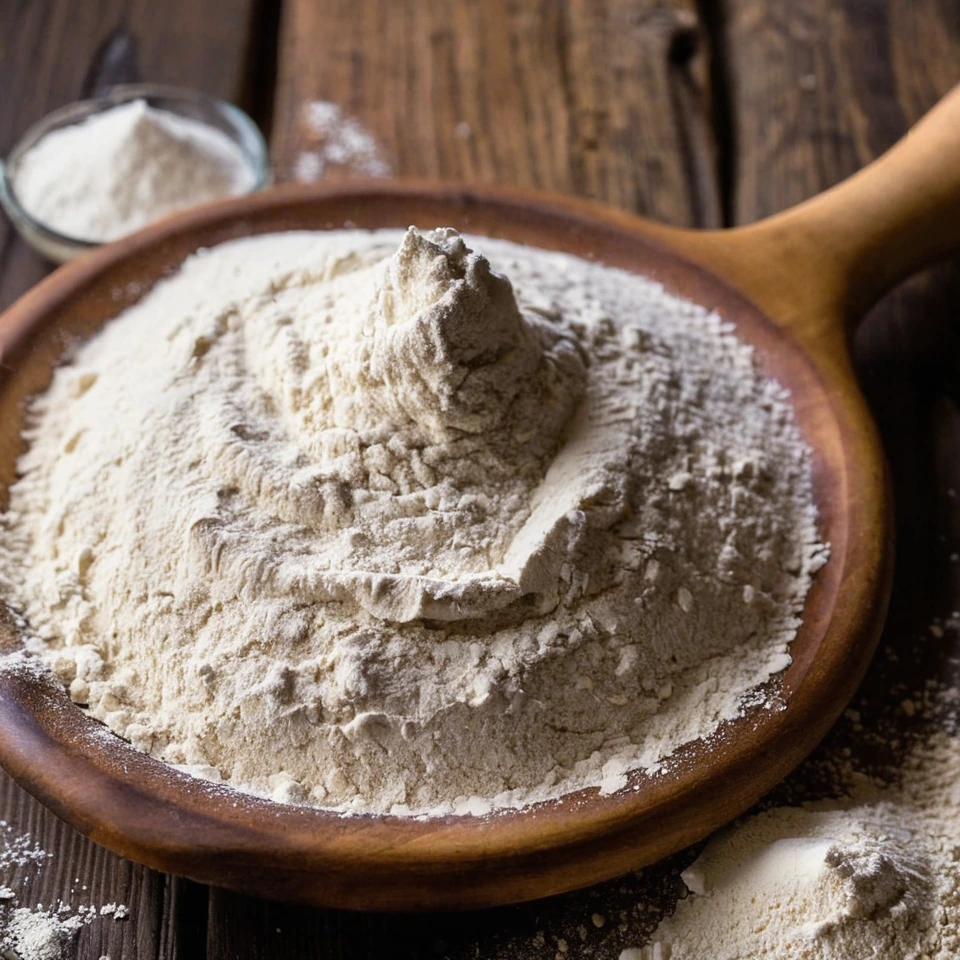
All-Purpose Flour
All-purpose flour is a versatile wheat flour that contains a moderate level of protein and gluten, making it suitable for a wide range of baking and cooking needs.
Recipes to try

Maple Sausage and Cheddar Breakfast Biscuits
Golden, flaky biscuits stuffed with savory maple sausage and melted sharp cheddar—it's a hearty breakfast hug in every bite.
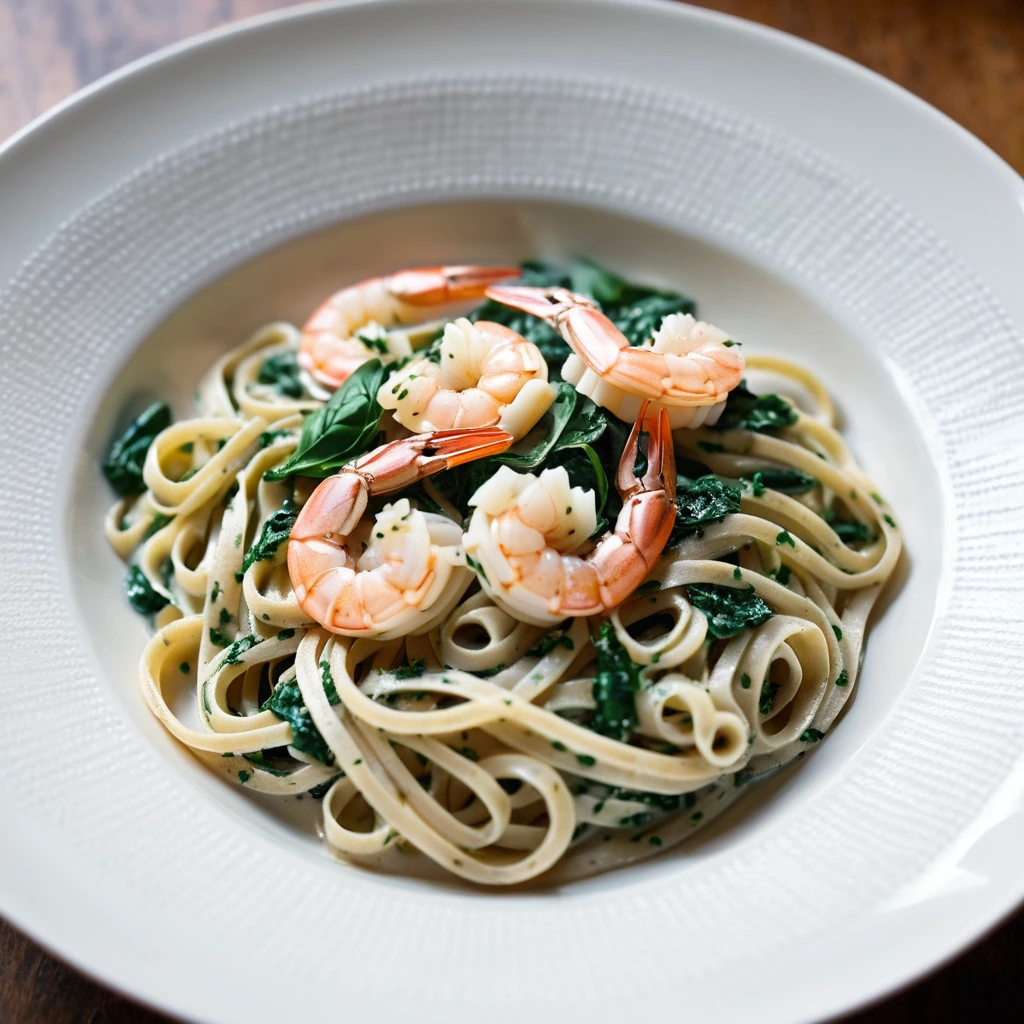
Shrimp and Spinach Linguine in White Wine Sauce
Succulent shrimp and fresh spinach mingle in a creamy white wine sauce, twirled into perfectly al dente linguine.