Vegetable Technique: Seasoning Veg with Flavored Oils Instead of Butter
Discover the art of seasoning vegetables with flavored oils, a technique that offers a healthier alternative to butter while enhancing natural flavors. This method allows home cooks to infuse vegetables with aromatic herbs, spices, and citrus, creating dishes that are both vibrant and nutritious. By understanding the nuances of oil selection and flavor pairing, you can elevate your vegetable dishes to new heights. Unlike butter, flavored oils are versatile and can be customized to suit any cuisine or palate. This technique is perfect for roasting, grilling, or sautéing vegetables, ensuring they remain tender and full of flavor. Dive into the world of flavored oils and transform your veggie game with ease and creativity.
Notes
Using flavored oils instead of butter can significantly cut down on saturated fat while still delivering rich flavors. The key to success lies in selecting high-quality ingredients and infusing oils correctly to avoid bitterness. When heating oils, always keep the temperature low to prevent burning and off-flavors. A common mistake is overcrowding the pan or baking sheet, which can lead to steaming rather than roasting. Always ensure vegetables are dry before tossing with oil to achieve a crispy exterior. Store leftover flavored oil in an airtight container in the refrigerator for up to a week. Reheat gently before use to preserve its integrity.
Steps
- 1 Select a high-quality oil with a neutral flavor, such as grapeseed or avocado oil.
- 2 Decide on your flavor profile; consider herbs like rosemary or thyme, spices like chili flakes, or citrus zest.
- 3 Gently heat the oil in a small saucepan over low heat to avoid smoking.
- 4 Add your chosen aromatics to the warm oil and let them infuse for about 5-10 minutes.
- 5 Remove from heat and allow the oil to cool to room temperature before use.
- 6 Prepare your vegetables by washing, drying, and cutting them into uniform pieces.
- 7 Toss the vegetables with the flavored oil in a large bowl, ensuring even coating.
- 8 Season generously with salt and pepper to taste.
- 9 Spread the vegetables in a single layer on a baking sheet for roasting, or prepare your grill or pan for cooking.
- 10 Roast in a preheated oven at 400°F for 20-30 minutes, or cook on the grill or stovetop until tender and slightly caramelized.
- 11 Check vegetables halfway through cooking and toss or turn them to ensure even browning.
- 12 Remove from heat and let rest for 5 minutes before serving to allow flavors to meld.
- 13 Garnish with fresh herbs or a squeeze of lemon juice for a final touch of brightness.
Ingredients to explore

Almond Milk
Almond milk is a plant-based milk alternative made from ground almonds and water. Originating from traditional recipes in medieval Europe and the Middle East, it has gained widespread popularity in modern times as a dairy-free option. Almond milk has a subtly nutty flavor with a mild sweetness, and its aroma is reminiscent of fresh almonds. Its texture is smooth and creamy, though typically lighter than dairy milk. In cooking, almond milk behaves well in both savory and sweet applications, though it does not brown or caramelize like dairy milk. It is often used in cereals, smoothies, and baking, where its delicate flavor complements rather than overpowers other ingredients.
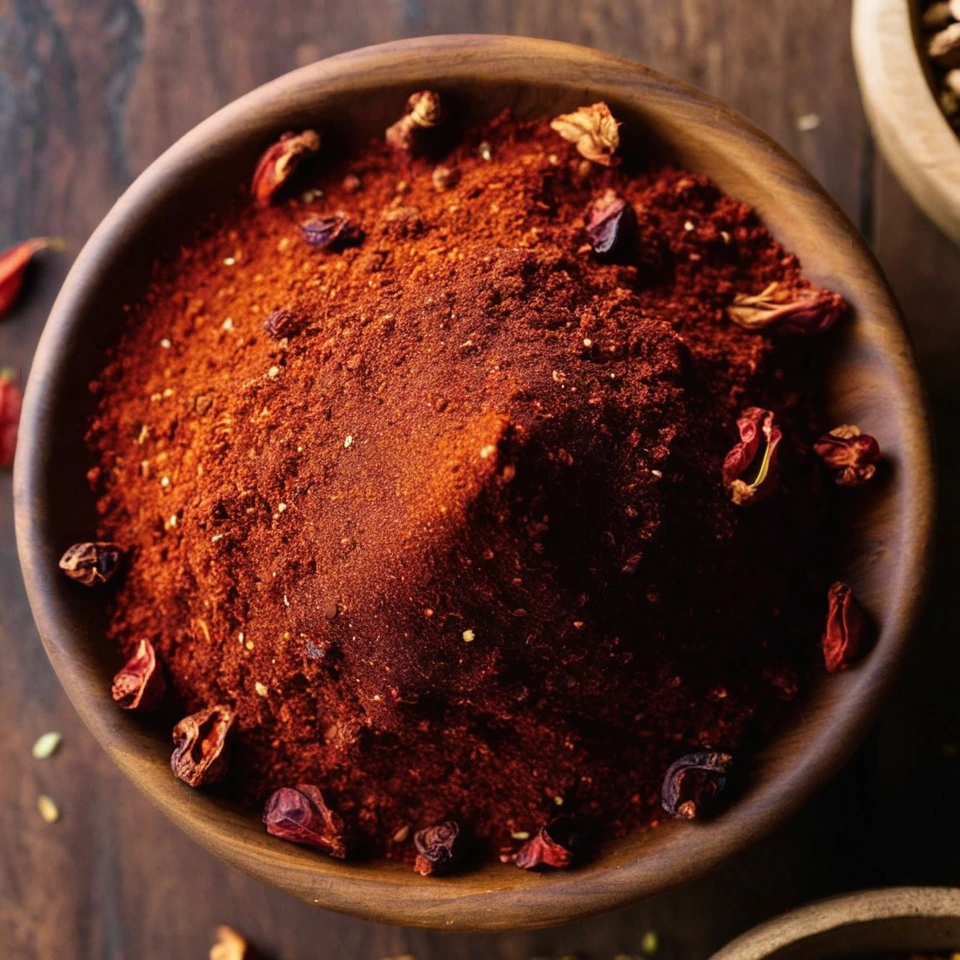
Aleppo Pepper
Aleppo pepper offers a harmonious balance of heat and sweetness, with a subtle fruity aroma reminiscent of sun-dried tomatoes and currants. Originating from the region around Aleppo, Syria, it has a fine, slightly coarse texture that shatters easily between fingers. Its mild yet complex flavor profile makes it a prized seasoning for enhancing dishes without overwhelming them. Valued for its versatility, it bridges the gap between spice and seasoning, bringing a touch of warmth and depth to a variety of cuisines.
Recipes to try
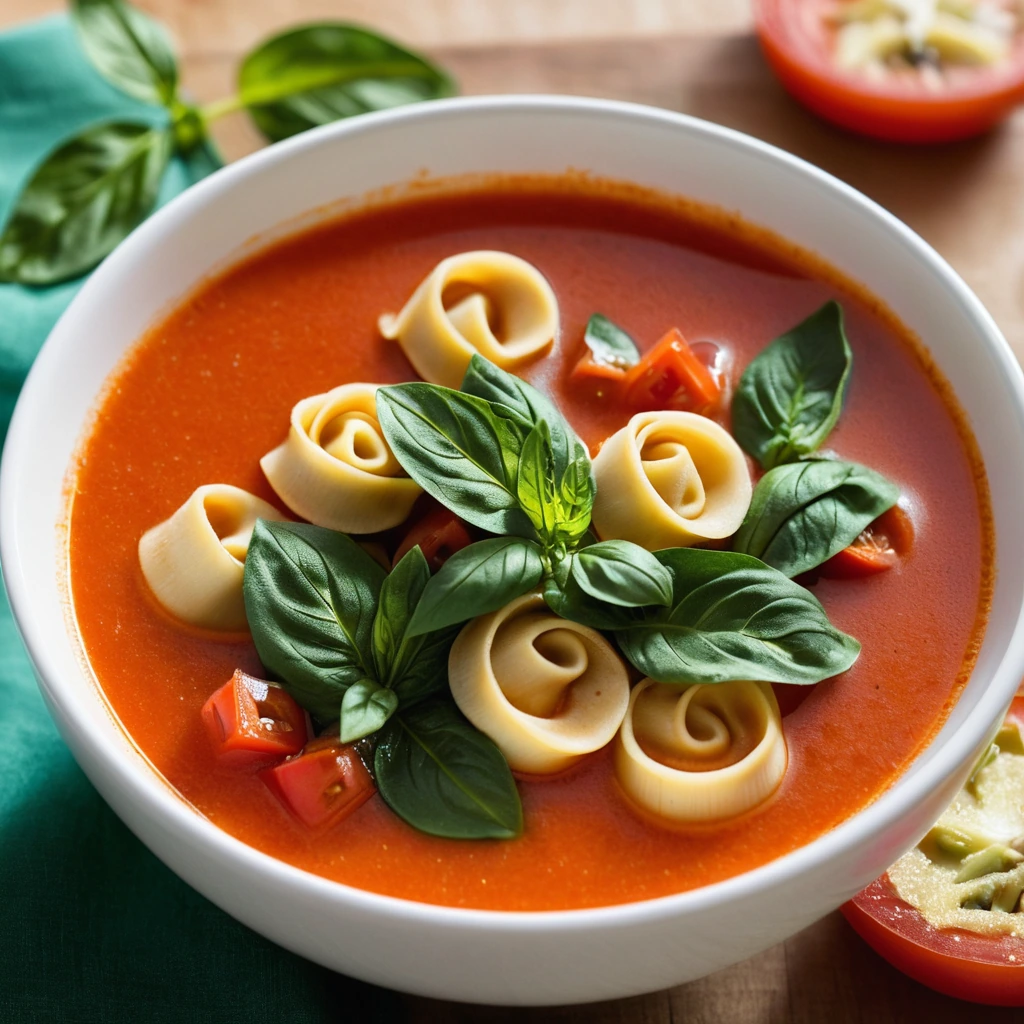
Tomato Tortellini Soup with Spinach
Warm up with this hearty, vibrant soup that's brimming with juicy tomatoes, tender tortellini, and a lush swirl of spinach.
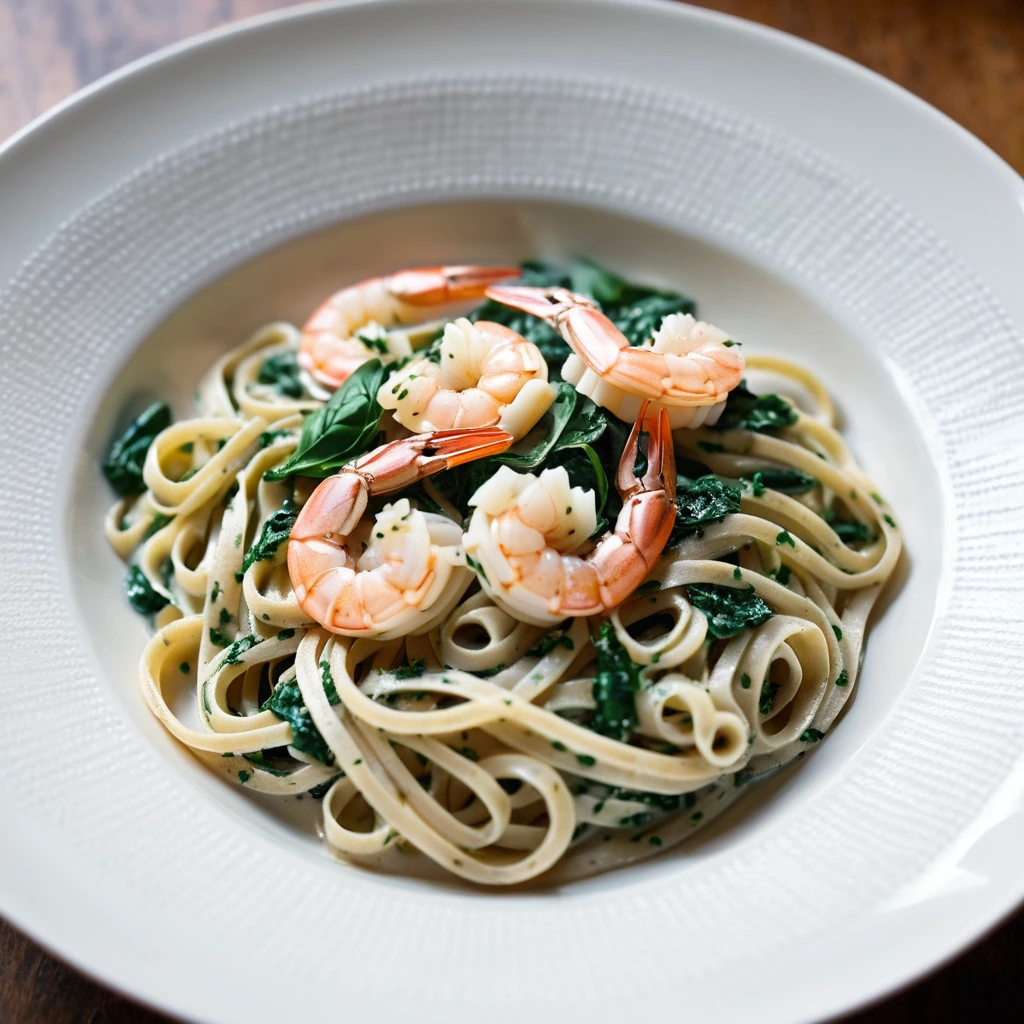
Shrimp and Spinach Linguine in White Wine Sauce
Succulent shrimp and fresh spinach mingle in a creamy white wine sauce, twirled into perfectly al dente linguine.