Vegetable Technique: Matching Cut Size to Cooking Method
Understanding how to match the size of your vegetable cuts to your chosen cooking method is a fundamental skill in any kitchen. It ensures even cooking, enhances flavor, and creates visually appealing dishes. This technique is particularly important because vegetables vary widely in density, moisture content, and structure. By standardizing the size of your cuts, you ensure that each piece cooks at the same rate, preventing some pieces from being overcooked while others remain undercooked. For instance, larger cuts are ideal for roasting as they caramelize beautifully, while smaller, uniform cuts are perfect for stir-frying, where quick cooking is essential. Mastering this technique will elevate your cooking, giving you the confidence to tackle any recipe with precision and flair. Whether you're blanching green beans, sautéing zucchini, or grilling eggplant slices, the right cut size can make all the difference. Additionally, matching cut size to cooking method also impacts the texture and mouthfeel of your vegetables, ensuring a consistent and enjoyable eating experience. This guide will walk you through the nuances of selecting the perfect cut for your chosen method, offering tips to achieve professional results every time.
Notes
Matching cut size to cooking method works due to the principles of heat transfer and surface area. Smaller cuts have more surface area exposed to heat, leading to faster cooking. Larger cuts retain moisture better and develop deeper flavors through caramelization. A common mistake is cutting vegetables too unevenly, leading to inconsistent cooking. Always use a sharp knife to avoid crushing vegetables, which can lead to a loss of texture. For safety, ensure your cutting surface is stable and your fingers are tucked away from the blade. Prepared vegetables can be stored in the refrigerator for up to 24 hours if kept dry and covered. This technique not only enhances your culinary skills but also helps you appreciate the science behind cooking vegetables to perfection.
Steps
- 1 Select fresh vegetables suitable for your recipe.
- 2 Wash vegetables thoroughly under cool running water.
- 3 Trim off any damaged or discolored parts.
- 4 Decide on the appropriate cut size based on your cooking method.
- 5 For roasting, cut vegetables into 1- to 2-inch chunks to allow for even browning.
- 6 For stir-frying, slice vegetables into thin, uniform strips or bite-sized pieces.
- 7 For grilling, cut vegetables into planks or wedges, approximately 1/2-inch thick.
- 8 For blanching, aim for consistent sizes to ensure uniform cooking times.
- 9 For sautéing, dice vegetables into small, even cubes or slices.
- 10 Use a sharp knife to ensure clean cuts and avoid crushing the vegetables.
- 11 Place cut vegetables in a bowl of ice water to maintain crispness if preparing ahead.
- 12 Pat vegetables dry with a clean towel before cooking to achieve better browning.
- 13 Adjust cooking times based on the size and density of your cuts.
- 14 Taste and adjust seasoning after cooking to account for any moisture loss.
Ingredients to explore
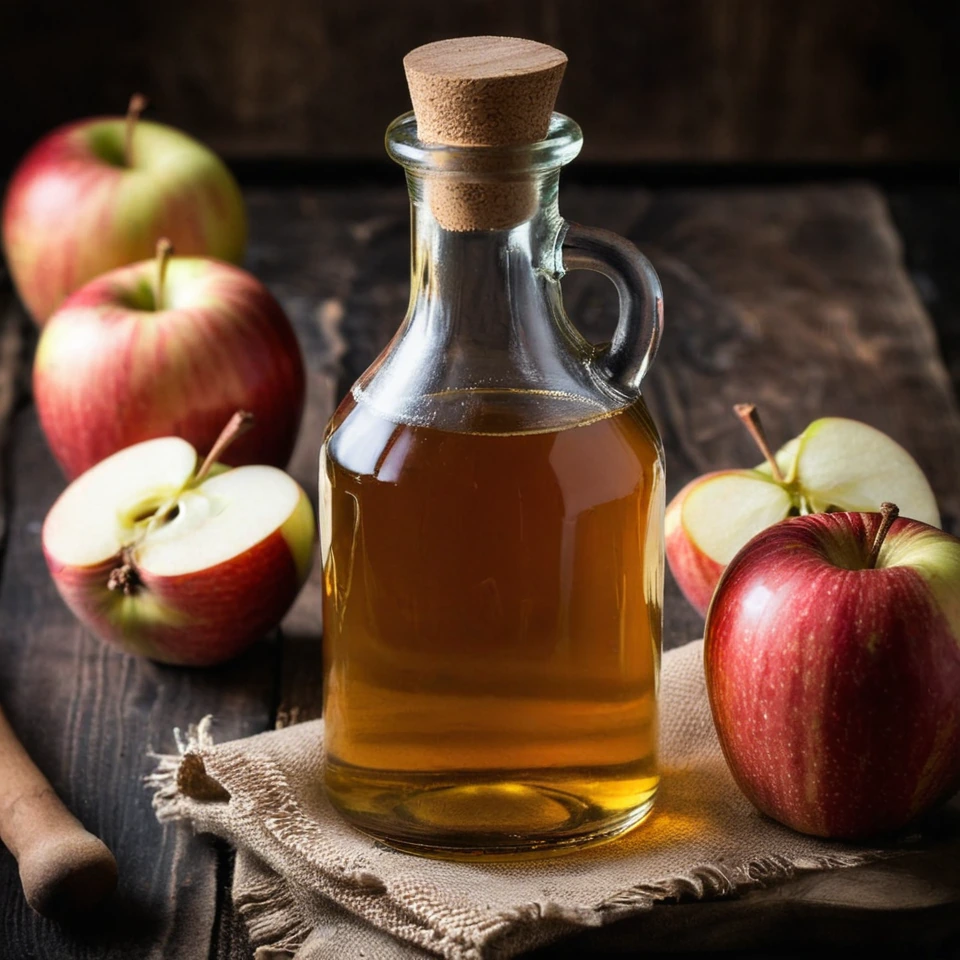
Apple Cider Vinegar
Apple cider vinegar is a type of vinegar made through the fermentation of apple cider, resulting in a tangy, slightly sweet liquid with a pale to medium amber color.
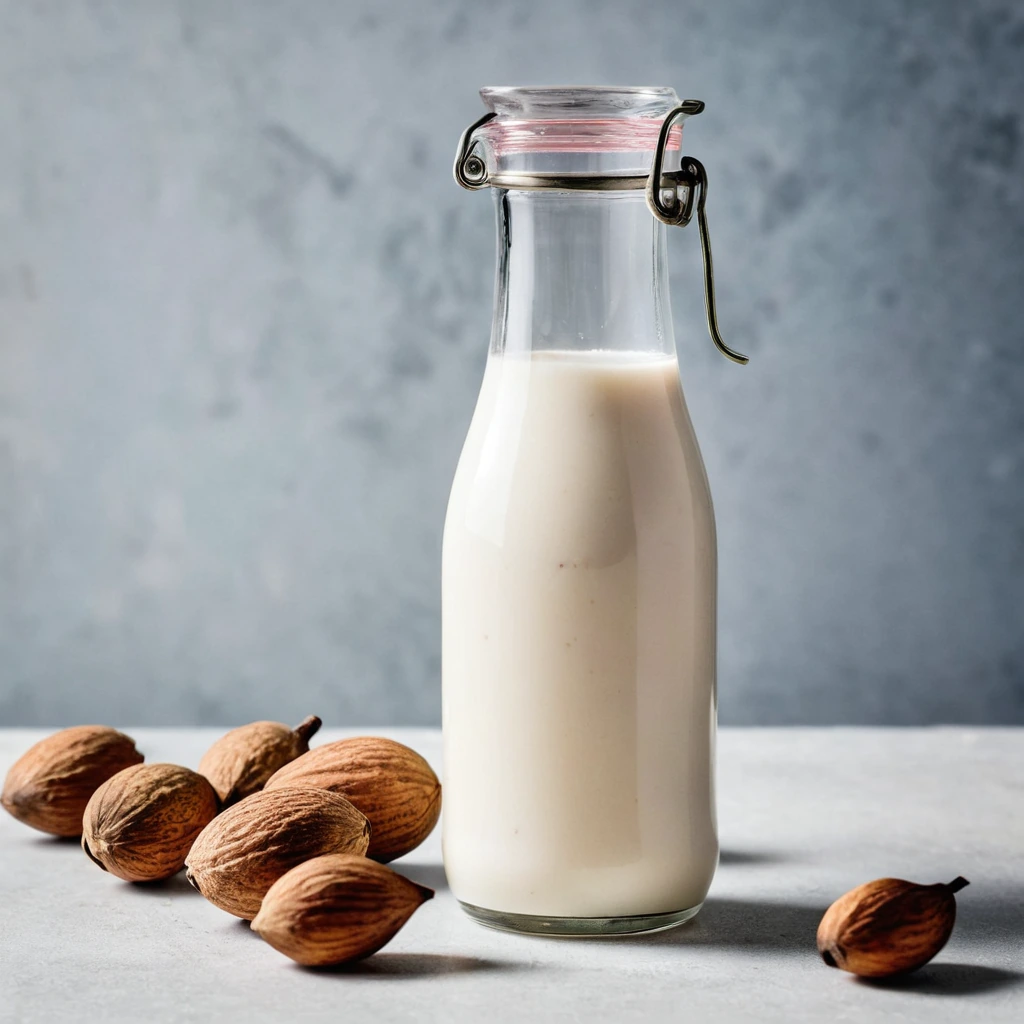
Almond Milk
Almond milk is a plant-based milk alternative made from ground almonds and water. Originating from traditional recipes in medieval Europe and the Middle East, it has gained widespread popularity in modern times as a dairy-free option. Almond milk has a subtly nutty flavor with a mild sweetness, and its aroma is reminiscent of fresh almonds. Its texture is smooth and creamy, though typically lighter than dairy milk. In cooking, almond milk behaves well in both savory and sweet applications, though it does not brown or caramelize like dairy milk. It is often used in cereals, smoothies, and baking, where its delicate flavor complements rather than overpowers other ingredients.
Recipes to try
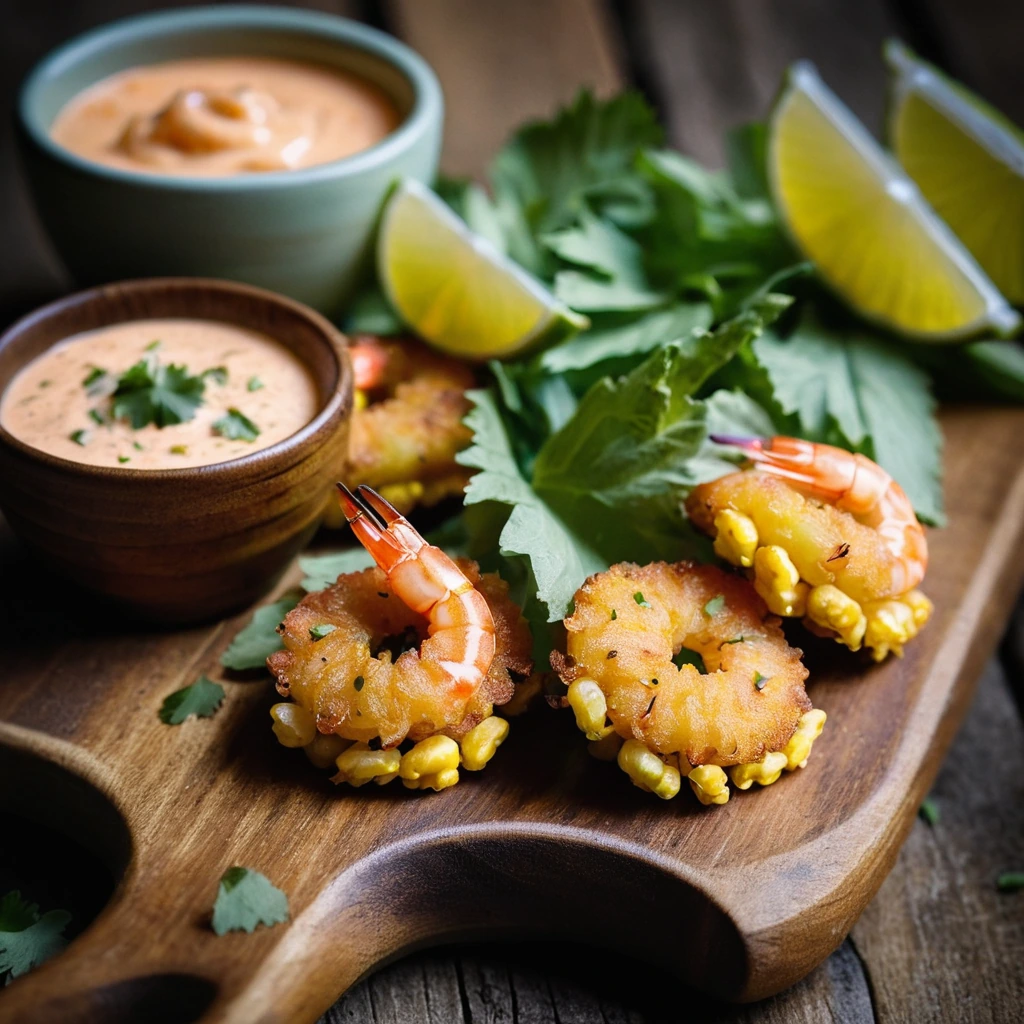
Shrimp and Corn Fritters with Chili Aioli
Crispy on the outside, tender on the inside, these golden fritters pack a punch with juicy shrimp and sweet corn, all topped with a zesty chili aioli.
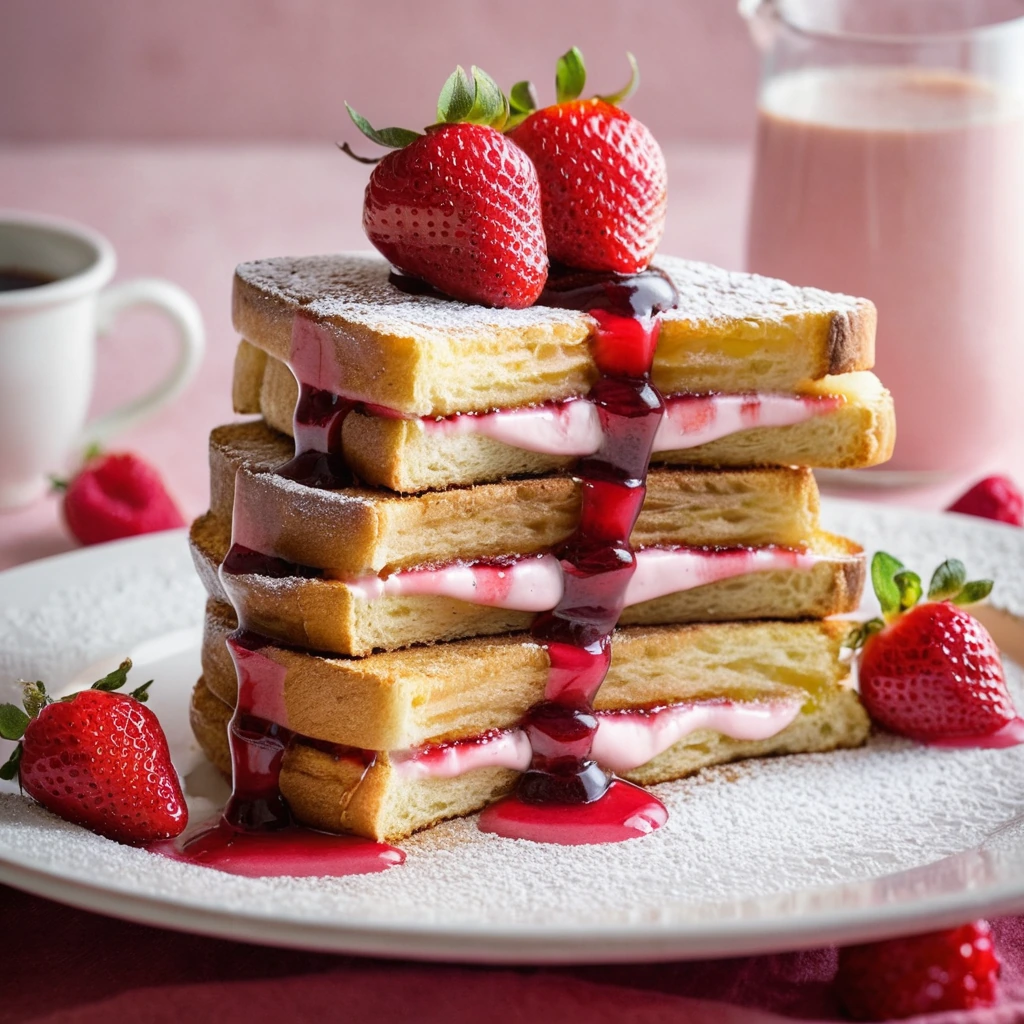
Strawberry Cream Cheese Stuffed French Toast
Imagine warm, golden French toast stuffed with a tangy cream cheese and sweet strawberry surprise – breakfast just got a gourmet upgrade.