Vegetable Technique: Infusing Oil with Garlic and Herbs for Roasts
Creating a flavorful base for your roasts starts with infusing oil with garlic and herbs. This technique enhances the natural flavors of your vegetables and meats, creating a symphony of aromas that elevate your dishes. The process is simple yet requires attention to detail to achieve the perfect balance of flavors. Infused oils are versatile and can be used for roasting, grilling, or even as a finishing drizzle. The key is to gently coax out the essence of garlic and herbs without overpowering them. Heat plays a crucial role here, as too much can lead to bitterness, while too little won’t release the full potential of the aromatics. Fresh ingredients are a must, as dried herbs and old garlic can produce lackluster results. Understanding the nuances of heat, timing, and ingredient quality will transform your roasts from ordinary to extraordinary. Patience is your ally here; rushing the process can lead to a burnt or overly pungent oil. By mastering this technique, you will unlock a world of flavor possibilities, making each bite of your roast a delightful experience.
Notes
This technique works because gentle heat allows the aromatic compounds in garlic and herbs to dissolve into the oil without degrading. One common mistake is overheating the oil, which can lead to a bitter taste and potentially harmful compounds. Always use a thermometer to monitor the temperature. To store infused oil safely, ensure all equipment is clean to prevent bacterial growth. For make-ahead convenience, prepare the oil up to a week in advance and store it in a sealed container in the refrigerator to prolong its shelf life. Remember, infused oils are best used fresh to enjoy their full flavor profile.
Steps
- 1 Gather 2 cups of a neutral oil, like vegetable or canola.
- 2 Peel and thinly slice 4 garlic cloves.
- 3 Bruise 2 sprigs of fresh rosemary and 2 sprigs of fresh thyme.
- 4 In a small saucepan, heat the oil over low heat to 180°F.
- 5 Add the garlic slices to the warm oil.
- 6 Immediately add the bruised rosemary and thyme to the oil.
- 7 Simmer gently for 10 minutes, ensuring the oil does not exceed 200°F.
- 8 Remove the saucepan from heat and let the herbs steep for another 15 minutes.
- 9 Strain the oil through a fine-mesh sieve into a heatproof container.
- 10 Discard the garlic and herbs.
- 11 Let the oil cool to room temperature before using.
- 12 Use the infused oil to coat your vegetables or meats before roasting.
- 13 Store the oil in a cool, dark place for up to one week.
Ingredients to explore
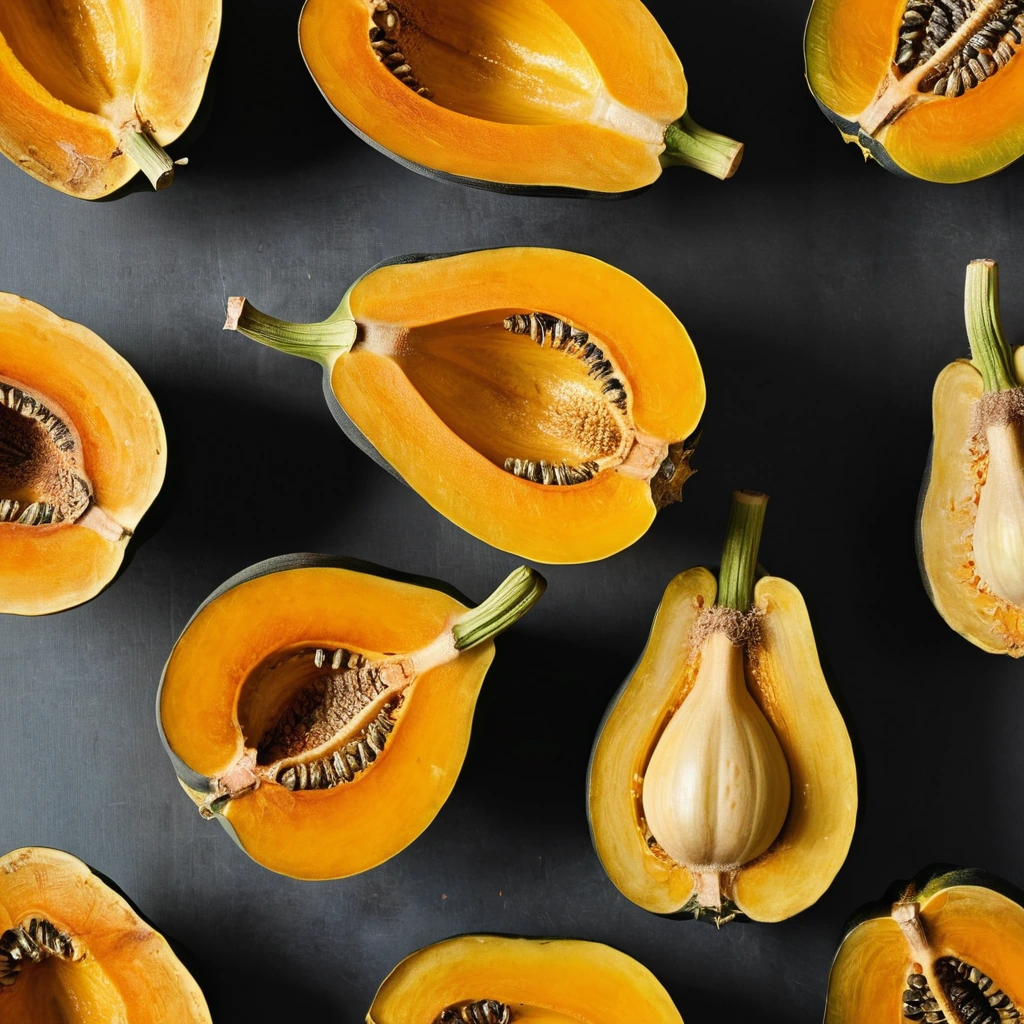
Acorn Squash
Acorn squash is a winter squash variety known for its distinctive teardrop shape and deep ridges resembling the texture of an acorn shell. Originating in the Americas, it has been cultivated for centuries and is a staple in autumn cuisine. The flesh is sweet and nutty with a hint of earthiness, offering a delightful contrast to savory dishes. Its texture is dense yet tender when cooked, making it ideal for roasting or pureeing. In cooking, acorn squash holds its shape well and absorbs flavors from herbs and spices, enhancing both its taste and versatility in recipes.
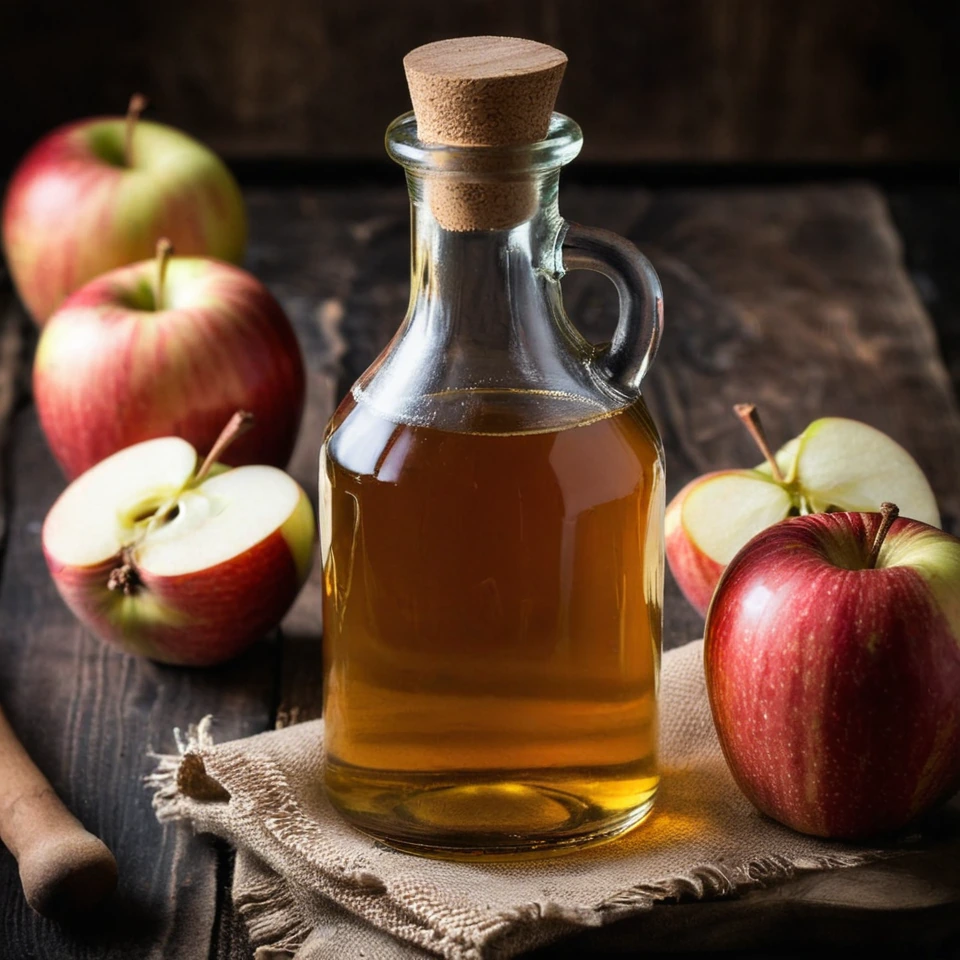
Apple Cider Vinegar
Apple cider vinegar is a type of vinegar made through the fermentation of apple cider, resulting in a tangy, slightly sweet liquid with a pale to medium amber color.