Vegetable Technique: Blending Cooked Veg into Silky Purees
Creating silky vegetable purees is an art that transforms humble cooked vegetables into luxurious textures perfect for soups, sauces, and spreads. The key to achieving this velvety consistency lies in understanding the properties of vegetables and how they behave under pressure and heat. Soft vegetables like roasted butternut squash or steamed cauliflower are ideal candidates for pureeing due to their naturally high moisture content and tender flesh. The process of pureeing involves breaking down cell walls to release moisture and starch, creating a smooth and creamy texture. Achieving the perfect puree requires attention to detail, from cooking vegetables to the right tenderness, selecting the appropriate blending tool, to managing temperature and consistency. Understanding the science behind pureeing not only ensures a smooth result but also helps preserve the vibrant color and nutrients of the vegetables. This technique is invaluable for home cooks looking to elevate their dishes with professional-level finesse. Whether you're preparing a comforting bowl of soup or a vibrant appetizer, mastering this technique will bring a touch of elegance to your cooking.
Notes
The science behind silky purees lies in the breakdown of plant cell walls, releasing natural pectins and starches that contribute to the smooth texture. Overblending can introduce air, resulting in a frothy texture rather than a silky one, so blend just until smooth. To prevent common mistakes, ensure vegetables are uniformly cooked before pureeing, as undercooked pieces can create an uneven texture. For safety, always remove the center cap of the blender lid to allow steam to escape, preventing potential explosions. Silky purees can be made ahead and stored in an airtight container in the refrigerator for up to 3 days or frozen for up to 3 months. Reheat gently to preserve texture.
Steps
- 1 Cook vegetables until they are fork-tender, ensuring they are neither undercooked nor mushy.
- 2 Allow vegetables to cool slightly to prevent splattering during blending.
- 3 Transfer cooked vegetables to a blender or food processor, filling no more than halfway to allow room for blending.
- 4 Add a small amount of cooking liquid, such as broth or water, to aid in achieving a smooth consistency.
- 5 Blend on low speed initially, gradually increasing to high until the mixture is completely smooth.
- 6 For an extra-smooth texture, strain the puree through a fine-mesh sieve to remove any fibrous bits.
- 7 Season the puree with salt and pepper to taste, adjusting the seasoning as needed.
- 8 Check the consistency and add more liquid if a thinner puree is desired, or return to a pot to simmer if a thicker consistency is needed.
- 9 Serve immediately for the best flavor and texture, or cool before storing.
Ingredients to explore
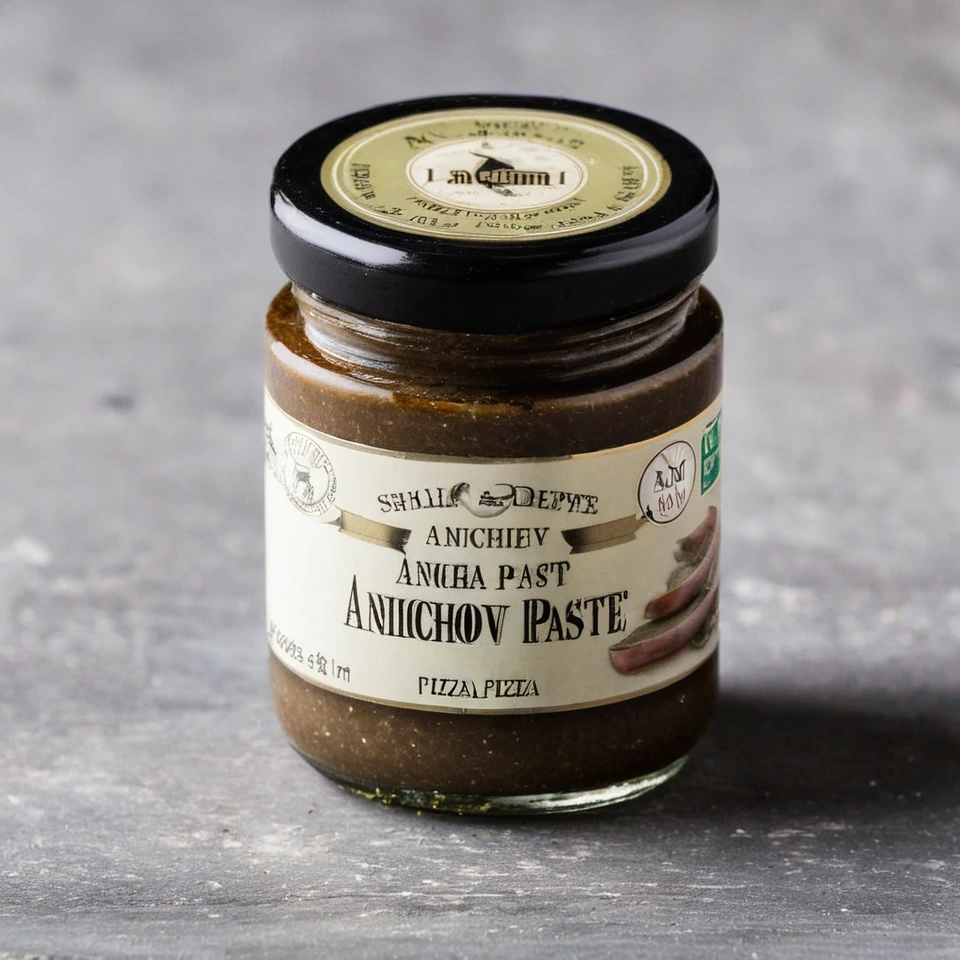
Anchovy Paste
Anchovy paste is a rich, salty spread made from finely ground anchovies, salt, and sometimes olive oil. It offers a deep umami flavor that enhances a variety of dishes.
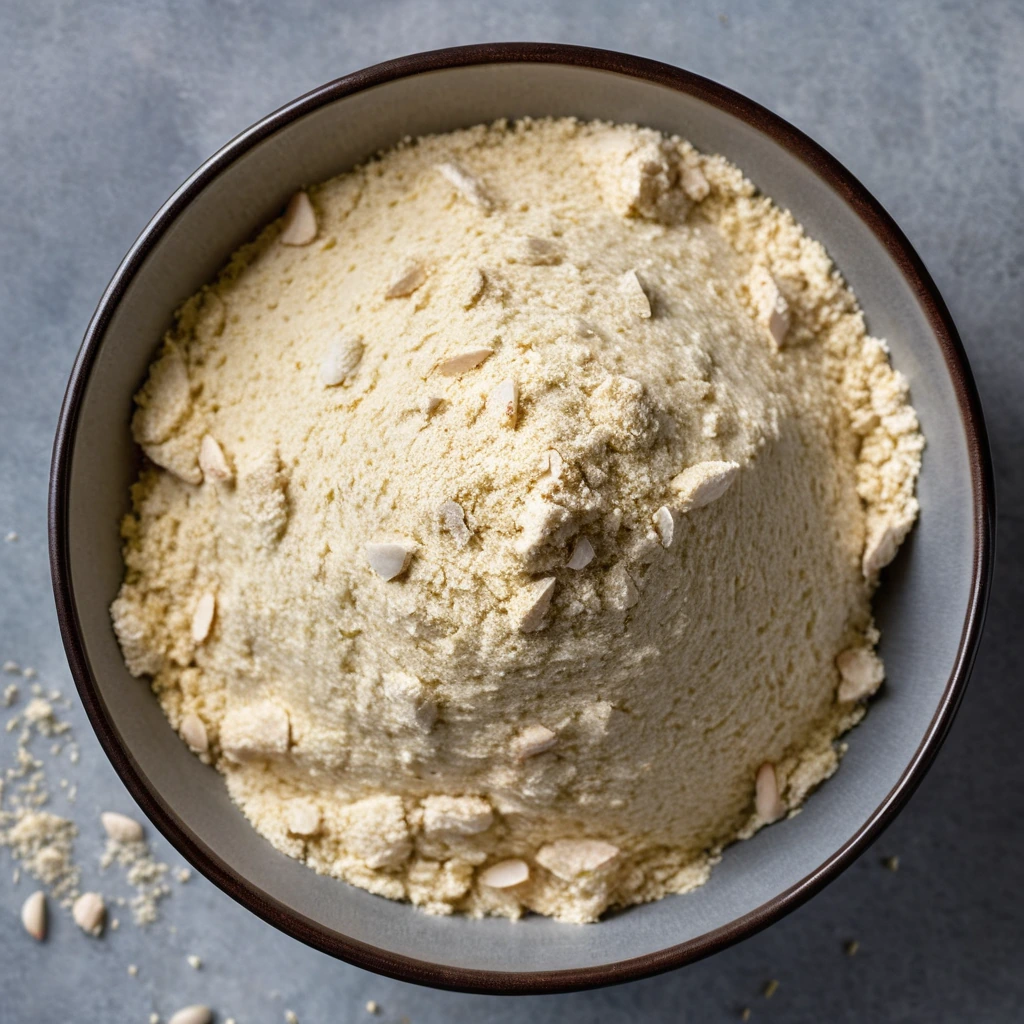
Almond Flour
A finely ground flour made from blanched almonds, offering a delicate nutty aroma and a tender crumb to your baked goods.
Recipes to try

Sheet Pan Chicken Tikka with Garlic Potatoes
Juicy chicken and golden potatoes roasted to perfection on one sheet pan, infused with smoky tikka spices and garlicky goodness.
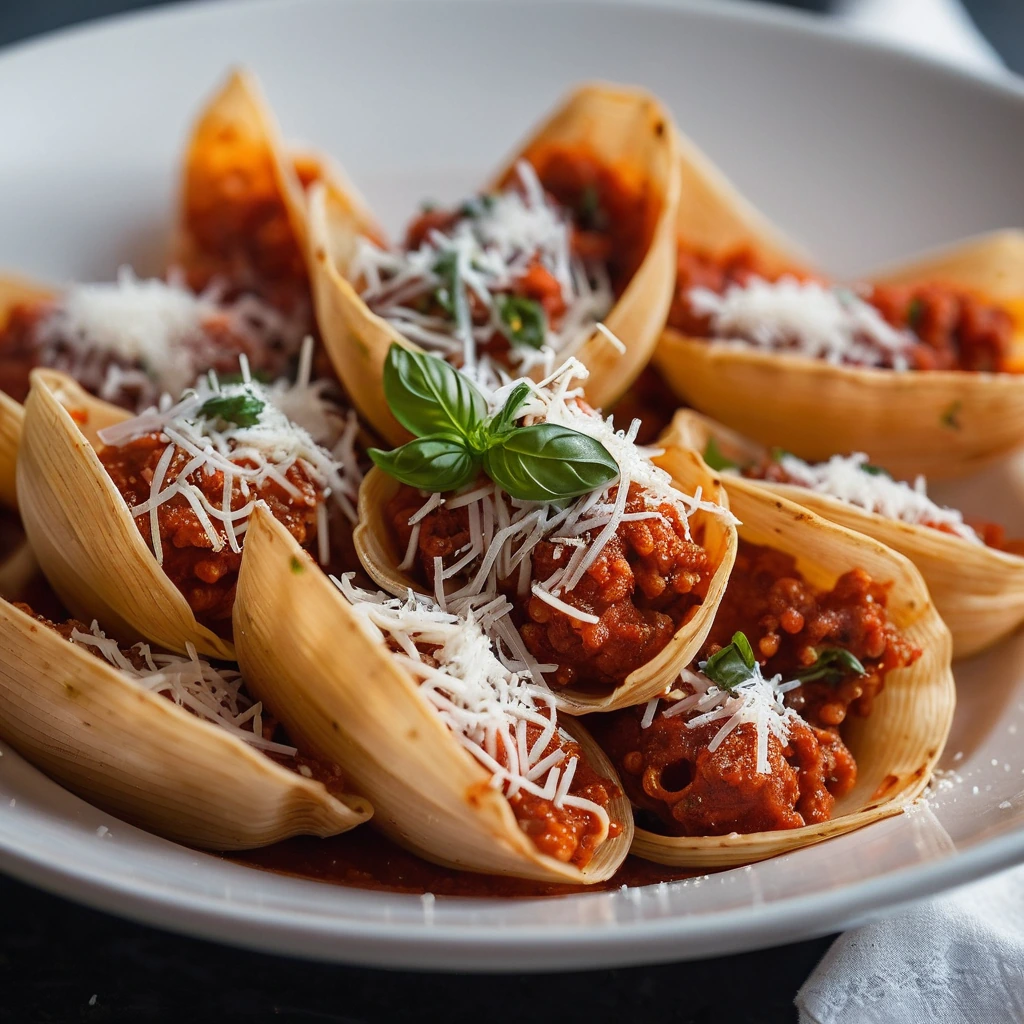
Spicy Arrabbiata Shells with Parmesan
Fiery and fresh, these pasta shells are smothered in a spicy tomato sauce and crowned with nutty Parmesan.