Time & Workflow: Reading a Recipe Before Starting
Reading a recipe before starting is a crucial cooking technique that sets the stage for culinary success. This seemingly simple step can prevent common kitchen mishaps and streamline your workflow. Before diving into any recipe, take a moment to understand what lies ahead. This technique involves analyzing the recipe, gathering ingredients, and preparing tools—all before the first ingredient hits the pan. By doing so, you create a mental roadmap that guides you through each phase of cooking, minimizing stress and maximizing efficiency. Understanding the recipe's timeline helps you anticipate when certain tasks will occur, allowing you to manage your time effectively. This foresight enables you to prepare components in advance, like marinating proteins or prepping vegetables, ensuring each step aligns seamlessly with the next. Moreover, reading a recipe in advance helps identify potential challenges, such as unfamiliar techniques or lengthy processes, giving you the chance to research or adjust accordingly. This approach not only builds confidence but also enhances the overall cooking experience, turning what might be chaotic into a well-orchestrated symphony of flavors and aromas. In essence, reading a recipe before starting is like planning a trip—it ensures you arrive at your destination with joy rather than frustration.
Notes
Reading a recipe before starting is grounded in the principle of mise en place, a French culinary term meaning 'everything in its place.' This methodical approach ensures you have everything ready before you start cooking, reducing the risk of missing critical steps or burning dishes due to lack of preparation. Common mistakes include underestimating prep time or overlooking specific instructions, which can disrupt the cooking flow. Troubleshooting these issues starts with thorough preparation. Safety is also paramount—ensure your workspace is clean and that you're familiar with handling any kitchen tools. For make-ahead and storage, consider preparing components like sauces or chopped vegetables ahead of time and storing them in airtight containers in the fridge for up to 2 days. This technique empowers you to cook with confidence and enjoy the process.
Steps
- 1 Read through the entire recipe from start to finish.
- 2 Identify all ingredients needed and check your pantry and fridge.
- 3 Make a shopping list for any missing ingredients.
- 4 Gather all necessary tools and equipment before starting.
- 5 Note any specific techniques or unfamiliar steps.
- 6 Research or review these techniques if needed.
- 7 Mark the order and timing of each step in the recipe.
- 8 Prepare ingredients by washing, chopping, or measuring as required.
- 9 Set out ingredients in the order they will be used.
- 10 Adjust your kitchen workspace for easy access to tools and ingredients.
- 11 Consider multitasking opportunities, like preheating the oven while prepping ingredients.
- 12 Plan for any components that can be made ahead of time.
- 13 Review the recipe one last time before you begin cooking.
Ingredients to explore
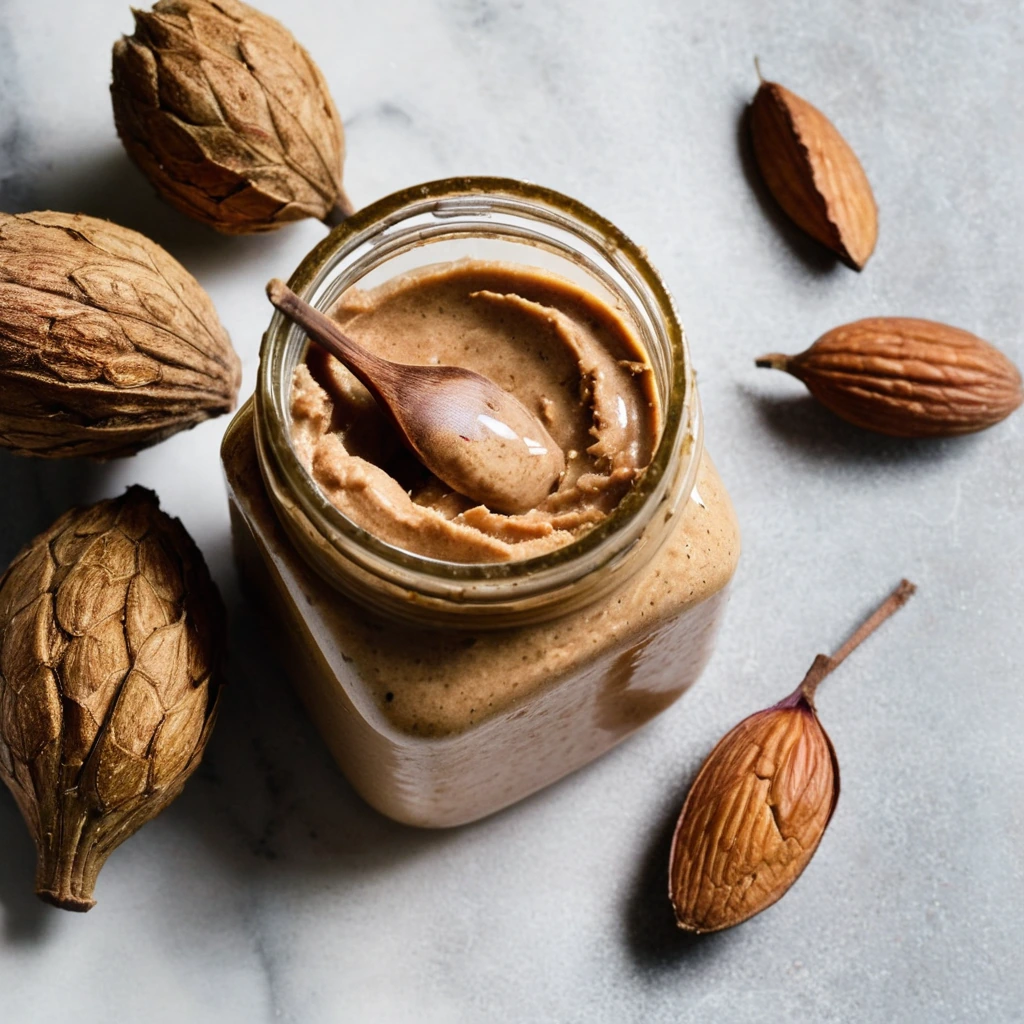
Almond Butter
A velvety, nutty spread crafted from finely ground almonds, offering a rich and satisfying flavor that's both comforting and indulgent.
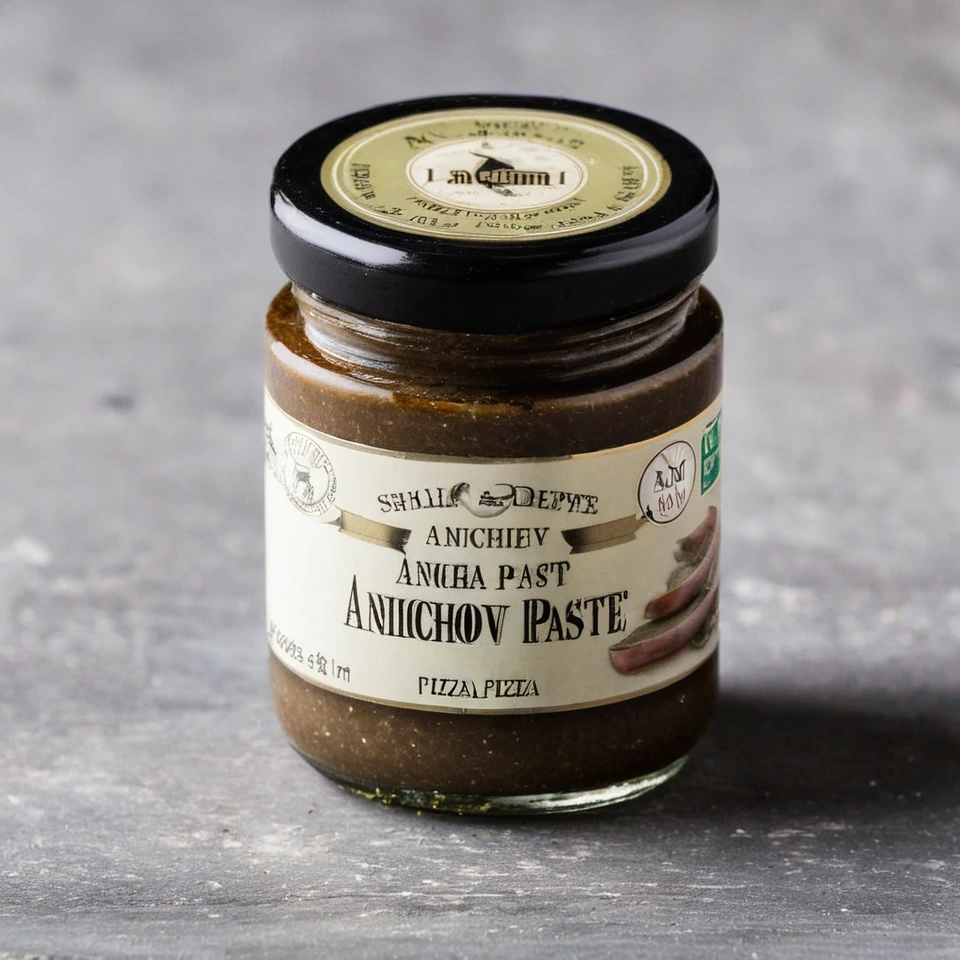
Anchovy Paste
Anchovy paste is a rich, salty spread made from finely ground anchovies, salt, and sometimes olive oil. It offers a deep umami flavor that enhances a variety of dishes.
Recipes to try
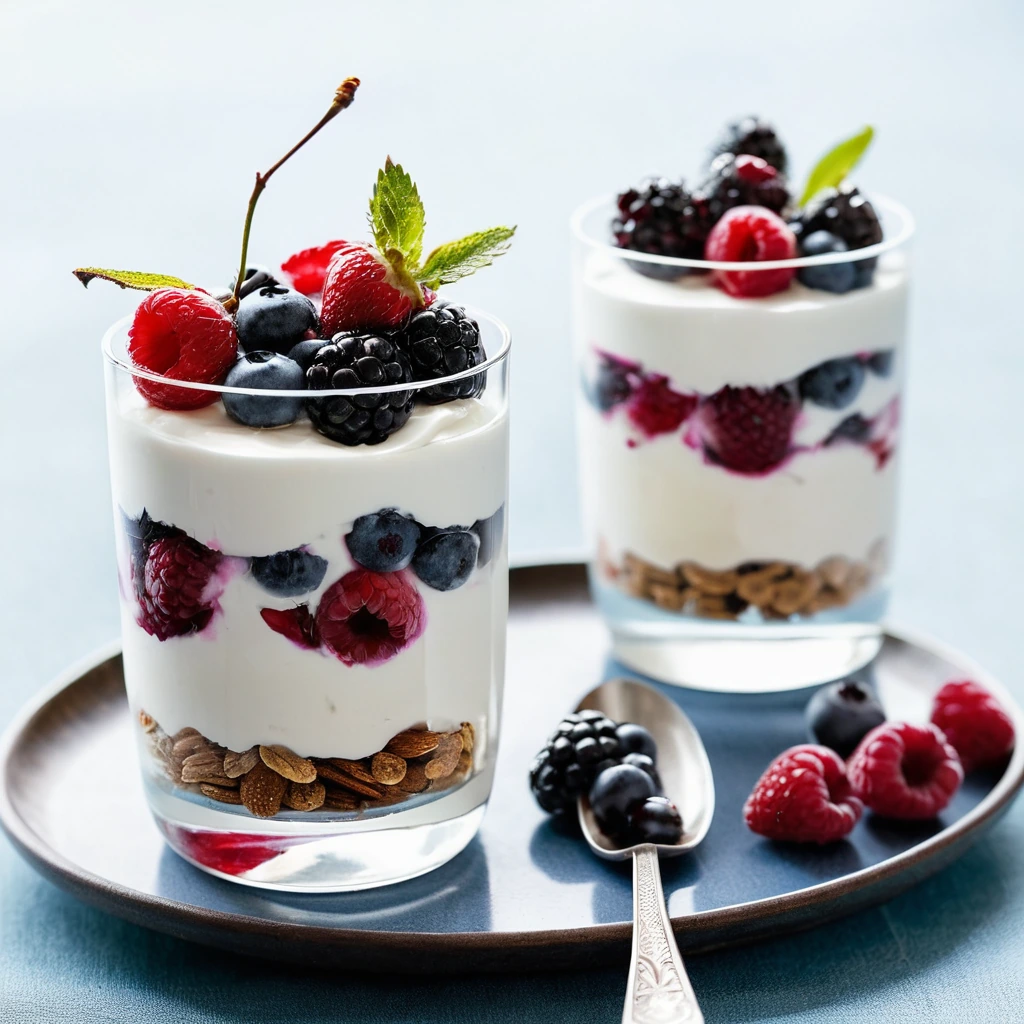
Vanilla Yogurt Parfaits with Roasted Berries
Creamy vanilla yogurt layers kissed by sweet, smoky roasted berries create a parfait that's both comforting and refreshing.
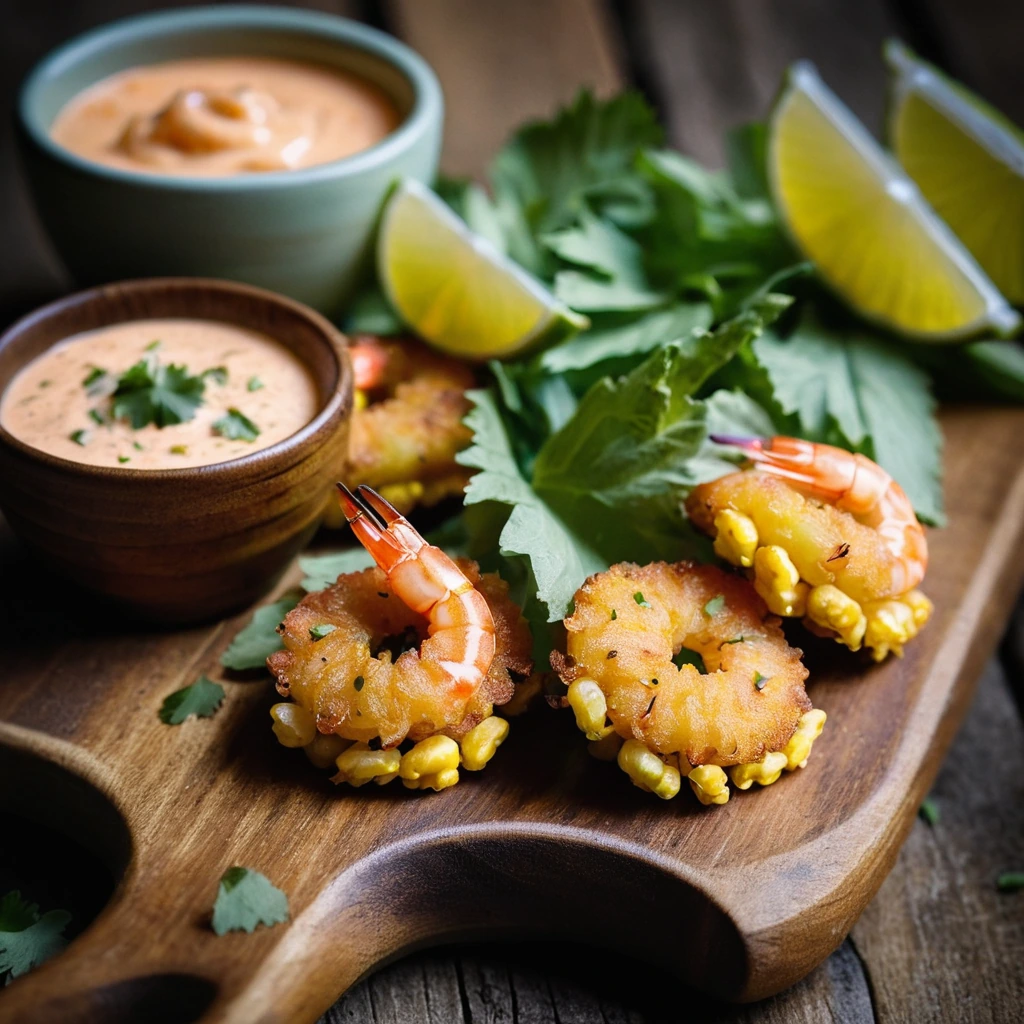
Shrimp and Corn Fritters with Chili Aioli
Crispy on the outside, tender on the inside, these golden fritters pack a punch with juicy shrimp and sweet corn, all topped with a zesty chili aioli.