Thermometers: Instant Read vs Probe
Understanding the difference between instant-read and probe thermometers is crucial for any home cook aiming to perfect their culinary creations. Instant-read thermometers are designed for quick temperature checks, ideal for when you need a fast and accurate reading before serving a dish. These thermometers are inserted into food, left for a few seconds, and then removed, offering an immediate snapshot of the internal temperature. Probe thermometers, on the other hand, are designed to remain in food throughout the cooking process, continuously monitoring temperature changes. They are perfect for ensuring meats like roasts and turkeys reach their desired doneness without overcooking. Both types play pivotal roles in modern kitchens, offering precision and peace of mind to cooks of all skill levels. Knowing when to use each type can elevate your cooking, ensuring everything from grilled steaks to baked casseroles are cooked to perfection. This guide dives into the mechanics, advantages, and best use cases for both instant-read and probe thermometers, empowering you to make informed decisions for optimal cooking results.
Notes
Instant-read thermometers work quickly due to their thin metal probes that conduct heat rapidly, making them ideal for checking temperatures on the fly. However, they can give inconsistent readings if not inserted correctly or left in the food for too short a time. Probe thermometers offer continuous monitoring, reducing the risk of overcooking, but require initial setup and calibration for accuracy. To avoid common mistakes, ensure your thermometer is fully inserted into the thickest part of the meat without touching bone. Always follow safety guidelines to prevent burns or food contamination. Most thermometers can be stored at room temperature, but check manufacturer instructions for specific guidance on make-ahead preparation and storage.
Steps
- 1 Choose the correct thermometer for your cooking task.
- 2 For instant-read, insert the probe into the thickest part of the food.
- 3 Wait 2-4 seconds for an accurate reading.
- 4 Remove the instant-read thermometer and check the temperature.
- 5 For probe thermometers, calibrate according to manufacturer instructions.
- 6 Insert the probe into the food before cooking begins.
- 7 Monitor the temperature throughout the cooking process.
- 8 Remove the food when it reaches the desired internal temperature.
- 9 Always clean your thermometers after use to prevent cross-contamination.
- 10 Store your thermometers in a safe, dry place.
Ingredients to explore
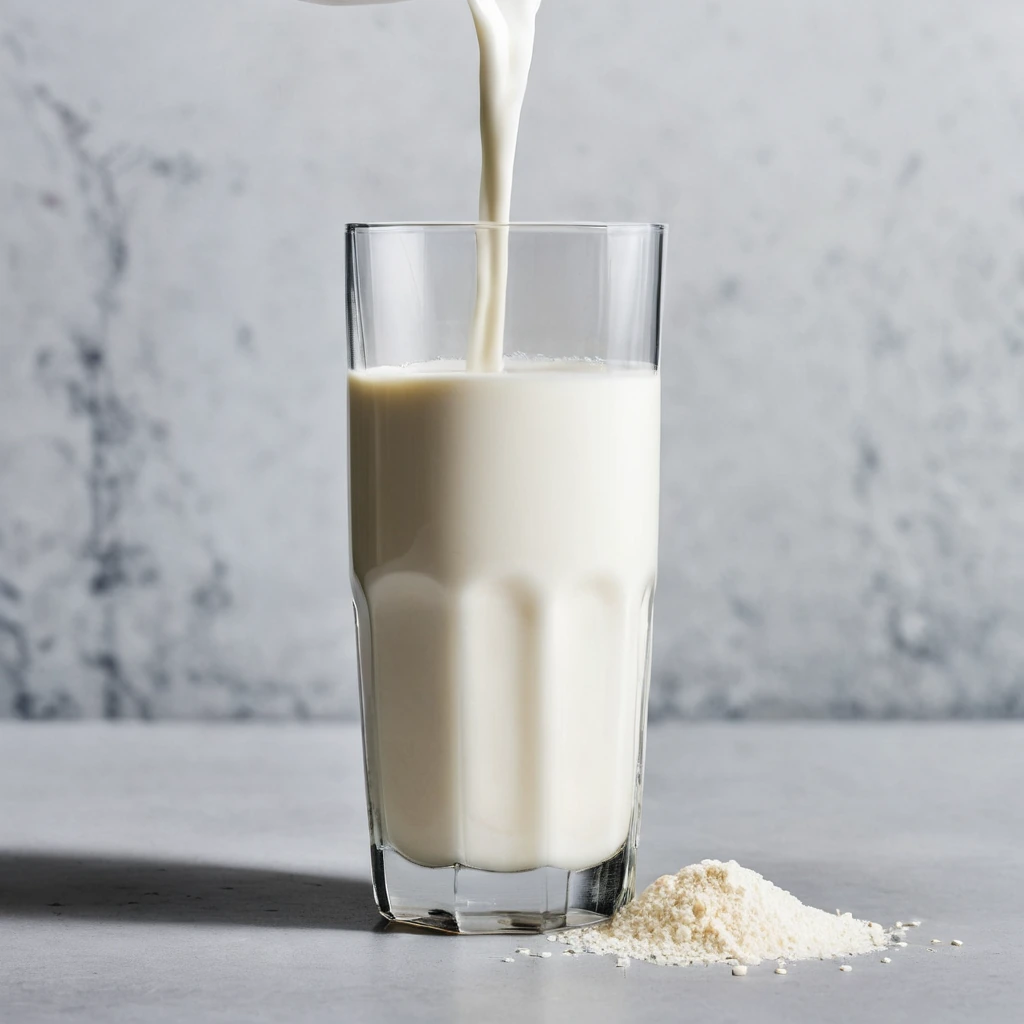
2% Milk
Creamy and just a touch lighter than whole milk, 2% milk offers a perfect balance of richness and reduced fat. Its smooth texture and subtle sweetness make it a delightful choice for sipping or cooking.
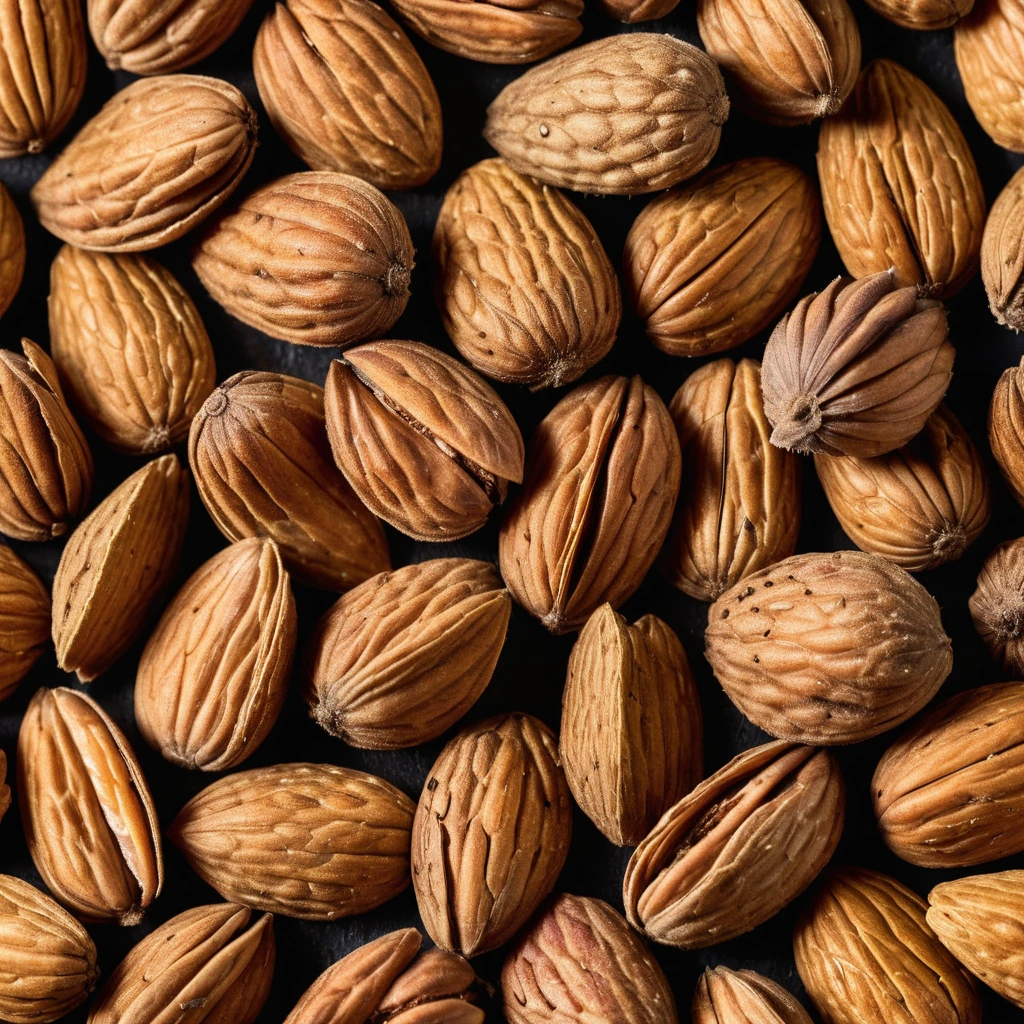
Almonds
With their golden-brown hue and delicate, edible skin, almonds are a crunchy delight. These versatile nuts boast a rich, buttery flavor that adds depth to both sweet and savory dishes.
Recipes to try
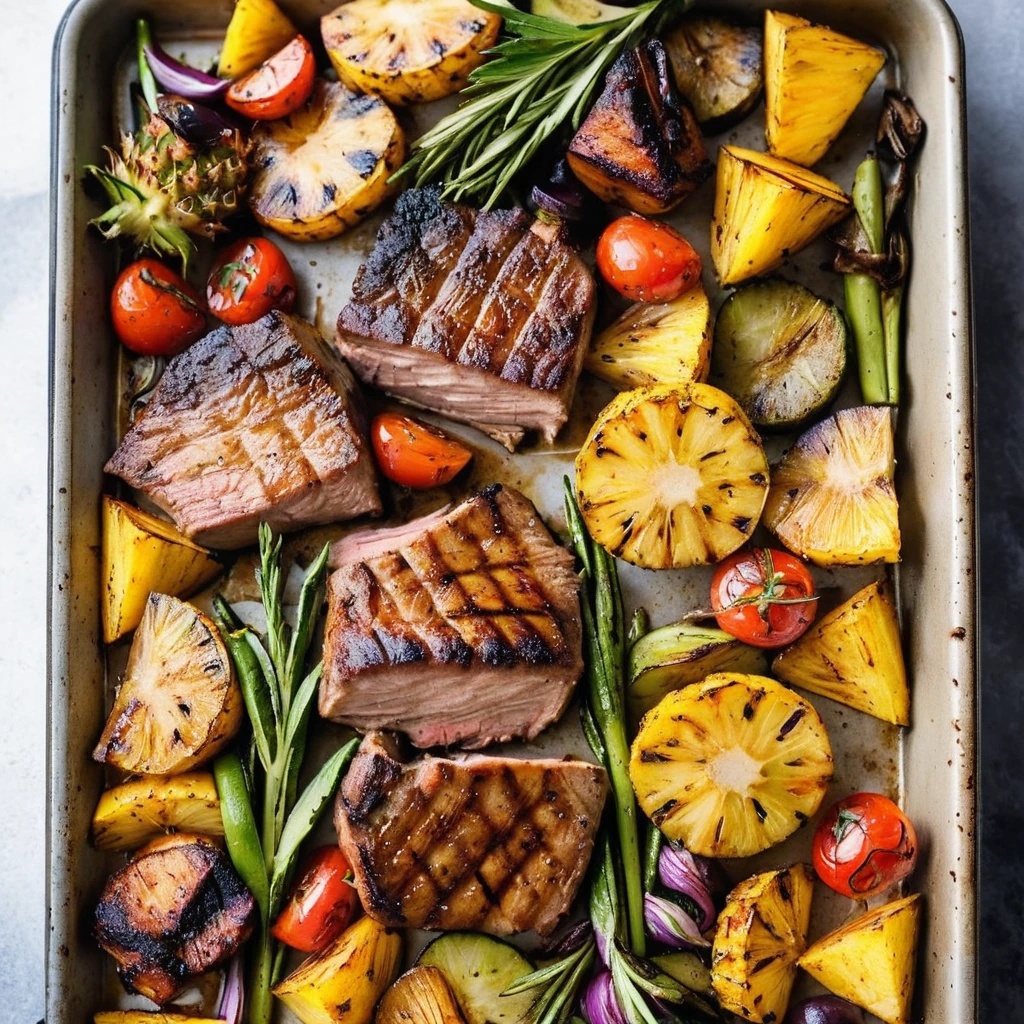
Pork and Pineapple BBQ Sheet Pan Supper
Sweet, tangy, and smoky flavors mingle in this fuss-free sheet pan supper that'll have you licking your plate clean.
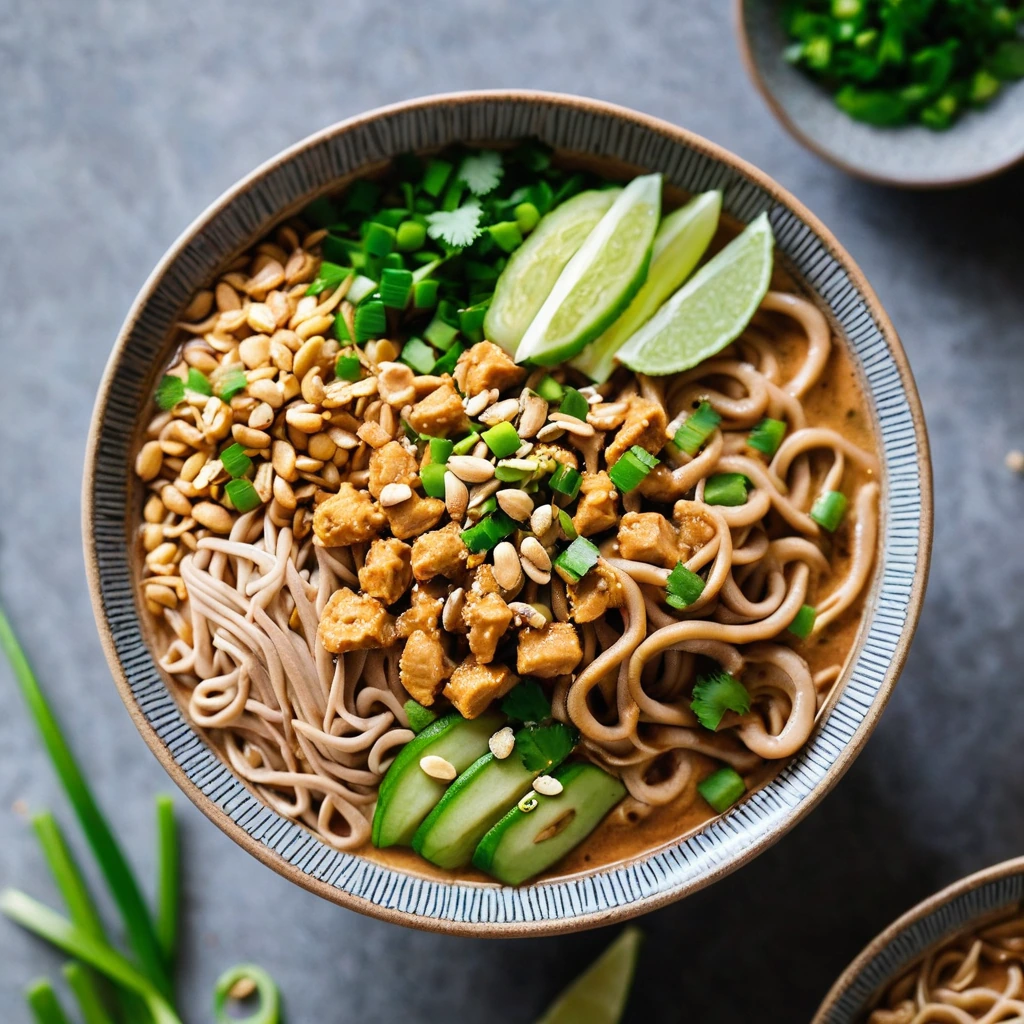
Spicy Peanut Chicken Noodle Bowls
Creamy peanut sauce clings to tender chicken and chewy noodles in a vibrant, fiery bowl that's comfort food on steroids.