Stovetop: Matching Pan Size to Burner
Achieving culinary excellence often begins with mastering the basics, and one such fundamental is understanding how to match your pan size to your stove burner. This technique might seem trivial, but it's crucial for efficient cooking and energy use. When a pan is too small, heat is wasted, and when it's too large, food might not cook evenly. The right fit ensures optimal heat transfer, which means your food cooks faster and more evenly, saving you time and energy. Moreover, it prevents hot spots that can lead to burnt food or uneven cooking. Understanding the relationship between pan and burner sizes can elevate your cooking game, ensuring that every dish you create is cooked to perfection. Whether you're simmering a delicate sauce or searing a steak, the correct pan-to-burner match can make all the difference. Let's dive into how you can ensure your pans and burners are perfectly aligned for culinary success.
Notes
The science behind matching pan size to burner lies in the principles of heat transfer. When a pan is properly matched to a burner, heat is transferred more efficiently from the burner to the pan's base, reducing energy consumption and improving cooking performance. One common mistake is assuming that larger pans always mean better cooking, which isn't the case due to potential heat distribution issues. To troubleshoot, always start with a properly matched pan and adjust your heat settings as you cook. Safety is important; never leave an empty pan unattended on a burner to prevent overheating. For storage, ensure pans are dry to prevent rust, especially cast iron, and store them in a way that the base remains flat and undamaged.
Steps
- 1 Select a pan with a flat base that makes full contact with the burner.
- 2 Ensure the pan's diameter is roughly equal to the burner's diameter.
- 3 Avoid using pans that are significantly larger than the burner to prevent heat waste.
- 4 Do not use pans that are smaller than the burner to avoid uneven heating.
- 5 Check the pan's base for any warping or damage that might affect contact with the burner.
- 6 Place the pan on the burner and adjust it to ensure it is centered.
- 7 Turn the burner to medium heat and allow the pan to heat up gradually.
- 8 Observe the heat distribution by noting any hot spots or uneven cooking.
- 9 Adjust the heat level as needed to maintain consistent cooking conditions.
- 10 Consider using a diffuser ring if your pan is slightly larger than the burner.
- 11 Experiment with different pan sizes to understand how they affect cooking times.
- 12 Remember that different materials (stainless steel, cast iron, copper) conduct heat differently.
- 13 Clean your pan regularly to maintain efficient heat transfer.
Ingredients to explore
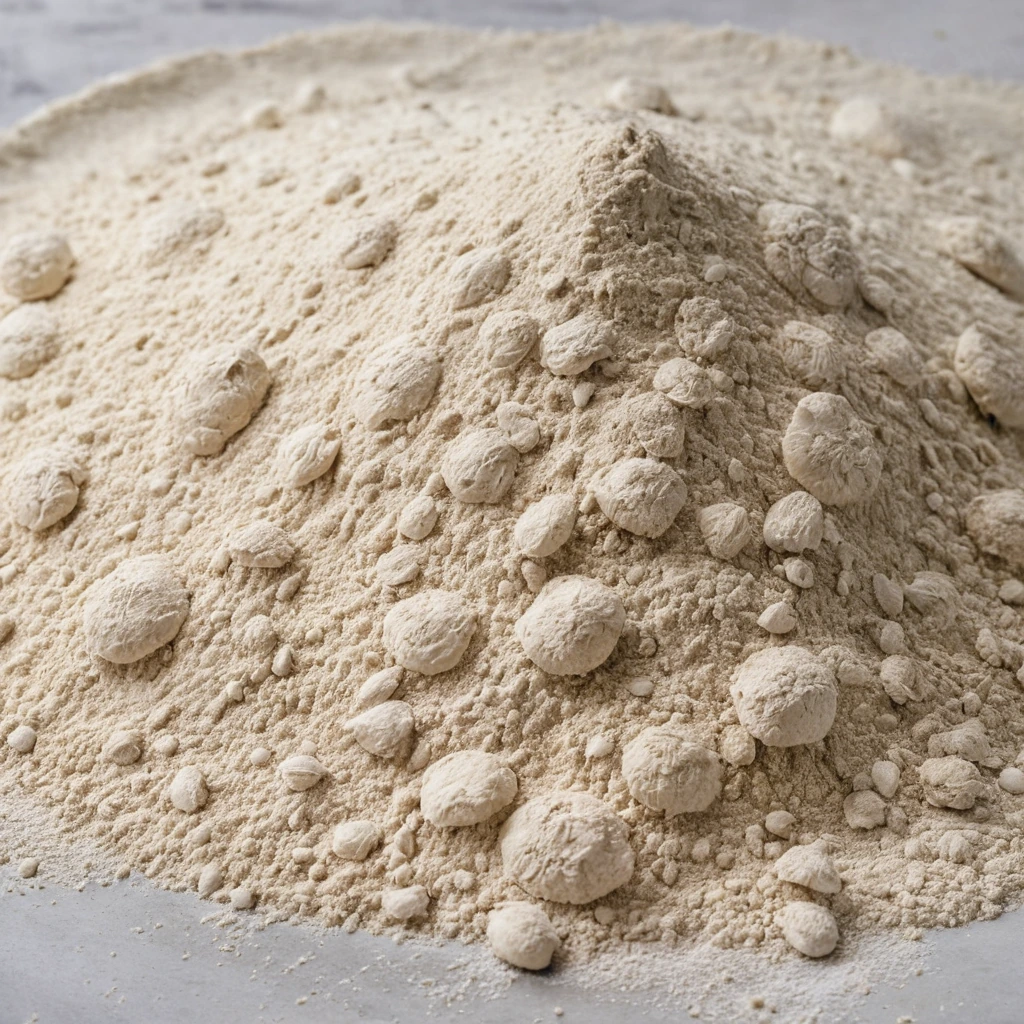
00 Pizza Flour
00 pizza flour is a finely milled Italian flour prized for its versatility in creating authentic Neapolitan-style pizza crusts. Originating from Italy, it is milled to a very fine consistency, which is reflected in its name, 'doppio zero,' indicating its fine grind. This flour has a balanced flavor profile, offering a mild, slightly sweet taste with a subtle nuttiness. Its texture is silky and smooth, contributing to a tender yet chewy crust when used in pizza making. In cooking, 00 pizza flour is known for its ability to hydrate quickly and develop a desirable gluten structure, resulting in a light and airy crust that can withstand high-heat cooking without becoming overly crispy or hard.
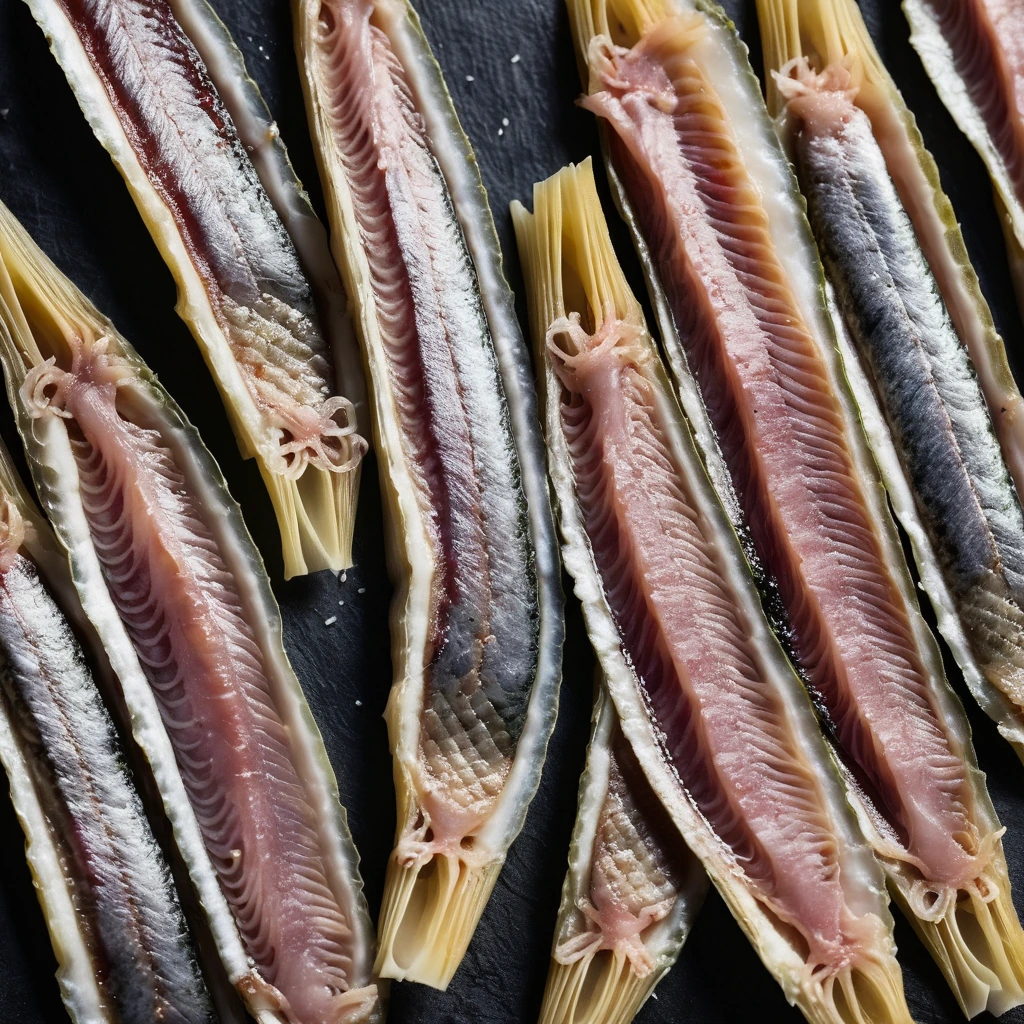
Anchovy Fillets
Silvery and succulent, anchovy fillets are a briny treasure from the sea. Their rich, umami flavor adds depth to dishes, making them a beloved ingredient in kitchens worldwide.
Recipes to try
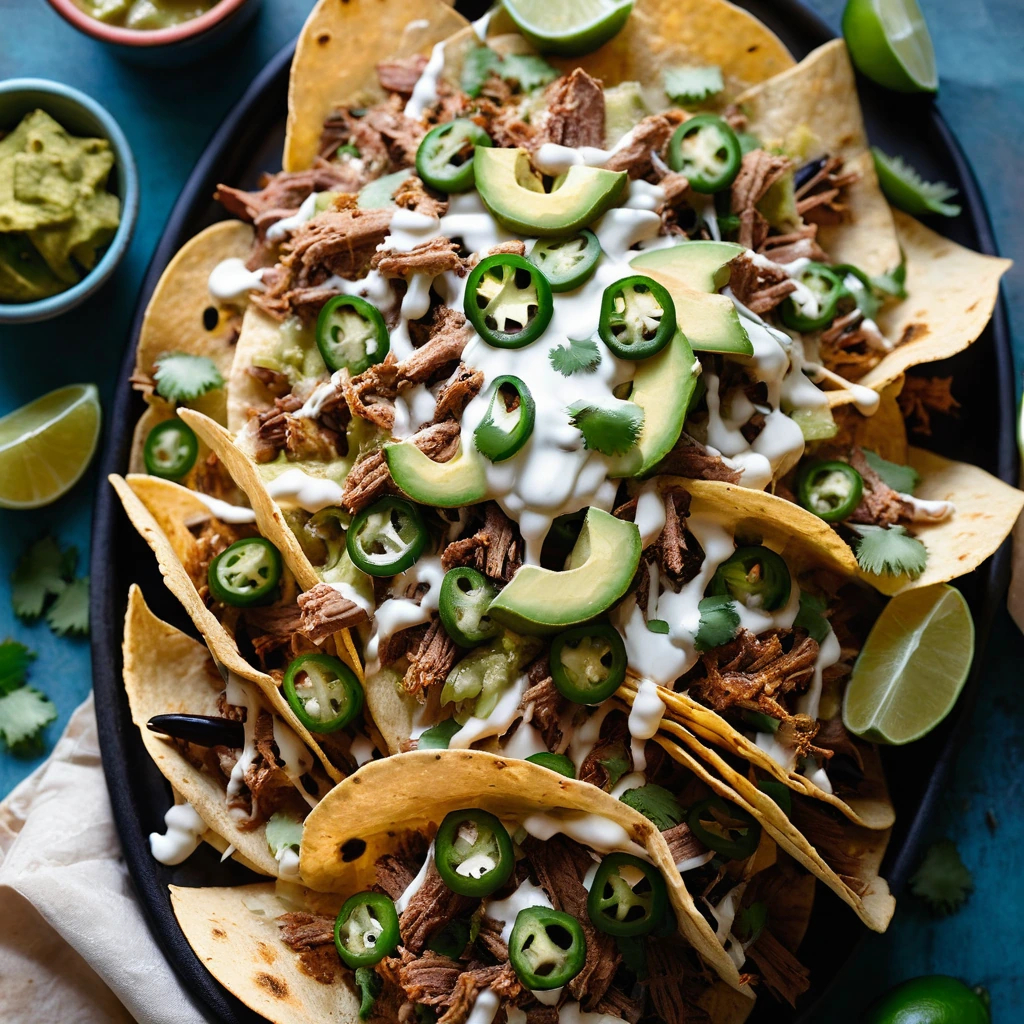
Pork Carnitas Nachos with Queso and Jalapeños
Crispy tortilla chips smothered in tender pork carnitas, melty queso, and zesty jalapeños for a fiesta in your mouth.
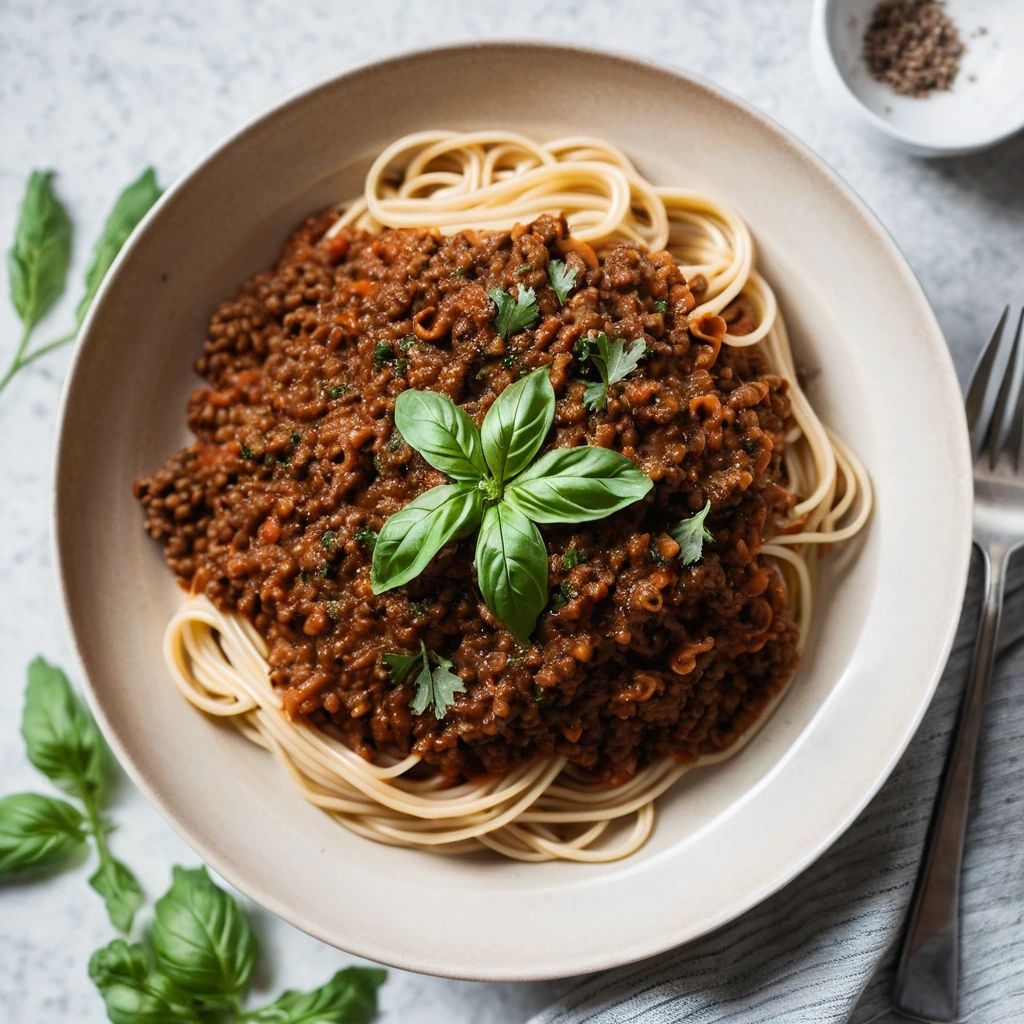
Mushroom and Lentil Bolognese over Spaghetti
A hearty, savory Bolognese packed with earthy mushrooms and protein-rich lentils, served over perfectly al dente spaghetti.