How to Store and Reheat Cooked Foods Safely
Learn the essential techniques for safely storing and reheating cooked foods to maintain quality and prevent foodborne illness.
Notes
Always prioritize food safety to prevent contamination and spoilage. When in doubt, discard food to avoid the risk of foodborne illness.
Steps
- 1 Allow cooked food to cool to room temperature before storing.
- 2 Transfer food into airtight containers, ensuring they are no more than 2 inches deep.
- 3 Refrigerate promptly within 2 hours of cooking, or 1 hour if the temperature is above 90°F.
- 4 Label containers with the date and consume refrigerated leftovers within 3-4 days.
- 5 For longer storage, freeze food in airtight, freezer-safe containers for up to 3 months.
- 6 When reheating, ensure food reaches an internal temperature of 165°F, using a food thermometer.
- 7 Reheat sauces, soups, and gravies by bringing them to a rolling boil.
- 8 Avoid reheating food more than once to maintain safety and quality.
Ingredients to explore
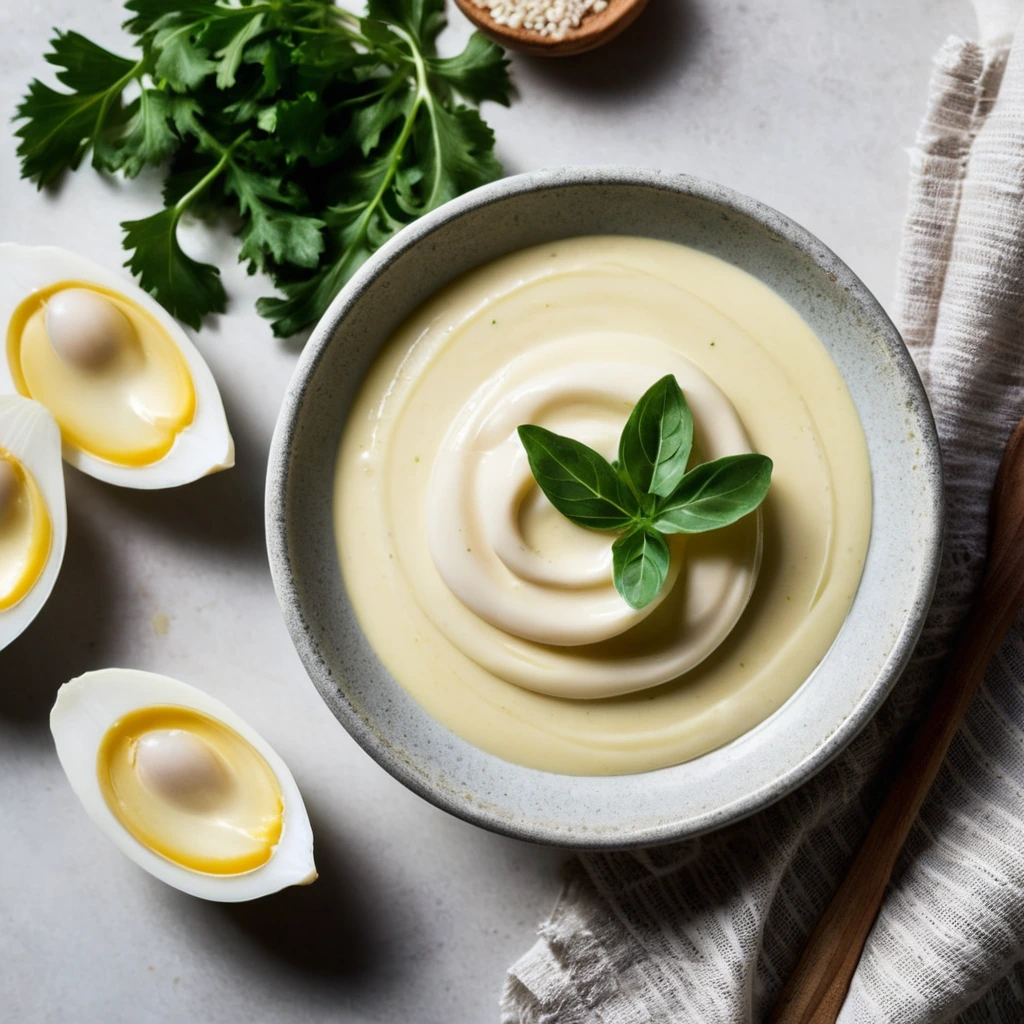
Aioli
A luscious, velvety emulsion of garlic and olive oil, aioli is a rich and aromatic sauce that dances on the palate with its creamy texture and bold, pungent flavor.
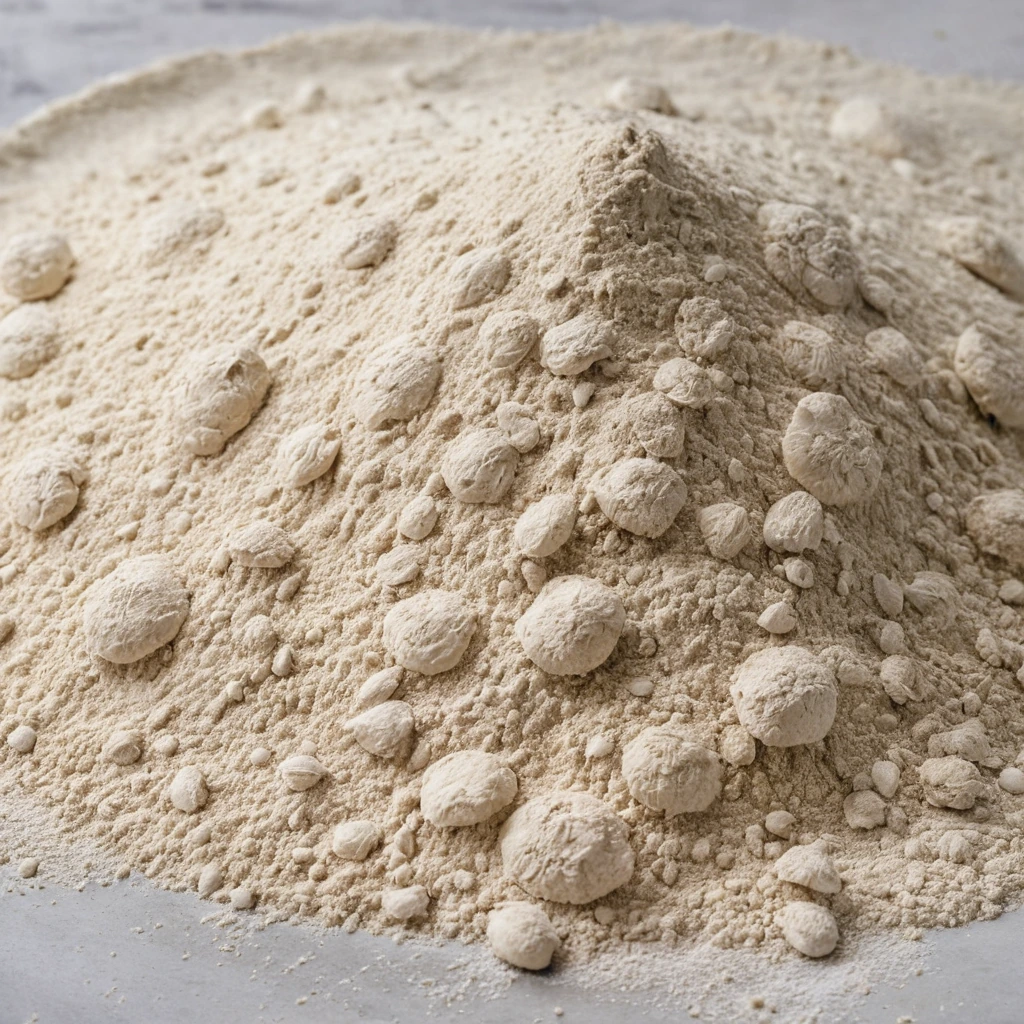
00 Pizza Flour
00 pizza flour is a finely milled Italian flour prized for its versatility in creating authentic Neapolitan-style pizza crusts. Originating from Italy, it is milled to a very fine consistency, which is reflected in its name, 'doppio zero,' indicating its fine grind. This flour has a balanced flavor profile, offering a mild, slightly sweet taste with a subtle nuttiness. Its texture is silky and smooth, contributing to a tender yet chewy crust when used in pizza making. In cooking, 00 pizza flour is known for its ability to hydrate quickly and develop a desirable gluten structure, resulting in a light and airy crust that can withstand high-heat cooking without becoming overly crispy or hard.
Recipes to try
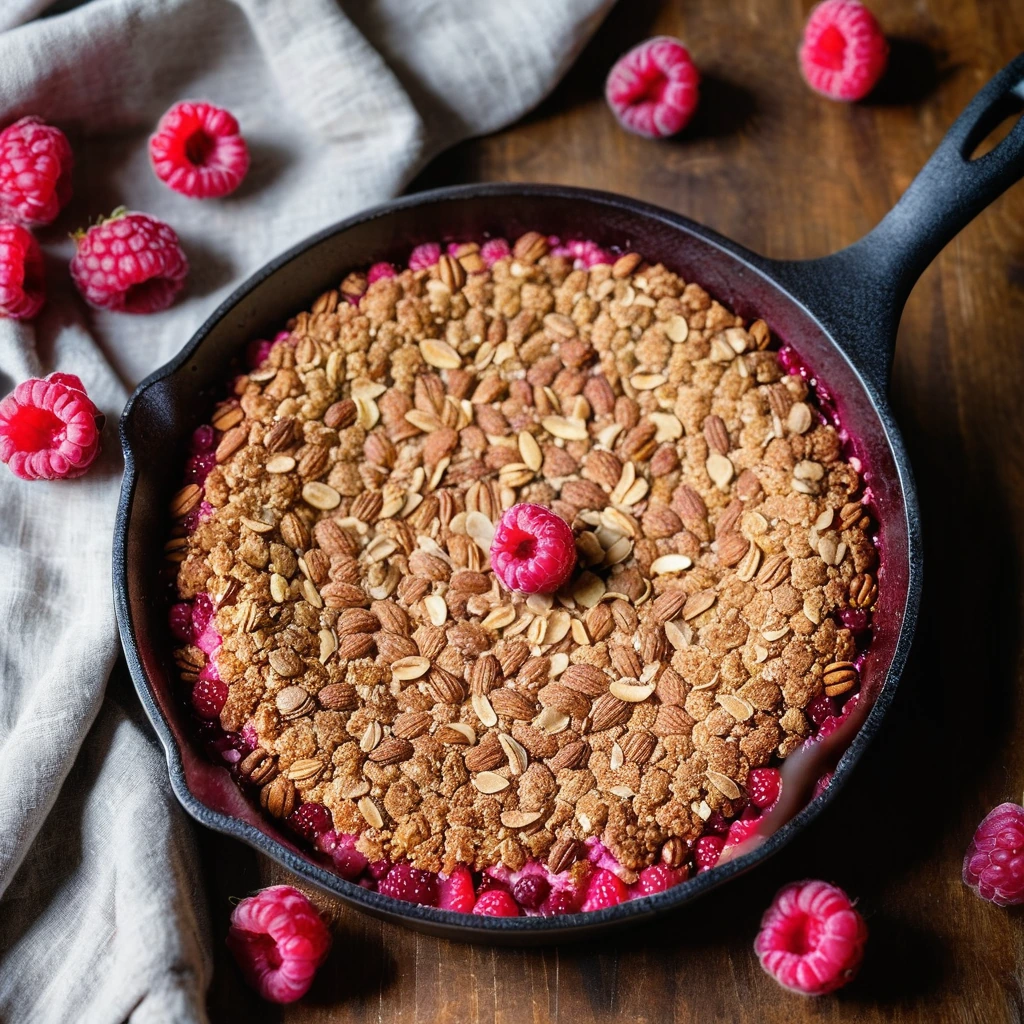
Raspberry Almond Crumble Skillet
A symphony of sweet raspberries nestled under a golden, almond-studded crumble, perfect for cozy evenings and brunch spreads.
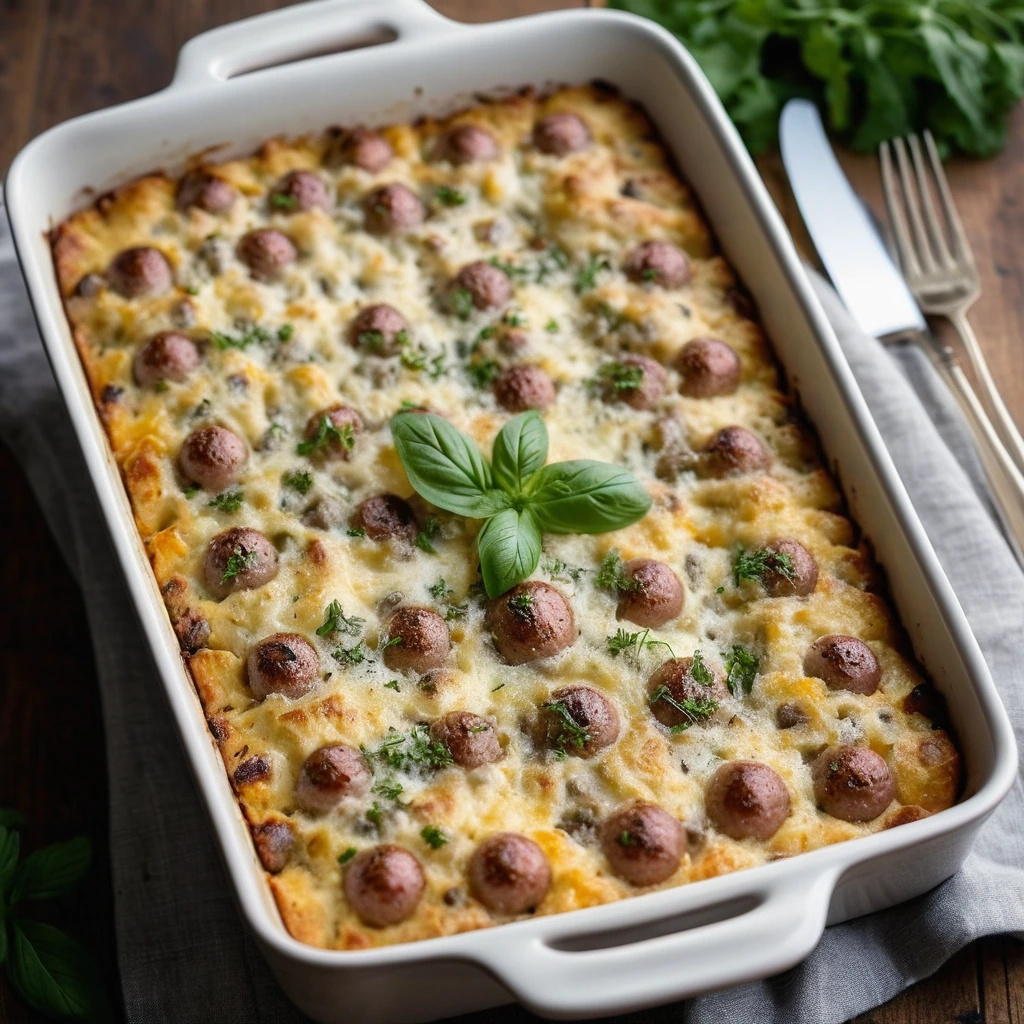
Sausage and Potato Breakfast Casserole
This hearty casserole combines savory sausage, crispy potatoes, and melty cheese into a golden, bubbly brunch masterpiece.