Stocks: Pressure Cooker Stock in Under an Hour
Making stock doesn't have to be a day-long commitment. With a pressure cooker, you can extract rich, flavorful stock from bones and vegetables in just under an hour. This technique is perfect for busy home cooks who crave gourmet results without the wait. Pressure cookers work by creating a high-pressure environment that forces liquid into the bones and vegetables, extracting flavors much faster than traditional methods. This method is ideal for chicken, beef, or vegetable stocks and yields a deeply flavored broth in a fraction of the time. First, you'll need to gather your ingredients: bones, mirepoix (carrots, celery, onions), aromatics like garlic and herbs, and water. The key to a great stock is starting with quality ingredients and not overcrowding the pot, ensuring even cooking and optimal extraction. Browning the bones before cooking can add depth to your stock, but it's optional if you're pressed for time. Once your ingredients are prepped, the actual cooking process is straightforward and requires minimal attention. After cooking, strain the stock carefully to remove solids, and you'll be left with a concentrated, flavorful base ready to elevate your dishes. This method is not only efficient but also preserves nutrients, making it a healthy choice for soups, sauces, and more.
Notes
The pressure cooker works by raising the boiling point of water, allowing the stock to cook at a higher temperature and extract flavors more quickly. Browning bones adds complexity through the Maillard reaction, though it can be skipped for a lighter stock. Avoid overfilling the cooker to prevent blockages and ensure proper pressurization. If you encounter cloudy stock, a second straining through cheesecloth can help clarify it. Always follow manufacturer safety guidelines when using a pressure cooker. For best flavor and texture, use fresh ingredients and consider making stock in smaller batches. Leftovers can be stored in airtight containers in the fridge for up to 5 days or frozen for up to 3 months.
Steps
- 1 Preheat the pressure cooker over medium heat.
- 2 Sear the bones in batches until browned, removing them as you go.
- 3 Add mirepoix to the cooker and sauté until softened.
- 4 Deglaze the cooker with a small amount of water, scraping up browned bits.
- 5 Return the bones to the cooker and cover with water, ensuring bones are submerged.
- 6 Add aromatics like garlic, herbs, and peppercorns.
- 7 Lock the lid and set the pressure valve to the sealing position.
- 8 Cook on high pressure for 45 minutes.
- 9 Naturally release pressure for 15 minutes, then carefully switch to quick release.
- 10 Strain the stock through a fine-mesh sieve into a large bowl or container.
- 11 Discard solids and let the stock cool slightly before storing.
- 12 Skim off any fat from the surface if desired.
- 13 Store stock in the refrigerator for up to 5 days or freeze for longer storage.
Ingredients to explore
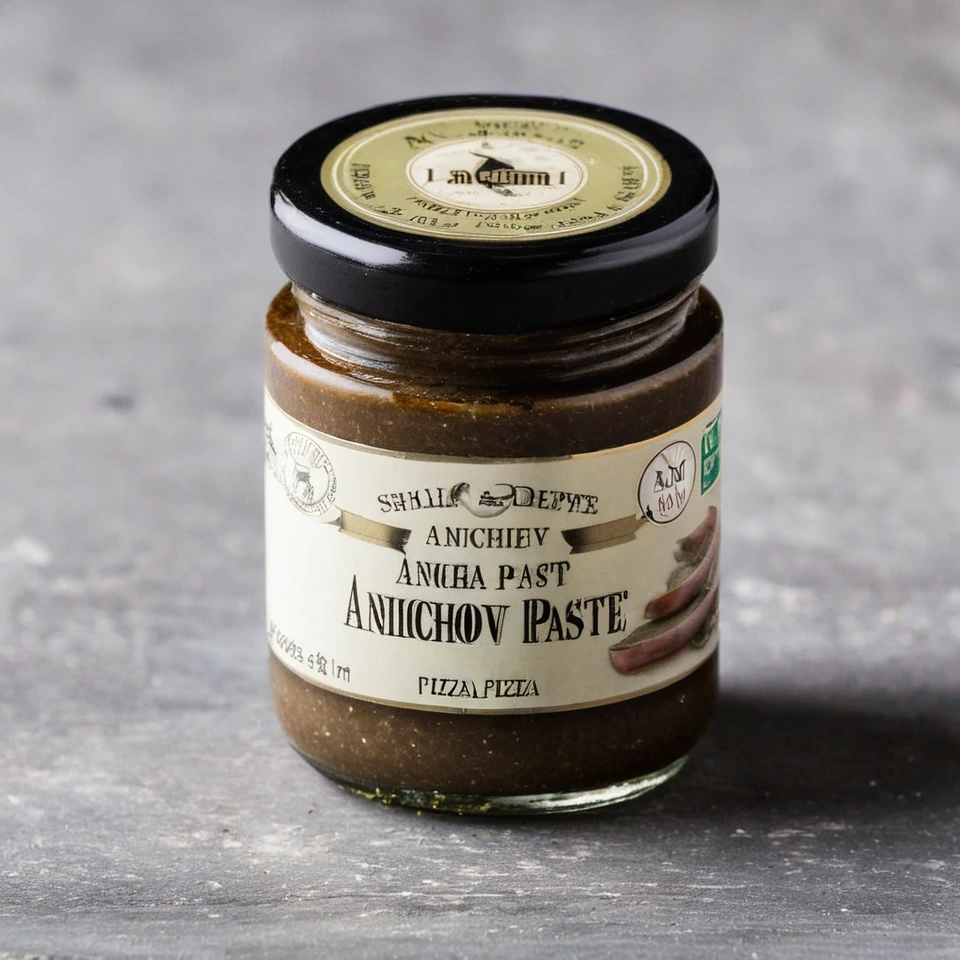
Anchovy Paste
Anchovy paste is a rich, salty spread made from finely ground anchovies, salt, and sometimes olive oil. It offers a deep umami flavor that enhances a variety of dishes.

Acorn Squash
Acorn squash is a winter squash variety known for its distinctive teardrop shape and deep ridges resembling the texture of an acorn shell. Originating in the Americas, it has been cultivated for centuries and is a staple in autumn cuisine. The flesh is sweet and nutty with a hint of earthiness, offering a delightful contrast to savory dishes. Its texture is dense yet tender when cooked, making it ideal for roasting or pureeing. In cooking, acorn squash holds its shape well and absorbs flavors from herbs and spices, enhancing both its taste and versatility in recipes.