Stocks: Fish Stock (Fumet) Fundamentals
Creating a flavorful fish stock, or fumet, is an essential skill for any home cook looking to elevate their seafood dishes. A well-made fumet serves as the backbone for soups, sauces, and risottos, offering a depth of flavor that's hard to replicate. Unlike richer meat stocks, fish stock requires precision and attention to detail to avoid a fishy or overly briny result. The key is to use fresh, clean ingredients and to cook the stock quickly to prevent it from becoming bitter. Begin by selecting a variety of fish trimmings—heads, bones, and skins are ideal—from mild-flavored fish like cod or snapper. Sauté aromatic vegetables to build a flavorful base, then carefully simmer the stock to extract the delicate flavors without overcooking. Understanding how to balance the natural sweetness of the bones with the aromatic vegetables and herbs is crucial. This guide will walk you through creating a fumet that will add a professional touch to your home cooking.
Notes
The science behind a good fumet lies in the careful extraction of collagen and proteins from the fish bones, which creates a silky texture and rich mouthfeel. Avoid overcooking, as prolonged simmering can release undesirable compounds. Common mistakes include using overly strong-flavored fish, which can overpower the stock, or failing to skim impurities, leading to a cloudy stock. Safety is key when handling raw fish, so ensure your workspace is clean. For storage, refrigerate the stock for up to 3 days or freeze for up to 3 months. Making stock ahead of time allows its flavors to meld and deepen.
Steps
- 1 Rinse fish bones, heads, and skins under cold water to remove any impurities.
- 2 In a large pot, heat 2 tablespoons of oil over medium heat.
- 3 Add chopped mirepoix (onion, celery, carrot) and sauté until softened, about 5 minutes.
- 4 Add minced garlic and cook for an additional 1 minute, stirring constantly.
- 5 Toss in the fish bones, heads, and skins, and sear until golden brown on all sides.
- 6 Deglaze the pot with 1 cup of dry white wine, scraping up any browned bits.
- 7 Add enough water to cover the ingredients by 2 inches, then bring to a gentle simmer.
- 8 Tie herbs (thyme, bay leaf) in a cheesecloth bundle and add to the pot.
- 9 Simmer uncovered for 20-30 minutes, skimming off any impurities that rise to the surface.
- 10 Avoid boiling vigorously to preserve the delicate flavors.
- 11 After simmering, remove the pot from heat and let it sit for 5 minutes.
- 12 Strain the stock through a fine-mesh sieve into a clean container.
- 13 Discard the solids and let the stock cool to room temperature.
- 14 Refrigerate or freeze the stock for future use.
Ingredients to explore

American Cheese Slices
Those iconic, perfectly pliable slices of creamy, mild American cheese. Each slice boasts a smooth, melt-in-your-mouth texture that brings comfort to any dish.
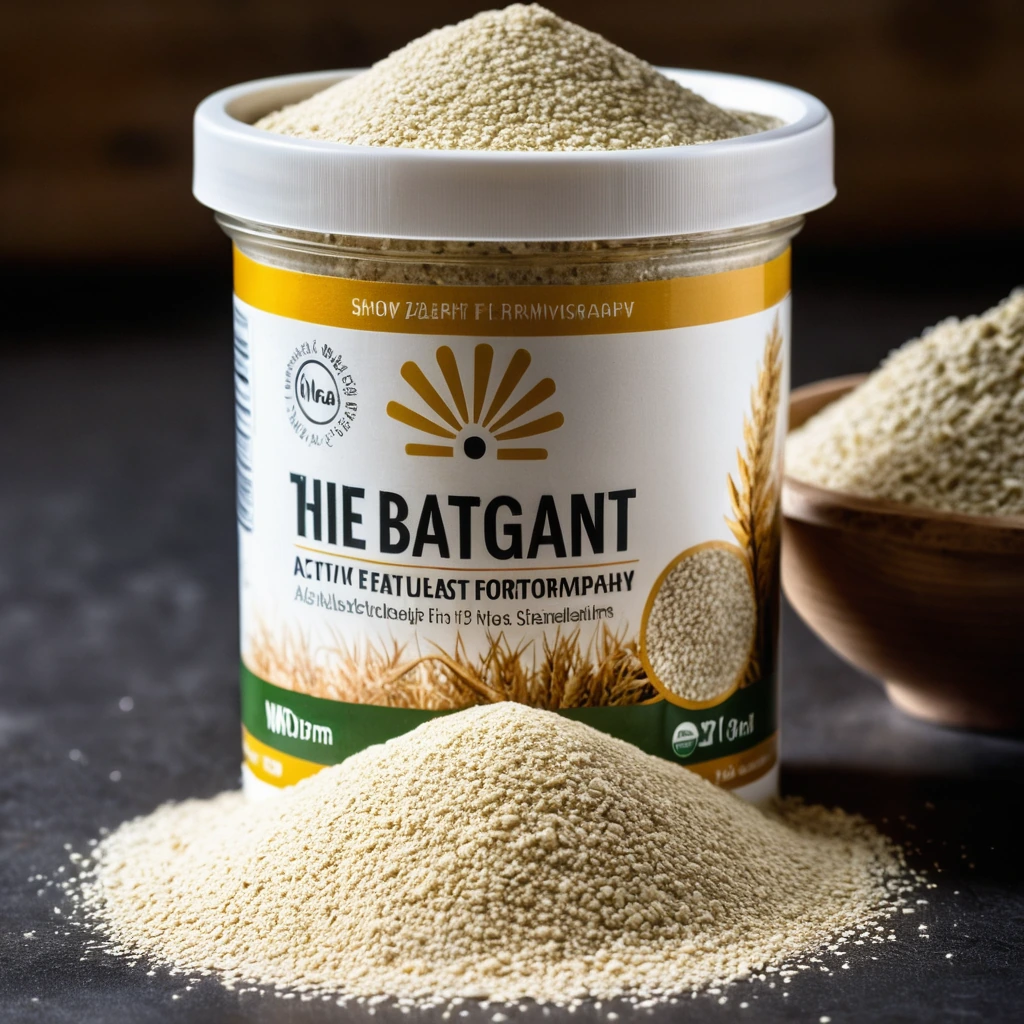
Active Dry Yeast
A fine, granulated leavening agent that brings baked goods to life with its gentle fermentation magic.
Recipes to try

Strawberry Cream Cheese Stuffed French Toast
Imagine warm, golden French toast stuffed with a tangy cream cheese and sweet strawberry surprise – breakfast just got a gourmet upgrade.

Sausage, Pepper, and Onion Hoagies
Juicy Italian sausages nestled in soft hoagie rolls with a sweet and smoky medley of peppers and onions.