Stock and Stew Technique: Using Lids and Partial Covers to Control Evaporation
Creating rich, flavorful stocks and stews at home is an art that relies heavily on controlling the cooking environment. One of the most crucial aspects of this control is managing evaporation. Evaporation affects the concentration of flavors, the cooking time, and even the texture of your final dish. By mastering the use of lids and partial covers, you can manipulate evaporation to suit your culinary needs. When you fully cover a pot, you trap steam and moisture, creating a humid environment that cooks food gently and preserves delicate flavors. Conversely, leaving the pot uncovered allows for more evaporation, which can concentrate flavors and reduce liquids. Partial covers offer a middle ground, balancing moisture retention with some reduction. This technique empowers home cooks to achieve professional results by understanding how different levels of cover affect their stock or stew's development. It's a skill that requires attentiveness and a bit of experimentation to perfect, but the rewards are well worth the effort.
Notes
The science behind using lids and partial covers is rooted in thermodynamics. A fully covered pot traps steam, creating a humid environment that preserves moisture and prevents rapid evaporation. This gentle cooking process is ideal for delicate stocks where you want to maintain subtle flavors. On the other hand, cooking uncovered increases evaporation, which can concentrate flavors and thicken the stew. However, too much evaporation can lead to scorching or overly reduced liquids. A common mistake is forgetting to monitor the liquid level when cooking uncovered. Always keep an eye on your pot and add liquid if necessary. Safety is paramount; use oven mitts when handling hot lids and pots. As for make-ahead and storage, allow stocks and stews to cool completely before refrigerating in airtight containers for up to 5 days or freezing for up to 3 months.
Steps
- 1 Select a heavy-bottomed pot to ensure even heat distribution.
- 2 Add your aromatics and proteins, browning them as desired for your recipe.
- 3 Pour in enough liquid to cover the ingredients, whether water, broth, or wine.
- 4 Bring the mixture to a gentle simmer over medium heat.
- 5 For minimal evaporation, place a lid securely on the pot.
- 6 For moderate evaporation, use a lid but leave it slightly ajar, propped open with a spoon.
- 7 For maximum evaporation, cook uncovered, monitoring the liquid level closely.
- 8 Check and skim off any impurities that rise to the surface.
- 9 Adjust the lid position as needed during cooking to control evaporation.
- 10 Simmer gently for 1 to 3 hours, depending on the recipe.
- 11 Taste and adjust seasoning towards the end of cooking.
- 12 Remove from heat and let the stock or stew rest for 10-15 minutes before serving or storing.
- 13 Strain the stock if necessary, discarding solids.
Ingredients to explore
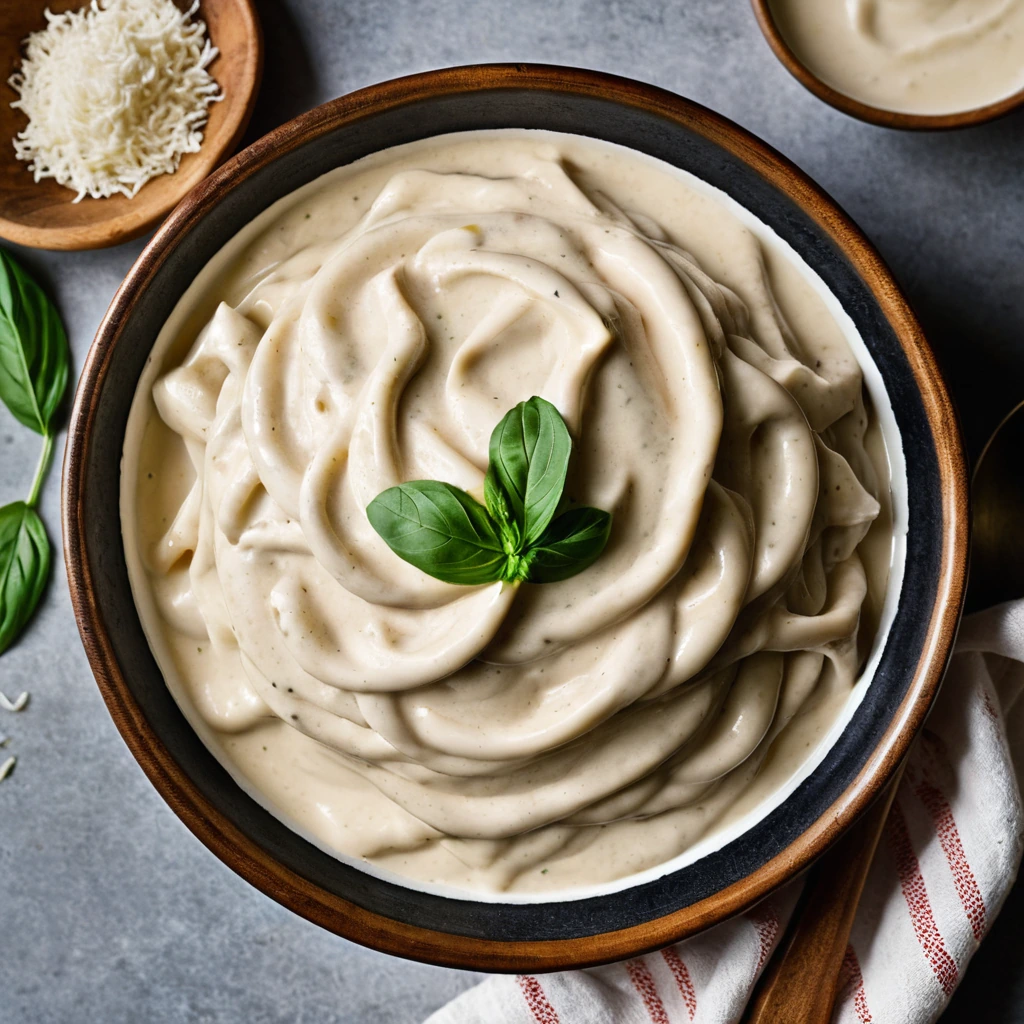
Alfredo Sauce
Creamy, rich, and utterly indulgent, Alfredo sauce is a dreamy blend of butter, heavy cream, and Parmesan cheese. Its velvety texture and savory depth make it a beloved staple in Italian-American cuisine.
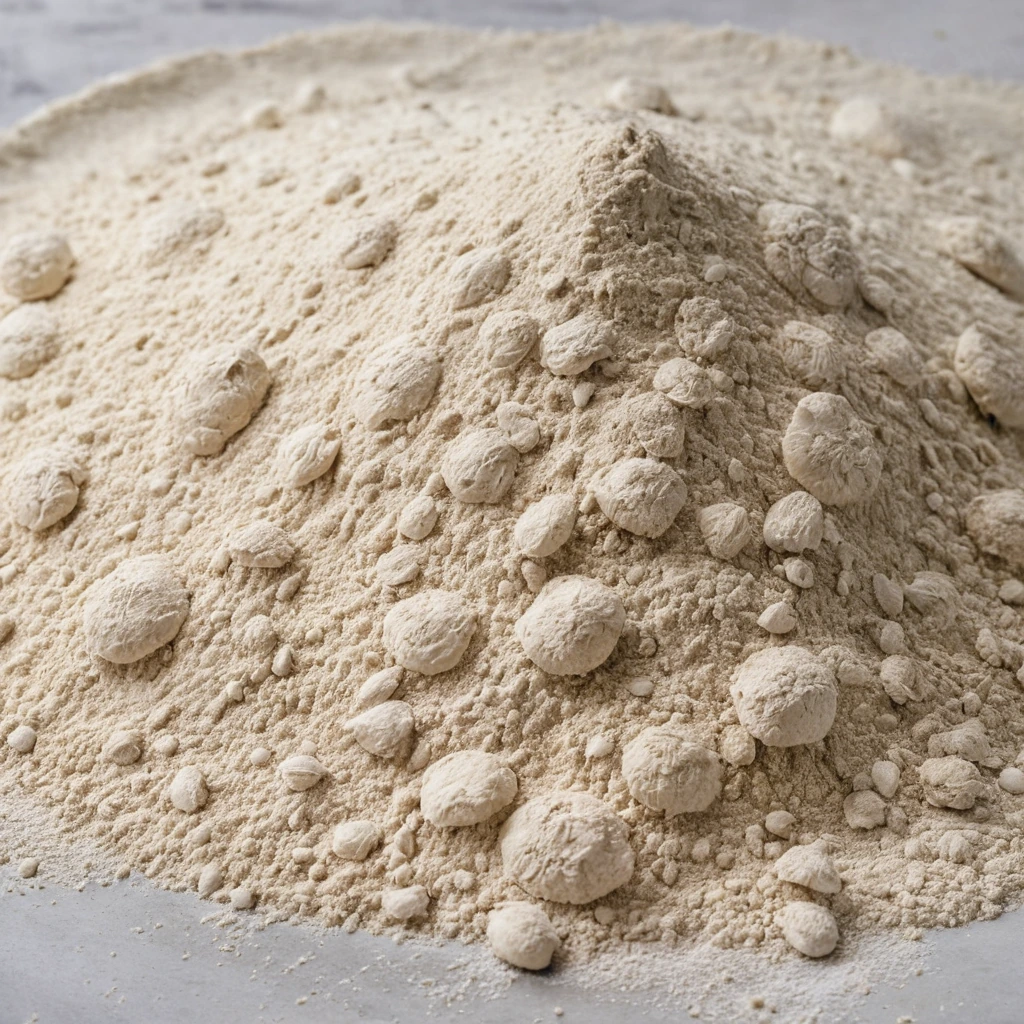
00 Pizza Flour
00 pizza flour is a finely milled Italian flour prized for its versatility in creating authentic Neapolitan-style pizza crusts. Originating from Italy, it is milled to a very fine consistency, which is reflected in its name, 'doppio zero,' indicating its fine grind. This flour has a balanced flavor profile, offering a mild, slightly sweet taste with a subtle nuttiness. Its texture is silky and smooth, contributing to a tender yet chewy crust when used in pizza making. In cooking, 00 pizza flour is known for its ability to hydrate quickly and develop a desirable gluten structure, resulting in a light and airy crust that can withstand high-heat cooking without becoming overly crispy or hard.
Recipes to try
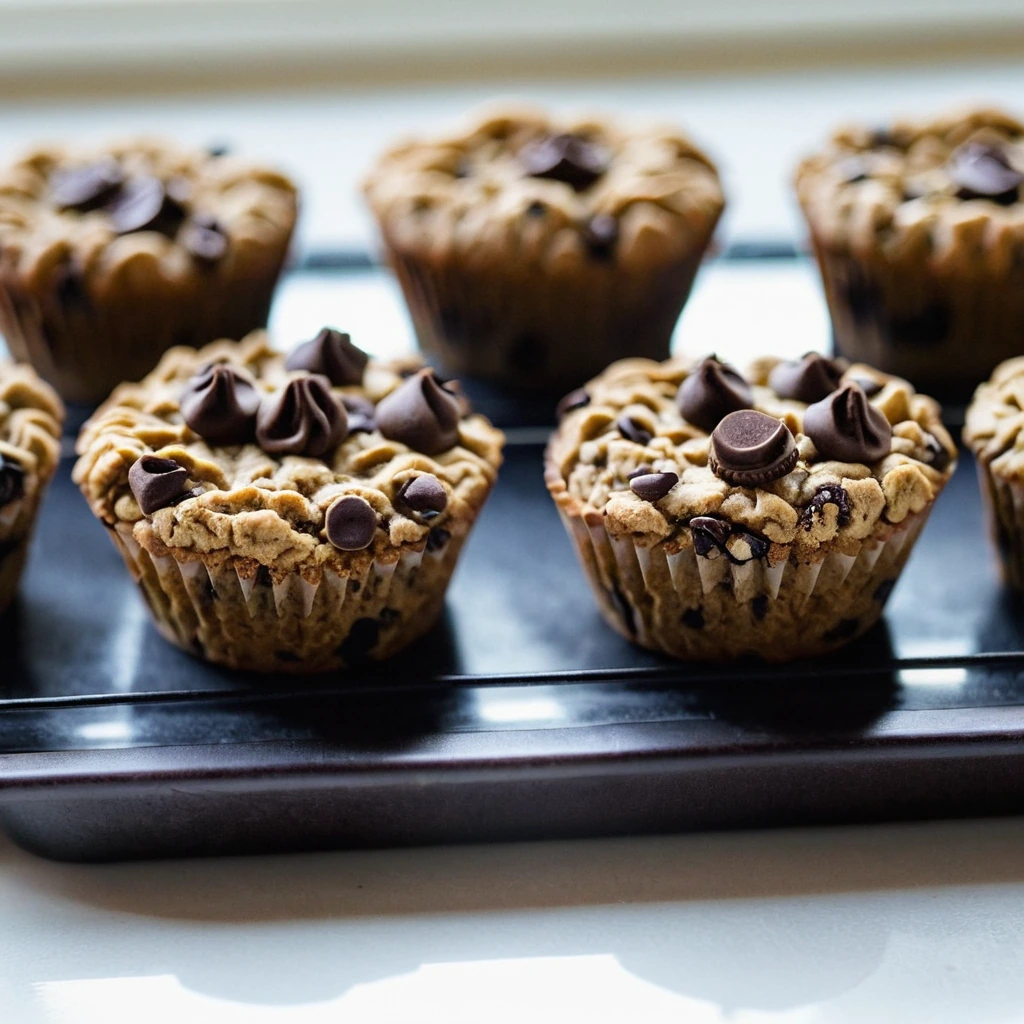
Peanut Butter Chocolate Chip Baked Oat Cups
These oat cups are a cozy hug in every bite, with gooey chocolate chips and a rich peanut butter swirl that makes mornings worth waking up for.
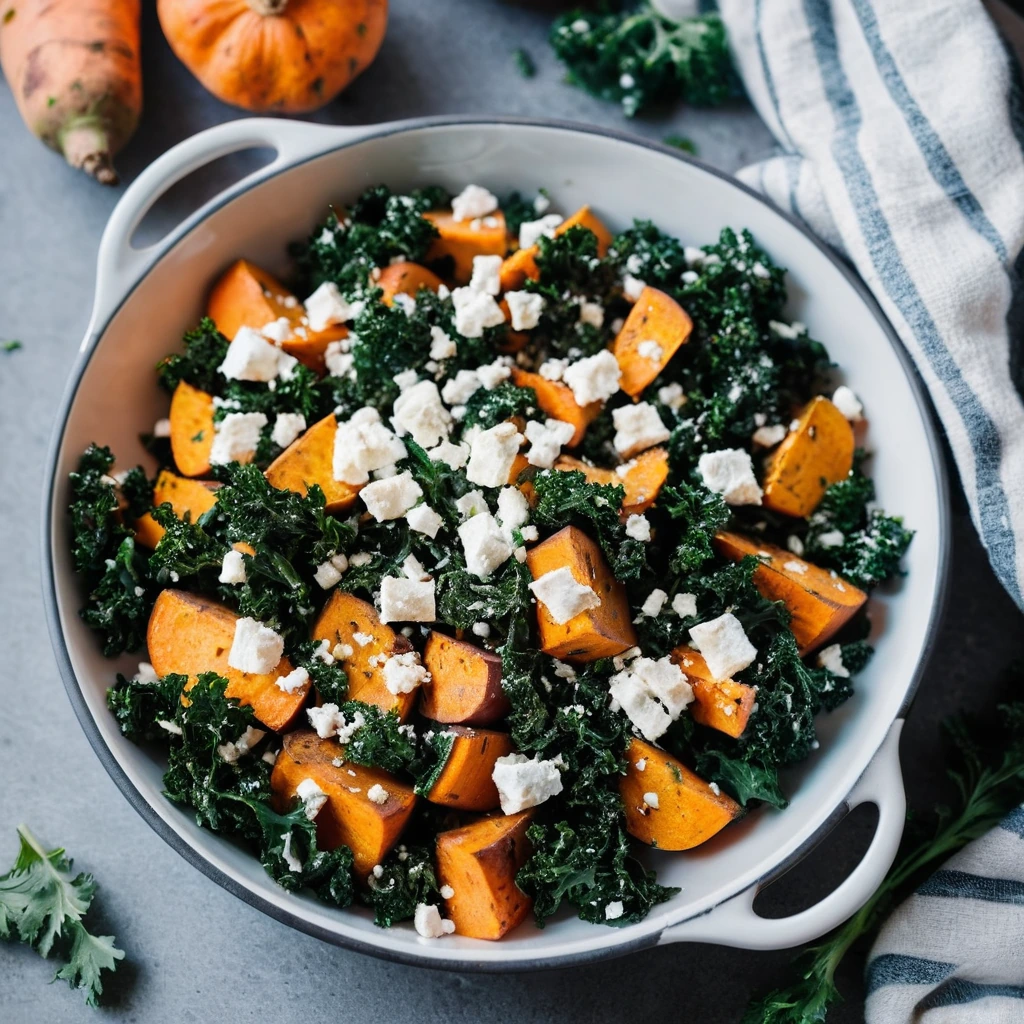
Sweet Potato and Kale Skillet with Feta
Golden roasted sweet potatoes and tender kale come together in a skillet, kissed by tangy feta and a whisper of garlic.