Stock and Stew Technique: Using Leftover Bones for Second-Use Stock
Creating a rich, flavorful stock from leftover bones is an art that transforms kitchen scraps into culinary gold. It’s a sustainable approach that maximizes the potential of your ingredients, reducing waste while enhancing your cooking repertoire. The essence of this technique lies in extracting every ounce of flavor from bones that have already served their purpose once. Whether they're from a roasted chicken, a hearty beef roast, or any other protein, these bones still hold onto layers of taste waiting to be unlocked. The key to success is patience, attention to detail, and a few culinary tricks to ensure clarity and depth. This technique not only provides a practical solution to the question of what to do with bones but also introduces home cooks to the foundational skill of stock-making. Understanding the nuances of simmering, skimming, and seasoning will elevate your soups, stews, and sauces to professional standards. Moreover, this method aligns with the principles of nose-to-tail cooking, encouraging a respectful and resourceful approach to food preparation.
Notes
The science behind stock-making lies in the gradual extraction of collagen from the bones, which turns into gelatin, giving stock its body and richness. The gentle simmering allows flavors to meld without clouding the stock with impurities. Common mistakes include boiling the stock, which can lead to a cloudy result, and not skimming off impurities, which can affect clarity and taste. Always start with cold water to ensure a gradual extraction of flavors. As for safety, ensure all bones are properly cooled before roasting or simmering to avoid thermal shock. For make-ahead convenience, freezing stock in ice cube trays creates easy portions for recipes requiring smaller amounts.
Steps
- 1 Collect clean, cooled leftover bones in a large stockpot.
- 2 Optional: Roast the bones in a preheated 400°F oven for 20-30 minutes to deepen flavor.
- 3 Place the bones in the stockpot and cover with cold water by about 2 inches.
- 4 Add aromatics like onion, carrot, celery, and herbs such as parsley and thyme.
- 5 Slowly bring the water to a simmer over medium heat, skimming any foam or impurities from the surface.
- 6 Reduce heat to low and maintain a gentle simmer for 6 to 8 hours, partially covered.
- 7 Occasionally skim off any impurities that rise to the surface during simmering.
- 8 After simmering, remove the pot from heat and let it cool slightly before straining the stock through a fine-mesh sieve.
- 9 Discard the solids and let the stock cool completely.
- 10 Skim any remaining fat from the surface once the stock has chilled.
- 11 Portion the stock into airtight containers or freezer bags.
- 12 Label and store in the refrigerator for up to 5 days or freeze for up to 3 months.
Ingredients to explore

Anaheim Peppers
Anaheim peppers are a mild chili pepper variety named after Anaheim, California, where they were first cultivated commercially. Originating from the New Mexico region, these peppers are celebrated for their versatility and gentle heat. They possess a flavor that is mildly sweet with a subtle tang, and a pleasant vegetal note reminiscent of green bell peppers, but with a hint of spice. Their texture is firm and crisp when fresh, becoming tender and slightly smoky when roasted or cooked. In cooking, Anaheim peppers behave well across a range of techniques, from grilling and roasting to stuffing and sautéing, contributing a nuanced depth without overwhelming other ingredients with heat.
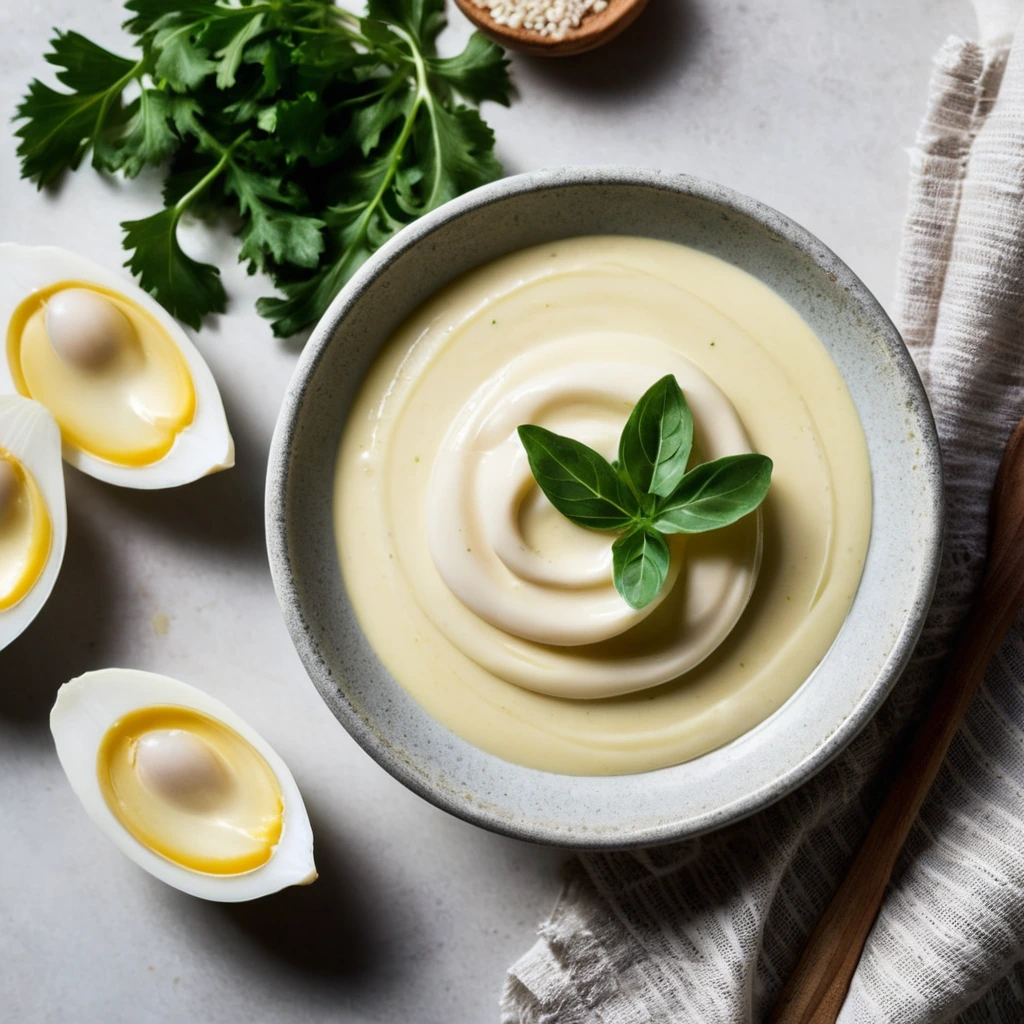
Aioli
A luscious, velvety emulsion of garlic and olive oil, aioli is a rich and aromatic sauce that dances on the palate with its creamy texture and bold, pungent flavor.
Recipes to try
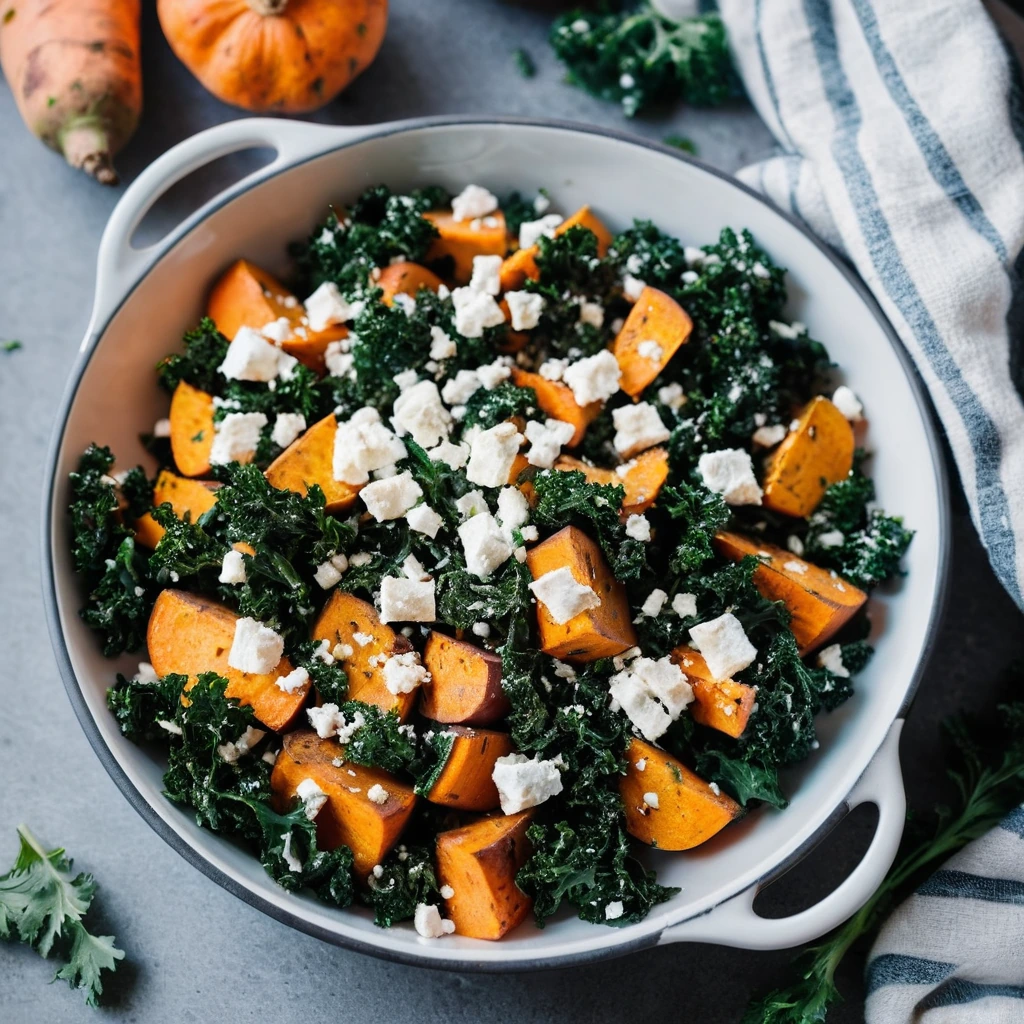
Sweet Potato and Kale Skillet with Feta
Golden roasted sweet potatoes and tender kale come together in a skillet, kissed by tangy feta and a whisper of garlic.
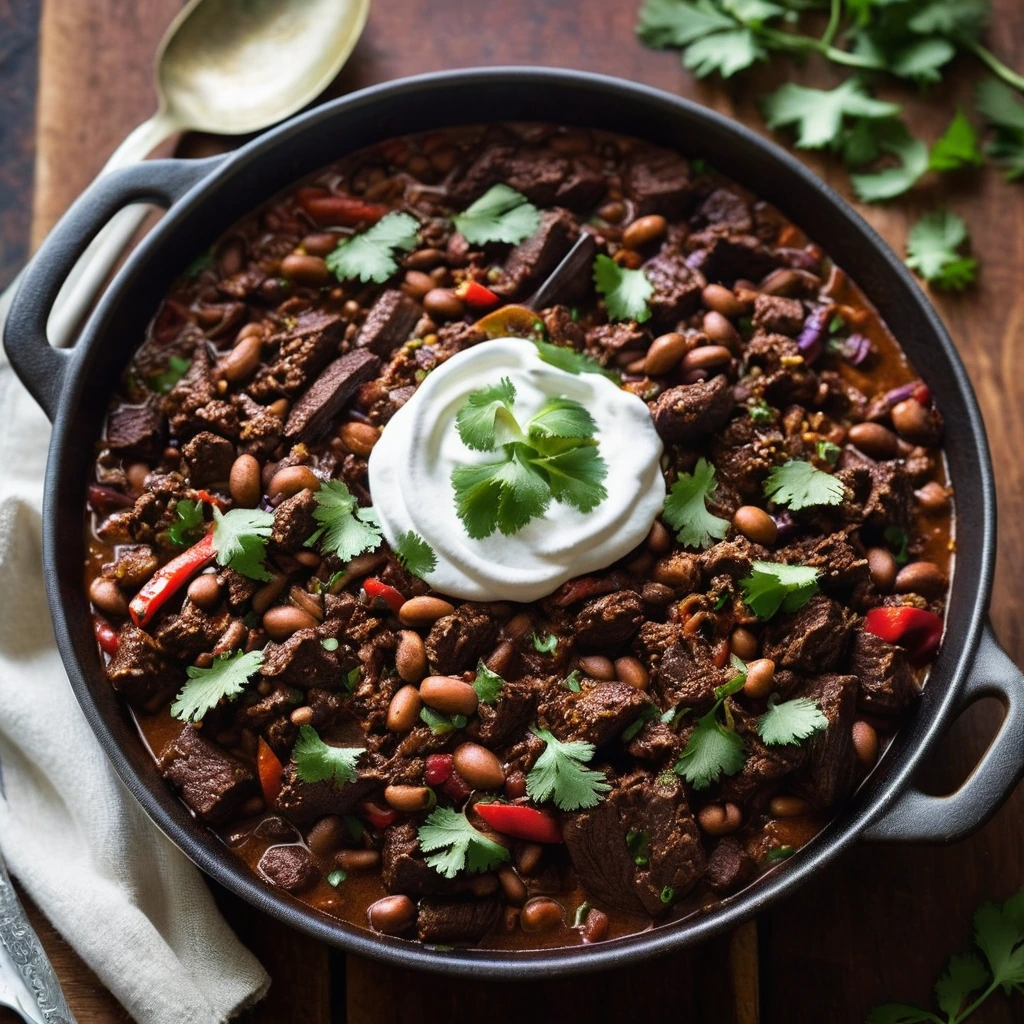
Smoky Ancho Chili Beef and Bean Skillet
Rich, smoky, and deeply satisfying, this skillet dish combines tender beef with hearty beans for a comforting meal.