Stock and Stew Technique: Using Bones and Scraps Instead of Waste
Creating rich, flavorful stock and hearty stews doesn't have to start with a hefty price tag. This technique focuses on transforming kitchen scraps and bones into culinary gold. It's all about embracing the essence of sustainability in cooking, turning what might be considered waste into a nourishing base for soups, gravies, and stews. By understanding how to extract the maximum flavor from bones and scraps, home cooks can elevate their dishes while reducing food waste. The process starts with roasting bones to develop deep, savory flavors, followed by simmering them with aromatic vegetables and herbs to create a stock that forms the backbone of countless recipes. This technique is not just practical; it's a nod to traditional methods that have nourished families for generations. We'll delve into selecting the right bones, preparing your scraps, and balancing flavors to achieve a stock that's rich, clear, and full of umami. Along the way, you'll learn tips to avoid common pitfalls like over-salting or ending up with a cloudy stock. Whether you're a seasoned home cook or just starting your culinary journey, mastering this technique will add depth to your cooking and inspire you to see kitchen scraps in a new light.
Notes
The science behind stock-making lies in the slow extraction of collagen and minerals from bones, which creates a gelatinous texture and depth of flavor. Roasting bones first enhances the Maillard reaction, contributing to the stock's richness. Troubleshooting common mistakes includes avoiding a boil, which can cloud the stock, and ensuring you skim impurities regularly. Safety-wise, always use bones from trusted sources to avoid contamination. For make-ahead, stock freezes beautifully; just label and date your containers. Remember, a good stock is the foundation of many dishes, so don't rush the process.
Steps
- 1 Collect bones and scraps: Save vegetable peels, ends, and bones in a freezer bag until you have enough for a batch.
- 2 Prepare the bones: If using raw bones, roast them in a 400°F oven for 30-45 minutes until browned.
- 3 Prepare the scraps: Roughly chop vegetable scraps, excluding any peels with heavy pesticide use.
- 4 Start with a clean pot: Use a large stockpot and add a drizzle of olive oil.
- 5 Sauté aromatics: Sauté chopped onions, carrots, and celery in the pot until softened, about 5 minutes.
- 6 Deglaze the pot: Pour in a splash of water or wine to scrape up any browned bits from the bottom.
- 7 Combine ingredients: Add the roasted bones, prepared scraps, and any herbs like bay leaves or thyme.
- 8 Cover with water: Add enough cold water to cover everything by about 2 inches.
- 9 Simmer gently: Bring the mixture to a boil, then reduce to a simmer. Skim off any foam that rises to the surface.
- 10 Simmer time: Let it simmer uncovered for 4-6 hours for chicken bones, or 8-12 hours for beef bones.
- 11 Strain the stock: Carefully pour the stock through a fine-mesh sieve into a clean container.
- 12 Cool quickly: Let the stock cool rapidly by placing the container in an ice bath.
- 13 Skim fat: Once cooled, skim off any solidified fat from the surface.
- 14 Store properly: Refrigerate for up to 5 days or freeze for longer storage.
Ingredients to explore
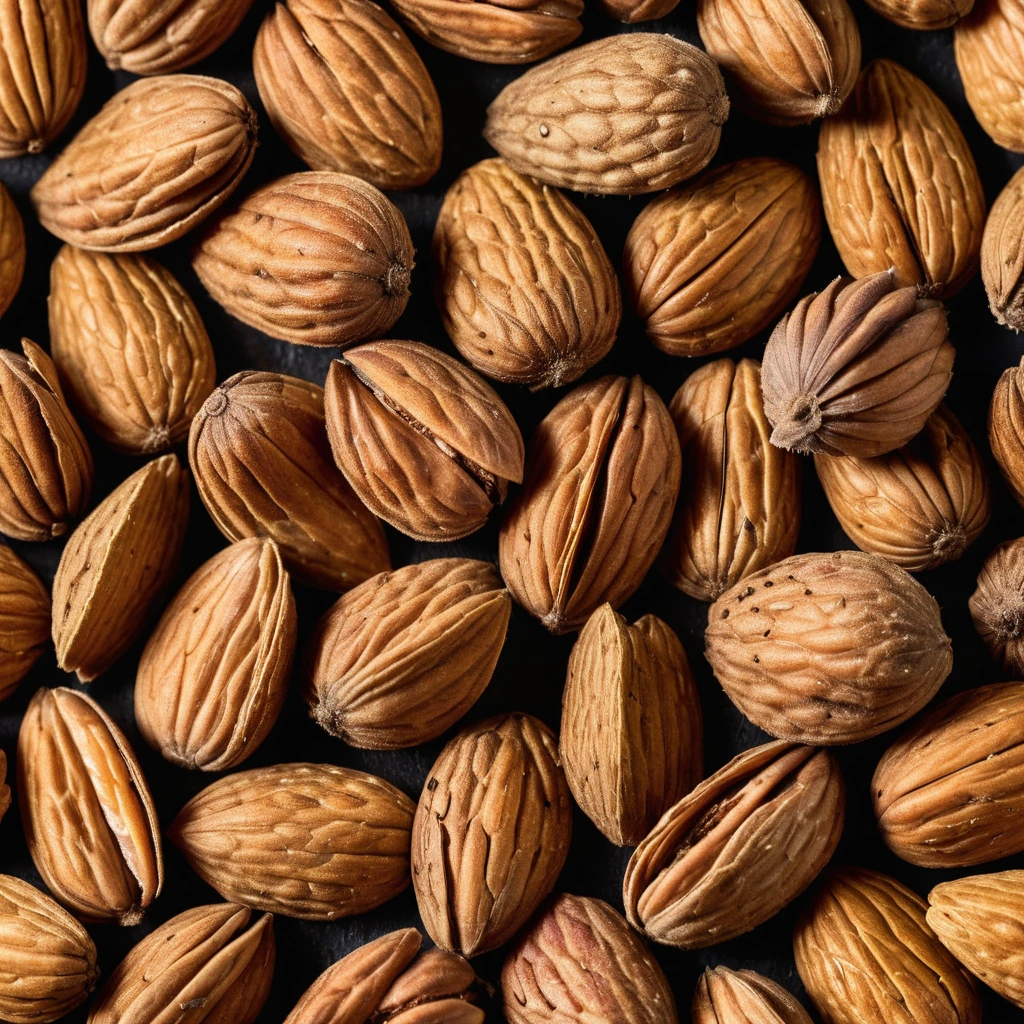
Almonds
With their golden-brown hue and delicate, edible skin, almonds are a crunchy delight. These versatile nuts boast a rich, buttery flavor that adds depth to both sweet and savory dishes.
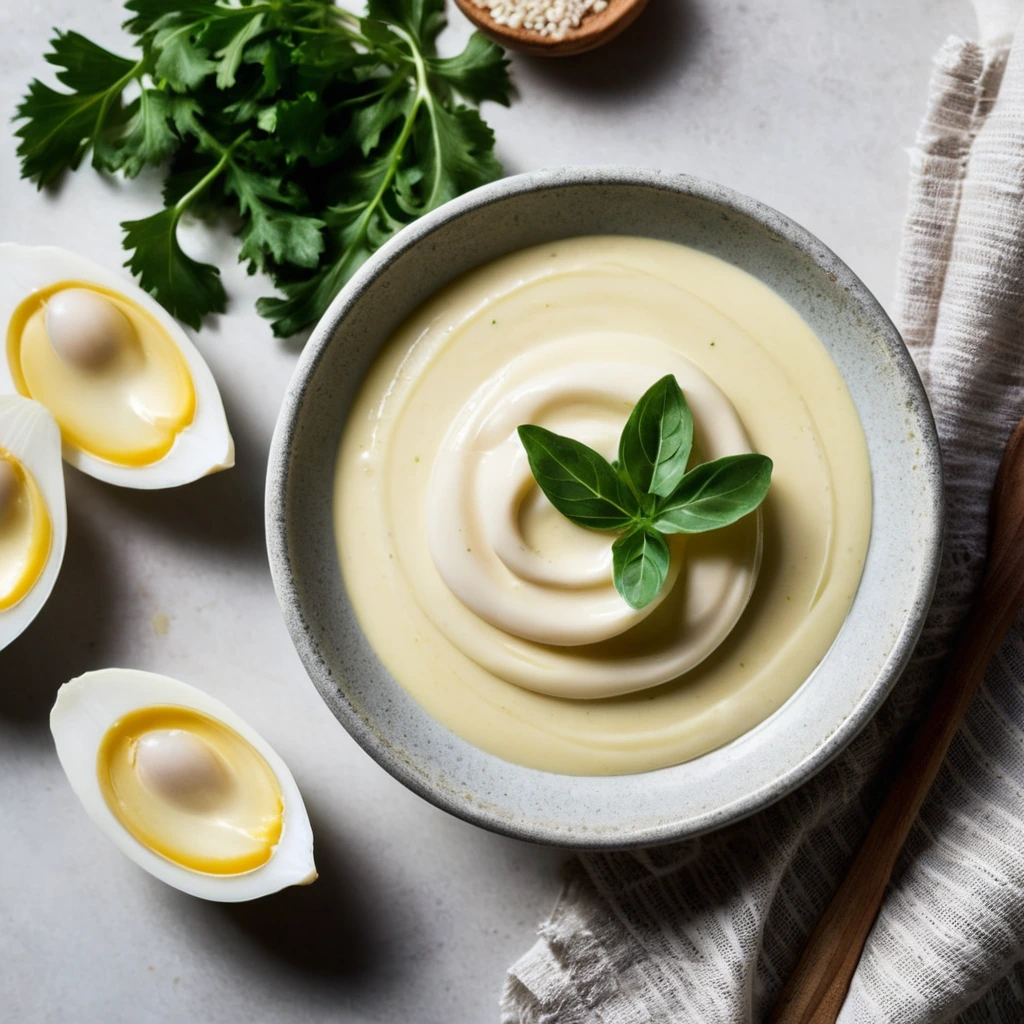
Aioli
A luscious, velvety emulsion of garlic and olive oil, aioli is a rich and aromatic sauce that dances on the palate with its creamy texture and bold, pungent flavor.
Recipes to try

Sweet Chili Pork Noodle Bowls
Tender pork and chewy noodles are smothered in a tangy, sweet chili sauce that'll have you coming back for seconds.
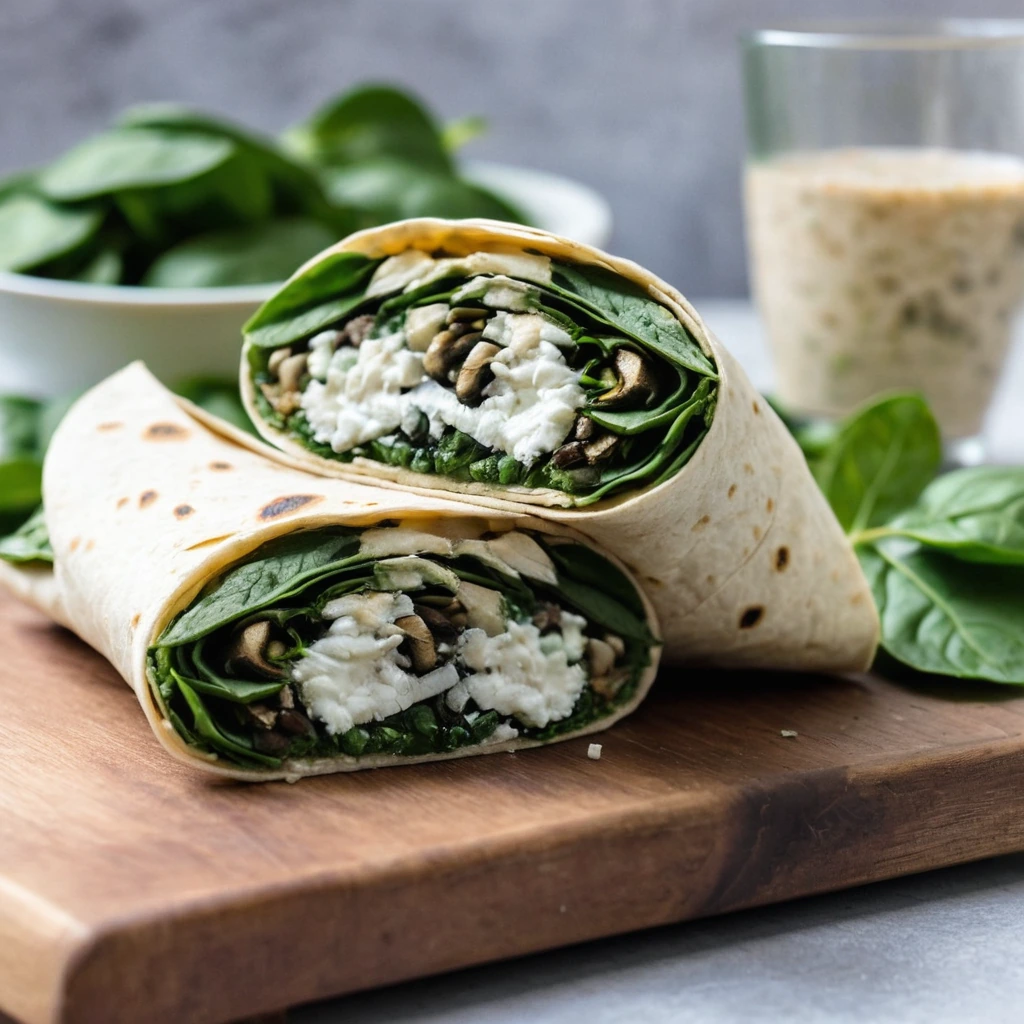
Spinach, Mushroom, and Feta Breakfast Wraps
These wraps are a cozy morning hug in a tortilla—creamy feta, earthy mushrooms, and vibrant spinach meld into a hearty breakfast.