Stock and Stew Technique: Timing Vegetables in Long Simmered Dishes
Creating a rich, flavorful stock or stew is an art that involves understanding how different vegetables behave when simmered for long periods. The timing of when you add vegetables can drastically affect the texture, color, and taste of your final dish. Adding them too early might result in mushy vegetables, while adding them too late could leave them undercooked and raw. This technique dives into the nuances of timing vegetables in long-simmered dishes to ensure they contribute optimally to your stock or stew. Understanding the science behind vegetable breakdown and how flavors develop over time will elevate your cooking, giving you the confidence to adjust recipes to your liking. From hearty winter stews to clear, aromatic stocks, mastering this technique will transform your culinary creations.
Notes
The science behind this technique lies in the breakdown of pectin, a structural polysaccharide in plant cell walls. Simmering vegetables gently allows pectin to dissolve, contributing to a stock's body and a stew's thickness. Avoid boiling vigorously, as this can break down vegetables into a mushy mess. A common mistake is overcrowding the pot, which can lead to uneven cooking and sogginess. For storage, let your stew or stock cool before refrigerating for up to 4 days, or freeze for up to 3 months. Reheating gently will preserve texture.
Steps
- 1 Prepare your vegetables by washing, peeling, and chopping them into uniform sizes for even cooking.
- 2 Start with aromatic vegetables like onions, carrots, and celery, sautéing them in a large pot over medium heat until softened.
- 3 Add harder vegetables such as potatoes or winter squash early in the cooking process to allow them ample time to tenderize.
- 4 Incorporate leafy greens and herbs like kale or spinach towards the end of cooking to preserve their color and texture.
- 5 If using delicate vegetables like zucchini or bell peppers, add them in the last 30 minutes of simmering.
- 6 Monitor the liquid level and add water or broth as needed to maintain desired consistency.
- 7 Simmer your stew or stock gently, keeping the temperature between 180°F and 200°F to extract flavors without breaking down vegetables too quickly.
- 8 Taste and adjust seasoning towards the end of cooking, allowing time for the flavors to meld.
- 9 Finish with fresh herbs or a splash of acidity, like lemon juice or vinegar, just before serving.
Ingredients to explore
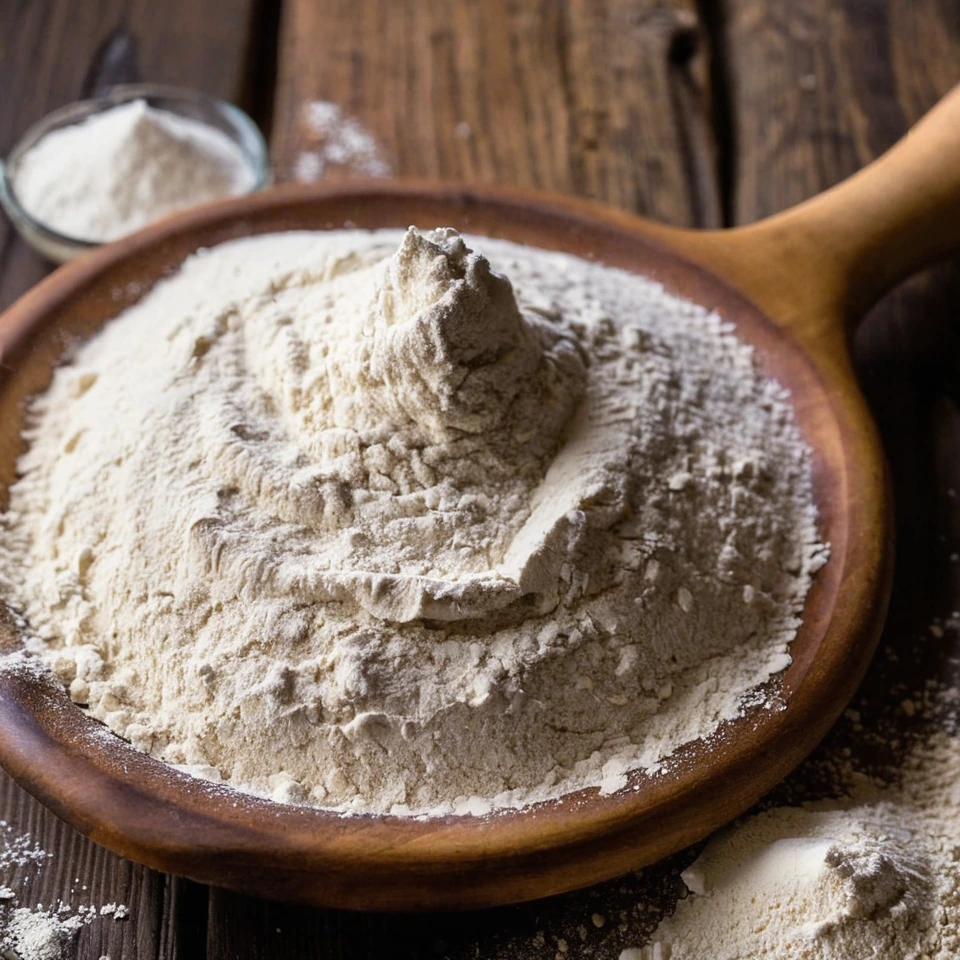
All-Purpose Flour
All-purpose flour is a versatile wheat flour that contains a moderate level of protein and gluten, making it suitable for a wide range of baking and cooking needs.
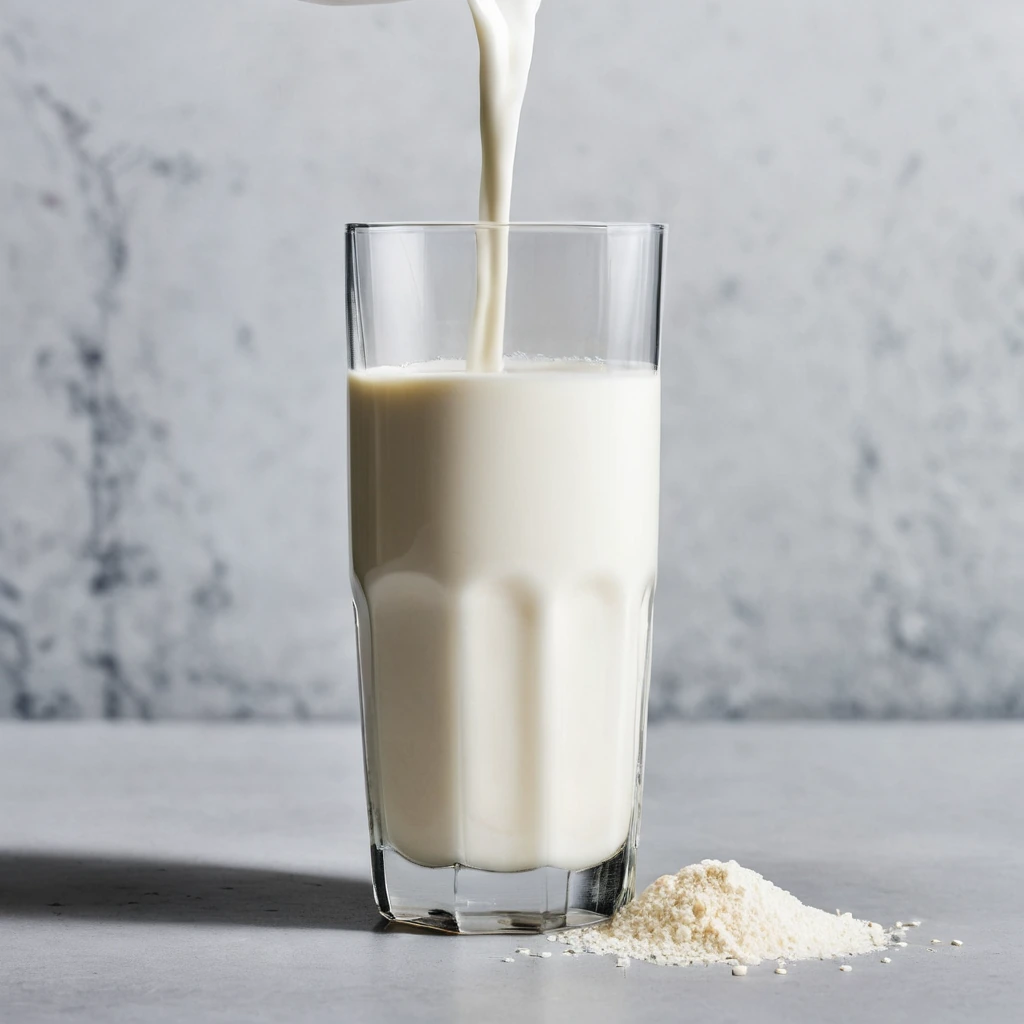
2% Milk
Creamy and just a touch lighter than whole milk, 2% milk offers a perfect balance of richness and reduced fat. Its smooth texture and subtle sweetness make it a delightful choice for sipping or cooking.
Recipes to try
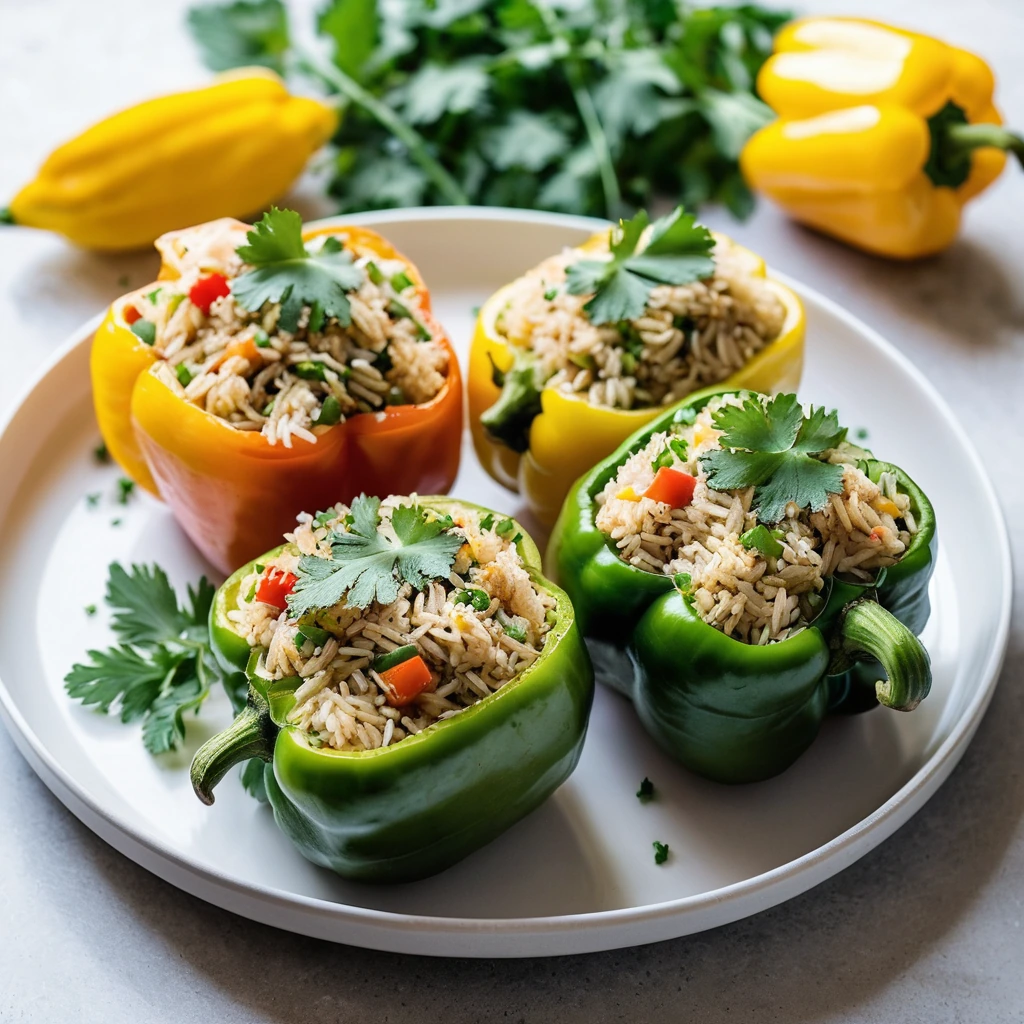
Lemon Garlic Chicken and Rice Stuffed Peppers
Bright and tangy lemon garlic chicken nestled in fluffy rice, all wrapped up in juicy bell peppers for a zesty comfort meal.
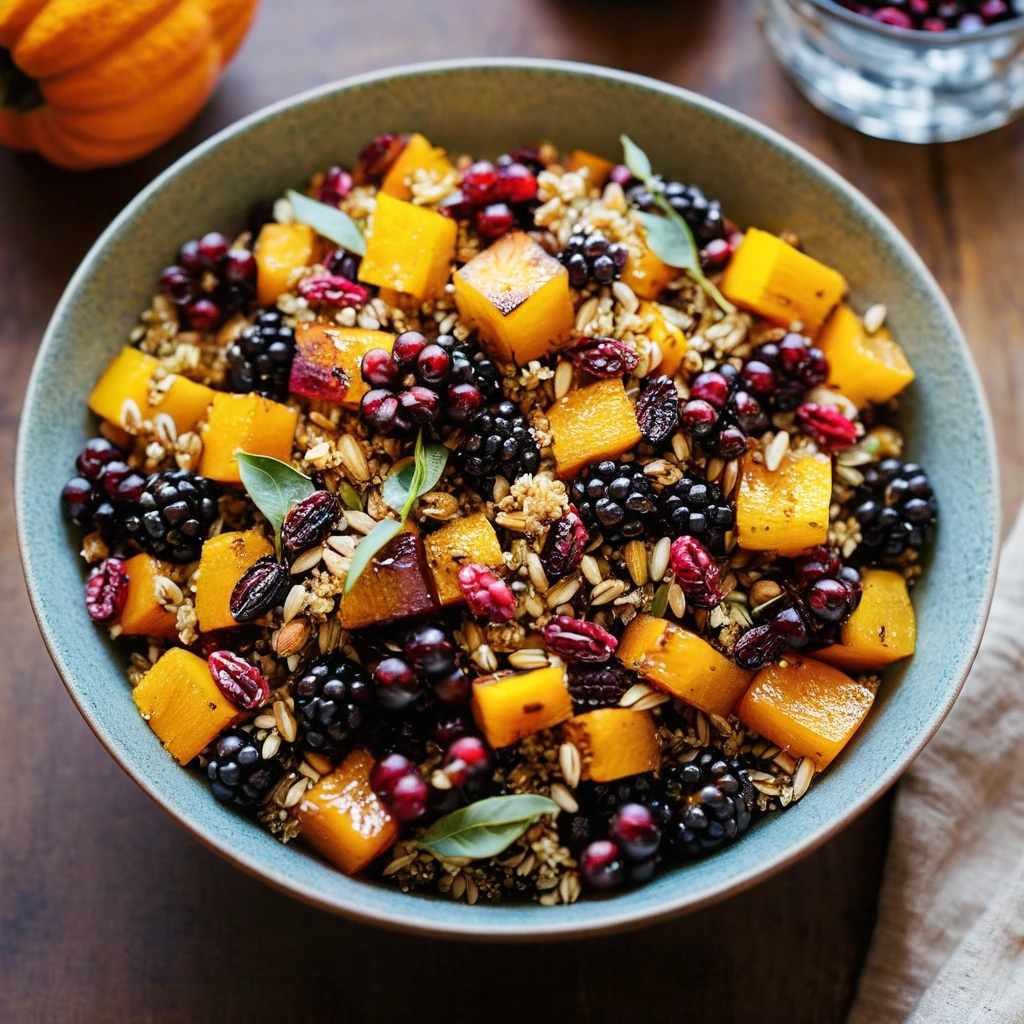
Warm Quinoa Salad with Roasted Squash and Cranberries
A cozy mix of nutty quinoa, tender roasted squash, and sweet cranberries makes this salad a fall favorite.