Stock and Stew Technique: Skimming Foam for Clear Broths
Creating clear, flavorful broths is an art that hinges on mastering the technique of skimming foam. This seemingly simple act can elevate your homemade stocks and stews from murky to pristine. As proteins break down during cooking, impurities rise to the surface, forming a layer of foam. If left unaddressed, this foam can cloud your broth and impart off-flavors. Skimming is a straightforward yet crucial skill that ensures your broth remains crystal clear and tastes its best. It requires patience and diligence, but the rewards are well worth the effort. First, understanding when and how to skim is essential. Ideally, you should begin skimming as soon as the impurities start to surface, usually within the first 30 minutes of simmering. Use a fine-mesh skimmer or a slotted spoon to gently remove the foam without disturbing the rest of the liquid. This process is not just about aesthetics; it's about enhancing the overall quality of your broth. Skimming also helps to reduce excess fat, which can float to the surface as the broth cools. This technique is particularly important when making delicate consommés, where clarity is paramount. However, even for everyday stocks and stews, skimming can make a noticeable difference. Keep in mind that skimming is an ongoing task, not a one-time action. As proteins continue to break down, more foam will form, requiring your attention. Regularly check your pot and skim as needed. With practice, you’ll develop an eye for the right moment to skim and the finesse to do it effectively. Remember, the clearer the broth, the better it will showcase the flavors of the ingredients you’ve lovingly simmered into it. Whether you're making a classic chicken stock or a rich beef stew, mastering the art of skimming will set your culinary creations apart.
Notes
Skimming foam works because it removes impurities and excess proteins that can cloud your broth and affect its flavor. The science behind it is simple: as proteins break down, they coagulate and rise to the surface. By removing them early, you prevent these impurities from breaking down further and releasing undesirable compounds. A common mistake is to stop skimming once the initial foam is gone; remember, it’s an ongoing process. To troubleshoot, ensure your heat is low enough to maintain a gentle simmer, as a rolling boil can introduce more impurities. Safety is not a major concern here, but always use oven mitts when handling hot pots. For storage, allow the broth to cool completely before refrigerating or freezing. Properly skimmed broth can be stored in an airtight container for up to 5 days in the fridge or 3 months in the freezer.
Steps
- 1 Bring your stock or stew to a gentle simmer over medium heat.
- 2 Observe the surface closely as proteins begin to rise.
- 3 Once foam starts to appear, gently skim it off with a fine-mesh skimmer or slotted spoon.
- 4 Discard the skimmed foam in a separate bowl or container.
- 5 Continue skimming throughout the cooking process, checking every 15-20 minutes.
- 6 Avoid vigorous stirring or skimming that might disturb settled impurities.
- 7 As the broth cools, skim off any solidified fat that rises to the surface.
- 8 Repeat skimming until the surface remains clear and free of foam.
- 9 Adjust heat as necessary to maintain a gentle simmer.
- 10 Proceed with your recipe once skimming is complete.
Ingredients to explore
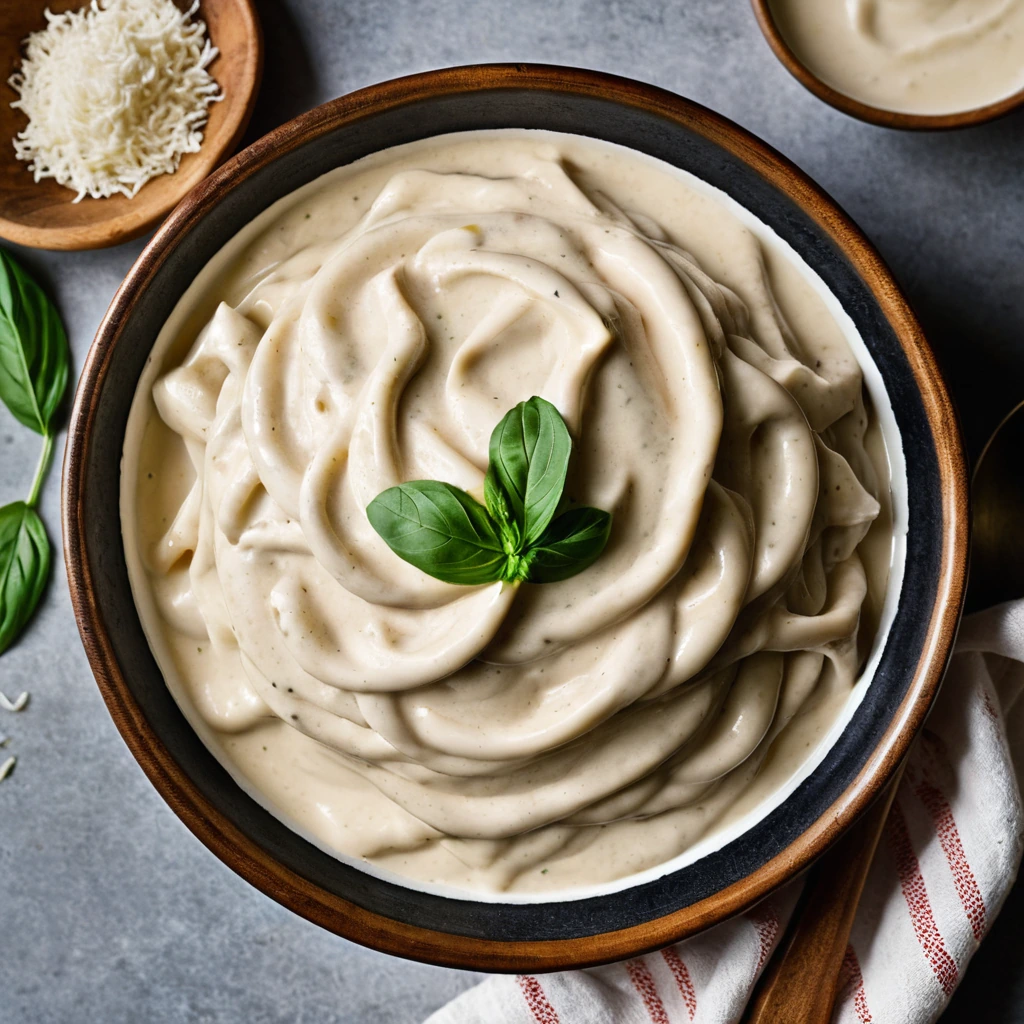
Alfredo Sauce
Creamy, rich, and utterly indulgent, Alfredo sauce is a dreamy blend of butter, heavy cream, and Parmesan cheese. Its velvety texture and savory depth make it a beloved staple in Italian-American cuisine.

Acorn Squash
Acorn squash is a winter squash variety known for its distinctive teardrop shape and deep ridges resembling the texture of an acorn shell. Originating in the Americas, it has been cultivated for centuries and is a staple in autumn cuisine. The flesh is sweet and nutty with a hint of earthiness, offering a delightful contrast to savory dishes. Its texture is dense yet tender when cooked, making it ideal for roasting or pureeing. In cooking, acorn squash holds its shape well and absorbs flavors from herbs and spices, enhancing both its taste and versatility in recipes.
Recipes to try
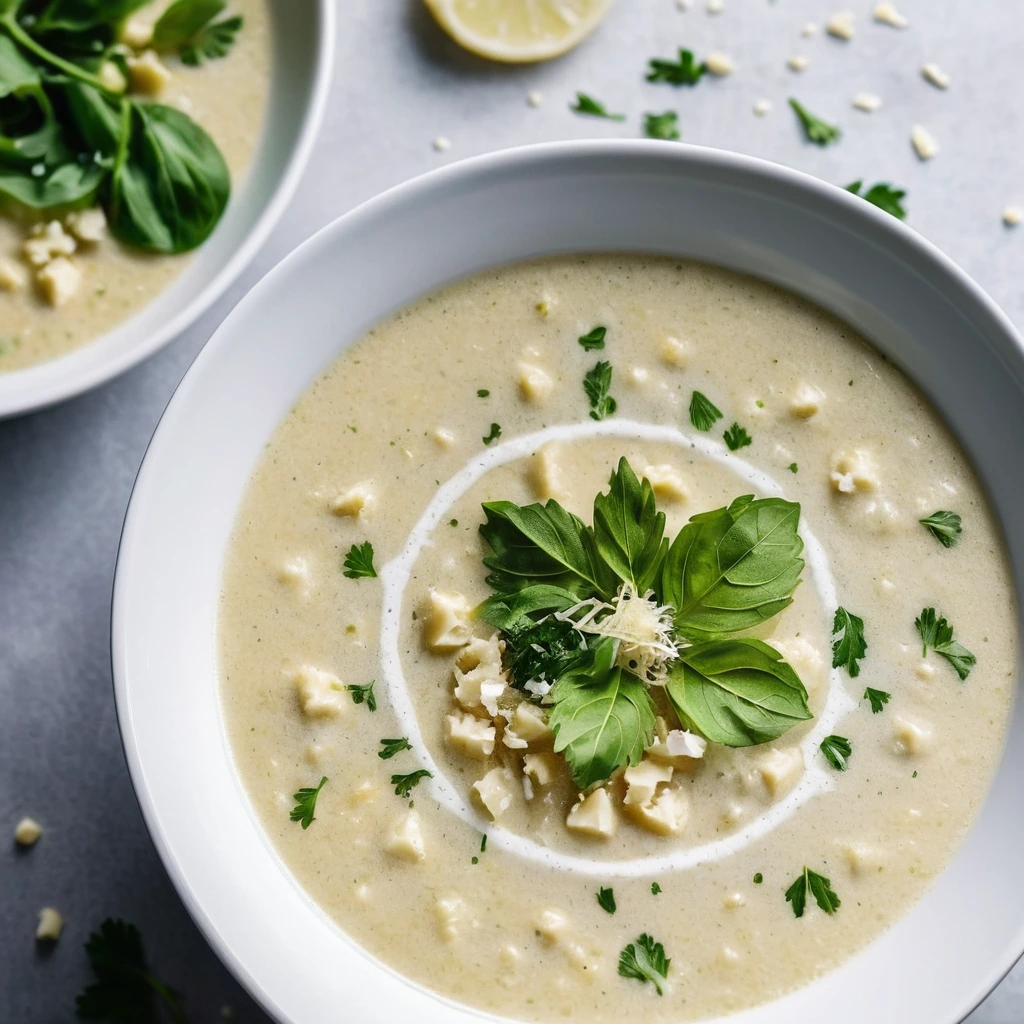
Roasted Cauliflower and Garlic Soup with Parmesan
This velvety soup is a symphony of roasted cauliflower and garlic, kissed with nutty Parmesan for a cozy, crave-worthy bowl.

Vanilla Yogurt Parfaits with Roasted Berries
Creamy vanilla yogurt layers kissed by sweet, smoky roasted berries create a parfait that's both comforting and refreshing.