Stock and Stew Technique: Layering Aromatics in Long Simmered Soups
Creating a deeply flavorful stock or stew begins with the careful layering of aromatics, a technique that builds complexity over time. Aromatics, such as onions, garlic, celery, and carrots, are the backbone of many soups and stews. When sautéed correctly, they release their natural sugars and create a foundation of flavor. This technique is about understanding the order and method of adding these ingredients to maximize their potential. Start by heating your pot over medium heat and adding a neutral oil, like vegetable or canola. The oil should shimmer but not smoke. Begin with harder vegetables like onions and celery, allowing them to soften and release their moisture. Next, add softer aromatics like garlic and leeks, ensuring they don't burn. Season sparingly at this stage to avoid masking the developing flavors. The goal is to create a golden base before introducing liquids. As the aromatics cook, they undergo the Maillard reaction, a chemical process that develops rich, savory notes. This step is crucial because it sets the stage for a stock or stew that will continue to deepen in flavor as it simmers. Remember, patience is key; rushing the process can lead to bitter or underdeveloped flavors. Finally, layering herbs and spices at the right moment enhances rather than overpowers the soup's character. This technique is not just about cooking vegetables; it's about orchestrating a symphony of flavors that will evolve beautifully over hours of simmering.
Notes
The science behind layering aromatics lies in the Maillard reaction and caramelization, processes that unlock deep flavors. To avoid common mistakes, ensure your heat is not too high, which can lead to burning and bitterness. For safety, always use oven mitts when handling hot pots and be cautious of splatters. If making ahead, let the soup cool before refrigerating in an airtight container for up to 3 days. For longer storage, freeze for up to 3 months. Thaw in the refrigerator before reheating gently on the stovetop to preserve the integrity of the flavors.
Steps
- 1 Heat a large pot over medium heat.
- 2 Add 2 tablespoons of neutral oil to the pot.
- 3 Once the oil shimmers, add diced onions and celery.
- 4 Cook, stirring occasionally, until softened, about 5 minutes.
- 5 Add minced garlic and leeks, cooking for another 2 minutes.
- 6 Season lightly with salt and pepper.
- 7 Stir until aromatics turn golden, about 3-4 minutes.
- 8 Deglaze the pot with a splash of water or wine to capture all browned bits.
- 9 Add remaining ingredients like broth, vegetables, and herbs.
- 10 Bring to a gentle simmer.
- 11 Reduce heat to low and let simmer uncovered for at least 1 hour.
- 12 Skim off any impurities that rise to the surface.
- 13 Adjust seasoning at the end of cooking.
- 14 Taste and adjust for salt, acidity, or richness.
Ingredients to explore
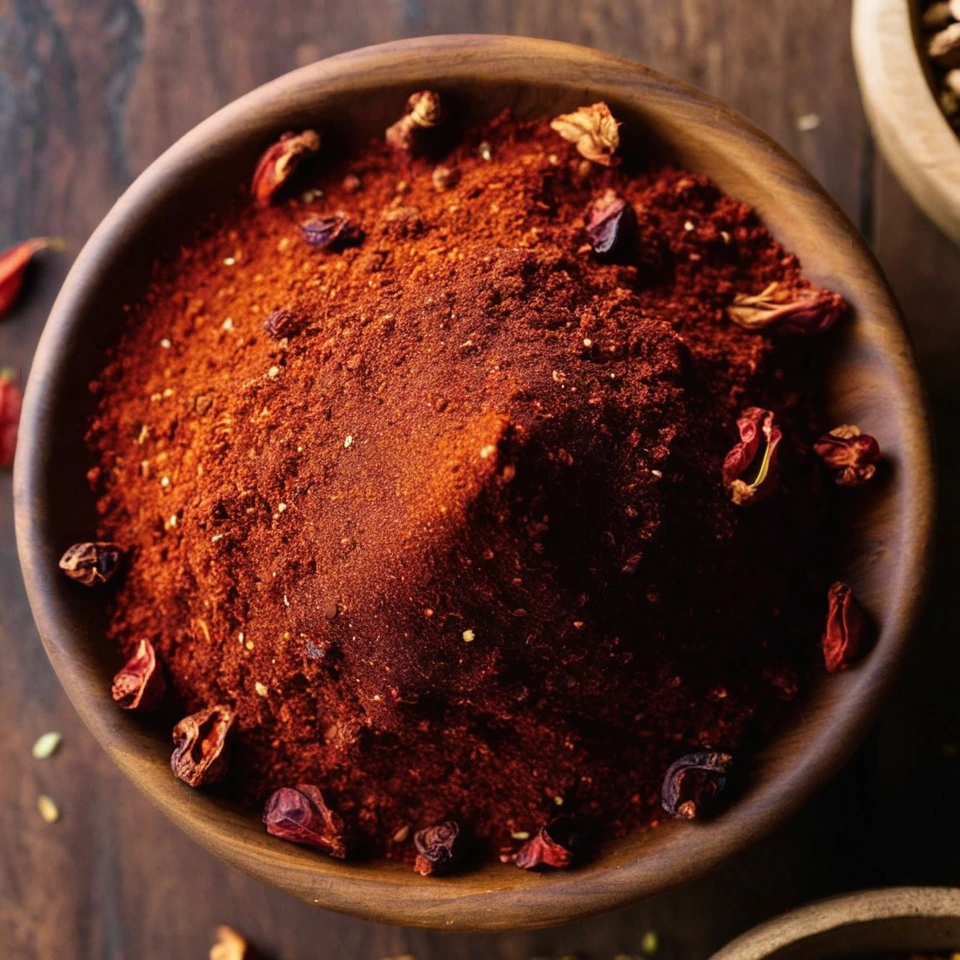
Aleppo Pepper
Aleppo pepper offers a harmonious balance of heat and sweetness, with a subtle fruity aroma reminiscent of sun-dried tomatoes and currants. Originating from the region around Aleppo, Syria, it has a fine, slightly coarse texture that shatters easily between fingers. Its mild yet complex flavor profile makes it a prized seasoning for enhancing dishes without overwhelming them. Valued for its versatility, it bridges the gap between spice and seasoning, bringing a touch of warmth and depth to a variety of cuisines.
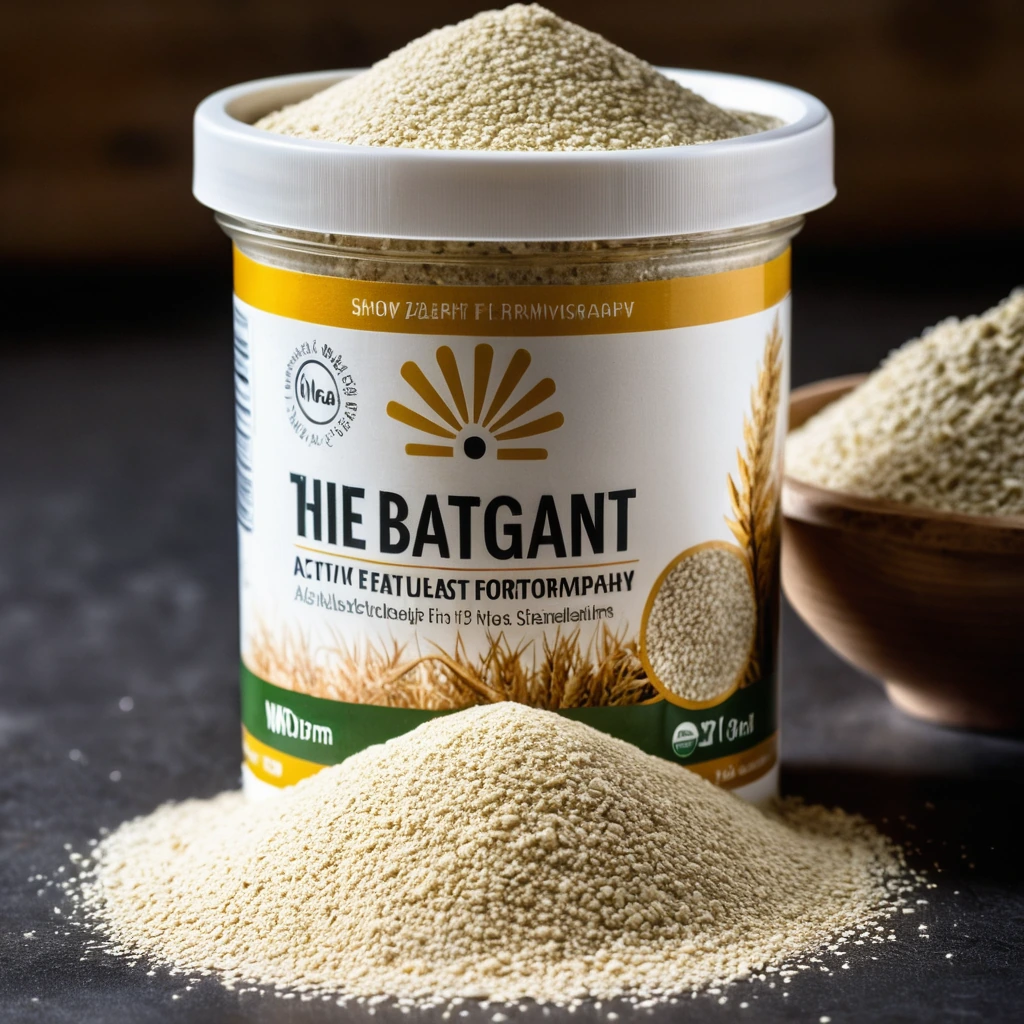
Active Dry Yeast
A fine, granulated leavening agent that brings baked goods to life with its gentle fermentation magic.
Recipes to try
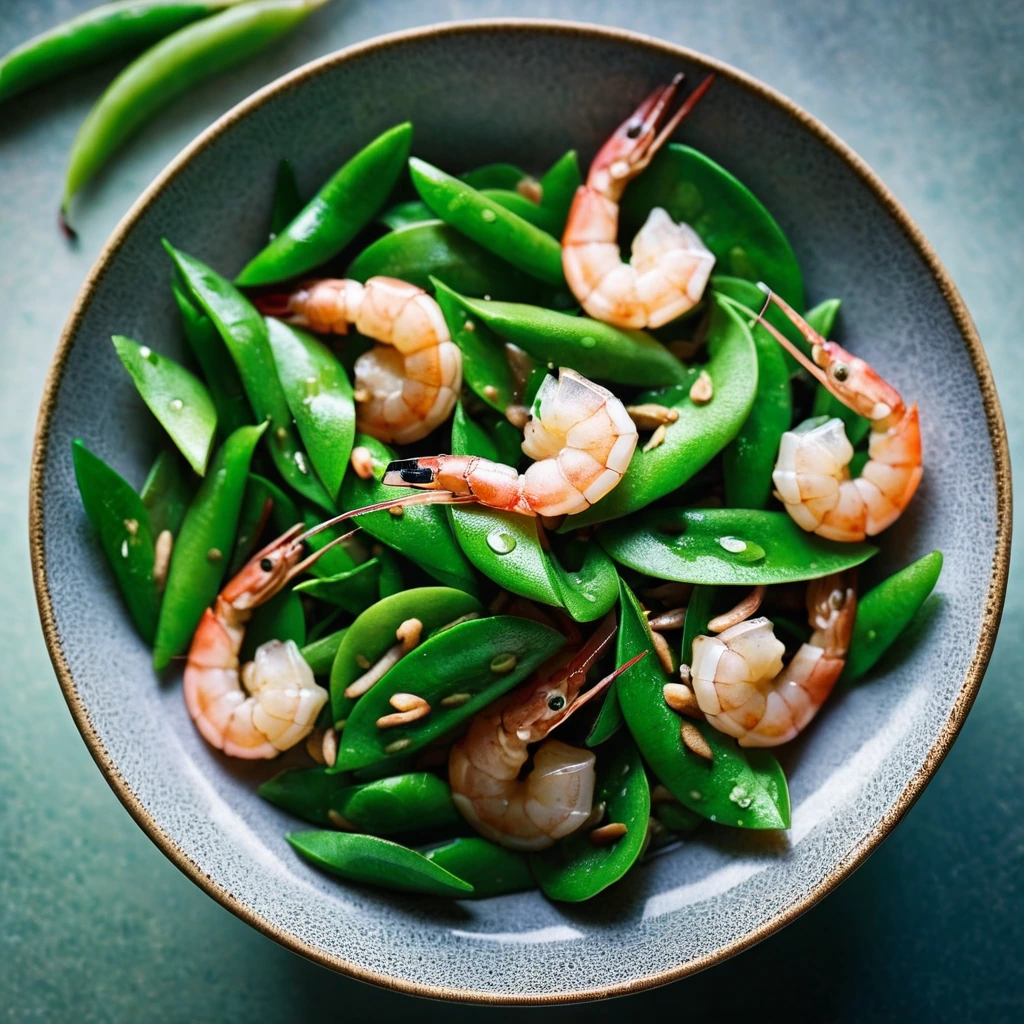
Shrimp and Snow Pea Stir Fry with Ginger
Succulent shrimp and crisp snow peas dance together in a fragrant, ginger-infused stir fry that's quick, zesty, and utterly satisfying.
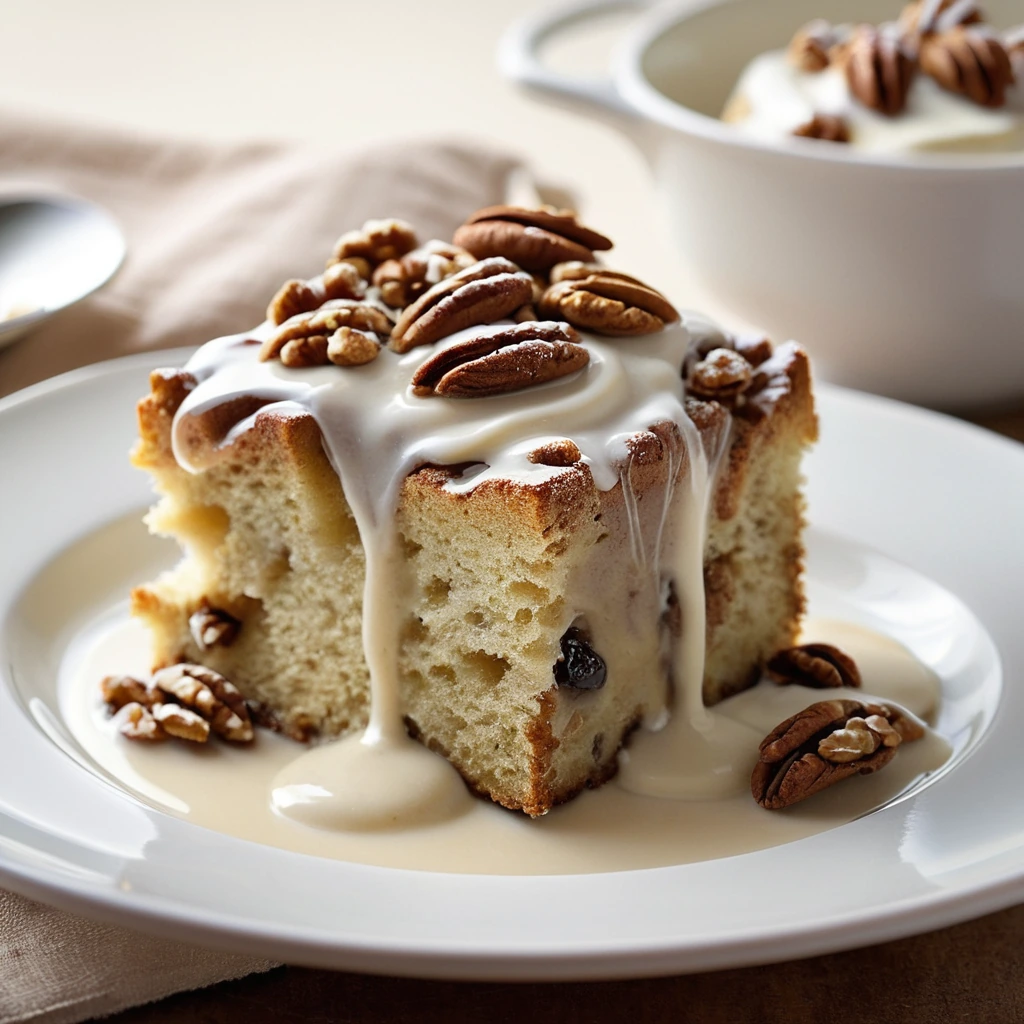
Maple Pecan Bread Pudding with Vanilla Sauce
Warm, spiced bread pudding drizzled with maple syrup and crunchy pecans, served with a silky vanilla sauce.