Stock and Stew Technique: Chilling Stock to Remove Fat Caps
Creating a rich, flavorful stock is an essential skill in any home cook's arsenal. However, one common issue that arises is the layer of fat that forms on top, which can affect both the flavor and texture of your dishes. The technique of chilling stock to remove fat caps is a simple yet effective method to ensure your stock is as clean and pure as possible. When stock cools, fat solidifies and forms a cap on the surface, making it easy to skim off. This process not only refines the stock's taste but also enhances its clarity. Understanding how to properly chill and defat stock is crucial for anyone looking to elevate their culinary creations. This method is particularly useful when preparing stews, soups, and sauces that rely on a clear, lean stock as their base. The science behind this technique is straightforward: fat has a higher melting point than water, so when the stock cools, fat solidifies while the liquid remains in its state. This separation allows for easy removal. We'll delve into the steps required to master this technique, along with tips for troubleshooting common issues and ensuring optimal results every time.
Notes
The science behind chilling stock to remove fat is based on the differing solidification points of fat and water. As the stock cools, fat solidifies and rises to the surface due to its lower density. This makes it easy to remove without affecting the stock's liquid base. Troubleshooting common mistakes includes ensuring the stock is adequately chilled; if fat remains liquid, the stock wasn't cold enough. Additionally, avoid rapid cooling methods like an ice bath, which can lead to undesirable texture changes in the stock. Safety is crucial when handling hot liquids, so always use oven mitts and let stock cool slightly before refrigeration. For make-ahead purposes, defatted stock freezes beautifully, allowing you to enjoy homemade stock whenever you need it.
Steps
- 1 Prepare your stock according to your preferred recipe.
- 2 Allow the stock to cool slightly at room temperature for about 30 minutes.
- 3 Transfer the stock to a large, shallow container to facilitate quicker chilling.
- 4 Cover the container with a lid or plastic wrap to prevent absorption of odors from the refrigerator.
- 5 Place the stock in the refrigerator and let it chill for at least 8 hours, or ideally overnight.
- 6 Once chilled, observe the solidified fat cap that has formed on the surface.
- 7 Using a large spoon or spatula, gently lift and remove the solidified fat cap from the stock.
- 8 For any remaining small fat particles, use a fine-mesh strainer or cheesecloth to skim the surface.
- 9 Discard the removed fat or reserve it for other culinary uses if desired.
- 10 Reheat the stock gently over low heat before using it in recipes.
- 11 Check for any additional fat that might have missed the initial removal and skim again if necessary.
- 12 Store the defatted stock in airtight containers in the refrigerator for up to 5 days or freeze for longer storage.
Ingredients to explore
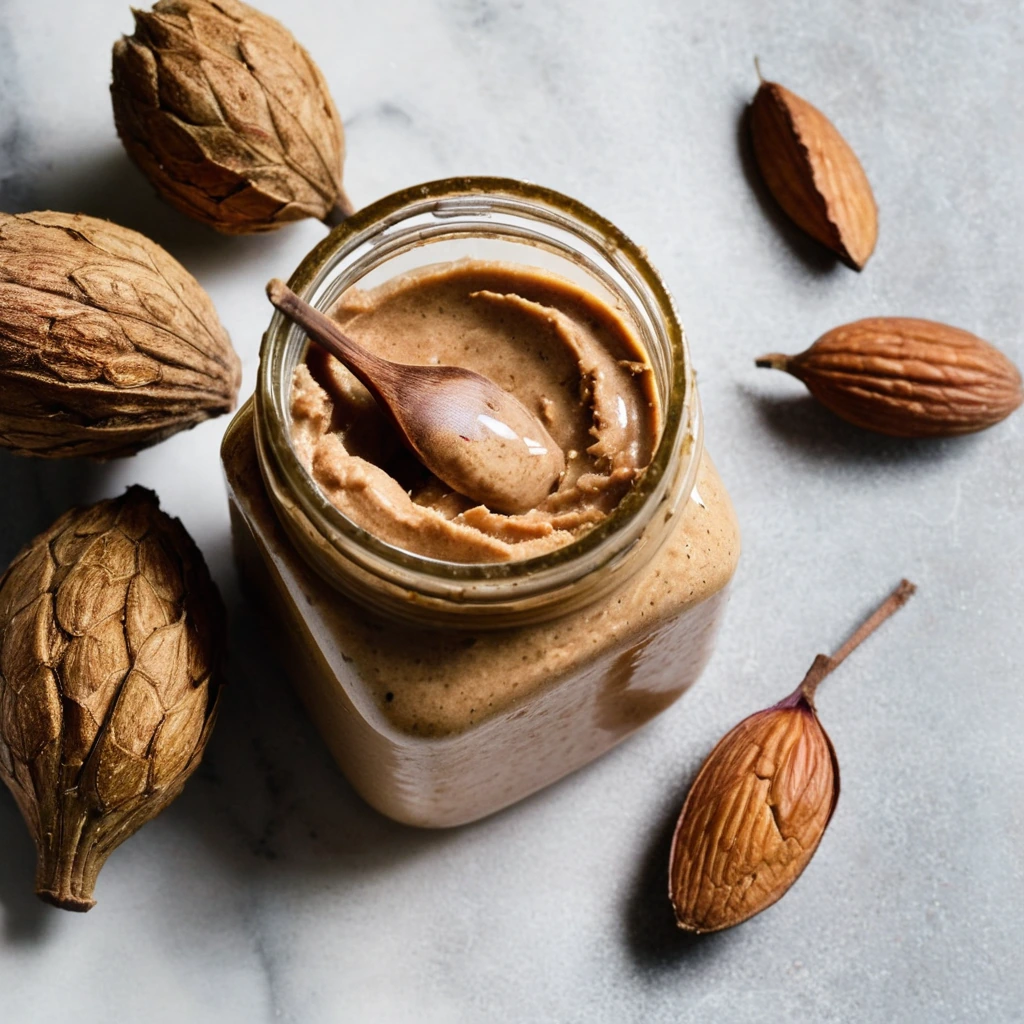
Almond Butter
A velvety, nutty spread crafted from finely ground almonds, offering a rich and satisfying flavor that's both comforting and indulgent.
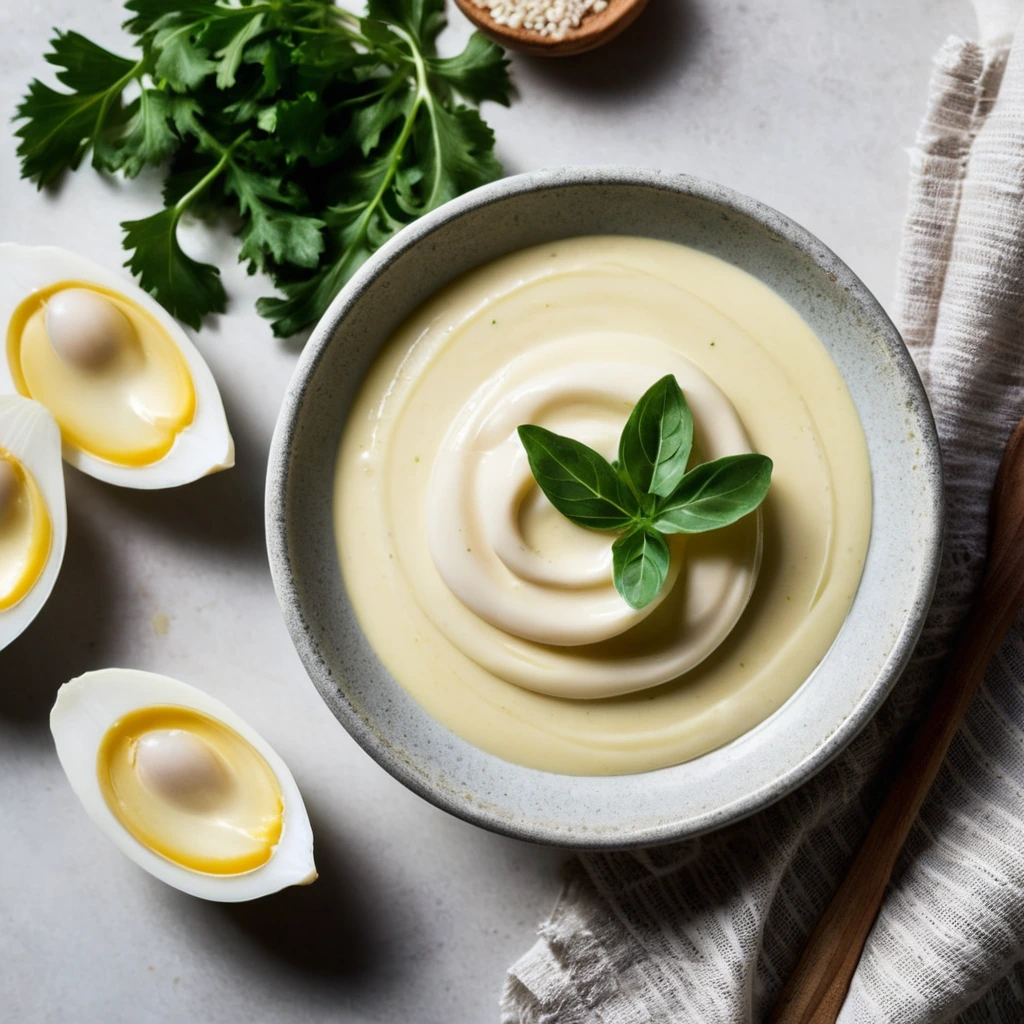
Aioli
A luscious, velvety emulsion of garlic and olive oil, aioli is a rich and aromatic sauce that dances on the palate with its creamy texture and bold, pungent flavor.
Recipes to try

Sweet Potato and Black Bean Loaded Nachos
Crispy tortilla chips piled high with roasted sweet potatoes, black beans, and melty cheese, all topped with fresh cilantro and a zesty lime kick.

Thai Chicken Coconut Noodle Soup
Warm and fragrant, this soup is a symphony of coconut milk, zesty lime, and tender chicken with a hint of spice.