Stock and Stew Technique: Building Flavor with Mirepoix Ratios
Creating a robust stock or stew begins with mastering the art of mirepoix—a classic aromatic base of vegetables that elevates any dish. Mirepoix traditionally consists of onions, carrots, and celery in a 2:1:1 ratio by weight, though variations exist based on regional tastes and personal preference. This technique dives into why these vegetables work so harmoniously, how their proportions contribute to flavor, and how to adjust ratios to suit your palate. Understanding mirepoix ratios is key to building layers of flavor, as each vegetable offers distinct qualities: onions provide sweetness and depth, carrots add a touch of earthiness, and celery lends a fresh, herbal note. When sautéed properly, these vegetables release their natural sugars and create a fragrant foundation for your stock or stew. This guide walks you through selecting the right vegetables, preparing them, and incorporating them into your cooking to achieve a well-rounded, deeply flavored base that will impress even the most discerning of diners.
Notes
The science behind mirepoix lies in the Maillard reaction, which occurs when vegetables are sautéed, creating complex flavor compounds. Adjusting ratios can tailor the flavor profile—more onions for sweetness, more celery for brightness. Common mistakes include overcrowding the pot, which steams rather than sautées vegetables, and not dicing them uniformly, leading to uneven cooking. Always ensure proper ventilation when cooking with onions to avoid eye irritation. Stock can be made ahead and stored in the fridge for up to 5 days or frozen for up to 3 months. Stews are best made a day ahead to allow flavors to meld and intensify.
Steps
- 1 Select 2 pounds of onions, 1 pound of carrots, and 1 pound of celery for a classic mirepoix.
- 2 Peel the onions and carrots, then trim the celery.
- 3 Dice all vegetables into uniform pieces, roughly 1/4-inch cubes.
- 4 Heat 2 tablespoons of oil in a large pot or Dutch oven over medium heat.
- 5 Add the onions first, sautéing until translucent, about 5 minutes.
- 6 Incorporate the carrots and celery, cooking until softened, about 8 minutes.
- 7 Season with a pinch of salt to enhance the vegetables' natural flavors.
- 8 For stock: Add water, aromatics like parsley stems, and simmer gently for 2-3 hours. For stew: Proceed with adding proteins and other ingredients, simmering until tender, about 1-2 hours.
- 9 Skim any impurities that rise to the surface during cooking.
- 10 Strain the stock through a fine-mesh sieve if making stock, or adjust seasoning for stew.
- 11 Taste and adjust seasoning with additional salt and pepper as needed.
- 12 Cool stock or stew before storing.
Ingredients to explore
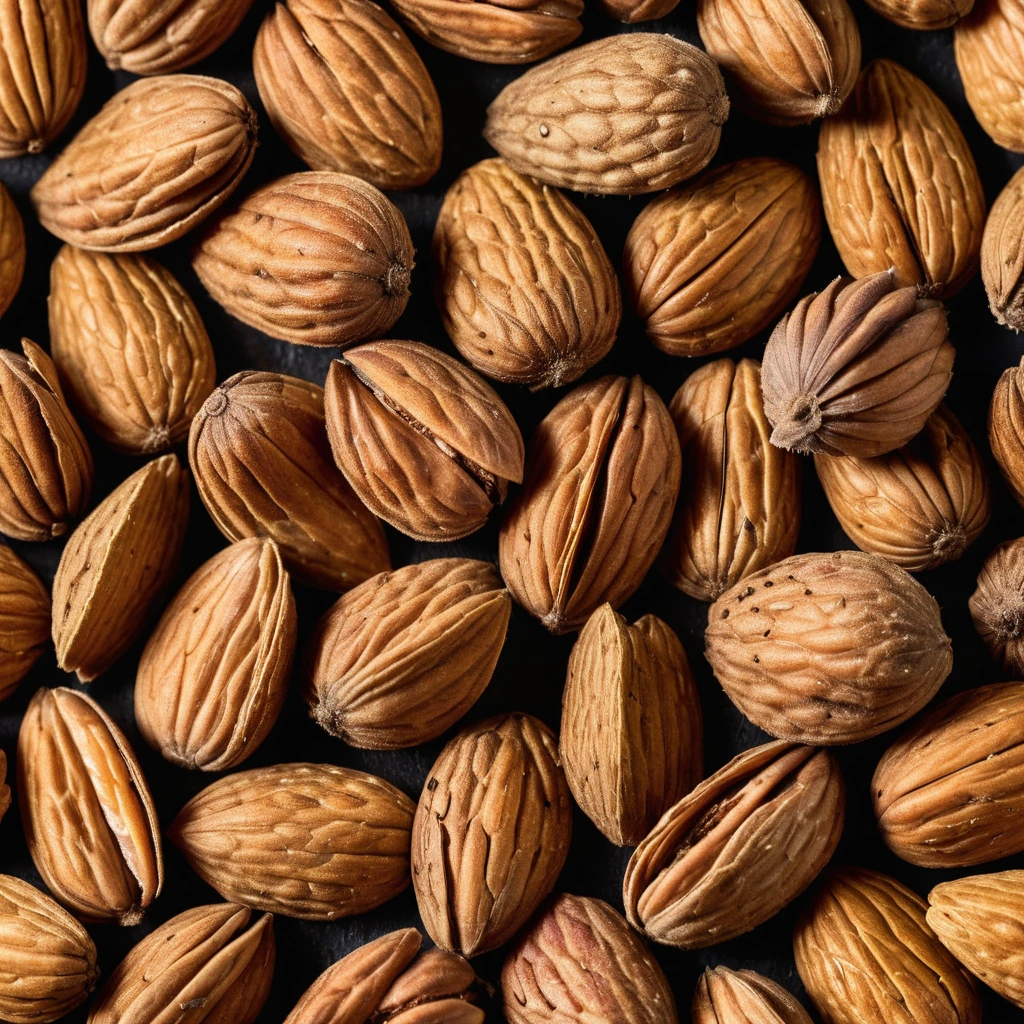
Almonds
With their golden-brown hue and delicate, edible skin, almonds are a crunchy delight. These versatile nuts boast a rich, buttery flavor that adds depth to both sweet and savory dishes.
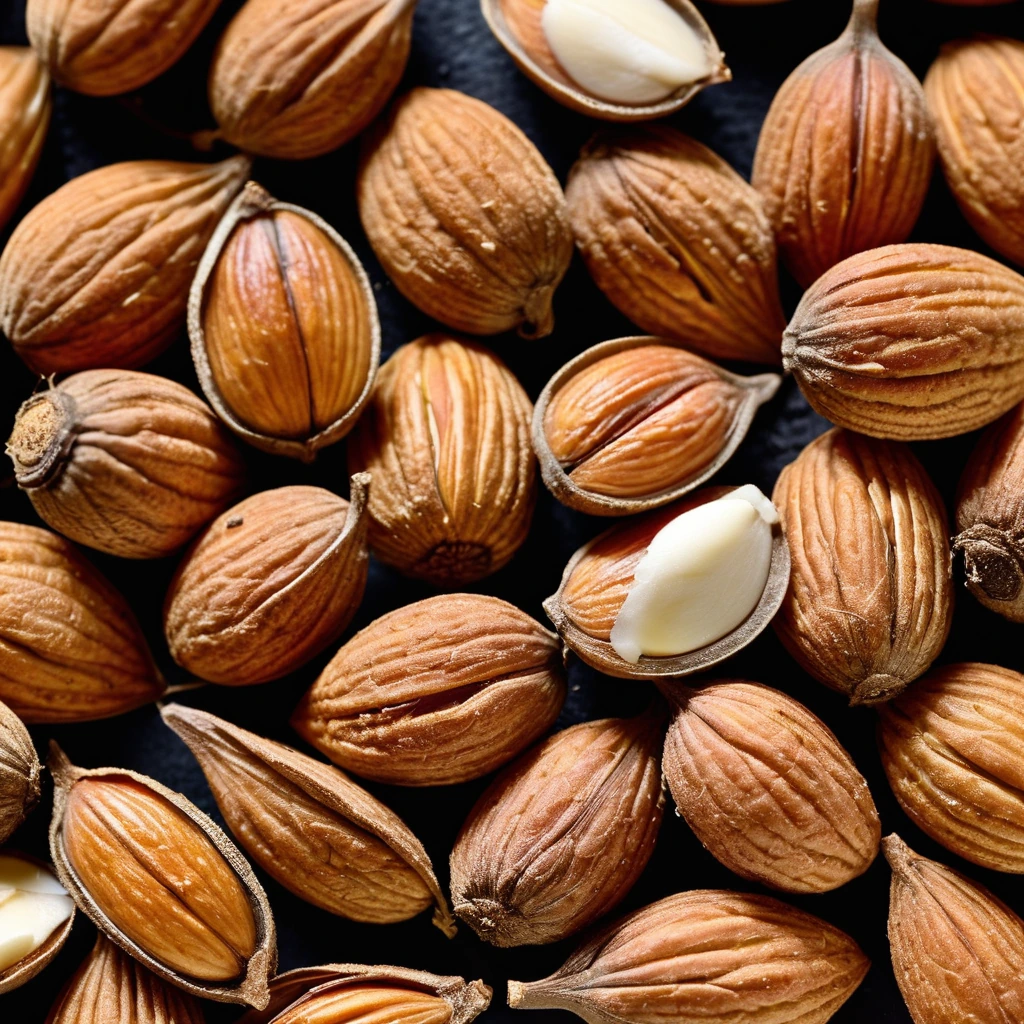
Almond Extract
A fragrant, golden elixir that captures the essence of freshly ground almonds, almond extract is a pantry staple that brings a rich, nutty aroma to your culinary creations.
Recipes to try

Roasted Beet, Orange, and Pistachio Salad
Warm roasted beets mingle with citrusy orange segments and crunchy pistachios for a vibrant, refreshing salad that sings with color and flavor.

Triple Chocolate Chunk Skillet Cookie
This skillet cookie is a gooey, decadent delight with chunks of dark, milk, and white chocolate that will make you swoon.