Stock and Stew Technique: Braising Tough Cuts with Gentle Heat
Braising is a beloved cooking technique that transforms tough, flavorful cuts of meat into succulent, fork-tender morsels. This method combines both dry and moist heat, starting with a sear to lock in flavor and then gently simmering in liquid to break down connective tissues. It’s perfect for cuts like chuck roast, brisket, or short ribs, which are rich in collagen and benefit from long, slow cooking. The gentle heat ensures that the meat doesn’t toughen up but instead becomes meltingly tender. Aromatics like onions, carrots, and celery build a flavorful base, while herbs and spices infuse the cooking liquid, creating a rich stock or stew that’s perfect for sipping or spooning over the meat. Braising is an economical and efficient way to make the most of less expensive cuts, turning them into hearty, soul-satisfying meals. Understanding the science behind braising helps you master the technique, ensuring your dishes are consistently delicious and comforting. By controlling the temperature and cooking time, you unlock the full potential of these humble cuts, creating meals that are as impressive as they are easy to prepare.
Notes
The science behind braising is simple yet profound: collagen, abundant in tough cuts, breaks down into gelatin when exposed to prolonged heat, creating a luscious texture. Maintaining a gentle simmer, rather than a rolling boil, preserves the integrity of the meat, preventing it from becoming tough. A common mistake is overcrowding the pot, which can lower the temperature and result in steamed rather than seared meat. Always ensure there’s ample space for browning. Another pitfall is not skimming impurities during the initial stages, which can cloud the final broth. For safety, ensure meat reaches an internal temperature of 165°F. Braised dishes can be made ahead and stored in the refrigerator for up to 3 days or frozen for longer storage. Reheating gently helps maintain texture and flavor.
Steps
- 1 Preheat oven to 325°F.
- 2 Season meat generously with salt and pepper.
- 3 Heat oil in a heavy-bottomed Dutch oven over medium-high heat.
- 4 Sear meat on all sides until browned, working in batches if necessary.
- 5 Remove meat and set aside.
- 6 Add chopped onions, carrots, and celery to the pot, sautéing until softened.
- 7 Deglaze the pot with red wine or broth, scraping up browned bits.
- 8 Return meat to the pot and add enough stock or water to reach halfway up the meat.
- 9 Add herbs like thyme and bay leaves, along with any additional seasonings.
- 10 Cover the pot with a tight-fitting lid.
- 11 Transfer the pot to the preheated oven.
- 12 Braise for 2.5 to 3.5 hours, or until meat is fork-tender.
- 13 Remove from oven and let rest for 15 minutes before serving.
- 14 Skim fat from the surface of the cooking liquid if desired.
Ingredients to explore
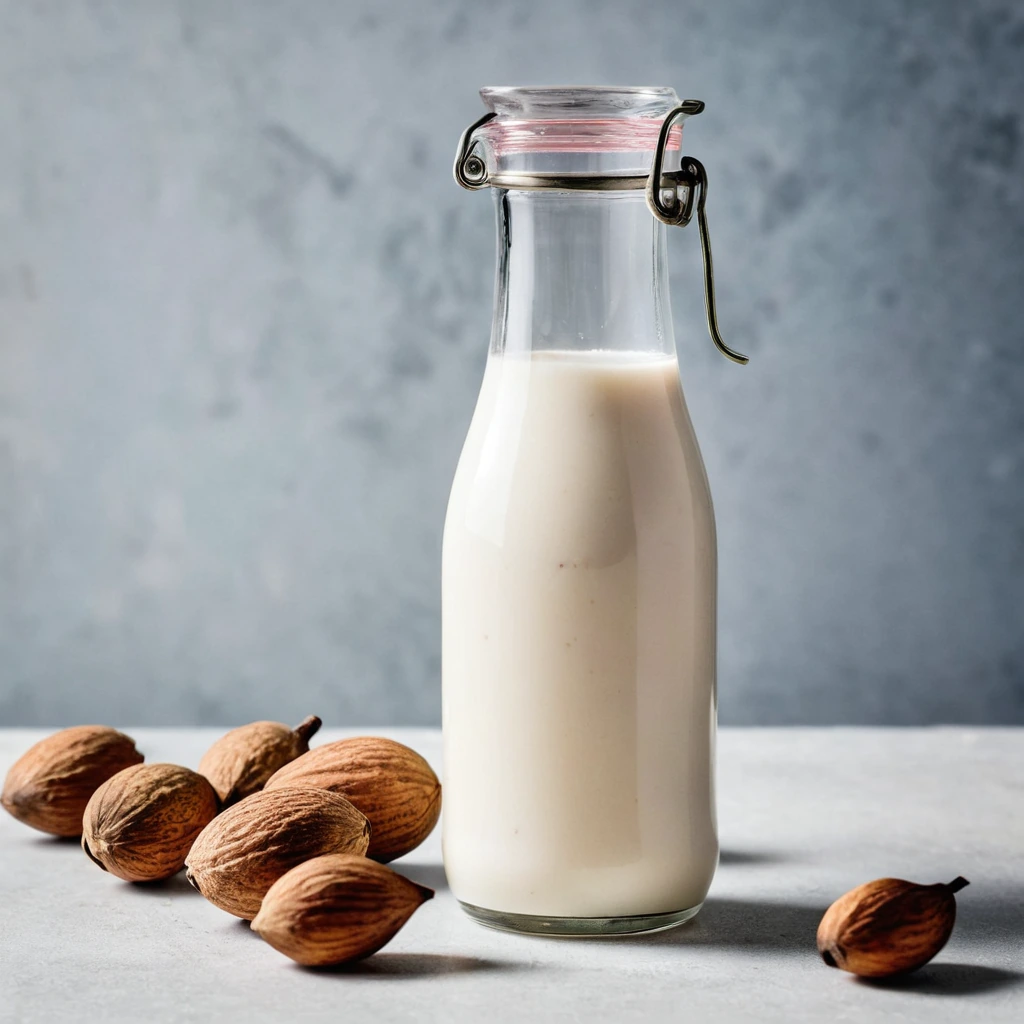
Almond Milk
Almond milk is a plant-based milk alternative made from ground almonds and water. Originating from traditional recipes in medieval Europe and the Middle East, it has gained widespread popularity in modern times as a dairy-free option. Almond milk has a subtly nutty flavor with a mild sweetness, and its aroma is reminiscent of fresh almonds. Its texture is smooth and creamy, though typically lighter than dairy milk. In cooking, almond milk behaves well in both savory and sweet applications, though it does not brown or caramelize like dairy milk. It is often used in cereals, smoothies, and baking, where its delicate flavor complements rather than overpowers other ingredients.
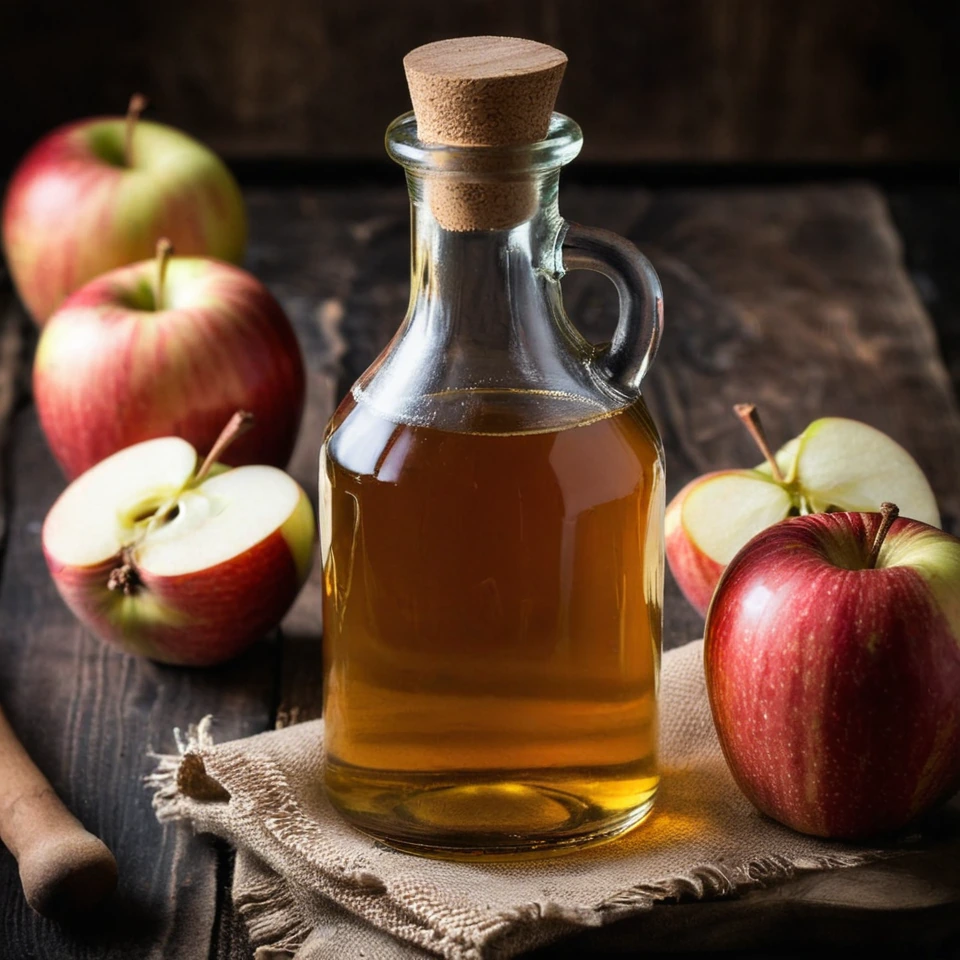
Apple Cider Vinegar
Apple cider vinegar is a type of vinegar made through the fermentation of apple cider, resulting in a tangy, slightly sweet liquid with a pale to medium amber color.
Recipes to try
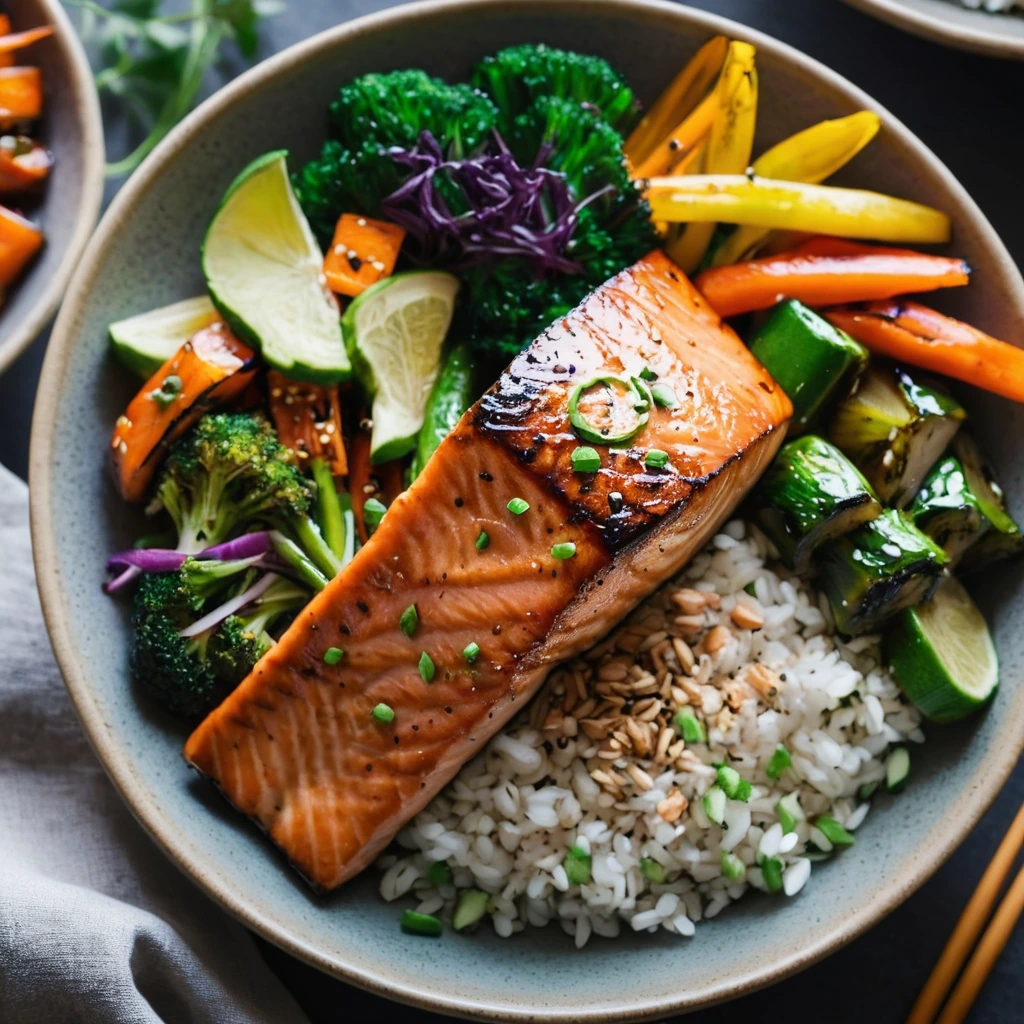
Teriyaki Glazed Salmon and Veggie Bowls
Sweet and savory teriyaki glaze coats succulent salmon fillets atop a vibrant medley of colorful veggies, creating a symphony of flavors in every bite.
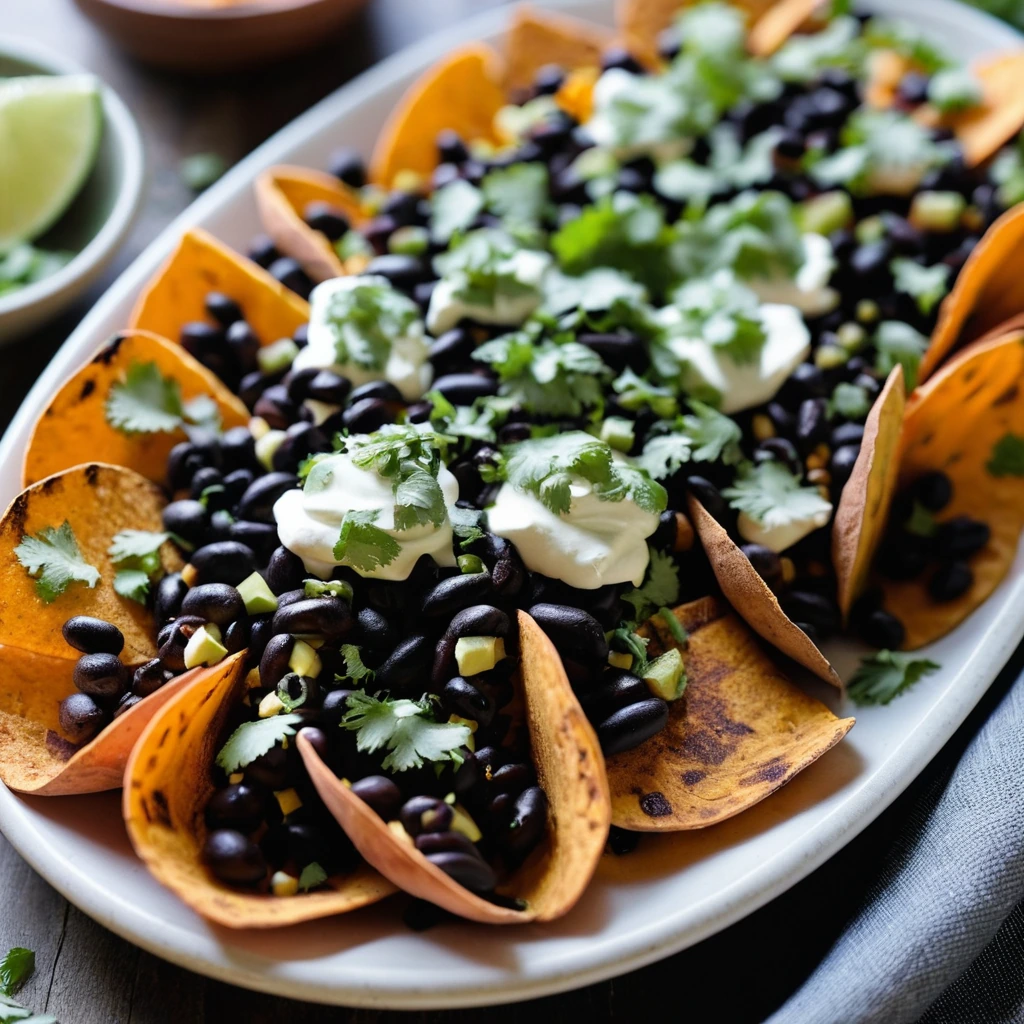
Sweet Potato and Black Bean Loaded Nachos
Crispy tortilla chips piled high with roasted sweet potatoes, black beans, and melty cheese, all topped with fresh cilantro and a zesty lime kick.