Stews: Layering Vegetables by Cook Time
Creating a hearty stew is an art that balances flavors and textures. One often overlooked aspect is the strategic layering of vegetables based on their cook times. This technique ensures each vegetable reaches its optimal texture without becoming mushy or remaining undercooked. Harder, denser vegetables like carrots and potatoes need longer to soften, while delicate veggies like peas and leafy greens join the pot towards the end. Understanding these differences allows you to craft a stew where every ingredient shines. Start by prepping all your vegetables to ensure a smooth cooking process. Then, arrange them in layers according to their required cook times. This method not only enhances texture but also deepens the flavor profile as each veggie releases its essence at just the right moment. The key is patience and planning. By layering thoughtfully, you create a symphony of flavors that meld together beautifully. This technique is especially useful for those who love experimenting with seasonal produce, ensuring that each ingredient contributes its unique character to the final dish. Remember, the goal is harmony, not a battle of flavors. Embrace the diversity of cook times, and you'll elevate your stews to new heights. Finally, don't rush the process; let your stew simmer gently, allowing the layers to integrate seamlessly.
Notes
Layering vegetables by cook time is rooted in the principle of controlled cooking environments. Harder vegetables require more time to break down their fibers, while softer ones cook quickly and can lose their texture if added too early. A common mistake is adding all vegetables at once, leading to an uneven stew. To troubleshoot, always check vegetables for doneness individually. Safety-wise, ensure all vegetables are washed thoroughly to remove any dirt or pesticides. For make-ahead stews, layer all but the quickest-cooking vegetables, store in the fridge for up to two days, and finish cooking before serving. This technique allows for flexibility and creativity, ensuring your stews are consistently delicious.
Steps
- 1 Prepare all vegetables by washing, peeling, and chopping to uniform sizes.
- 2 Select your hardest vegetables like carrots and potatoes and place them at the bottom of the pot.
- 3 Add root vegetables like parsnips and turnips on top of the harder vegetables.
- 4 Layer in denser vegetables such as onions and celery next.
- 5 Place tomatoes or other medium-cook-time vegetables above the celery layer.
- 6 Add beans or peas towards the top layer, reserving them if they cook quickly.
- 7 Gently place leafy greens like kale or spinach on the very top just before serving.
- 8 Pour in your broth or stock, ensuring vegetables are mostly submerged.
- 9 Season with salt, pepper, and herbs according to your recipe.
- 10 Bring the stew to a gentle boil, then reduce to a simmer.
- 11 Cover and let cook, checking periodically to ensure even cooking.
- 12 After 30-45 minutes, add any quick-cooking vegetables like peas or spinach.
- 13 Simmer for an additional 5-10 minutes, ensuring all vegetables are tender but not overcooked.
- 14 Taste and adjust seasoning before serving.
Ingredients to explore
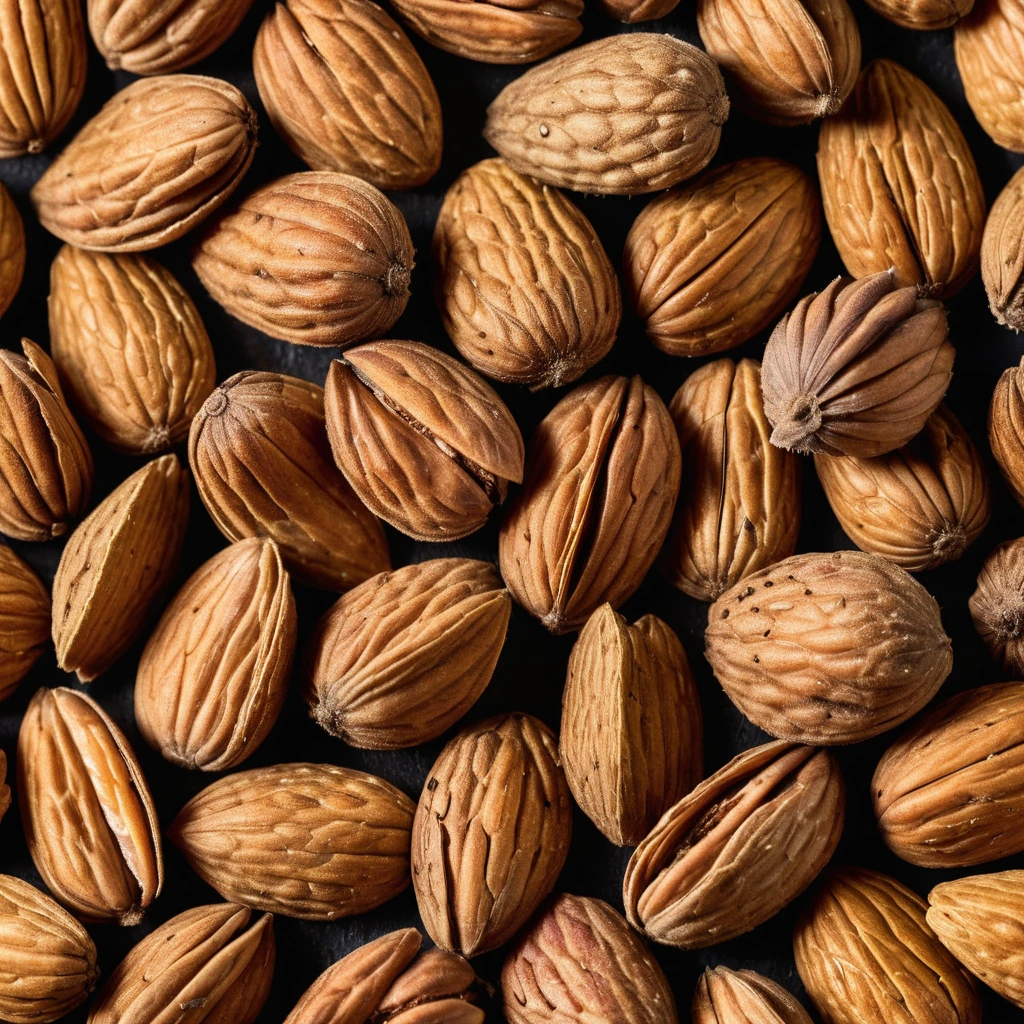
Almonds
With their golden-brown hue and delicate, edible skin, almonds are a crunchy delight. These versatile nuts boast a rich, buttery flavor that adds depth to both sweet and savory dishes.
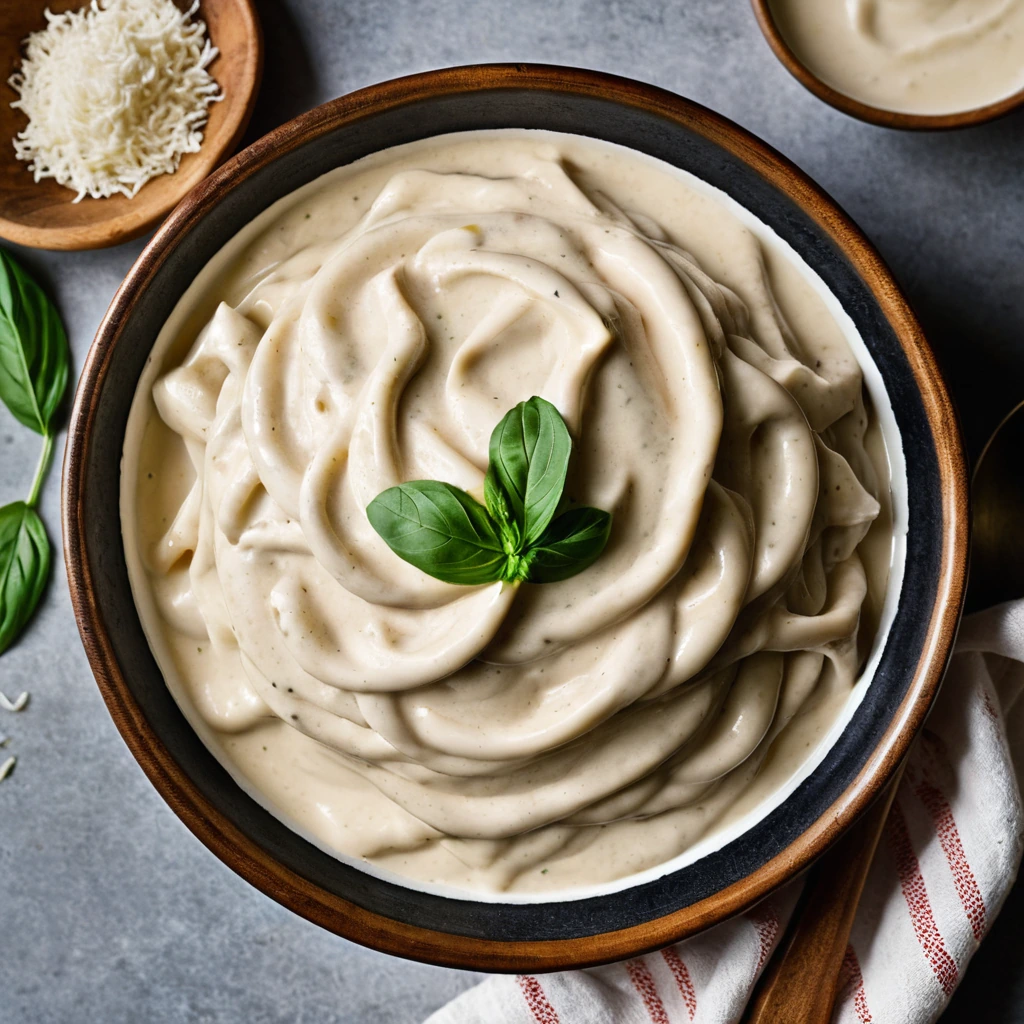
Alfredo Sauce
Creamy, rich, and utterly indulgent, Alfredo sauce is a dreamy blend of butter, heavy cream, and Parmesan cheese. Its velvety texture and savory depth make it a beloved staple in Italian-American cuisine.
Recipes to try

Smoked Sausage, Corn, and Potato Casserole
A hearty, golden-brown casserole bursting with smoky sausage, sweet corn, and tender potatoes.
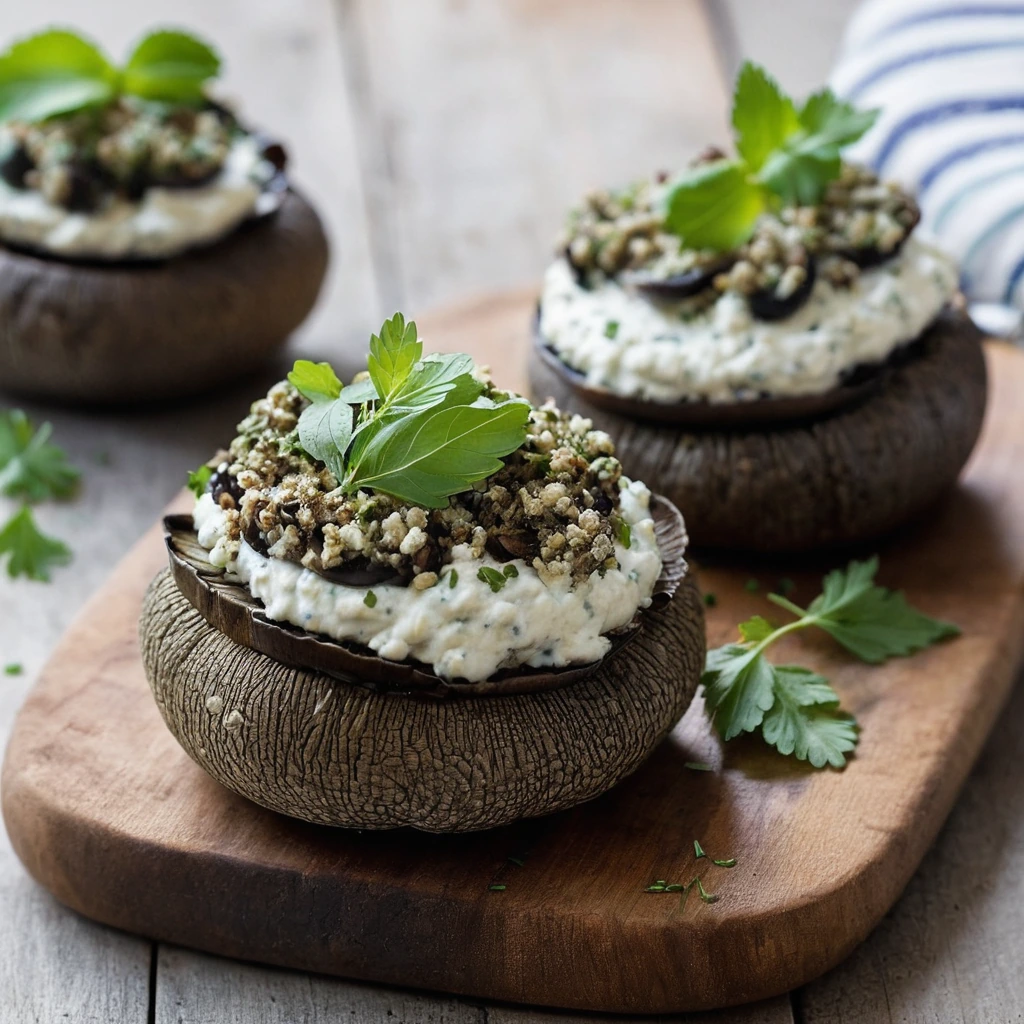
Stuffed Portobello Mushrooms with Herbed Ricotta
These earthy portobello mushrooms are stuffed with a creamy, herbed ricotta mixture, offering a satisfying vegetarian delight that's both elegant and easy.