Starches: Boiling Pasta to Perfect Al Dente
Achieving al dente pasta is an art that balances firmness with a tender bite. The term 'al dente' is Italian for 'to the tooth,' indicating pasta that offers a slight resistance when bitten. This technique dives into the science of pasta starch, hydration, and heat to ensure your noodles turn out just right every time. When pasta is cooked correctly, the starches absorb water and swell, creating a firm yet tender texture. Boiling pasta might seem straightforward, but there are nuances to consider: the right amount of water, the ideal salt concentration, and precise timing. Overcooking leads to mushy pasta, while undercooking results in hard, unappetizing strands. We'll explore the ideal conditions for boiling pasta, how to monitor doneness, and how to stop the cooking process at just the right moment. Understanding these principles ensures your pasta dishes are elevated from ordinary to extraordinary, with each strand offering that perfect al dente bite.
Notes
The science behind al dente pasta lies in its starch composition. When pasta hits boiling water, the starch granules absorb water and swell, creating that firm texture. The key is to stop cooking just before the pasta reaches full softness. Common mistakes include using too little water, which can lead to sticking, and overcooking, resulting in a loss of texture. For safety, always use a timer and taste-test to avoid undercooked pasta. To make ahead, cook pasta al dente, rinse, and toss with oil to prevent sticking; store in the fridge for up to 2 days. When reheating, toss with fresh sauce and gently warm.
Steps
- 1 Fill a large pot with at least 4 quarts of water for every pound of pasta.
- 2 Place the pot over high heat and bring the water to a rolling boil.
- 3 Add 1 to 2 tablespoons of salt to the boiling water for seasoning.
- 4 Add the pasta to the boiling water and stir immediately to prevent sticking.
- 5 Cook uncovered, stirring occasionally, for the time indicated on the package minus 1 to 2 minutes.
- 6 Taste a piece of pasta to check for al dente readiness; it should be firm yet tender.
- 7 Once al dente, promptly drain the pasta in a colander.
- 8 Rinse the pasta only if using it in a cold dish; otherwise, return it to the pot for saucier dishes.
Ingredients to explore
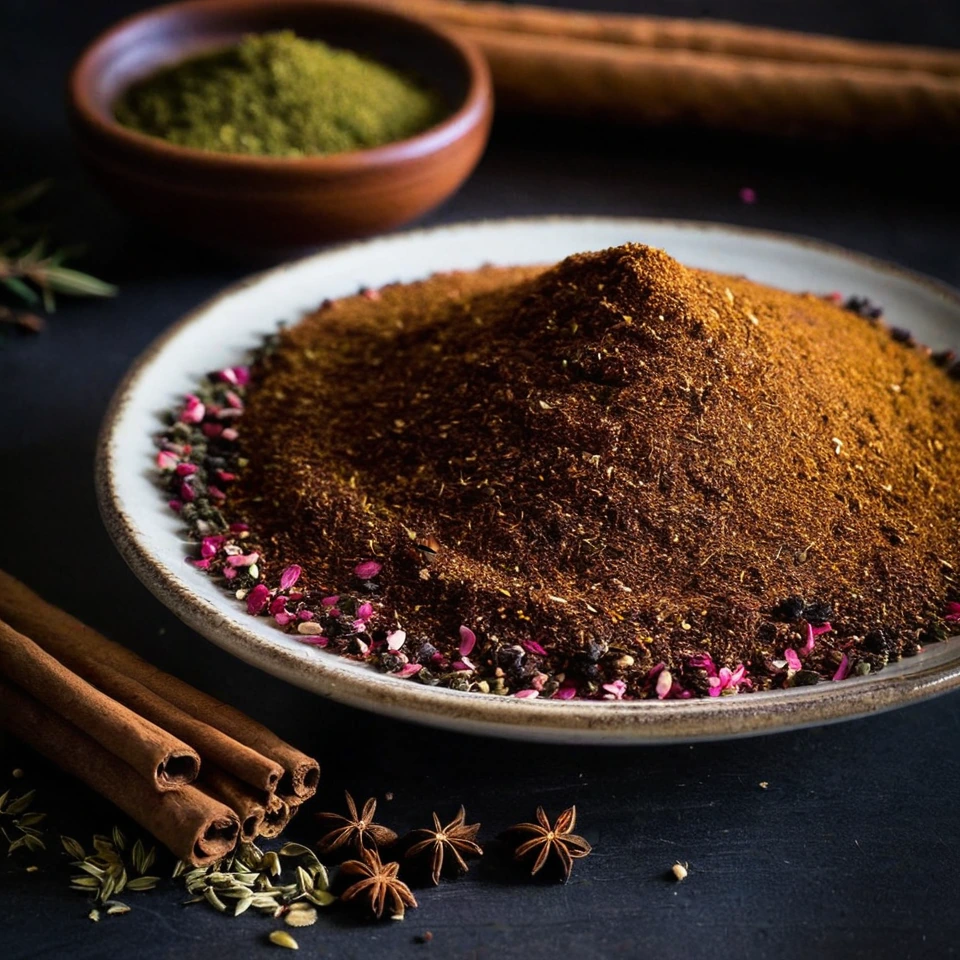
Advieh (Persian Spice Blend)
Advieh is a fragrant Persian spice blend that boasts a complex aroma of warm cinnamon, earthy cumin, and floral hints of rose and saffron. Its texture is finely ground, making it easy to incorporate into dishes. Originating from the rich culinary traditions of Iran, advieh adds depth and sophistication to both savory and sweet recipes. Its unique combination of spices reflects the historical spice trade routes that influenced Persian cuisine.

Almonds
With their golden-brown hue and delicate, edible skin, almonds are a crunchy delight. These versatile nuts boast a rich, buttery flavor that adds depth to both sweet and savory dishes.
Recipes to try

Pesto Roasted Veggie Sandwiches with Mozzarella
Warm, toasty ciabatta cradles a medley of roasted veggies, vibrant pesto, and melty mozzarella for a sandwich that's as hearty as it is fresh.
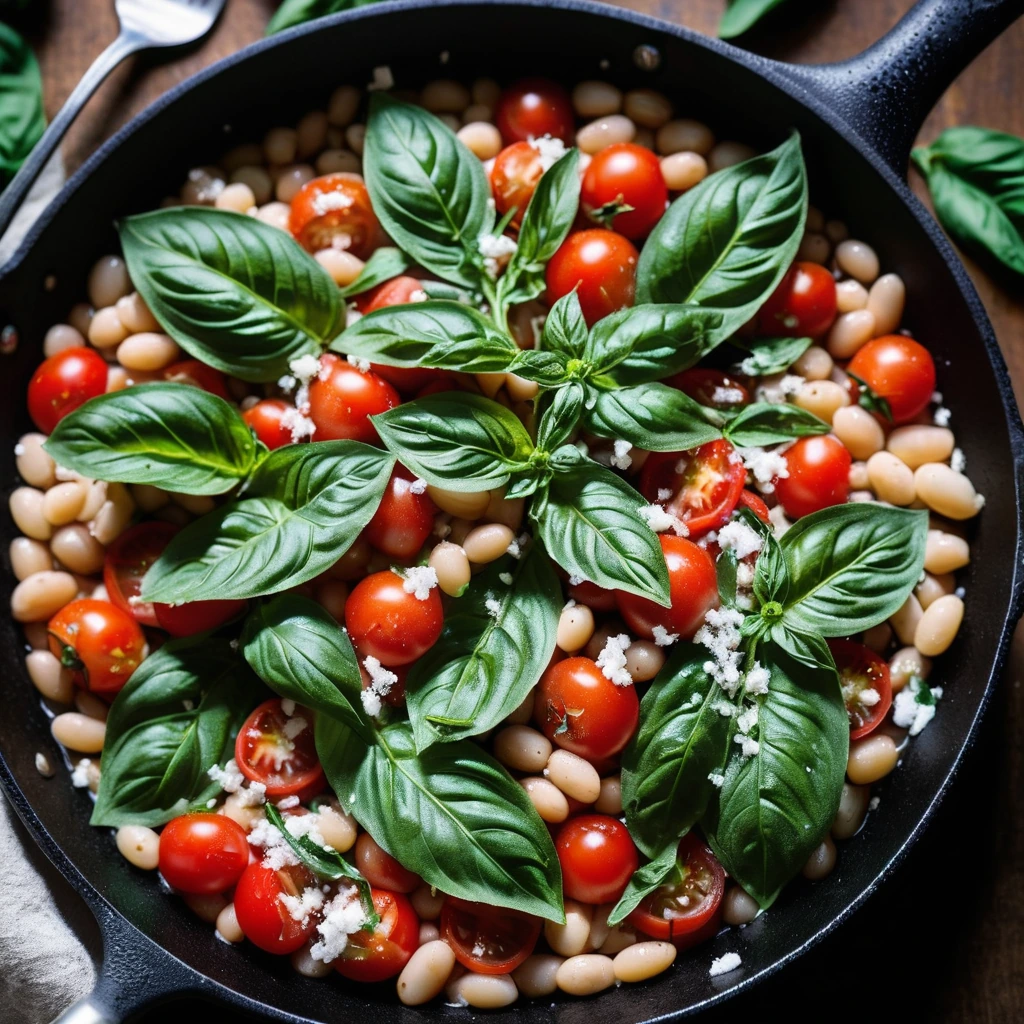
Tomato Basil White Bean Skillet with Parmesan
A comforting skillet packed with creamy white beans, ripe tomatoes, and fragrant basil, all topped with a generous sprinkle of Parmesan.