Starch Technique: Timing Pasta to Truly Al Dente
Achieving al dente pasta is an art that combines precision and understanding of starch dynamics. The term 'al dente' translates to 'to the tooth,' indicating pasta that is cooked so it offers a firm resistance when bitten into. This technique focuses on mastering the timing and understanding the role of starch in pasta cooking. When pasta is cooked, the starch granules absorb water and swell. Overcooking can lead to these granules bursting, releasing starch into the water and making the pasta mushy. By carefully monitoring the pasta during its cooking process, you can ensure that the starches gelatinize just enough to create that perfect bite. This guide will walk you through the nuances of boiling water, salting, timing, and testing to ensure your pasta is perfectly al dente every time. It's about patience, attentiveness, and knowing when to stop the cooking process to preserve the pasta's texture and flavor integrity.
Notes
The science behind al dente pasta lies in the gelatinization of starch. As pasta cooks, starch granules absorb water and swell. Proper timing ensures these granules swell but do not burst, maintaining texture. Common mistakes include underestimating cooking times, leading to overcooked pasta, or testing too late, resulting in mushy strands. To troubleshoot, always start checking for doneness 2 minutes early. Safety-wise, remember to handle boiling water with care. For storage, pasta is best served fresh but can be stored in an airtight container with a drizzle of olive oil to prevent sticking for up to 2 days. Reheat gently with additional sauce.
Steps
- 1 Bring a large pot of water to a rolling boil; aim for about 4 quarts of water per pound of pasta.
- 2 Add 1-2 tablespoons of salt to the boiling water to enhance flavor.
- 3 Add the pasta to the boiling water, stirring immediately to prevent sticking.
- 4 Start timing from the moment the pasta is added to the water.
- 5 Check the pasta 2 minutes before the package’s suggested al dente timing.
- 6 Retrieve a piece of pasta using a fork or tongs, and test it by biting into it.
- 7 If the pasta is firm yet yielding with a slight bite, it is al dente; if not, continue cooking and checking every 30 seconds.
- 8 Once al dente is achieved, immediately drain the pasta in a colander.
- 9 Reserve about 1 cup of pasta cooking water before draining completely.
- 10 Do not rinse the pasta; the starch on the surface is crucial for sauce adherence.
- 11 Transfer the pasta to a serving bowl or back to the pot if tossing with sauce.
- 12 Add sauce and a splash of the reserved pasta water to create a silky finish.
- 13 Toss the pasta gently to ensure even coating.
- 14 Serve immediately to enjoy the best texture and flavor.
Ingredients to explore
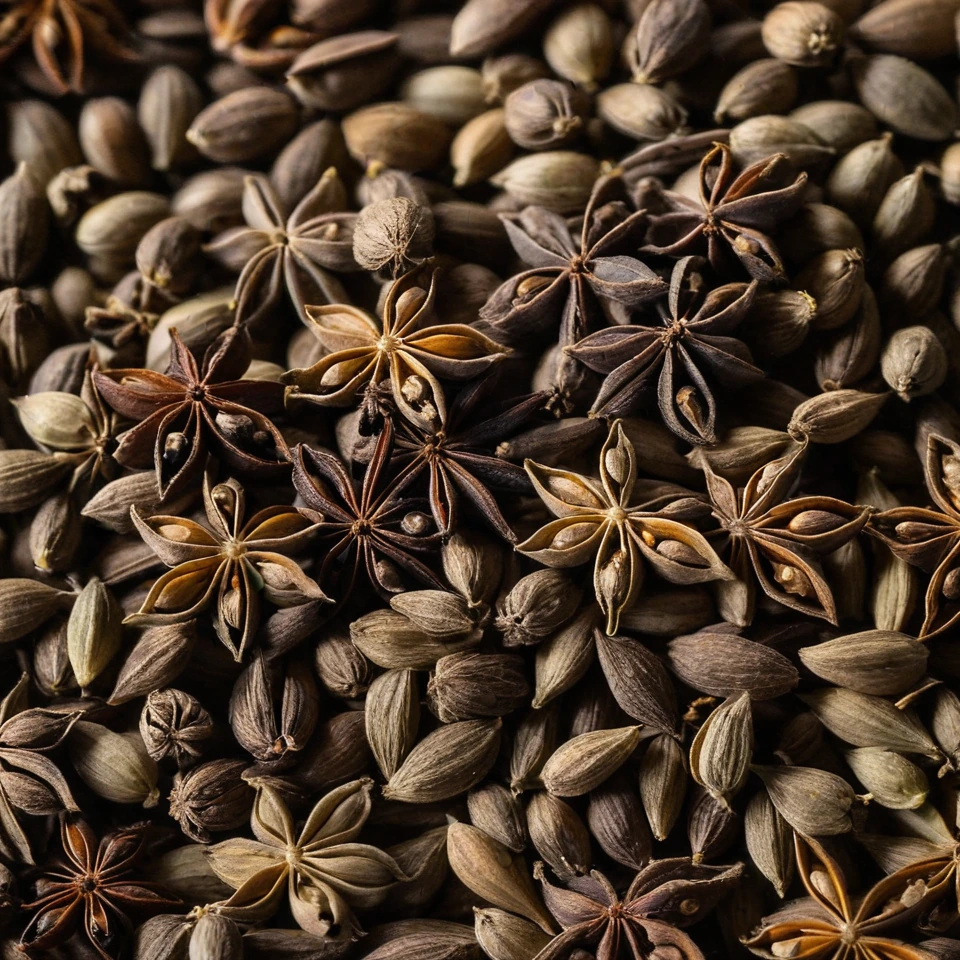
Anise Seeds
Anise seeds are small, oval seeds with a sweet, licorice-like flavor. They are commonly used in both sweet and savory dishes, offering a warm, aromatic taste.
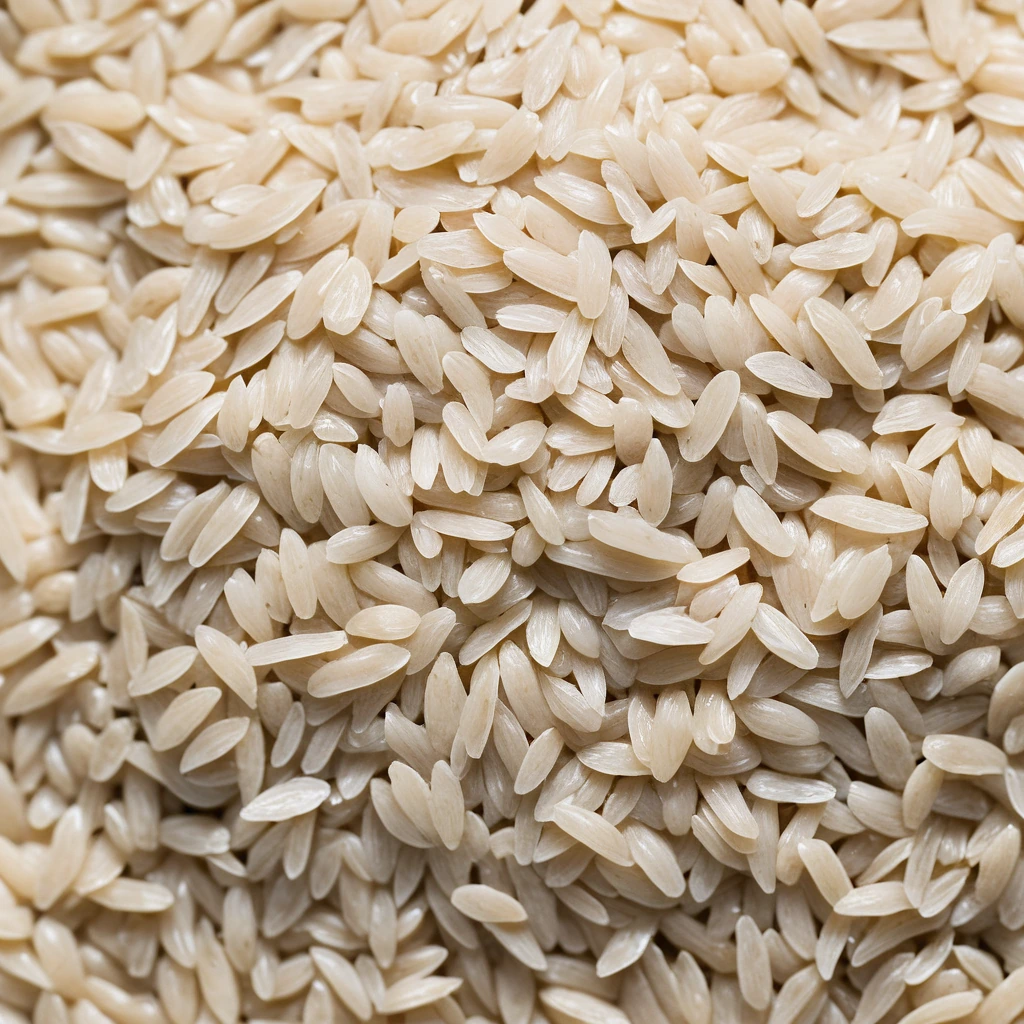
Arborio Rice
Arborio rice is a short-grain Italian rice variety renowned for its use in risotto. Originating from the Po Valley in Northern Italy, it is a staple in Italian cuisine. Its flavor is mild and nutty, with a pleasant creamy texture when cooked due to its high amylopectin content, which releases starch and creates a velvety consistency. The grains remain plump and firm to the bite, offering a satisfying chewiness. In cooking, Arborio rice excels at absorbing flavors from broths and seasonings while maintaining its shape, making it ideal for dishes that require both creaminess and structure.
Recipes to try
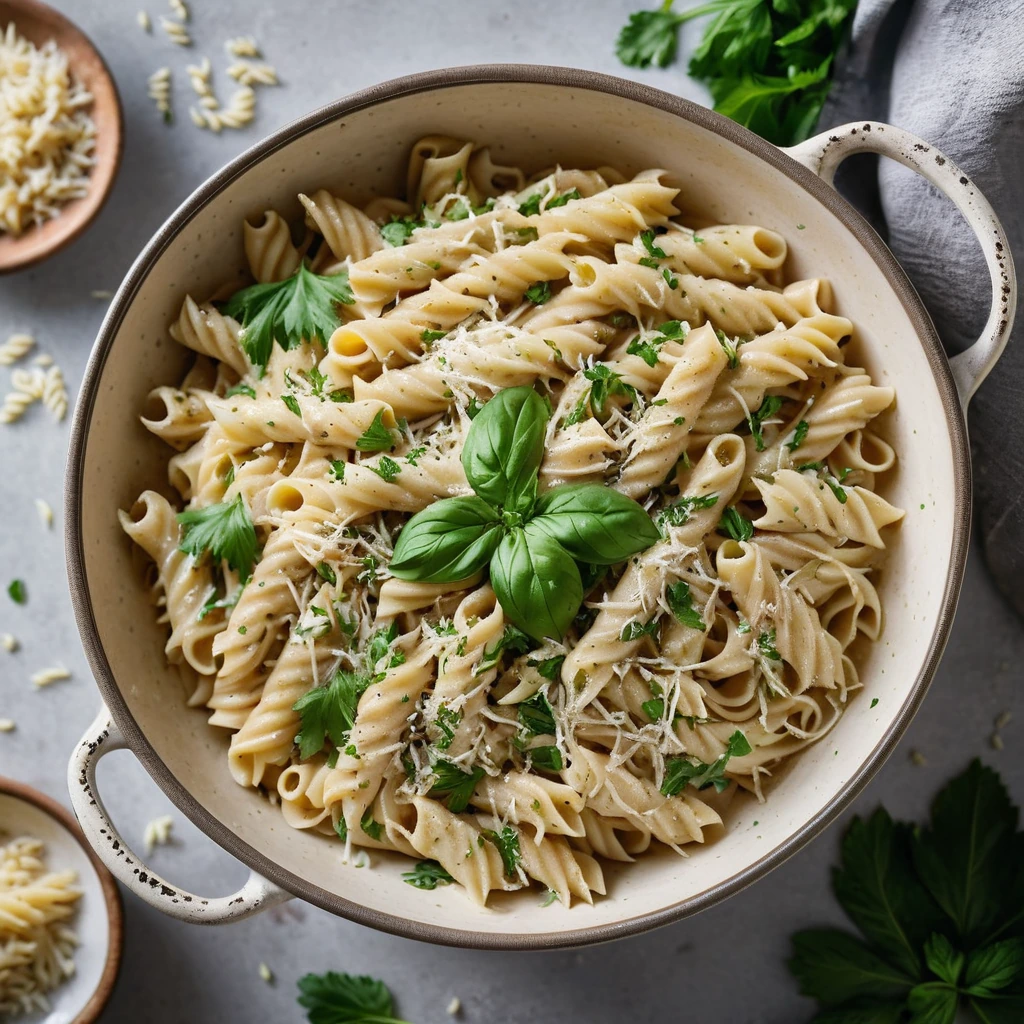
One-Pot Creamy Garlic Parmesan Chicken Pasta
Tender chicken and al dente pasta swim in a luscious, garlicky Parmesan sauce—all in one pot for a fuss-free family feast.

Roasted Beet, Orange, and Pistachio Salad
Warm roasted beets mingle with citrusy orange segments and crunchy pistachios for a vibrant, refreshing salad that sings with color and flavor.