Starch Technique: Simmering Beans Without Bursting Them
Achieving perfectly tender beans without the dreaded split is a skill every home cook can master with the starch technique. This method leverages the natural starch released by beans during cooking to create a protective barrier that prevents them from bursting. Begin by understanding that beans are living organisms that absorb water and swell during cooking. The key to keeping them intact lies in managing this swelling process. By simmering beans in a starch-rich environment, you create a gentle cocoon that cushions the beans as they expand. This technique is especially useful for delicate varieties like black beans or pintos. Start with dried beans rather than canned for better texture control. As the beans cook, they release starch into the water, thickening it into a paste-like consistency that clings to the beans, forming a protective layer. This layer absorbs excess moisture, ensuring the beans cook evenly and remain whole. Patience is essential, as is maintaining a consistent, gentle simmer rather than a rolling boil. The starch technique not only preserves the integrity of the beans but also enhances their flavor by keeping them in their nutrient-rich cooking liquid. It’s a simple, no-fuss method that guarantees professional results in your home kitchen. Embrace this technique to elevate your soups, stews, and side dishes with beautifully intact beans.
Notes
The starch technique works by using the natural starch released by beans as they cook, creating a protective layer that helps keep them intact. A common mistake is cooking beans at too high a temperature, leading to splitting; always maintain a gentle simmer. For safety, ensure beans are fully cooked to avoid foodborne illness. This method allows for make-ahead convenience; store cooked beans in their cooking liquid in the refrigerator for up to 5 days or freeze for up to 3 months.
Steps
- 1 Sort through 1 pound of dried beans, removing any debris or stones.
- 2 Rinse the beans under cold water and place them in a large pot.
- 3 Cover beans with 2 inches of water above their surface and let them soak for 8 hours or overnight.
- 4 Drain the soaking water and rinse the beans again.
- 5 Return beans to the pot and cover with fresh water by 2 inches.
- 6 Add 1 tablespoon of butter or oil to the pot to help beans cook evenly.
- 7 Bring the beans to a gentle simmer over medium heat.
- 8 Skim off any foam that rises to the surface during the first 10 minutes.
- 9 Reduce the heat to maintain a very gentle simmer, with just a few bubbles breaking the surface.
- 10 Cook uncovered for 1 to 1.5 hours, allowing the natural starch to thicken the cooking liquid.
- 11 Check beans for doneness; they should be tender but not falling apart.
- 12 If beans are not tender, continue simmering, checking every 15 minutes.
- 13 Once beans are cooked, remove from heat and let them rest in the cooking liquid for 10 minutes.
Ingredients to explore
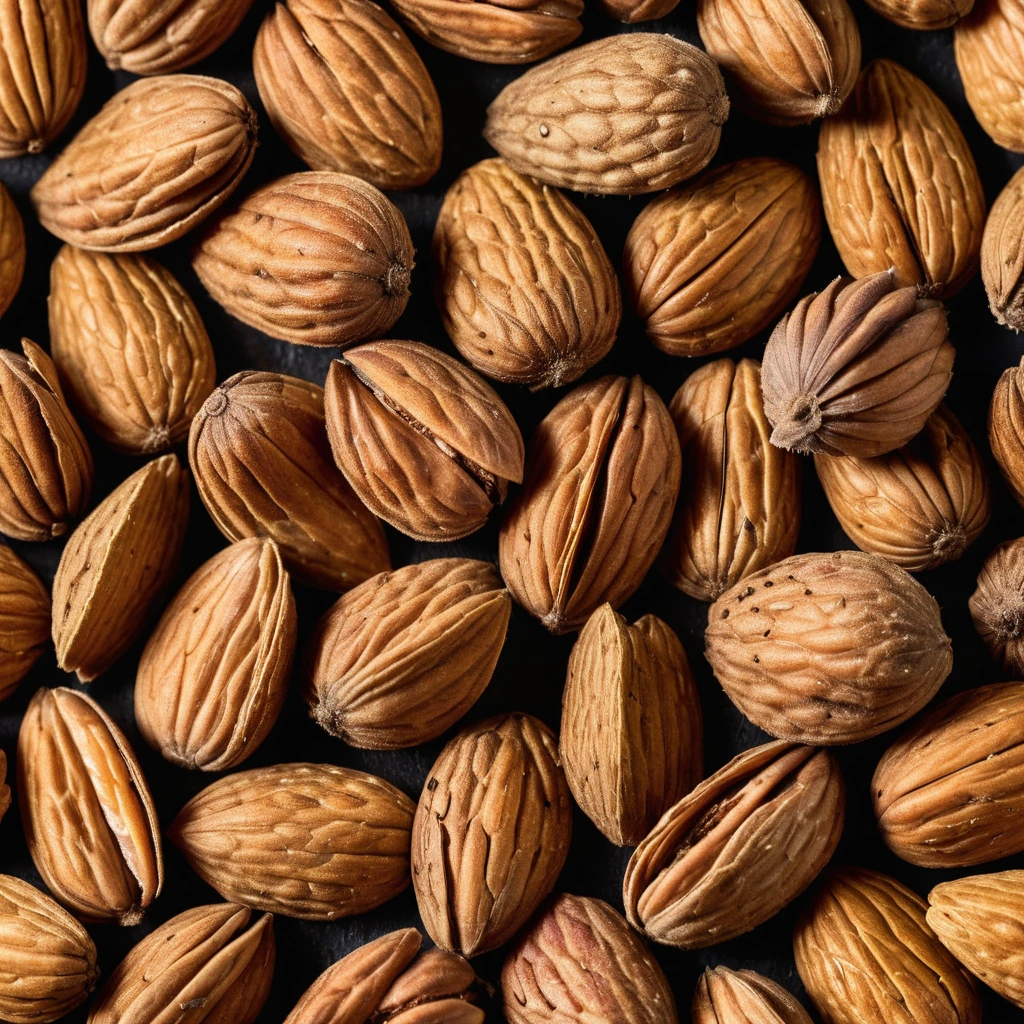
Almonds
With their golden-brown hue and delicate, edible skin, almonds are a crunchy delight. These versatile nuts boast a rich, buttery flavor that adds depth to both sweet and savory dishes.
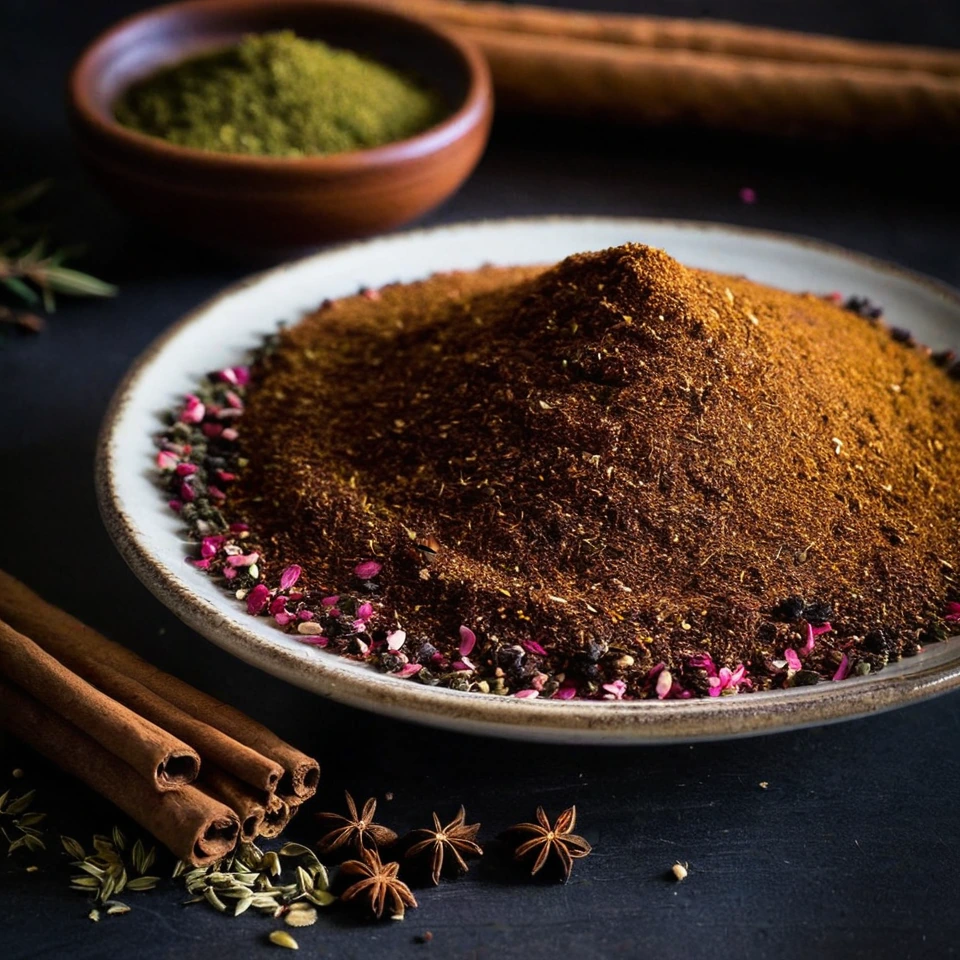
Advieh (Persian Spice Blend)
Advieh is a fragrant Persian spice blend that boasts a complex aroma of warm cinnamon, earthy cumin, and floral hints of rose and saffron. Its texture is finely ground, making it easy to incorporate into dishes. Originating from the rich culinary traditions of Iran, advieh adds depth and sophistication to both savory and sweet recipes. Its unique combination of spices reflects the historical spice trade routes that influenced Persian cuisine.
Recipes to try
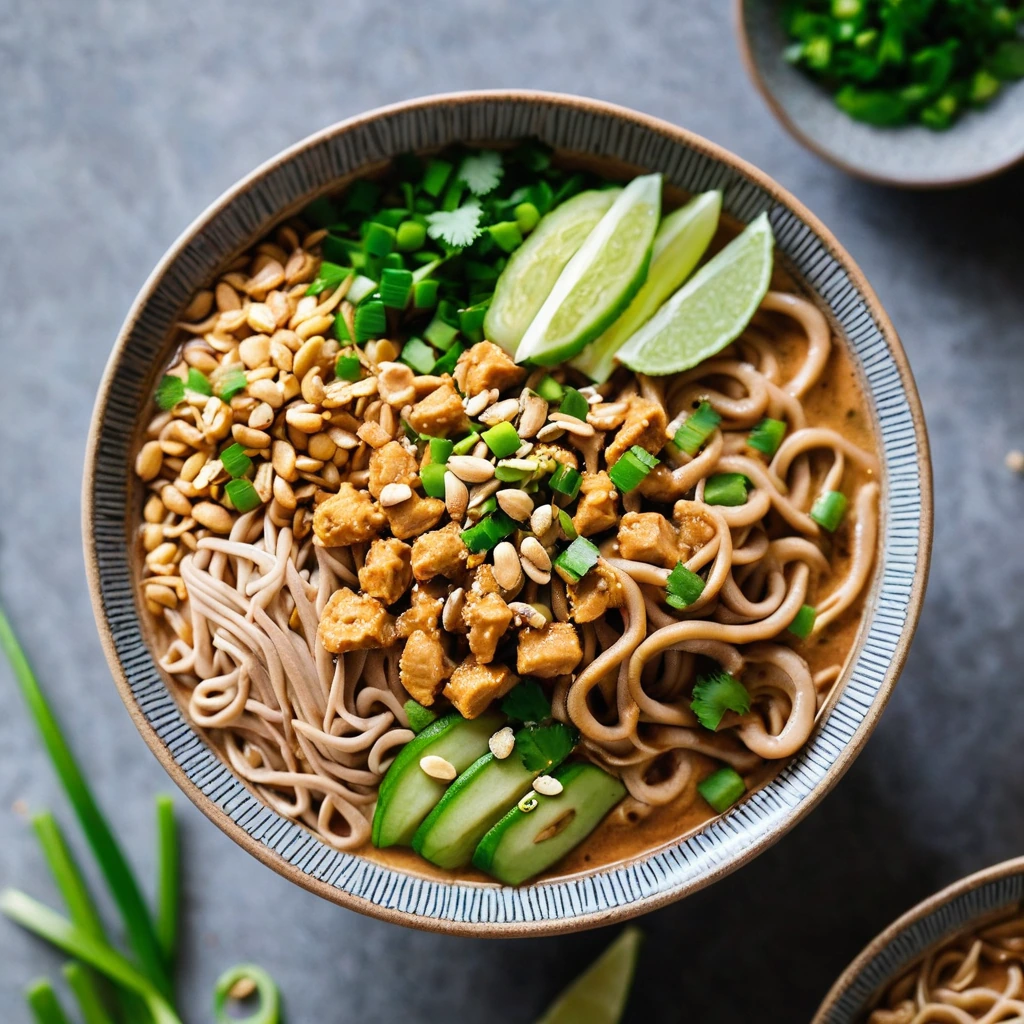
Spicy Peanut Chicken Noodle Bowls
Creamy peanut sauce clings to tender chicken and chewy noodles in a vibrant, fiery bowl that's comfort food on steroids.

Sweet Potato and Kale Skillet with Feta
Golden roasted sweet potatoes and tender kale come together in a skillet, kissed by tangy feta and a whisper of garlic.