Starch Technique: Risotto Stirring and Stock Management
Creating a creamy, perfectly cooked risotto is an art that relies heavily on technique. The starch technique is your secret weapon for achieving that sought-after creaminess without relying on excessive butter or cream. This method focuses on maximizing the natural starches released by the rice grains while managing the addition of stock to maintain ideal texture and flavor. Understanding how to control these elements can transform your risotto from a daunting task to a delightful culinary experience. The key lies in the constant stirring and strategic stock management, which encourages the rice to release its starches, creating a luscious base. Let's delve into the science and practice of this technique to elevate your risotto game.
Notes
The starch technique works because constant stirring helps break down the rice's starch granules, thickening the risotto naturally. One common mistake is adding stock too quickly, leading to a mushy texture. Ensure your stock is hot to maintain the cooking temperature and consistency. Safety is key when working with hot liquids and pans; use oven mitts and be cautious. Risotto is best served immediately, but if you need to make ahead, reheat gently with a splash of stock to restore creaminess. Store leftovers in the refrigerator for up to 2 days.
Steps
- 1 Heat 6 cups of chicken or vegetable stock in a separate saucepan and keep it at a gentle simmer.
- 2 In a large skillet or saucepan, heat 2 tablespoons of olive oil and 2 tablespoons of butter over medium heat.
- 3 Add 1 finely chopped onion and cook until translucent, about 3-4 minutes.
- 4 Stir in 2 cups of Arborio or Carnaroli rice, coating each grain with oil and butter.
- 5 Toast the rice by stirring constantly for about 1-2 minutes until edges appear translucent.
- 6 Add 1/2 cup of white wine and stir until fully absorbed.
- 7 Begin adding the warm stock, one ladle at a time, stirring frequently. Wait until each addition is nearly absorbed before adding more.
- 8 Continue this process for about 18-20 minutes, or until the rice is al dente and the mixture is creamy.
- 9 Adjust the heat as necessary to maintain a gentle bubble without boiling rapidly.
- 10 Taste the rice periodically to ensure it reaches the desired tenderness.
- 11 Once the rice is cooked, remove from heat and stir in grated Parmesan cheese and additional butter for extra creaminess.
- 12 Allow the risotto to rest for 2 minutes off the heat, stirring occasionally.
- 13 Season with salt and pepper to taste before serving.
Ingredients to explore
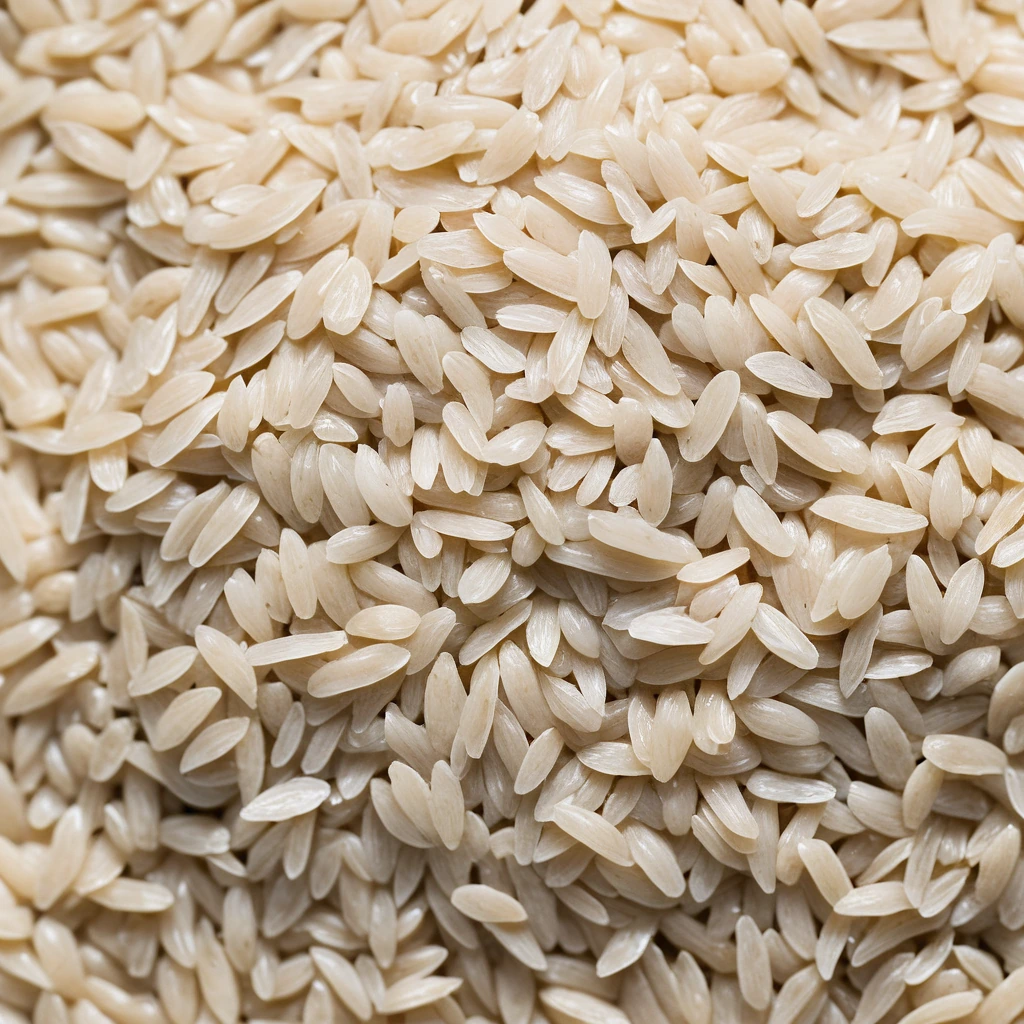
Arborio Rice
Arborio rice is a short-grain Italian rice variety renowned for its use in risotto. Originating from the Po Valley in Northern Italy, it is a staple in Italian cuisine. Its flavor is mild and nutty, with a pleasant creamy texture when cooked due to its high amylopectin content, which releases starch and creates a velvety consistency. The grains remain plump and firm to the bite, offering a satisfying chewiness. In cooking, Arborio rice excels at absorbing flavors from broths and seasonings while maintaining its shape, making it ideal for dishes that require both creaminess and structure.
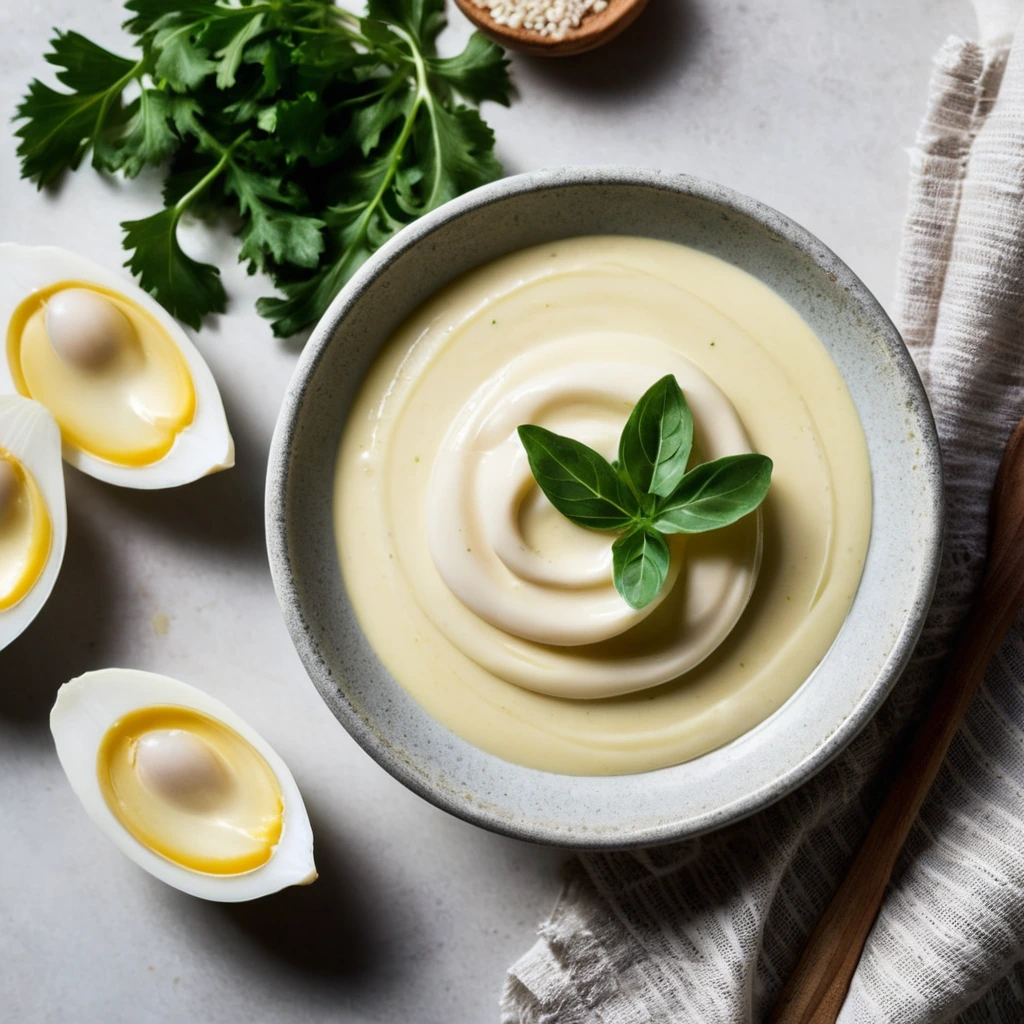
Aioli
A luscious, velvety emulsion of garlic and olive oil, aioli is a rich and aromatic sauce that dances on the palate with its creamy texture and bold, pungent flavor.
Recipes to try
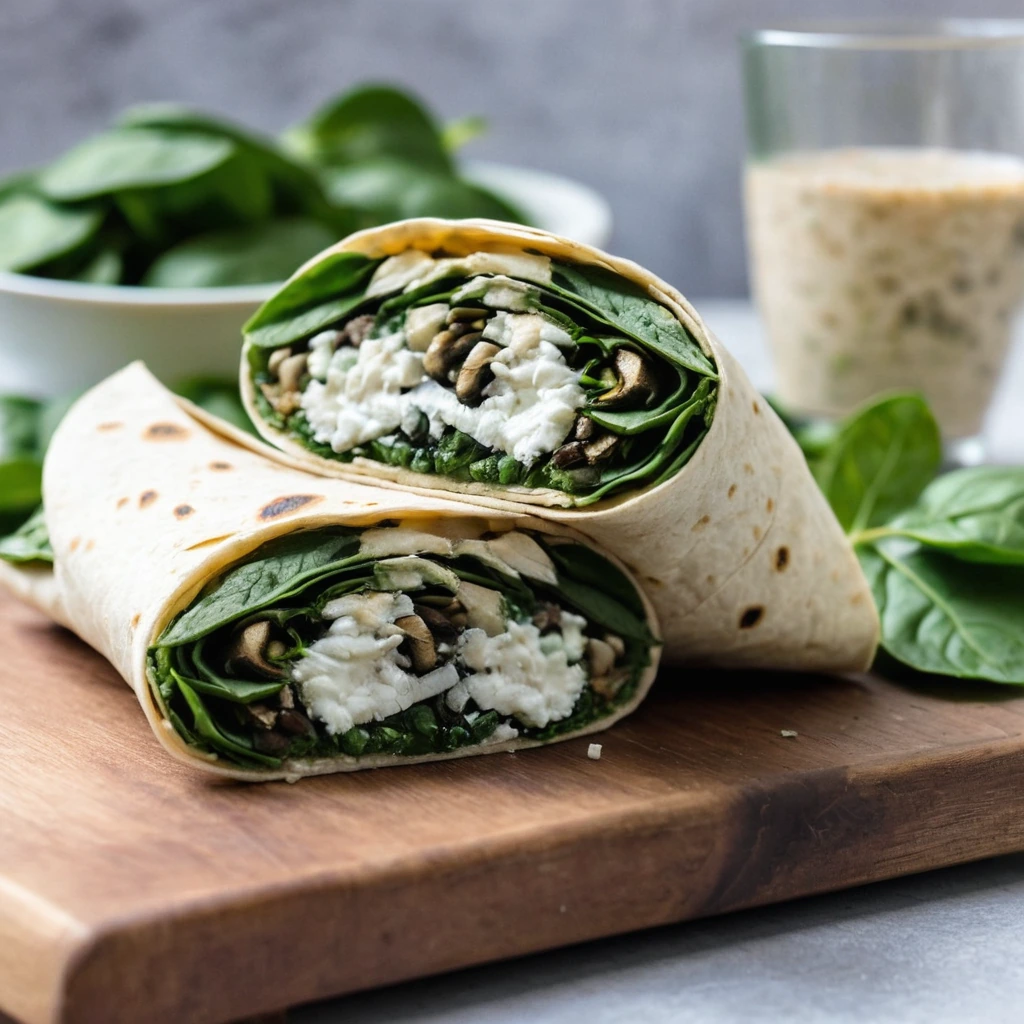
Spinach, Mushroom, and Feta Breakfast Wraps
These wraps are a cozy morning hug in a tortilla—creamy feta, earthy mushrooms, and vibrant spinach meld into a hearty breakfast.

Lemon Raspberry Cheesecake Parfaits
Creamy layers of lemon cheesecake meet tangy raspberry swirls in a delightful parfait that's as pretty as it is delicious.