Starch Technique: Laminating Noodles for Chewy Texture
Achieving the perfect chewy texture in noodles is an art that combines science and skill. The starch technique, specifically laminating noodles, is a method that creates layers within the noodle structure, enhancing its chewiness and resilience. This technique is particularly popular in Asian cuisine, where noodles are revered for their texture as much as their flavor. The process begins with understanding the role of starch in noodle-making. Starch is a carbohydrate that gelatinizes when heated in water, creating a pliable dough. By manipulating this gelatinization process, we can create layers within the noodle that mimic the lamination process used in pastries. This technique requires precision and patience, but the results are worth it. The key is to control hydration and heat application to ensure the starches align properly, creating a noodle that is chewy yet not overly firm. This method is perfect for making hand-pulled noodles, ramen, or even artisanal pasta that stands up well to hearty broths or sauces. Let's dive into how you can master this technique at home.
Notes
The science behind this technique lies in the alignment of starch granules and gluten strands. Proper kneading develops gluten, which provides elasticity, while the rolling and folding process aligns the starch granules, creating layers that contribute to chewiness. A common mistake is overworking the dough during kneading, which can lead to tough noodles. Ensure you use lukewarm water to activate the gluten without shocking the flour. Another pitfall is inadequate resting time; allowing the dough to rest is crucial for relaxation and even cooking. For storage, keep cooked noodles in an airtight container with a drizzle of oil to prevent sticking. They can be refrigerated for up to 2 days or frozen for up to a month.
Steps
- 1 Start with high-quality durum wheat flour or bread flour for the right gluten structure.
- 2 Measure out 2 cups of flour and create a well in the center.
- 3 Add 1 teaspoon of salt and 3/4 cup of lukewarm water to the well.
- 4 Gently mix the water into the flour until a dough forms.
- 5 Knead the dough on a floured surface for 8-10 minutes until smooth and elastic.
- 6 Divide the dough into 4 equal portions and let rest for 30 minutes covered with a damp cloth.
- 7 Roll each portion into a thin sheet, about 1/16 inch thick.
- 8 Lightly dust the sheets with flour and fold each sheet into thirds like a letter.
- 9 Repeat the rolling and folding process 3-4 times for each portion.
- 10 After the final fold, let the dough rest for an additional 15 minutes.
- 11 Cut the dough into your desired noodle shape using a knife or pasta cutter.
- 12 Bring a large pot of salted water to a rolling boil.
- 13 Cook the noodles for 2-3 minutes, until al dente, stirring occasionally.
- 14 Rinse the noodles under cold water to stop the cooking process and prevent sticking.
Ingredients to explore
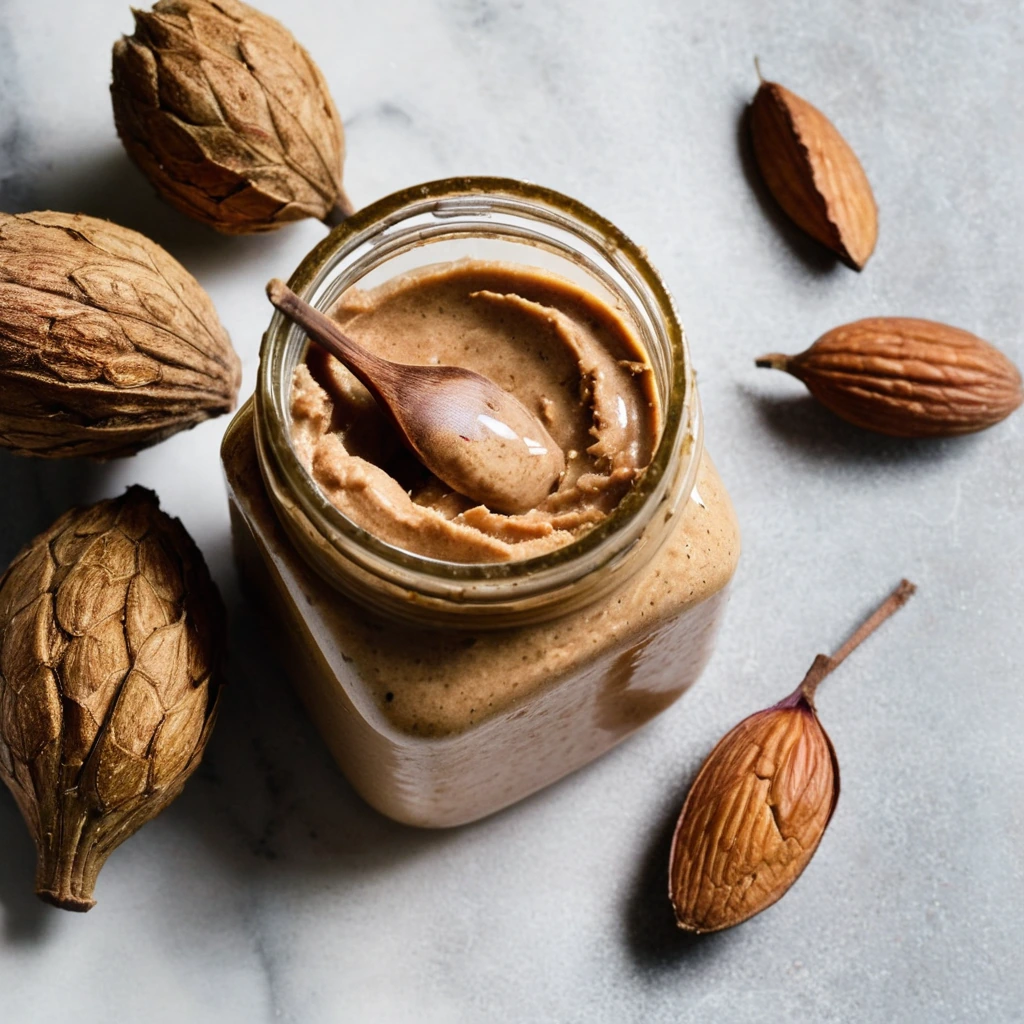
Almond Butter
A velvety, nutty spread crafted from finely ground almonds, offering a rich and satisfying flavor that's both comforting and indulgent.
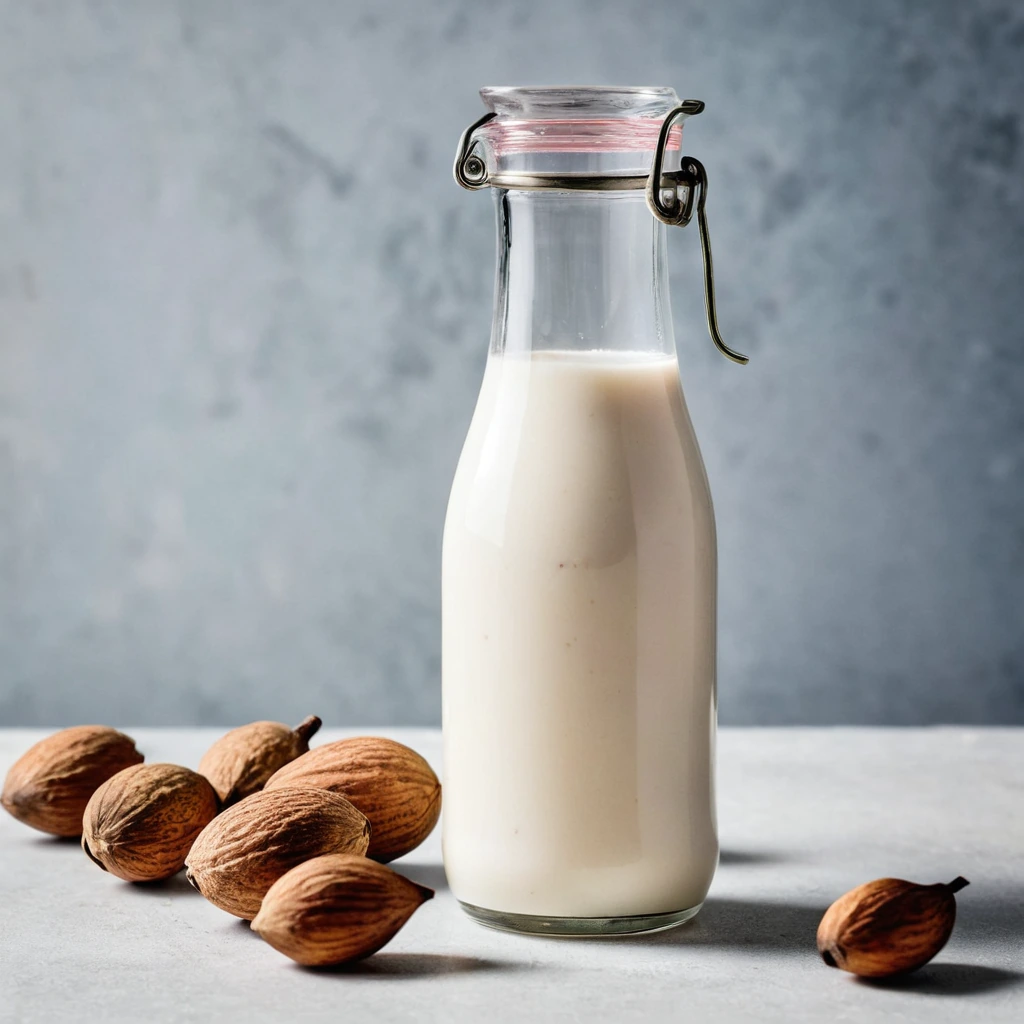
Almond Milk
Almond milk is a plant-based milk alternative made from ground almonds and water. Originating from traditional recipes in medieval Europe and the Middle East, it has gained widespread popularity in modern times as a dairy-free option. Almond milk has a subtly nutty flavor with a mild sweetness, and its aroma is reminiscent of fresh almonds. Its texture is smooth and creamy, though typically lighter than dairy milk. In cooking, almond milk behaves well in both savory and sweet applications, though it does not brown or caramelize like dairy milk. It is often used in cereals, smoothies, and baking, where its delicate flavor complements rather than overpowers other ingredients.
Recipes to try
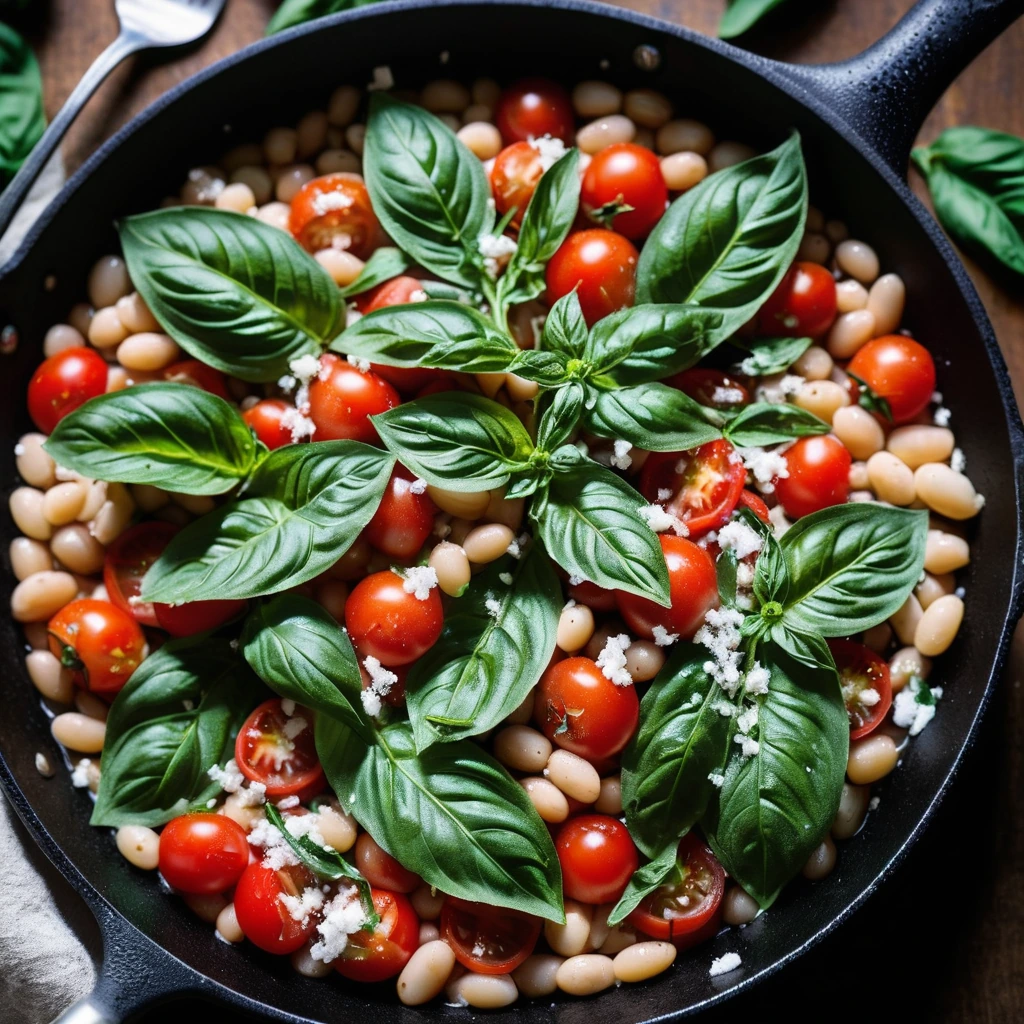
Tomato Basil White Bean Skillet with Parmesan
A comforting skillet packed with creamy white beans, ripe tomatoes, and fragrant basil, all topped with a generous sprinkle of Parmesan.
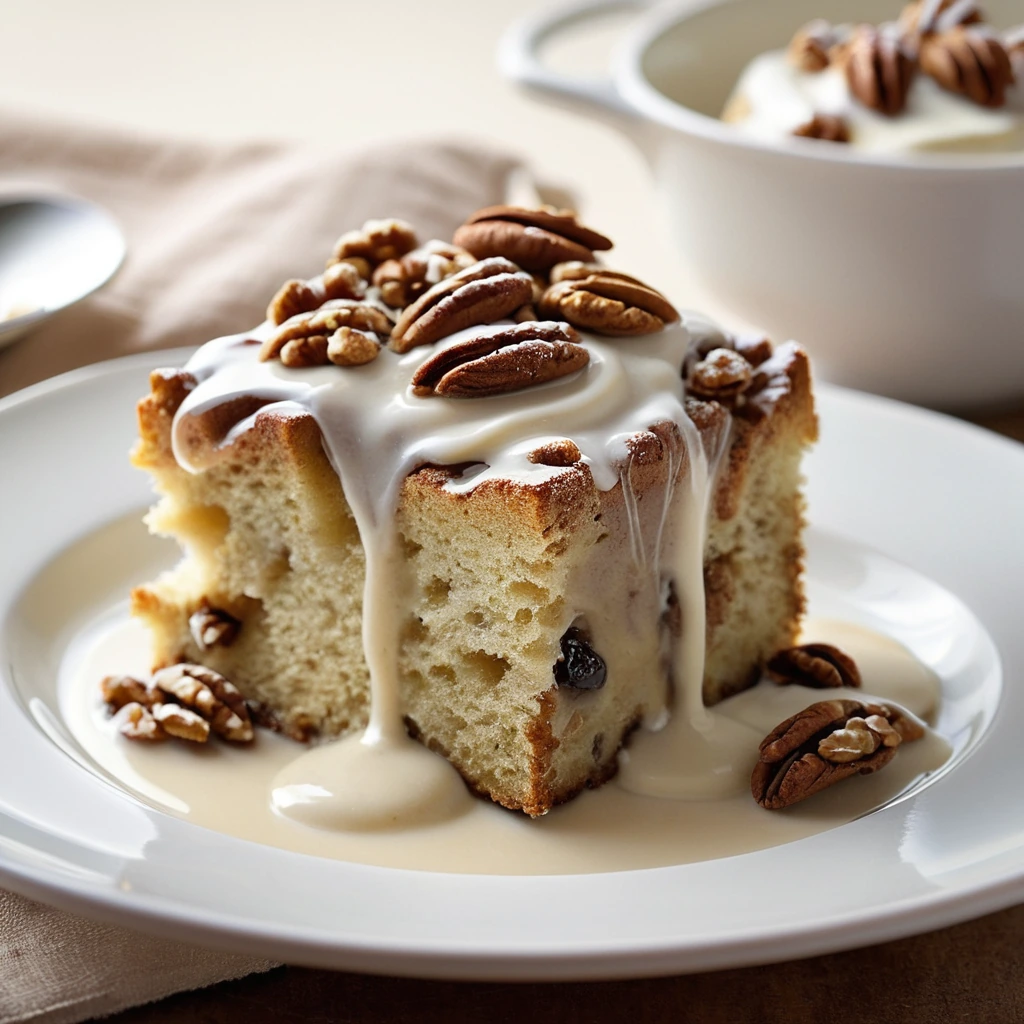
Maple Pecan Bread Pudding with Vanilla Sauce
Warm, spiced bread pudding drizzled with maple syrup and crunchy pecans, served with a silky vanilla sauce.