Starch Technique: Kneading Fresh Pasta Dough by Hand
Creating fresh pasta from scratch is an art that transforms simple ingredients into a culinary masterpiece. The starch technique for kneading fresh pasta dough by hand is a method that harnesses the natural starches in flour to develop gluten properly, resulting in a silky, resilient dough. This technique is perfect for home cooks who want to avoid using a pasta machine and still achieve professional results. By understanding the science behind gluten development and the role of starch, you can knead your dough with confidence, ensuring it's neither too tough nor too fragile. We'll guide you through the process, step by step, so you can create pasta dough that's ready for rolling, shaping, and savoring. Let's dive into the tactile world of pasta making, where patience and practice lead to plates of perfection.
Notes
The starch technique works because kneading activates the gluten in flour, creating elasticity. The gradual incorporation of flour ensures even gluten development. A common mistake is adding too much flour, which can dry out the dough; instead, use water sparingly to adjust consistency. Ensure your work surface is lightly floured to prevent sticking. For safety, always wash your hands before handling food. To make ahead, wrap the dough tightly in plastic wrap and refrigerate for up to 2 days. When ready to use, allow it to come to room temperature and knead briefly before rolling.
Steps
- 1 Combine 2 cups all-purpose flour and 1/4 teaspoon salt in a large mixing bowl.
- 2 Make a well in the center and crack 2 large eggs into it.
- 3 Using a fork, gently beat the eggs and gradually incorporate the flour from the edges.
- 4 Once a shaggy dough forms, turn it out onto a clean, floured work surface.
- 5 Lightly dust your hands with flour and begin kneading the dough.
- 6 Press the dough away with the heels of your hands, fold it over, and give it a quarter turn.
- 7 Repeat the pressing and folding for about 8-10 minutes, until the dough becomes smooth and elastic.
- 8 Occasionally lift the dough to ensure no flour is stuck underneath; adjust flour if the dough is too sticky.
- 9 To test if the dough is ready, press it with your finger; it should spring back without sticking.
- 10 Form the dough into a ball, cover it with a clean kitchen towel, and let it rest for 30 minutes.
- 11 After resting, gently knead the dough for another minute to redistribute any air pockets.
- 12 The dough is now ready to be rolled out or stored for later use.
- 13 Remember, consistency is key; avoid overworking the dough to prevent toughness.
Ingredients to explore
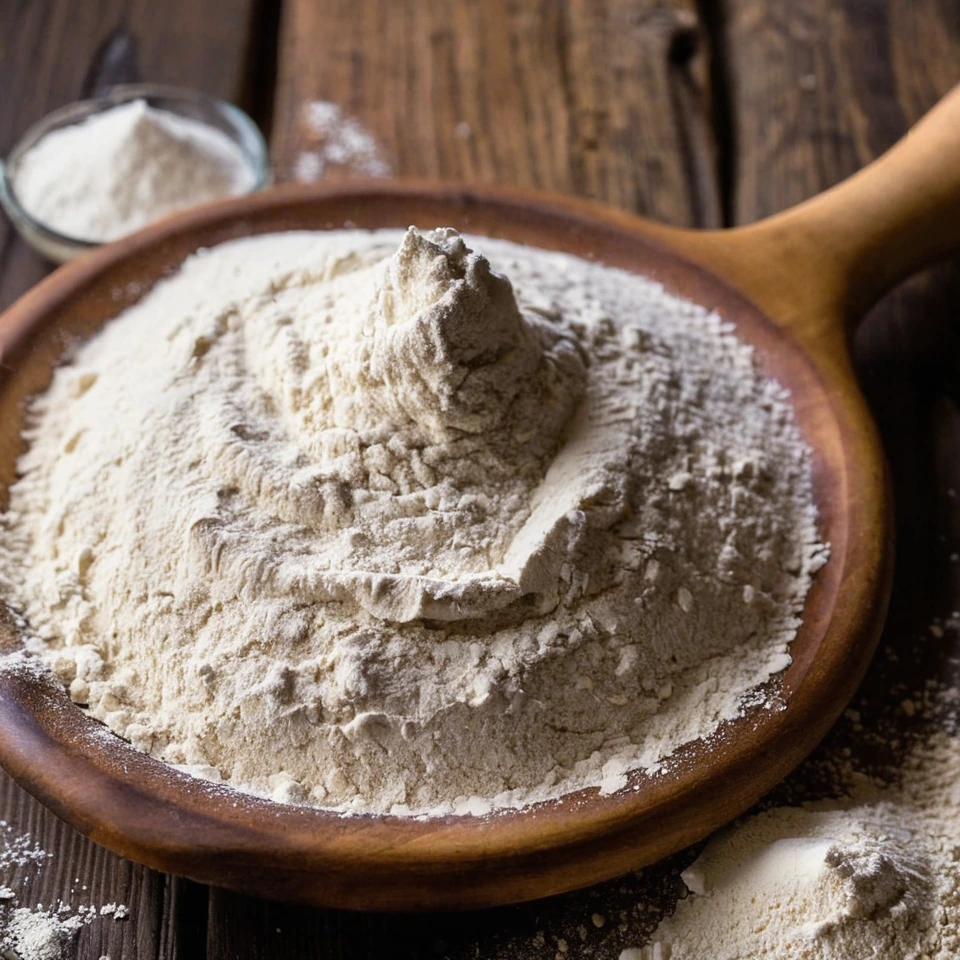
All-Purpose Flour
All-purpose flour is a versatile wheat flour that contains a moderate level of protein and gluten, making it suitable for a wide range of baking and cooking needs.
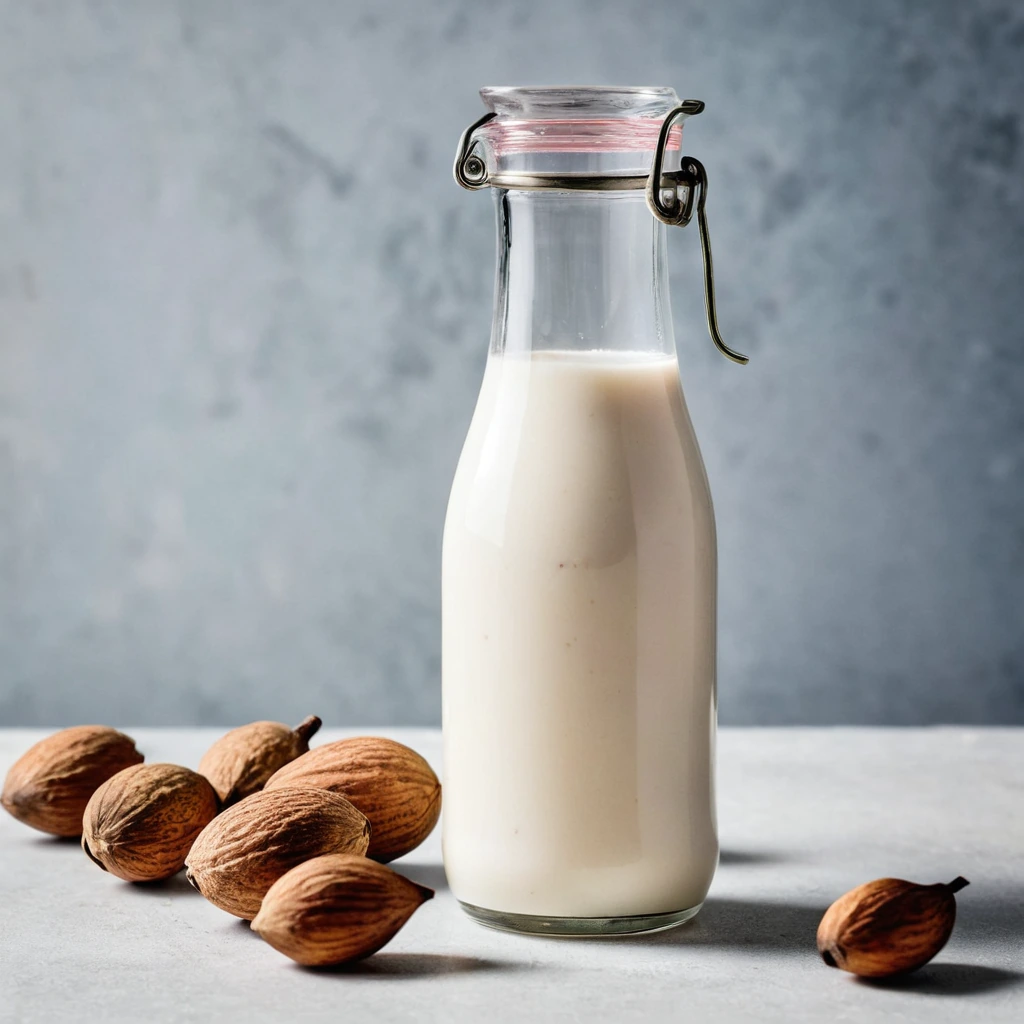
Almond Milk
Almond milk is a plant-based milk alternative made from ground almonds and water. Originating from traditional recipes in medieval Europe and the Middle East, it has gained widespread popularity in modern times as a dairy-free option. Almond milk has a subtly nutty flavor with a mild sweetness, and its aroma is reminiscent of fresh almonds. Its texture is smooth and creamy, though typically lighter than dairy milk. In cooking, almond milk behaves well in both savory and sweet applications, though it does not brown or caramelize like dairy milk. It is often used in cereals, smoothies, and baking, where its delicate flavor complements rather than overpowers other ingredients.