Starch Technique: Creamy Mashed Potatoes Without Gummy Texture
Creating creamy mashed potatoes without the dreaded gummy texture is an art that relies on understanding starch behavior. The key lies in managing the starch granules present in potatoes, which can swell and burst if mishandled, leading to a gluey mess. The starch technique involves selecting the right potato variety, controlling cooking times, and incorporating fats and liquids correctly to achieve a velvety texture. Russet potatoes, with their high starch content and low moisture, are ideal for this technique. When cooked properly, their cells break down just enough to create a smooth mash without over-releasing starch. It's crucial to avoid overworking the potatoes, as this can release excess starch and lead to gumminess. Adding dairy at the right moment helps to coat the starch granules, preventing them from absorbing too much liquid and becoming gluey. By following precise steps, home cooks can transform ordinary potatoes into a luxurious side dish that's rich and fluffy, yet holds its shape beautifully. This technique is a game-changer for holiday dinners, potlucks, and everyday meals alike, ensuring your mashed potatoes are restaurant-quality every time.
Notes
Understanding the science behind the starch technique ensures success. Russet potatoes have large starch granules that absorb water and swell when cooked. Overworking the potatoes can rupture these granules, releasing excess starch and leading to a gummy texture. Steaming the potatoes briefly after draining helps to evaporate surface moisture, which prevents a gluey consistency. Adding dairy products like cream and butter not only enhances flavor but also coats the starch granules, preventing them from clumping together. Common mistakes include boiling potatoes too vigorously or mashing them too aggressively. To avoid these, simmer gently and use a gentle touch when mashing. For storage, keep mashed potatoes in an airtight container in the refrigerator for up to 3 days. Reheat gently with a splash of milk to restore creaminess.
Steps
- 1 Select 2 pounds of russet potatoes for their high starch content.
- 2 Scrub potatoes clean and cut into evenly sized chunks for uniform cooking.
- 3 Place potatoes in a large pot and cover with cold water by 2 inches.
- 4 Bring water to a boil over high heat, then reduce to a simmer and cook for 15-20 minutes until tender.
- 5 Drain potatoes thoroughly in a colander and let steam for 2 minutes to remove excess moisture.
- 6 Return potatoes to the pot and mash with a ricer or masher until smooth but not overworked.
- 7 Heat 1/2 cup heavy cream and 1/4 cup unsalted butter in a saucepan until warm but not boiling.
- 8 Gradually fold the warm cream mixture into the potatoes until fully incorporated.
- 9 Season with salt and white pepper to taste, starting with 1 teaspoon of each.
- 10 Adjust consistency with additional warm cream or butter if needed for desired creaminess.
- 11 Transfer mashed potatoes to a serving dish and serve immediately for best texture.
Ingredients to explore

Andouille Sausage
Andouille sausage is a coarse-grained, smoked pork sausage with a rich history rooted in French cuisine, particularly from the Alsace region. It was adapted in Louisiana, where it became a staple in Cajun and Creole cooking. The sausage is known for its robust, smoky flavor with hints of garlic, pepper, and other spices, creating a spicy and savory profile. Its texture is firm yet slightly chewy, making it a hearty addition to dishes. When cooked, andouille sausage maintains its shape well and infuses dishes with its distinctive smoky essence, enhancing stews, soups, and rice dishes.
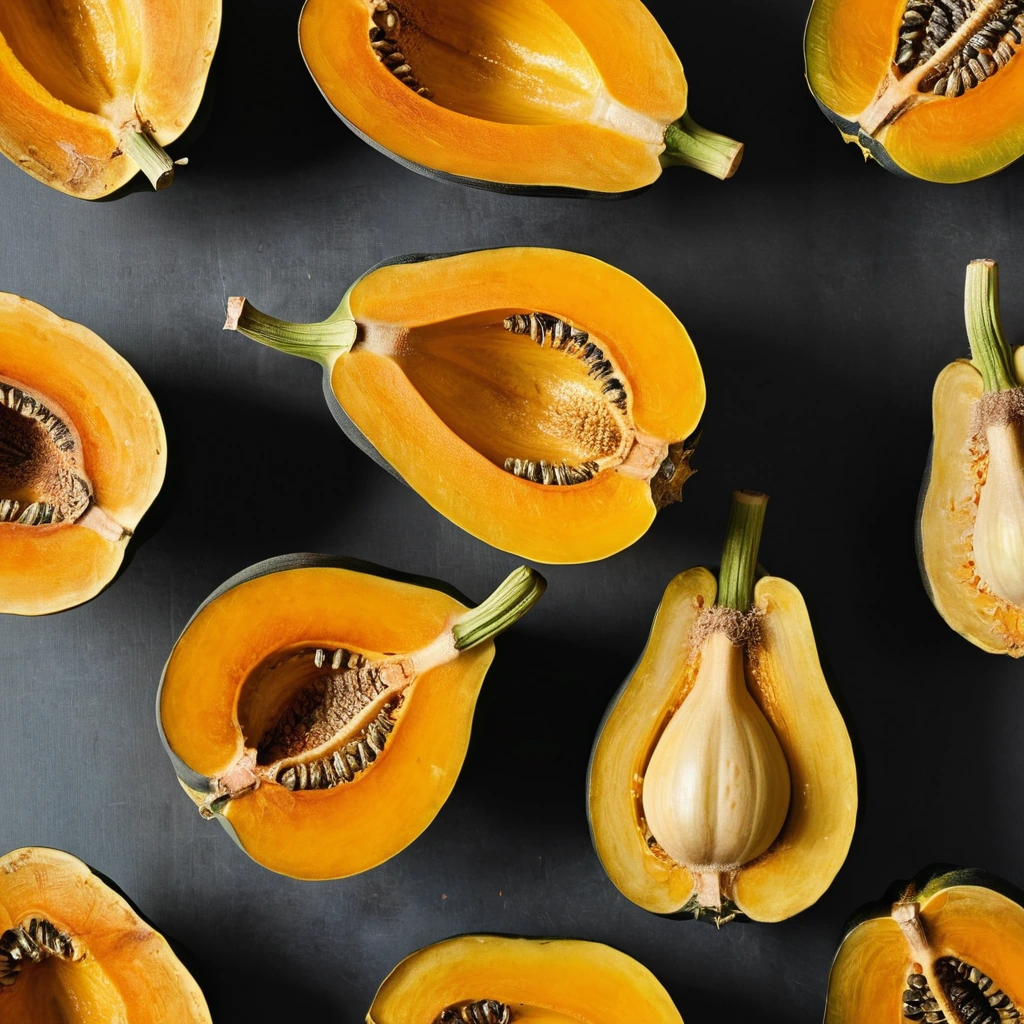
Acorn Squash
Acorn squash is a winter squash variety known for its distinctive teardrop shape and deep ridges resembling the texture of an acorn shell. Originating in the Americas, it has been cultivated for centuries and is a staple in autumn cuisine. The flesh is sweet and nutty with a hint of earthiness, offering a delightful contrast to savory dishes. Its texture is dense yet tender when cooked, making it ideal for roasting or pureeing. In cooking, acorn squash holds its shape well and absorbs flavors from herbs and spices, enhancing both its taste and versatility in recipes.
Recipes to try
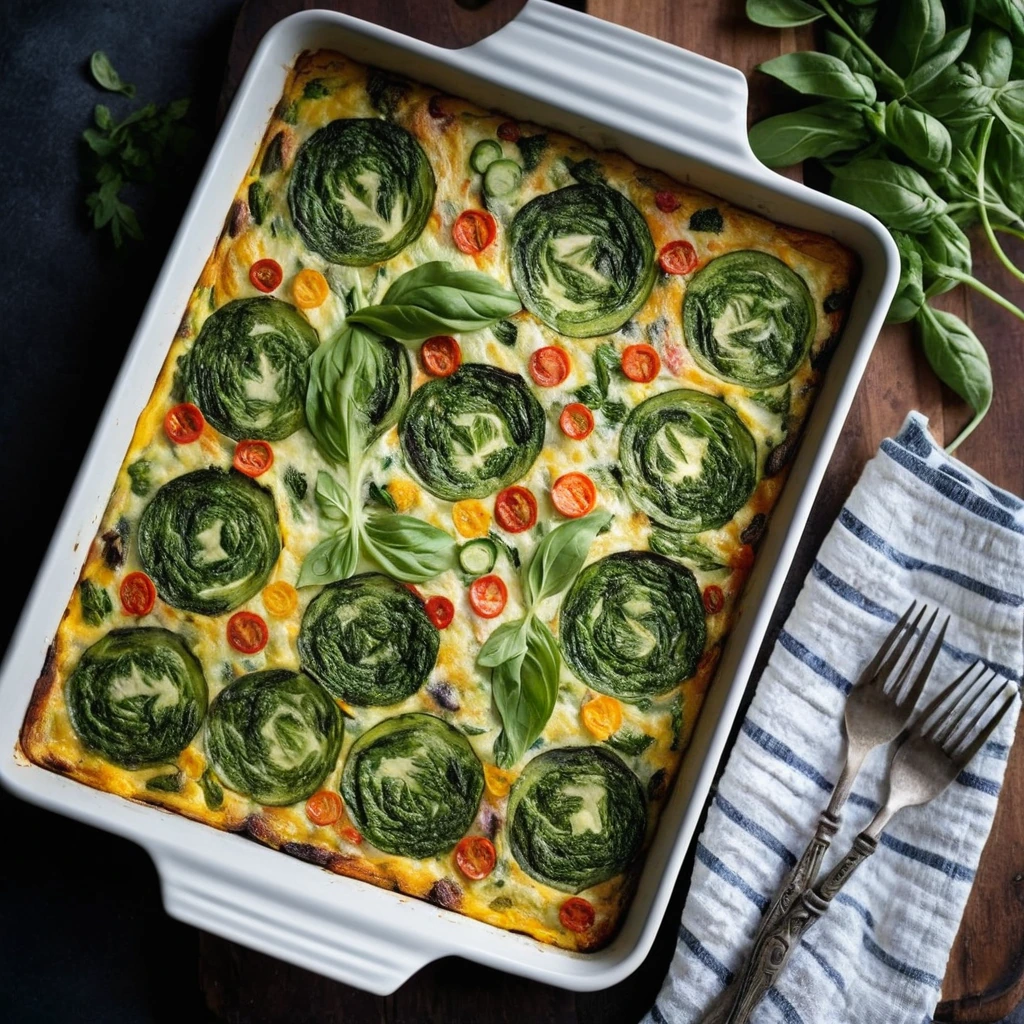
Veggie and Cheese Sheet Pan Frittata
Imagine a golden, bubbly frittata loaded with colorful veggies and melty cheese, all baked to perfection on a single sheet pan.
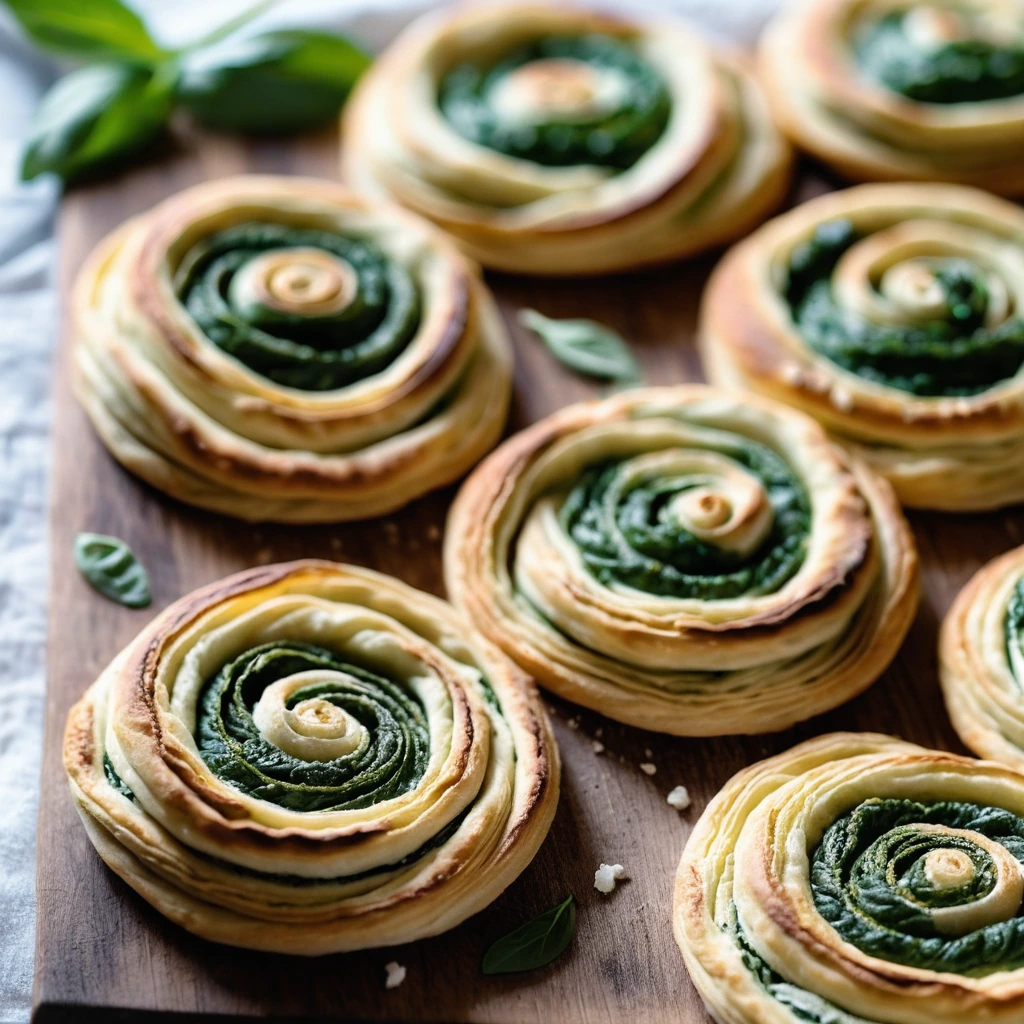
Spinach and Feta Puff Pastry Swirls
Golden, flaky layers of puff pastry embrace a savory mix of spinach and tangy feta in these irresistible swirls.