Starch Technique: Cooking Rice Fluffy on the Stovetop
Achieving perfectly fluffy rice on the stovetop is an art that transforms an everyday grain into a restaurant-worthy side dish. The secret lies in the starch technique, which controls moisture and prevents the rice from turning into a sticky mess. This method involves rinsing, soaking, and cooking rice in a precise manner to ensure each grain is separate and tender. We'll dive into why rinsing removes excess starch, how soaking primes the grains for even cooking, and the importance of maintaining the correct water-to-rice ratio. We'll also explore the role of resting time, which allows the rice to finish cooking off the heat and absorb any remaining moisture. By mastering this technique, you'll unlock the potential to serve rice that's light, airy, and irresistibly delicious.
Notes
The science behind this technique is straightforward: rinsing removes surface starch that can cause stickiness, while soaking allows the grains to absorb water evenly, leading to uniform cooking. The resting period is crucial as it lets the rice finish cooking with residual heat and moisture, preventing the need to lift the lid and release steam prematurely. Common mistakes include using too much water, not soaking the rice, or opening the lid during cooking, all of which can lead to mushy or unevenly cooked rice. For safety, always use a timer to avoid overcooking. To store, transfer cooled rice to an airtight container and refrigerate for up to 5 days. Reheat gently with a splash of water to maintain texture.
Steps
- 1 Rinse 1 cup of rice under cold water until the water runs clear to remove excess starch.
- 2 Soak the rice in fresh water for 30 minutes, then drain thoroughly.
- 3 Combine the rice with 1 ¾ cups of water in a medium saucepan.
- 4 Bring the mixture to a boil over high heat.
- 5 Once boiling, reduce the heat to low, cover the saucepan with a tight-fitting lid, and simmer for 18 minutes.
- 6 Remove the saucepan from the heat and let it sit, still covered, for 10 minutes.
- 7 Fluff the rice gently with a fork, being careful not to mash the grains.
- 8 Serve immediately for optimal fluffiness.
Ingredients to explore
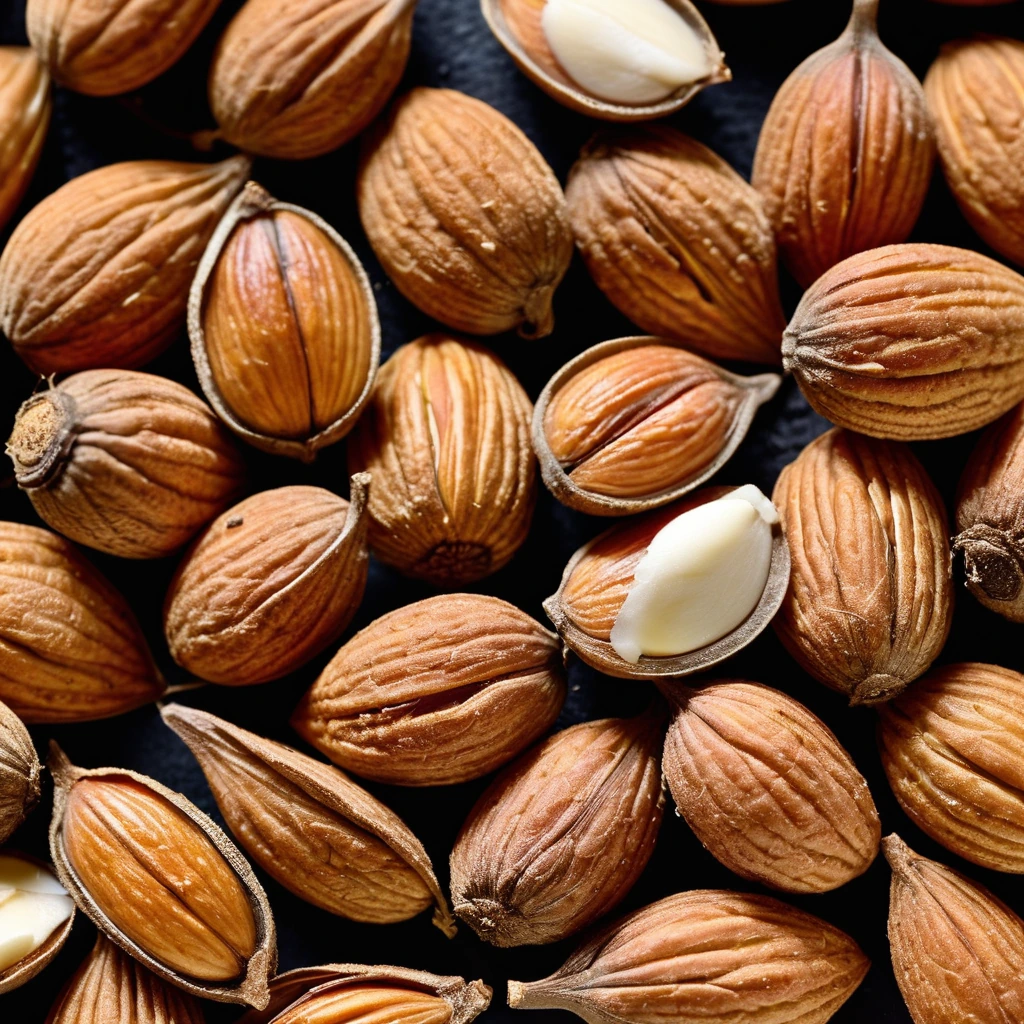
Almond Extract
A fragrant, golden elixir that captures the essence of freshly ground almonds, almond extract is a pantry staple that brings a rich, nutty aroma to your culinary creations.
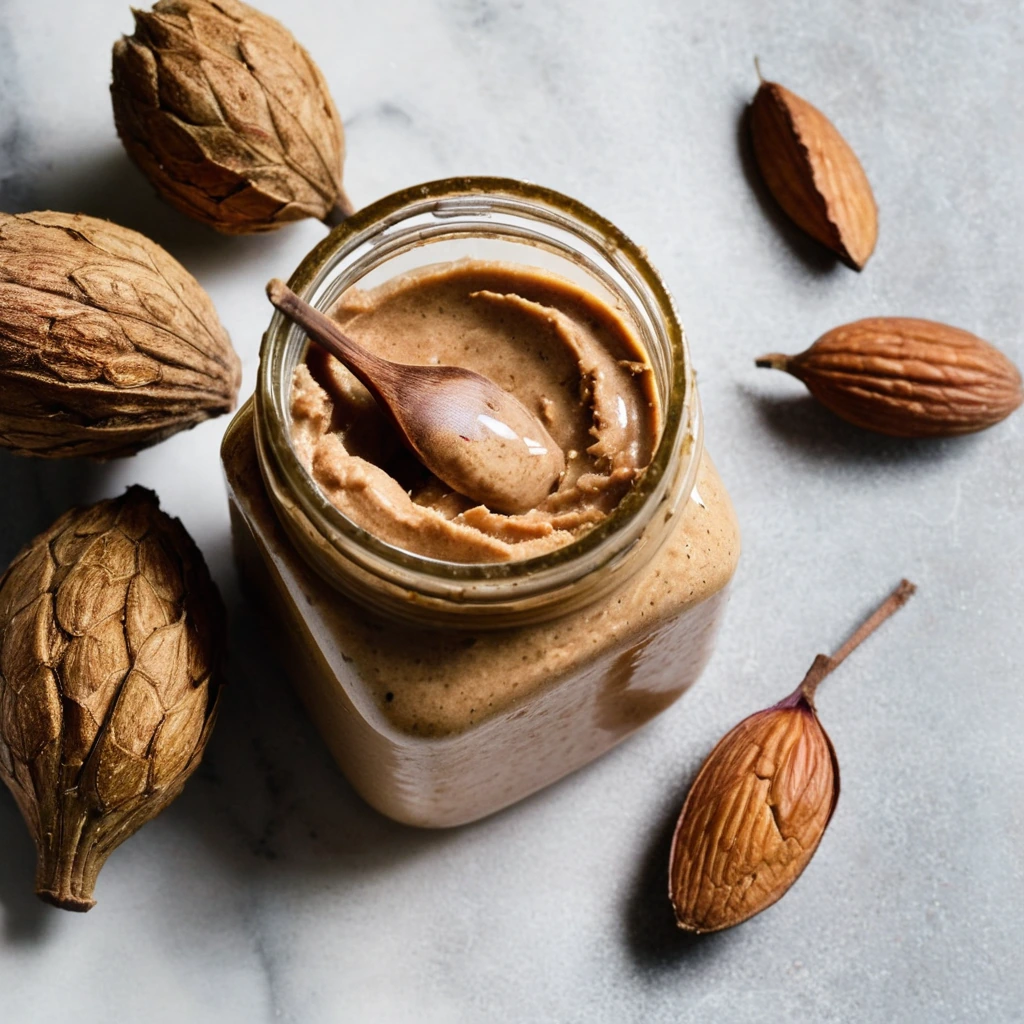
Almond Butter
A velvety, nutty spread crafted from finely ground almonds, offering a rich and satisfying flavor that's both comforting and indulgent.
Recipes to try
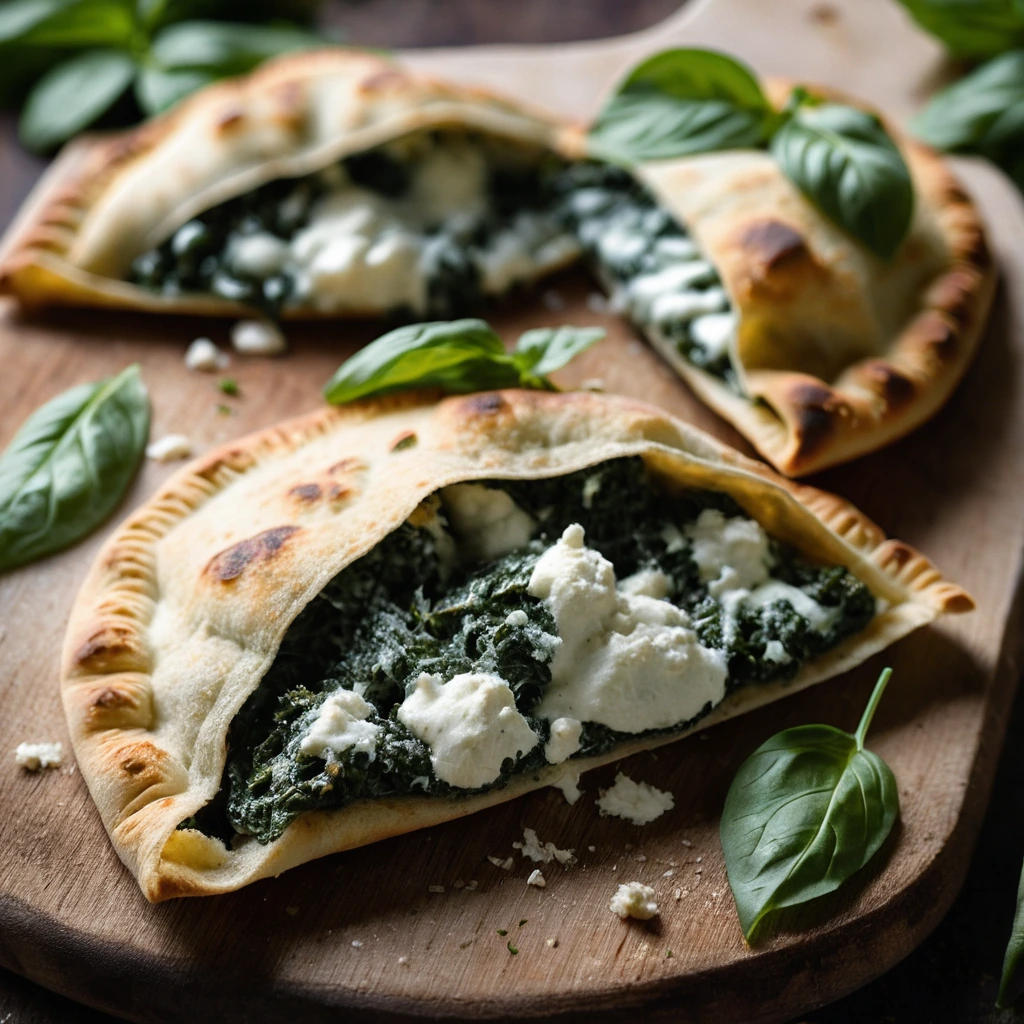
Spinach and Ricotta Stuffed Pizza Pockets
Golden, crispy pockets filled with a creamy ricotta and spinach blend that'll have you reaching for seconds.
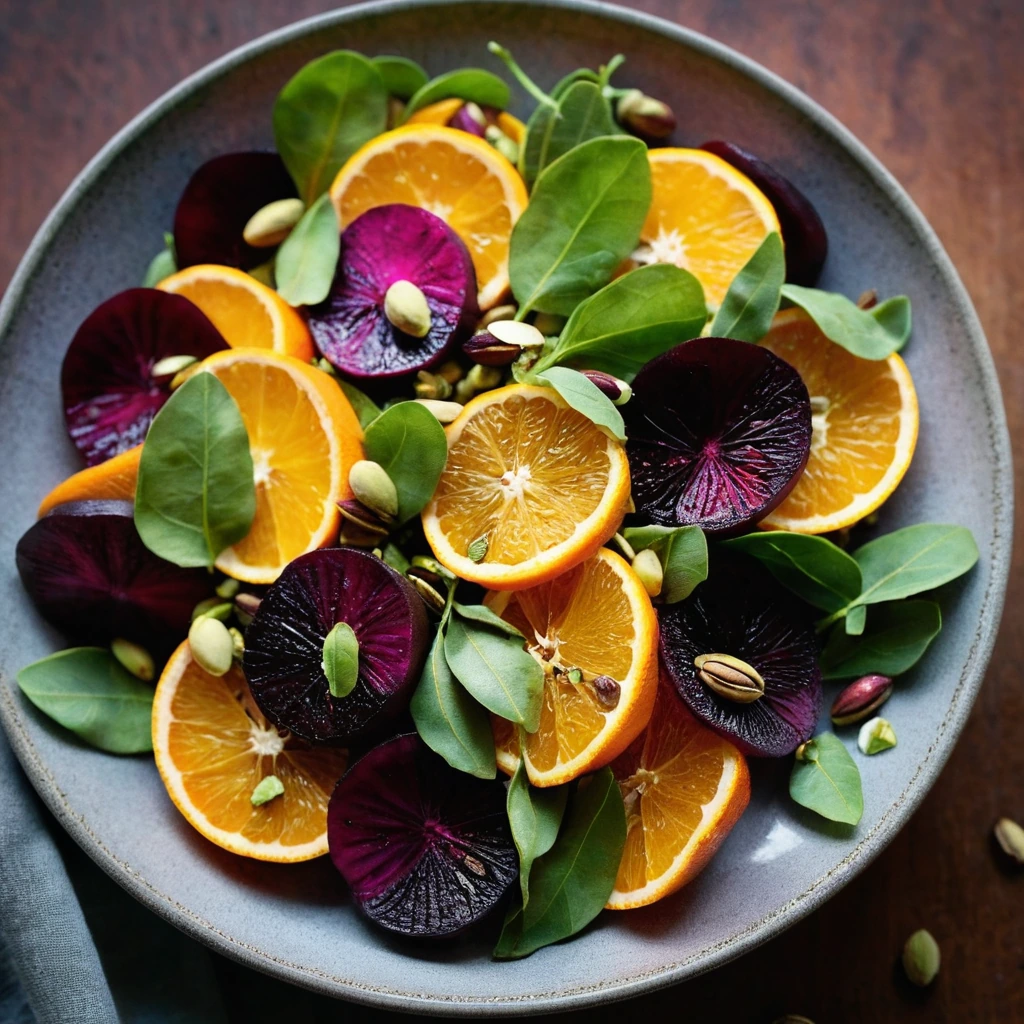
Roasted Beet, Orange, and Pistachio Salad
Warm roasted beets mingle with citrusy orange segments and crunchy pistachios for a vibrant, refreshing salad that sings with color and flavor.