Soups: Pureeing Soups Smoothly with an Immersion Blender
Achieving a velvety smooth texture in your soups is an art, and using an immersion blender is the key to unlocking that creamy perfection right in your pot. This technique not only saves time but also ensures that you can control the texture to your liking without transferring hot liquids to a countertop blender. Let’s dive into the world of pureeing soups with an immersion blender, a tool that's both convenient and efficient. First, it’s essential to understand the mechanics of your immersion blender. These blenders work by using rapidly rotating blades to break down food into a smooth consistency. When pureeing soups, the direct application of the blender in the pot allows for a more even texture, reducing the chances of overworking certain areas. Second, safety is paramount. Hot liquids can cause pressure build-up and splattering, so always submerge the blender fully and start on a low setting. Third, timing is everything. Knowing when to puree your soup can greatly affect the final flavor and texture. Generally, you want to puree your soup after all the ingredients are cooked and seasoned, ensuring that the heat is distributed evenly. Fourth, consider the ingredients. Some soups benefit from a completely smooth texture, while others might need a bit of chunkiness for contrast. Lastly, mastering the technique requires patience and practice. The more you puree, the better you'll become at judging the right consistency and texture for different types of soups. Let’s explore how to achieve that professional touch in your homemade soups with ease and confidence.
Notes
Pureeing soups with an immersion blender is efficient because it allows for direct blending in the cooking vessel, minimizing transfer and potential spills. The science behind this technique lies in the shear force created by the rapidly spinning blades, which breaks down cell walls in vegetables and other ingredients, releasing their natural pectin and creating a smooth texture. A common mistake is to puree soup that is too hot, which can cause splattering and potential burns, so always ensure the soup is at a safe handling temperature. Another mistake is over-processing, which can lead to a loss of flavor and texture. To prevent this, check the consistency often. As for storage, allow the soup to cool before refrigerating, and it will typically keep well for 3-4 days. Always use caution when handling hot liquids and sharp blades.
Steps
- 1 Allow your soup to simmer until all ingredients are cooked through.
- 2 Taste and adjust seasoning before pureeing.
- 3 Ensure the soup is at a safe temperature to handle, but still hot enough to puree smoothly.
- 4 Submerge the immersion blender fully into the soup, away from the sides of the pot.
- 5 Start blending on low speed to release any air bubbles and prevent splattering.
- 6 Gradually increase speed to achieve desired smoothness.
- 7 Move the blender around in a circular motion to ensure even pureeing.
- 8 Check consistency frequently to avoid over-processing.
- 9 Once smooth, turn off the blender and carefully remove it from the pot.
- 10 Taste again and adjust seasoning if necessary after pureeing.
- 11 Serve immediately or keep warm until ready to serve.
- 12 Clean the blender promptly to avoid food residue hardening.
Ingredients to explore
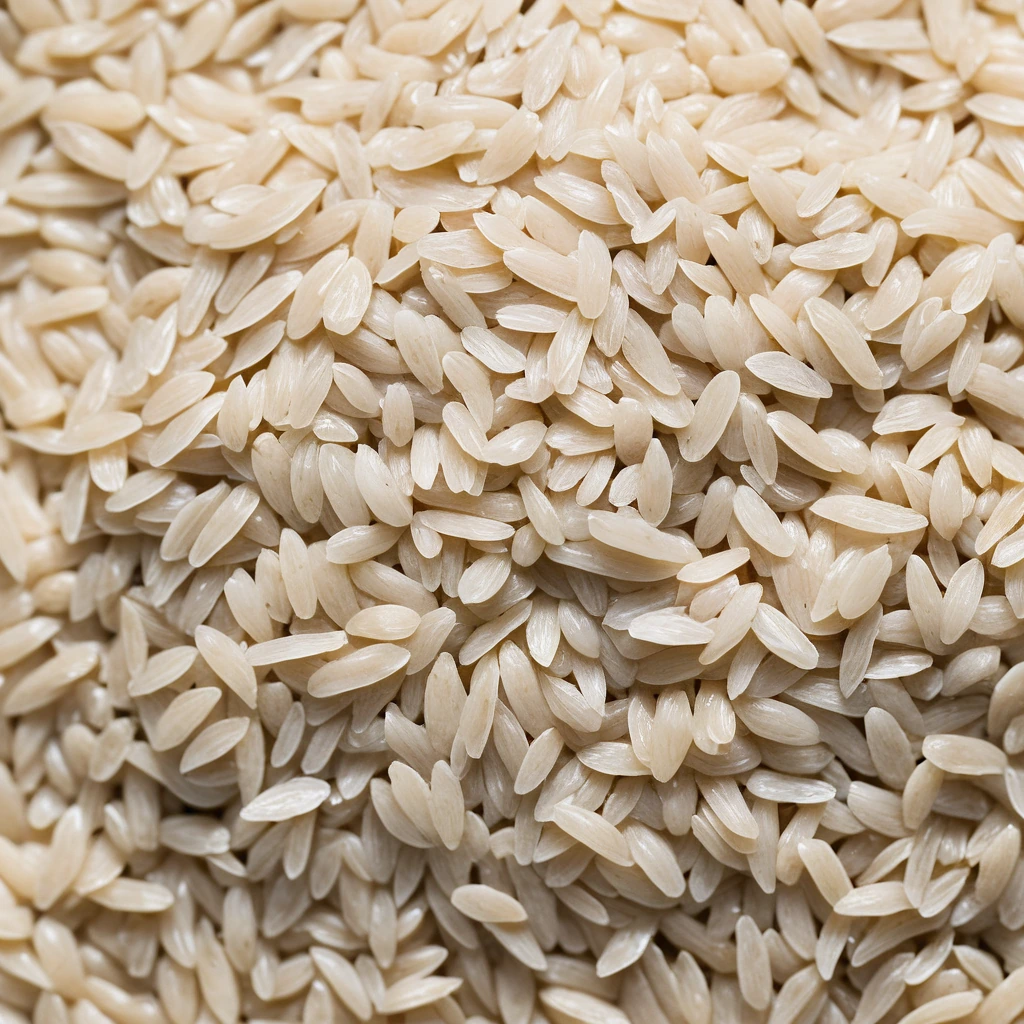
Arborio Rice
Arborio rice is a short-grain Italian rice variety renowned for its use in risotto. Originating from the Po Valley in Northern Italy, it is a staple in Italian cuisine. Its flavor is mild and nutty, with a pleasant creamy texture when cooked due to its high amylopectin content, which releases starch and creates a velvety consistency. The grains remain plump and firm to the bite, offering a satisfying chewiness. In cooking, Arborio rice excels at absorbing flavors from broths and seasonings while maintaining its shape, making it ideal for dishes that require both creaminess and structure.

2% Milk
Creamy and just a touch lighter than whole milk, 2% milk offers a perfect balance of richness and reduced fat. Its smooth texture and subtle sweetness make it a delightful choice for sipping or cooking.
Recipes to try
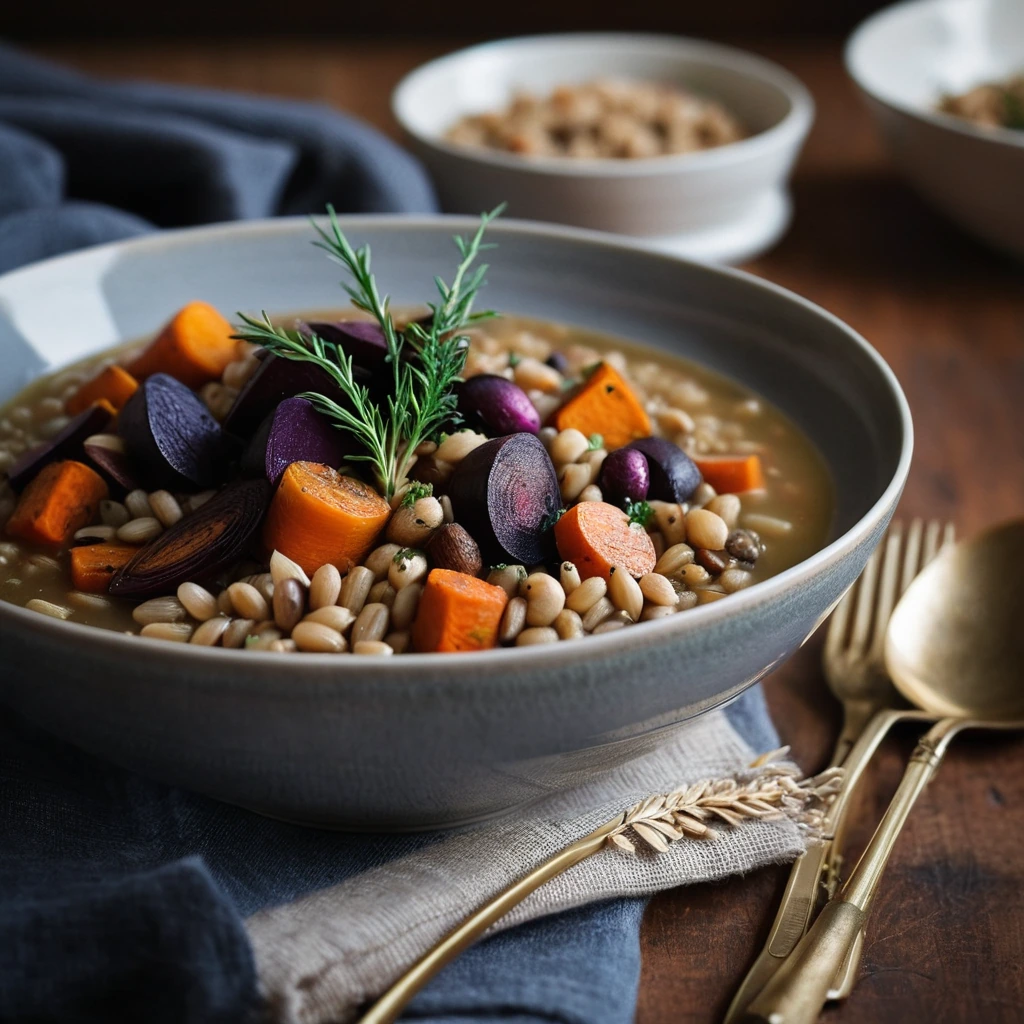
Roasted Root Vegetable and Barley Stew
Hearty and deeply flavorful, this stew marries caramelized root veggies with chewy barley for a comforting bowlful of warmth.
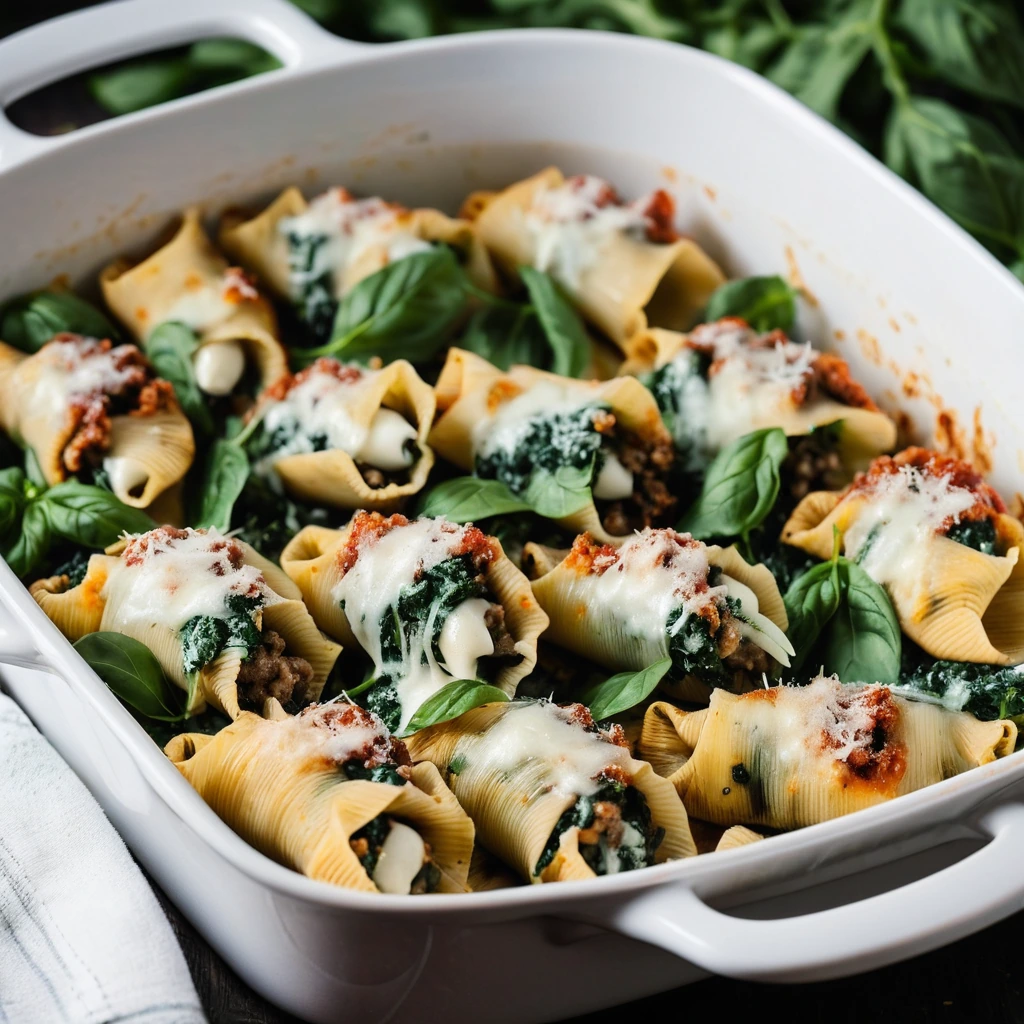
Sausage and Spinach Stuffed Shells Bake
Creamy ricotta and hearty sausage nestled in pasta shells, crowned with a blanket of melted mozzarella and fresh spinach.