Soups: Brightening with Fresh Herbs at the End
Elevate your soups from ordinary to extraordinary with the simple yet transformative technique of brightening them with fresh herbs at the end of cooking. This method is a chef's secret weapon for adding layers of flavor and vibrant color that captivate the senses. Fresh herbs bring a burst of aroma and taste that can make even the humblest of soups sing. The key is understanding which herbs work best with your soup's base flavors, and knowing exactly when to add them to maximize their impact without losing their delicate essence. Timing is crucial here; too early, and the herbs can become bitter or lose their vibrant color and flavor. Too late, and they might not release their full aromatic potential. Dive into this technique and learn how to select, prepare, and incorporate fresh herbs to achieve that professional touch in your home cooking.
Notes
The science behind this technique is simple yet profound: fresh herbs contain volatile oils that are responsible for their aroma and flavor. These oils are sensitive to heat and can quickly evaporate or degrade if exposed to prolonged cooking. Adding herbs at the end preserves these compounds, ensuring a fresher, more vibrant soup. Common mistakes include adding herbs too early or using old, dried-out herbs, both of which can result in a lackluster flavor. Always use fresh herbs for this technique, and store them properly in the fridge wrapped in a damp paper towel to maintain their freshness. This technique is perfect for make-ahead soups; simply wait to add the herbs until just before serving to preserve their potency.
Steps
- 1 Choose fresh herbs that complement your soup's primary flavors (e.g., parsley for chicken soup, basil for tomato soup).
- 2 Inspect herbs for freshness; they should be vibrant and free from yellow or brown spots.
- 3 Rinse herbs gently under cool water to remove any dirt or sand.
- 4 Pat herbs dry with a clean kitchen towel or use a salad spinner.
- 5 Strip leaves from stems if necessary, discarding any tough stems.
- 6 Chop herbs just before adding to the soup to preserve their flavor.
- 7 Turn off the heat before adding the herbs to prevent overcooking.
- 8 Stir in the herbs gently to distribute them evenly throughout the soup.
- 9 Let the soup sit covered for 2-3 minutes off the heat to allow the herbs' flavors to infuse.
- 10 Taste and adjust seasoning if necessary after adding the herbs.
- 11 Serve immediately to enjoy the full aroma and flavor profile of the fresh herbs.
Ingredients to explore
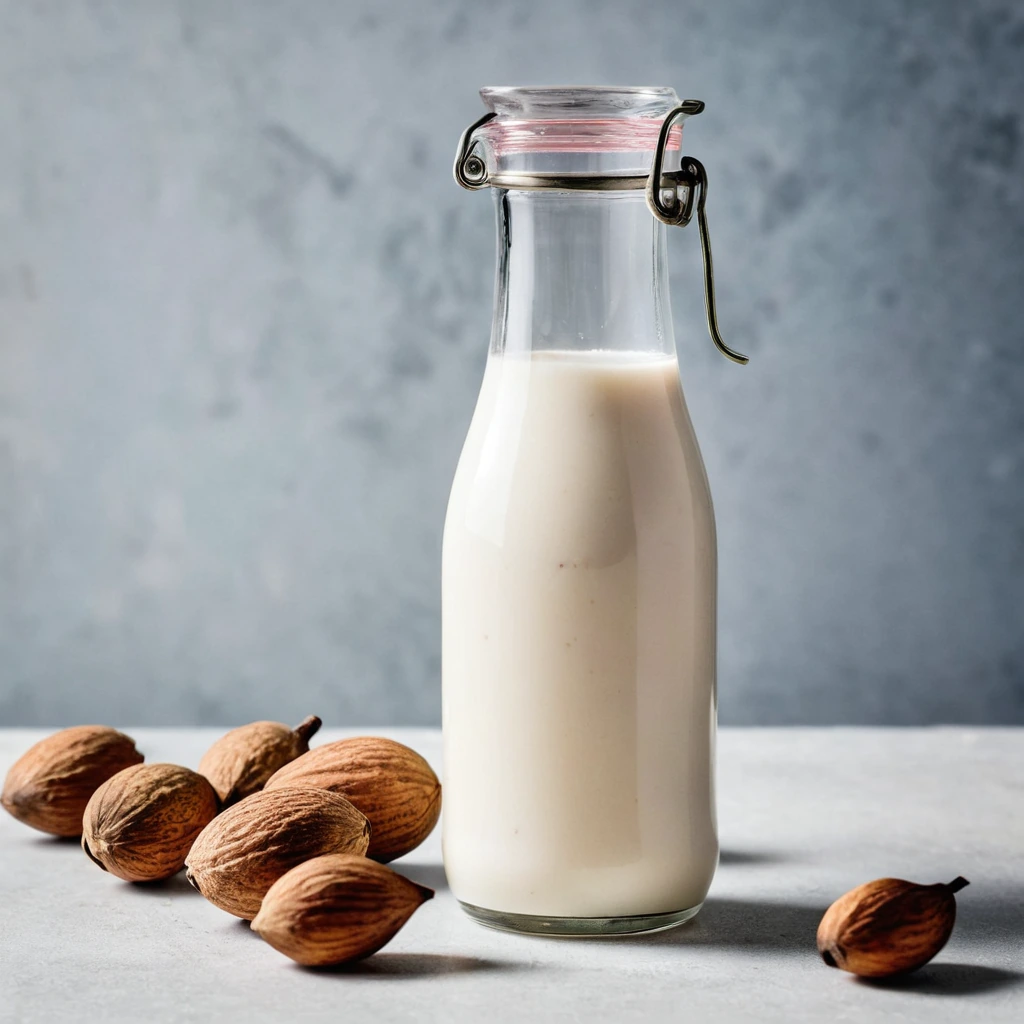
Almond Milk
Almond milk is a plant-based milk alternative made from ground almonds and water. Originating from traditional recipes in medieval Europe and the Middle East, it has gained widespread popularity in modern times as a dairy-free option. Almond milk has a subtly nutty flavor with a mild sweetness, and its aroma is reminiscent of fresh almonds. Its texture is smooth and creamy, though typically lighter than dairy milk. In cooking, almond milk behaves well in both savory and sweet applications, though it does not brown or caramelize like dairy milk. It is often used in cereals, smoothies, and baking, where its delicate flavor complements rather than overpowers other ingredients.

Anchovy Fillets
Silvery and succulent, anchovy fillets are a briny treasure from the sea. Their rich, umami flavor adds depth to dishes, making them a beloved ingredient in kitchens worldwide.
Recipes to try

Smoky BBQ Ground Beef and Cornbread Skillet
Imagine the rich smokiness of BBQ sauce mingling with tender ground beef atop golden, crumbly cornbread in a skillet.

Shrimp and Sausage Gumbo Style Stew
A hearty, soul-warming stew packed with plump shrimp, spicy sausage, and a rich, dark roux-based broth.