Soups: Blending Hot Liquids Safely
Blending hot liquids can be a risky business if you're not careful. Steam can escape violently when you plunge a blender into a pot of hot soup, leading to potential burns. This technique ensures you can achieve a smooth, velvety texture in your soups without compromising safety. We'll walk through the essential steps to manage the heat and pressure safely, ensuring your culinary experiments are both successful and secure. First, understand that hot liquids expand rapidly when agitated, which is why caution is paramount. Next, consider the tools at your disposal—immersion blenders, countertop blenders, and even food processors each have their pros and cons. Learn how to control the blending environment to minimize risks, including the correct use of kitchen gear like oven mitts and splatter guards. Discover why patience is key; allowing your soup to cool slightly before blending can drastically reduce the chances of a steamy explosion. Finally, we'll delve into why these methods work, drawing on basic principles of physics and chemistry to explain the behavior of hot liquids under pressure. By following these expert tips, you'll not only enhance your cooking skills but also ensure a safer kitchen experience.
Notes
The science behind safely blending hot liquids lies in understanding steam expansion. As liquids heat up, their molecules move faster and take up more space, creating pressure. When you blend hot liquids, the action can cause a rapid increase in pressure, leading to a potentially explosive release of steam. Cooling the soup slightly before blending reduces this risk. Using an immersion blender directly in the pot can also minimize transfers and lessen the chance of spills. Always ensure your workspace is clear and stable before beginning. If your blender struggles with hot liquids, consider adding a small amount of room-temperature liquid to ease the process. For storage, let the soup cool completely before refrigerating to prevent condensation from spoiling the texture. Properly stored in an airtight container, blended soups can last 3-4 days in the fridge.
Steps
- 1 Allow the soup to cool for 10 to 15 minutes after removing from heat.
- 2 Remove the center cap or plug from the blender lid to allow steam to escape.
- 3 Cover the hole with a folded kitchen towel to prevent splatters.
- 4 Transfer the soup to the blender in batches, filling no more than halfway.
- 5 Hold the blender lid securely with an oven mitt.
- 6 Pulse the blender at low speed initially to release steam.
- 7 Increase speed to high and blend until smooth, about 30 seconds per batch.
- 8 Return the blended soup to the pot and reheat gently over medium-low heat.
- 9 Stir occasionally to ensure even heating and prevent scorching.
- 10 Avoid overfilling the blender to prevent overflow and accidents.
Ingredients to explore
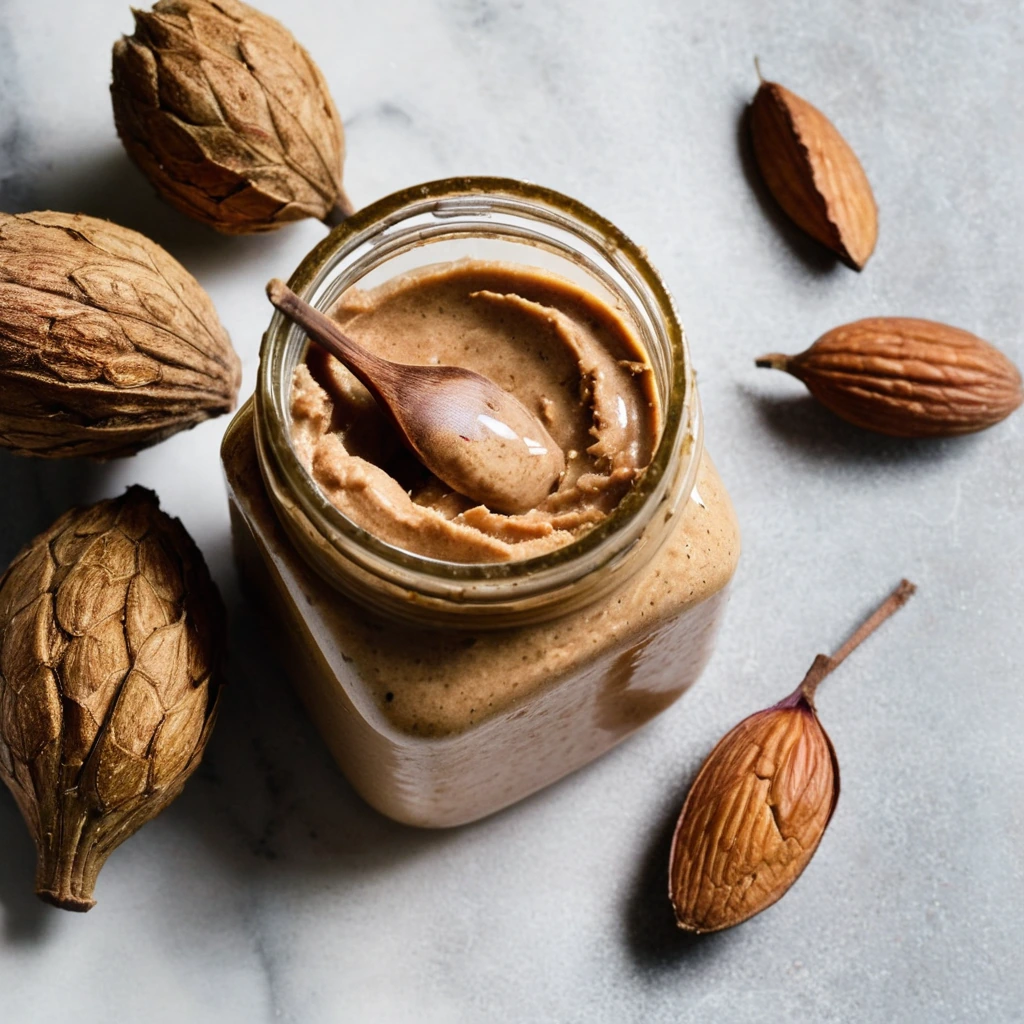
Almond Butter
A velvety, nutty spread crafted from finely ground almonds, offering a rich and satisfying flavor that's both comforting and indulgent.
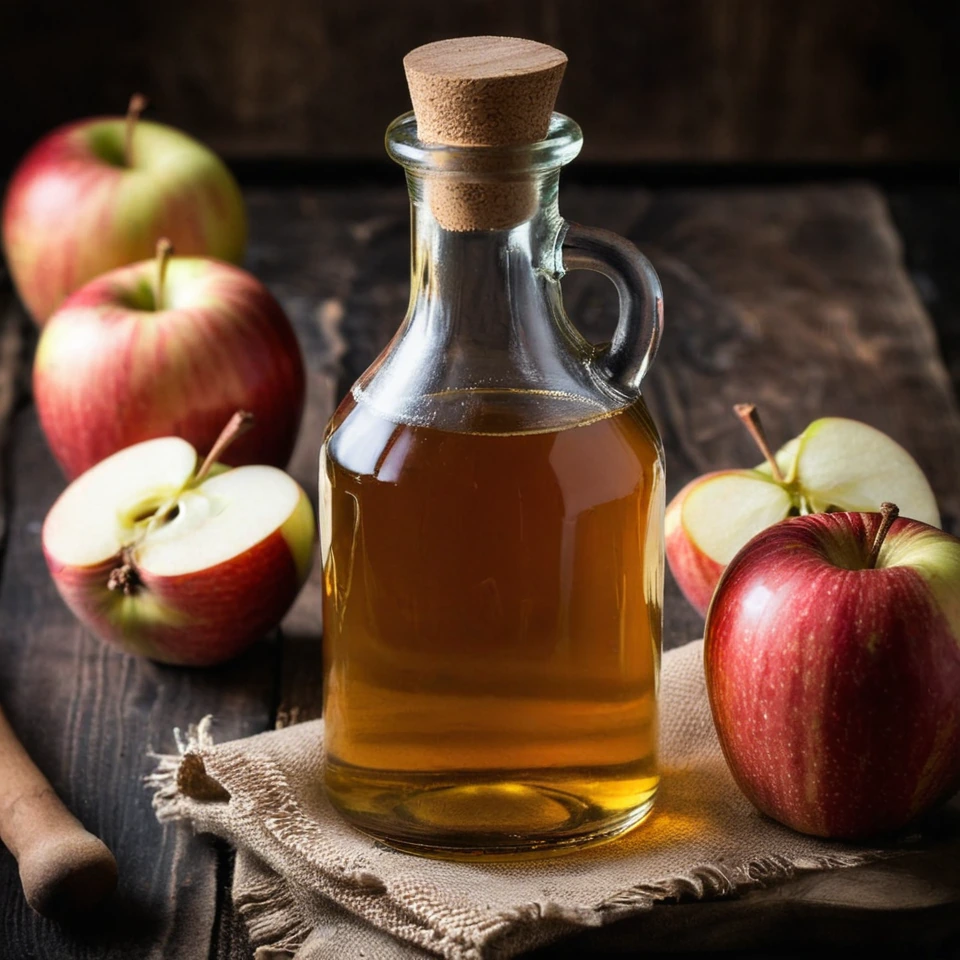
Apple Cider Vinegar
Apple cider vinegar is a type of vinegar made through the fermentation of apple cider, resulting in a tangy, slightly sweet liquid with a pale to medium amber color.
Recipes to try
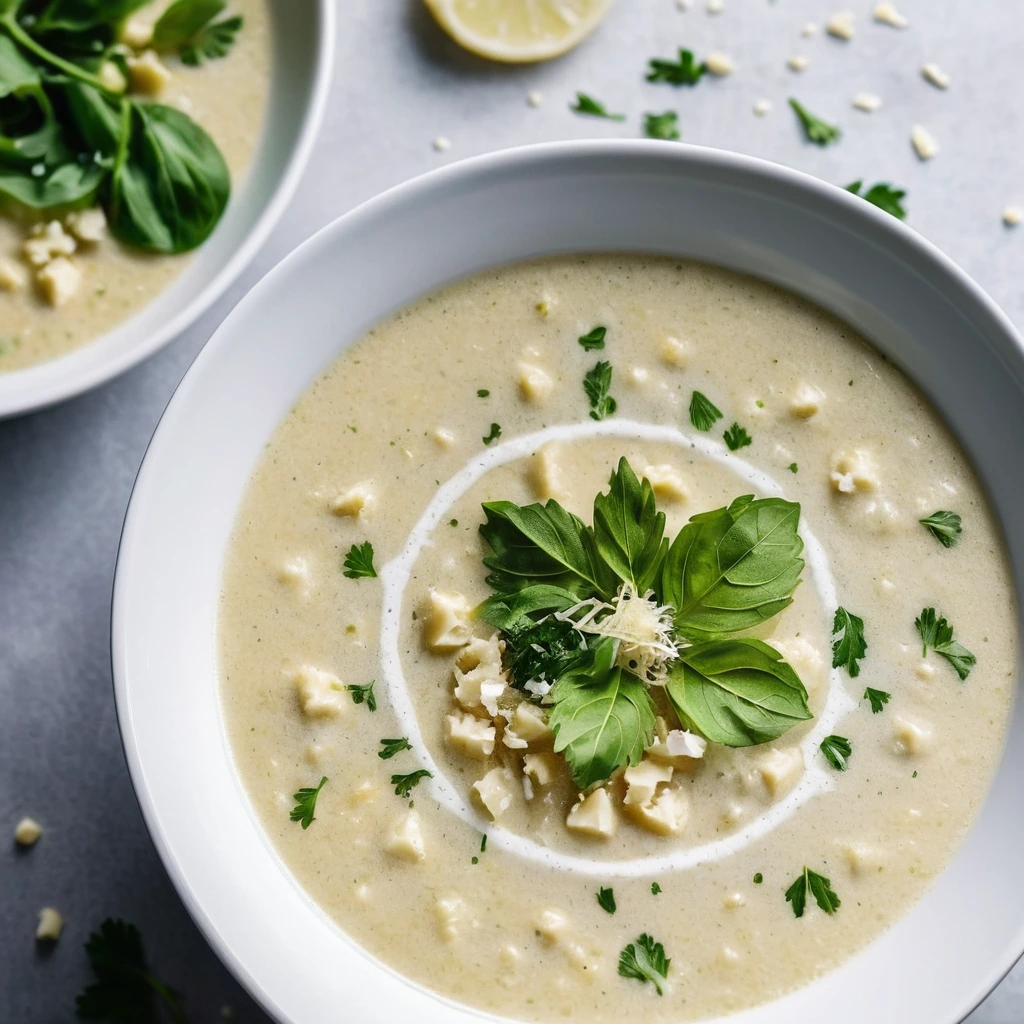
Roasted Cauliflower and Garlic Soup with Parmesan
This velvety soup is a symphony of roasted cauliflower and garlic, kissed with nutty Parmesan for a cozy, crave-worthy bowl.
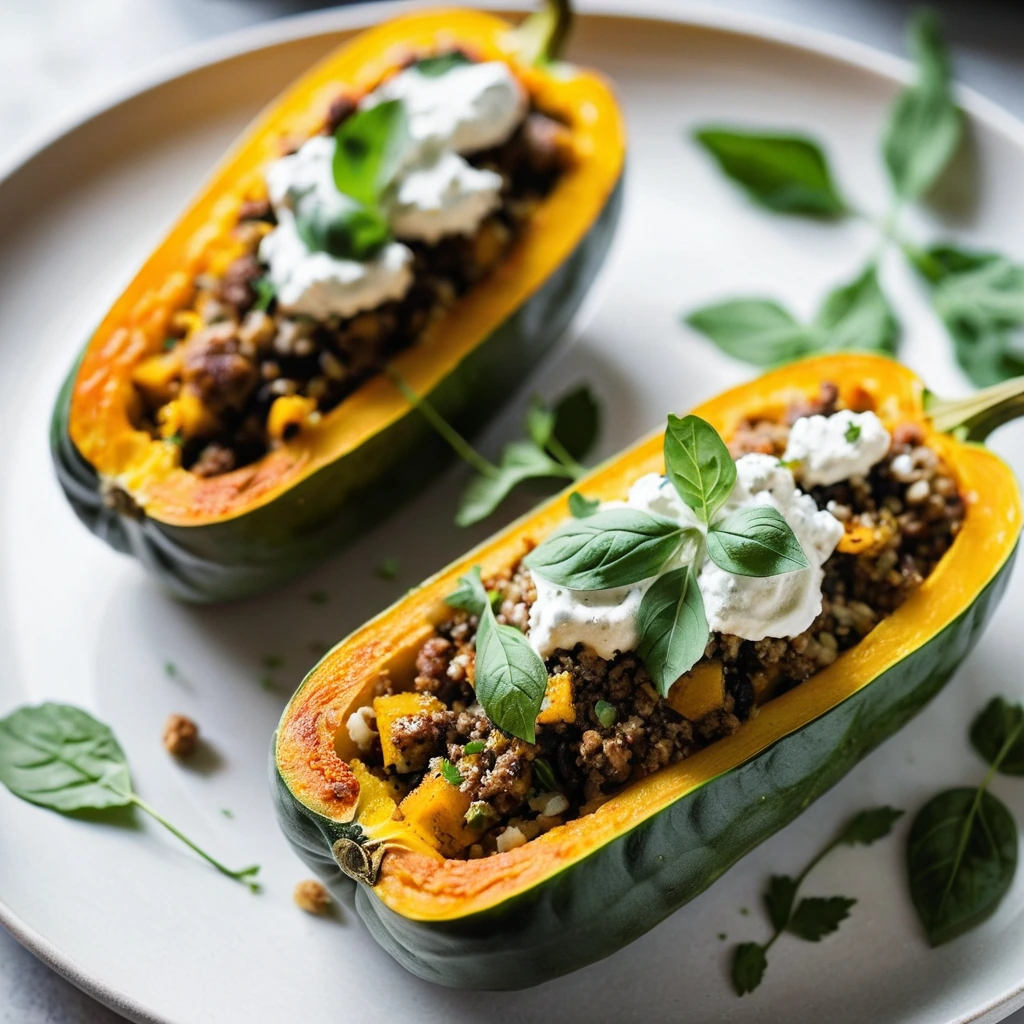
Sausage and Ricotta Stuffed Squash Boats
Tender roasted squash halves are stuffed with a savory mix of Italian sausage and creamy ricotta, making for a comforting and hearty meal.