Soups: Adjusting Thickness with Reduction
Achieving the perfect consistency in your soups can elevate them from ordinary to extraordinary. One of the most classic and effective techniques for adjusting the thickness of soups is reduction. This method involves simmering your soup to allow some of the liquid to evaporate, thereby concentrating the flavors and thickening the soup naturally. Reduction is a versatile technique that works wonders for a variety of soups, from broths to chowders. It requires patience and attention, but the results are well worth the effort. By understanding the principles of reduction, you can control the texture and richness of your soups with precision. This technique is particularly useful when you've made too much broth or when your soup just isn't reaching that desired velvety consistency. Let's dive into how to master this essential culinary skill.
Notes
The science behind reduction is simple: as the water content evaporates, the concentration of solids, including flavor compounds, increases, resulting in a richer, thicker soup. However, reduction requires vigilance; a common mistake is letting the soup boil too hard, which can lead to scorching or uneven reduction. To prevent this, keep the heat low and stir regularly. Safety is paramount; always use oven mitts when handling hot pots and avoid leaving simmering soup unattended. For make-ahead soups, allow the soup to cool completely before refrigerating in an airtight container. It can be stored for up to 3 days, though note that further thickening may occur upon chilling. Reheat gently to restore the ideal consistency.
Steps
- 1 Taste your soup and decide how much reduction is needed.
- 2 Transfer your soup to a large, wide pot to increase surface area.
- 3 Bring the soup to a gentle simmer over medium heat.
- 4 Skim off any impurities or fat that rise to the surface.
- 5 Avoid boiling; maintain a consistent, gentle simmer.
- 6 Stir occasionally to prevent sticking and ensure even reduction.
- 7 Monitor the soup's consistency, checking every 15 minutes.
- 8 Taste periodically to track flavor concentration.
- 9 Reduce heat if the soup starts to boil vigorously.
- 10 Add more water or broth if the soup reduces too quickly.
- 11 Continue simmering until the desired thickness is achieved.
- 12 Remove from heat and let the soup rest for 5 minutes before serving.
Ingredients to explore
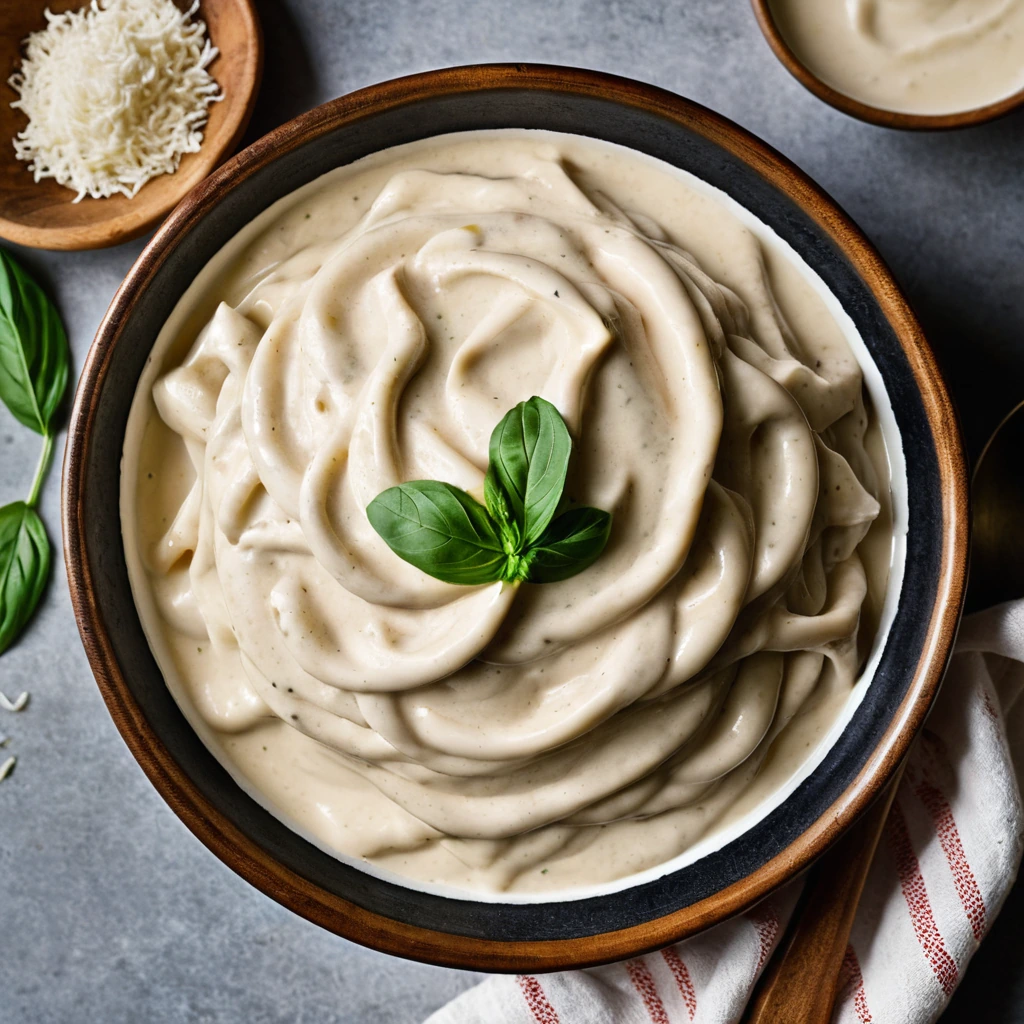
Alfredo Sauce
Creamy, rich, and utterly indulgent, Alfredo sauce is a dreamy blend of butter, heavy cream, and Parmesan cheese. Its velvety texture and savory depth make it a beloved staple in Italian-American cuisine.
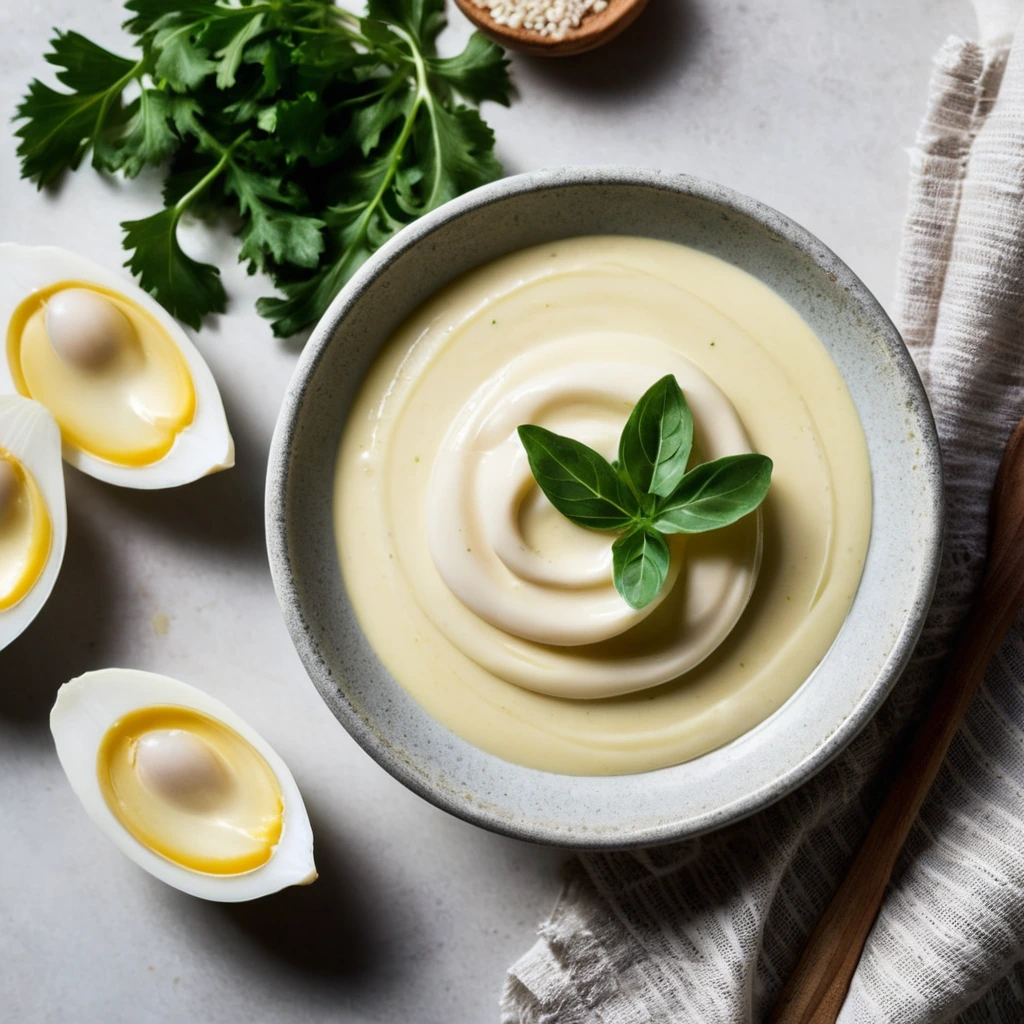
Aioli
A luscious, velvety emulsion of garlic and olive oil, aioli is a rich and aromatic sauce that dances on the palate with its creamy texture and bold, pungent flavor.
Recipes to try
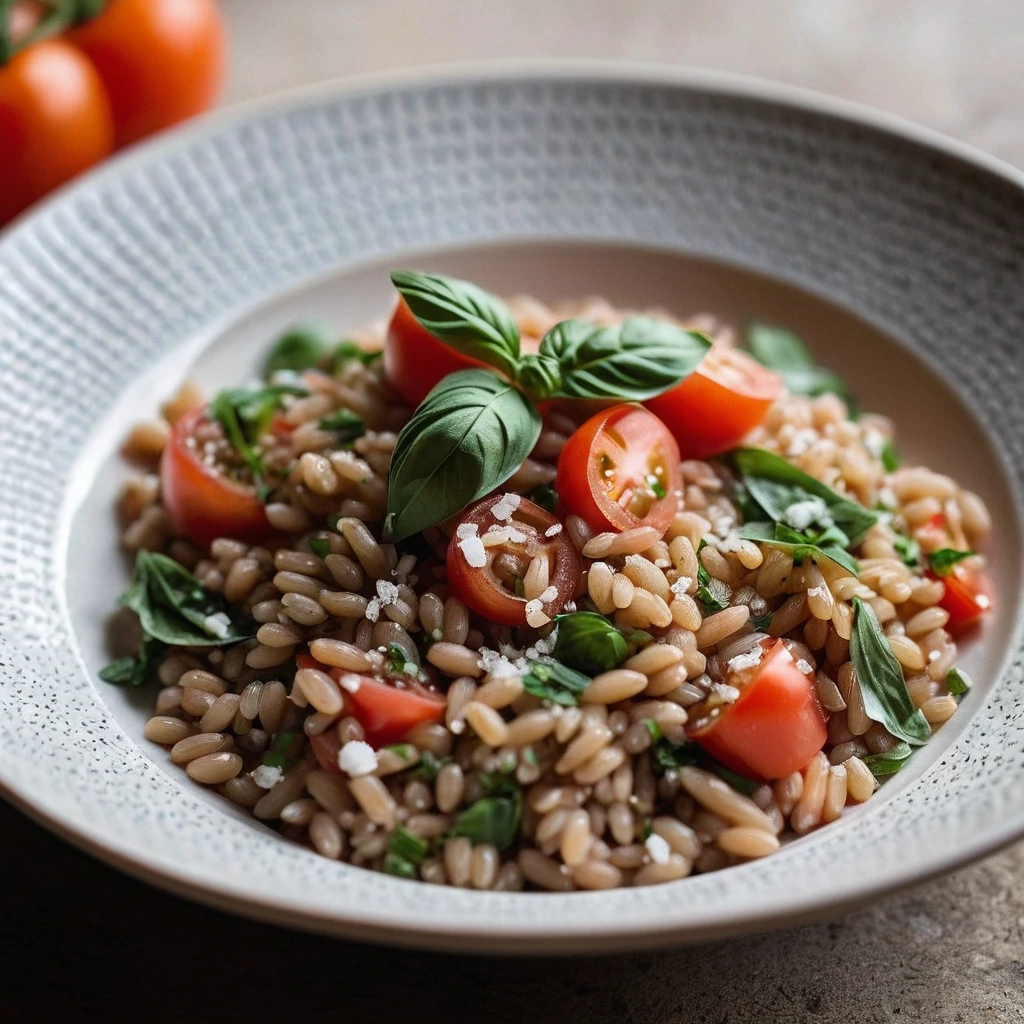
Tomato Basil Parmesan Farro Risotto
Creamy farro risotto kissed with fresh basil and sun-ripened tomatoes, topped with a generous sprinkle of Parmesan.
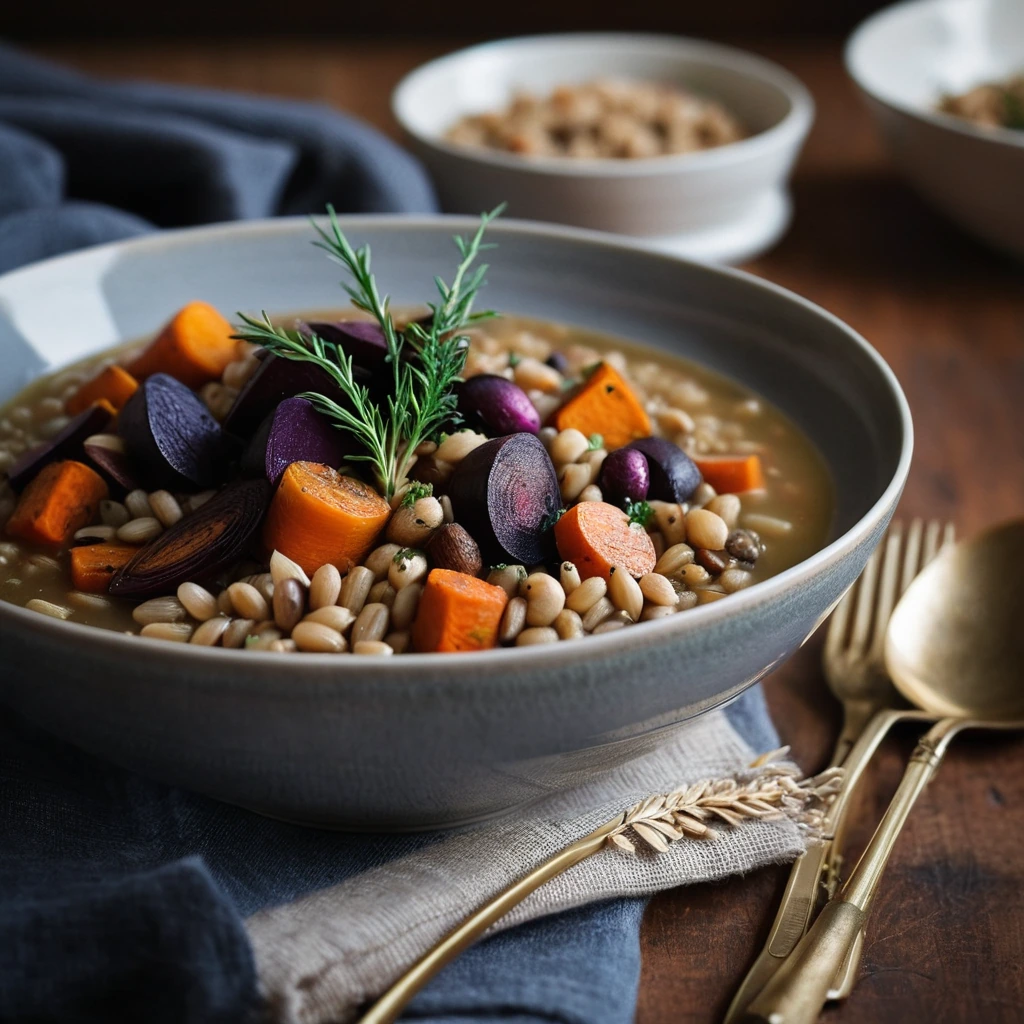
Roasted Root Vegetable and Barley Stew
Hearty and deeply flavorful, this stew marries caramelized root veggies with chewy barley for a comforting bowlful of warmth.