Small Appliances: Immersion Blender Safety
Using an immersion blender is a kitchen game-changer for soups, sauces, and smoothies. However, safety is paramount when handling this powerful tool. First, always ensure the blender is unplugged before submerging it into any liquid to avoid electrical hazards. Next, never operate the blender in air as it can cause splashing and damage the motor. Always keep the blender upright while in use to prevent hot liquids from erupting and causing burns. Using the right container is crucial; opt for deep, heat-resistant vessels to avoid spills. Additionally, always secure the blender's shaft properly in the container to ensure stability. Never leave an immersion blender unattended while it's operating, especially when handling hot ingredients. Finally, allow the blender to cool down before cleaning and always disconnect it from the power source first. By following these guidelines, home cooks can safely harness the convenience of an immersion blender.
Notes
The immersion blender is a versatile tool, but its safety relies on mindful use. The motor's design is not meant for air operation, which can overheat and damage it. Always use caution with hot liquids, as steam can cause severe burns. Containers should be tall enough to prevent splashing, which can lead to burns or a mess. Regular maintenance checks can prolong the life of your blender and prevent accidents. If you notice any damage to the cord or base, discontinue use immediately. For make-ahead convenience, ensure your blender is dry and stored safely to avoid any risk of electrical hazards.
Steps
- 1 Unplug the immersion blender before submerging it in liquid.
- 2 Select a deep, heat-resistant container for blending.
- 3 Fill the container with enough liquid to fully submerge the blender's shaft.
- 4 Ensure the blender is upright and firmly seated in the container.
- 5 Plug in the blender and turn it on at a low speed.
- 6 Gradually increase speed as needed for your recipe.
- 7 Avoid overfilling the container to prevent splashing.
- 8 Never operate the blender in air to prevent motor damage and splashing.
- 9 Do not leave the blender unattended while it is running.
- 10 Turn off and unplug the blender before removing it from the container.
- 11 Allow the blender to cool before cleaning.
- 12 Clean the blender with warm, soapy water or as per manufacturer instructions.
- 13 Store the blender in a dry place, ensuring it's completely dry before storage.
- 14 Check the cord and base regularly for any signs of wear or damage.
Ingredients to explore
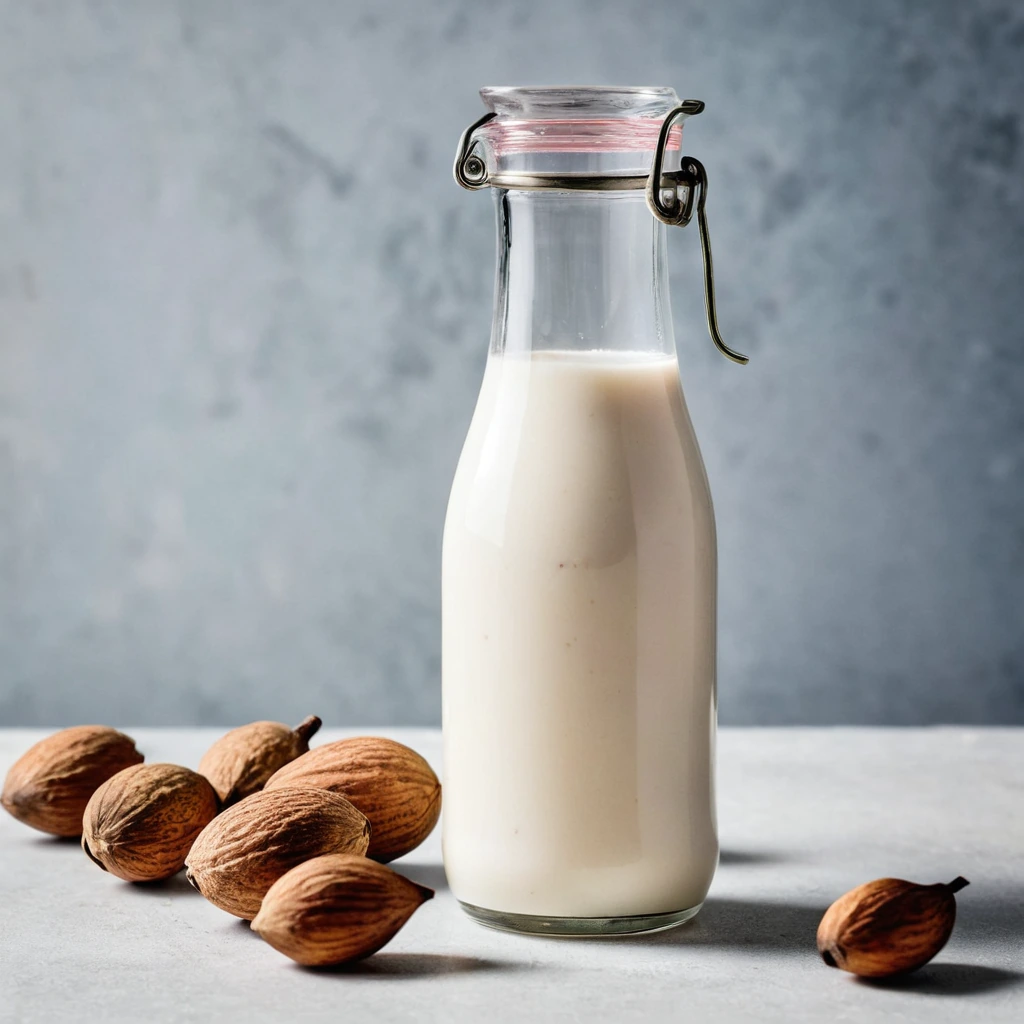
Almond Milk
Almond milk is a plant-based milk alternative made from ground almonds and water. Originating from traditional recipes in medieval Europe and the Middle East, it has gained widespread popularity in modern times as a dairy-free option. Almond milk has a subtly nutty flavor with a mild sweetness, and its aroma is reminiscent of fresh almonds. Its texture is smooth and creamy, though typically lighter than dairy milk. In cooking, almond milk behaves well in both savory and sweet applications, though it does not brown or caramelize like dairy milk. It is often used in cereals, smoothies, and baking, where its delicate flavor complements rather than overpowers other ingredients.
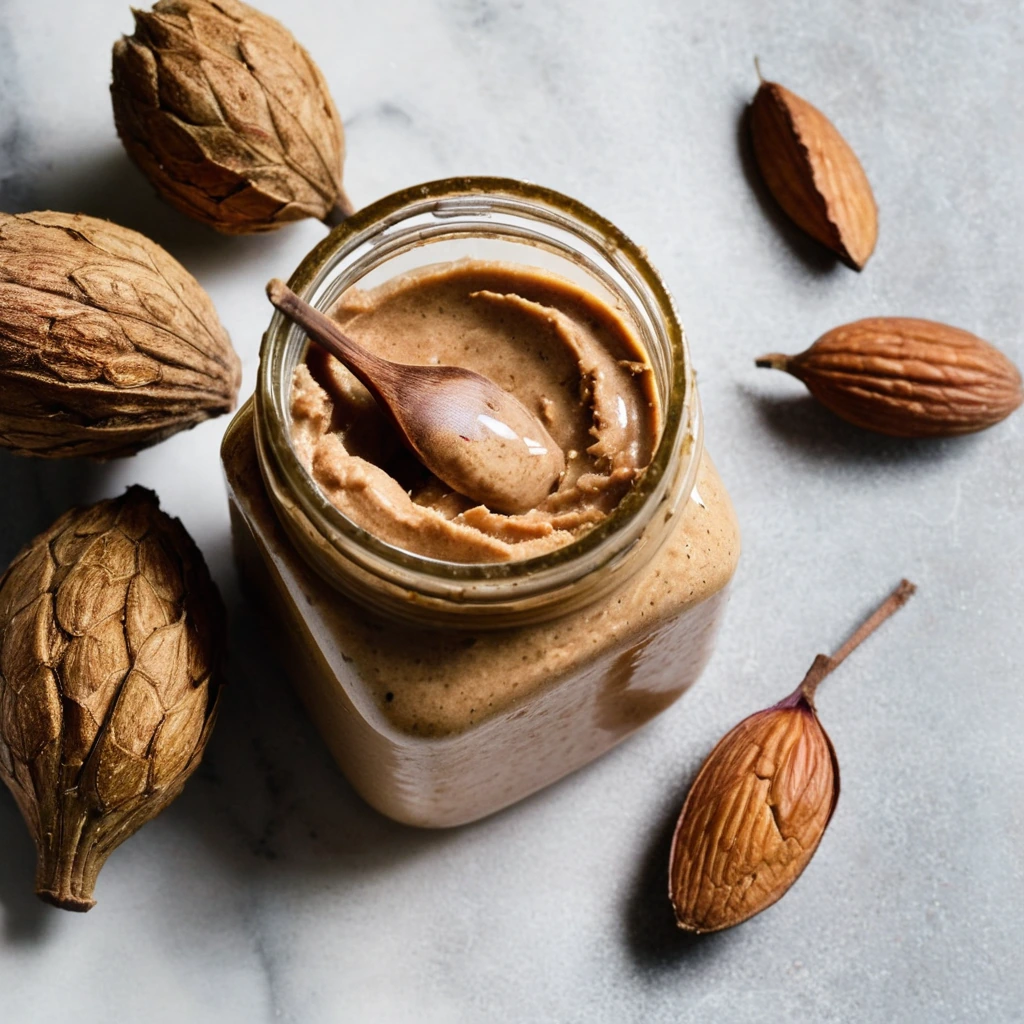
Almond Butter
A velvety, nutty spread crafted from finely ground almonds, offering a rich and satisfying flavor that's both comforting and indulgent.
Recipes to try

Pesto Roasted Veggie Sandwiches with Mozzarella
Warm, toasty ciabatta cradles a medley of roasted veggies, vibrant pesto, and melty mozzarella for a sandwich that's as hearty as it is fresh.

Smoky Ancho Chili Beef and Bean Skillet
Rich, smoky, and deeply satisfying, this skillet dish combines tender beef with hearty beans for a comforting meal.