Slow Cooker: Preventing Watery Sauces
Creating rich, flavorful sauces in a slow cooker can sometimes result in a watery disaster. The key to a perfect sauce lies in understanding the unique environment of a slow cooker and how to manage its moisture. Unlike stovetop cooking, where you can easily adjust the heat and reduce liquids, a slow cooker operates at a consistent, low temperature, which can lead to excess liquid if not managed properly. First, consider the ingredients you're using. High-water-content vegetables like tomatoes and zucchini release moisture as they cook, diluting your sauce. Second, the cooking time is crucial. While slow cookers are designed for long cooking periods, prolonged exposure to heat can break down ingredients, releasing more liquid. Third, the lid is your friend and foe; keeping it on traps steam, but occasionally removing it allows excess moisture to escape. Finally, understanding how to thicken sauces within the constraints of a slow cooker is essential. This technique will guide you through selecting the right ingredients, managing cooking times, and employing smart thickening strategies to ensure your sauces are rich and velvety, not thin and lackluster.
Notes
The science behind preventing watery sauces in a slow cooker lies in managing moisture and understanding evaporation. Slow cookers trap steam to cook food gently, but this can lead to excess liquid if not controlled. Sautéing aromatics first develops flavor and reduces water content. Using a slurry of cornstarch or flour at the end is effective because it thickens without needing to boil vigorously. Common mistakes include overfilling the cooker, which hinders evaporation, and adding too much liquid initially. To avoid these, measure liquids carefully and leave space for steam to escape. For safety, ensure meats reach a safe internal temperature, especially when reducing cooking times. For make-ahead meals, store cooled sauces in airtight containers in the fridge for up to three days or freeze for longer storage. Thicken further upon reheating if necessary.
Steps
- 1 Choose low-moisture ingredients whenever possible.
- 2 Trim excess fat from meats to reduce rendered fat and moisture.
- 3 Sauté aromatics like onions and garlic before adding them to the slow cooker.
- 4 Limit the amount of added liquids like broth or water.
- 5 Use canned tomatoes instead of fresh to control moisture content.
- 6 Cook on high for the first hour to initiate reduction, then switch to low.
- 7 Remove the lid during the last 30 minutes of cooking to allow excess moisture to evaporate.
- 8 Stir in a cornstarch or flour slurry towards the end of cooking to thicken the sauce.
- 9 Add dairy components like cream or cheese after cooking to prevent curdling.
- 10 Taste and adjust seasoning after thickening, as flavors concentrate during cooking.
- 11 Avoid overfilling the slow cooker to allow room for evaporation.
- 12 If using beans or lentils, rinse them first to remove excess starch that can thin the sauce.
- 13 Consider adding a small amount of tomato paste to help thicken and deepen flavor.
- 14 Let the sauce rest after cooking to allow the flavors to meld and thicken further.
Ingredients to explore
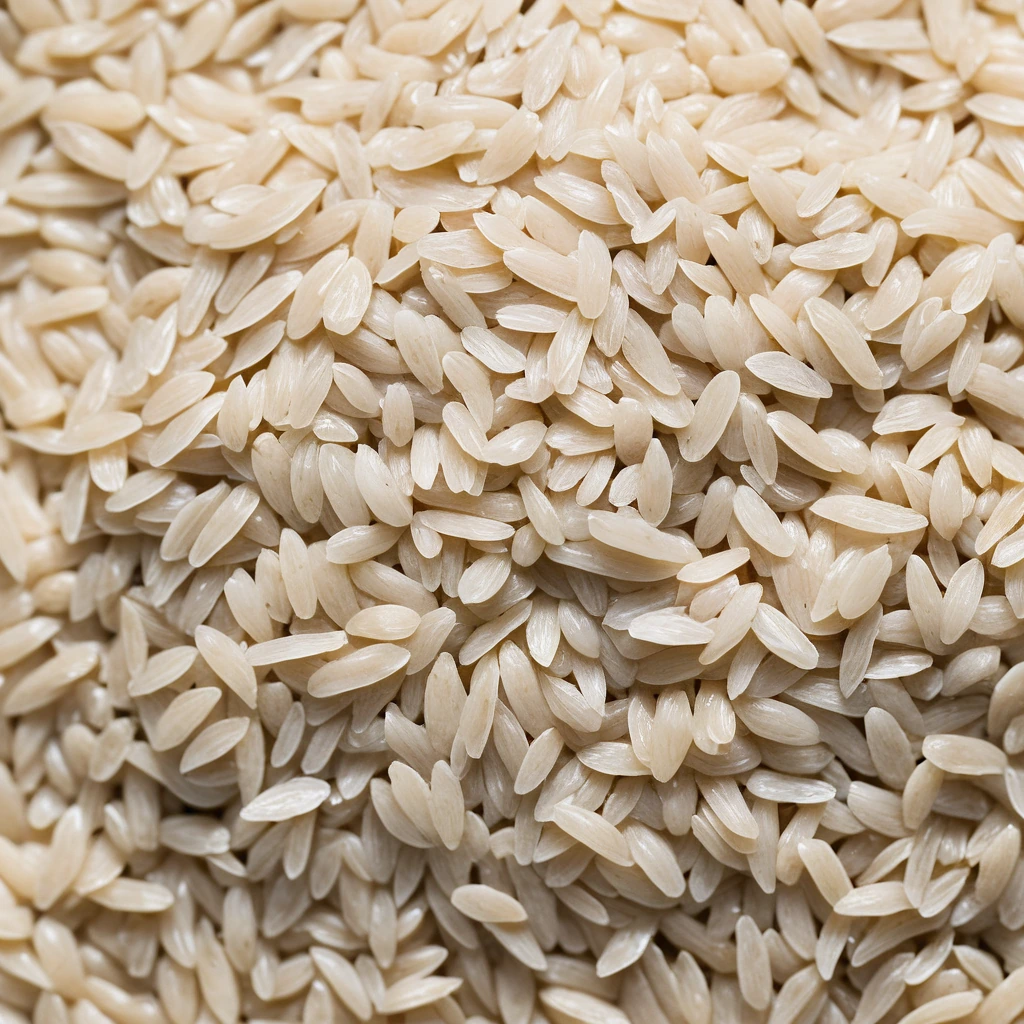
Arborio Rice
Arborio rice is a short-grain Italian rice variety renowned for its use in risotto. Originating from the Po Valley in Northern Italy, it is a staple in Italian cuisine. Its flavor is mild and nutty, with a pleasant creamy texture when cooked due to its high amylopectin content, which releases starch and creates a velvety consistency. The grains remain plump and firm to the bite, offering a satisfying chewiness. In cooking, Arborio rice excels at absorbing flavors from broths and seasonings while maintaining its shape, making it ideal for dishes that require both creaminess and structure.
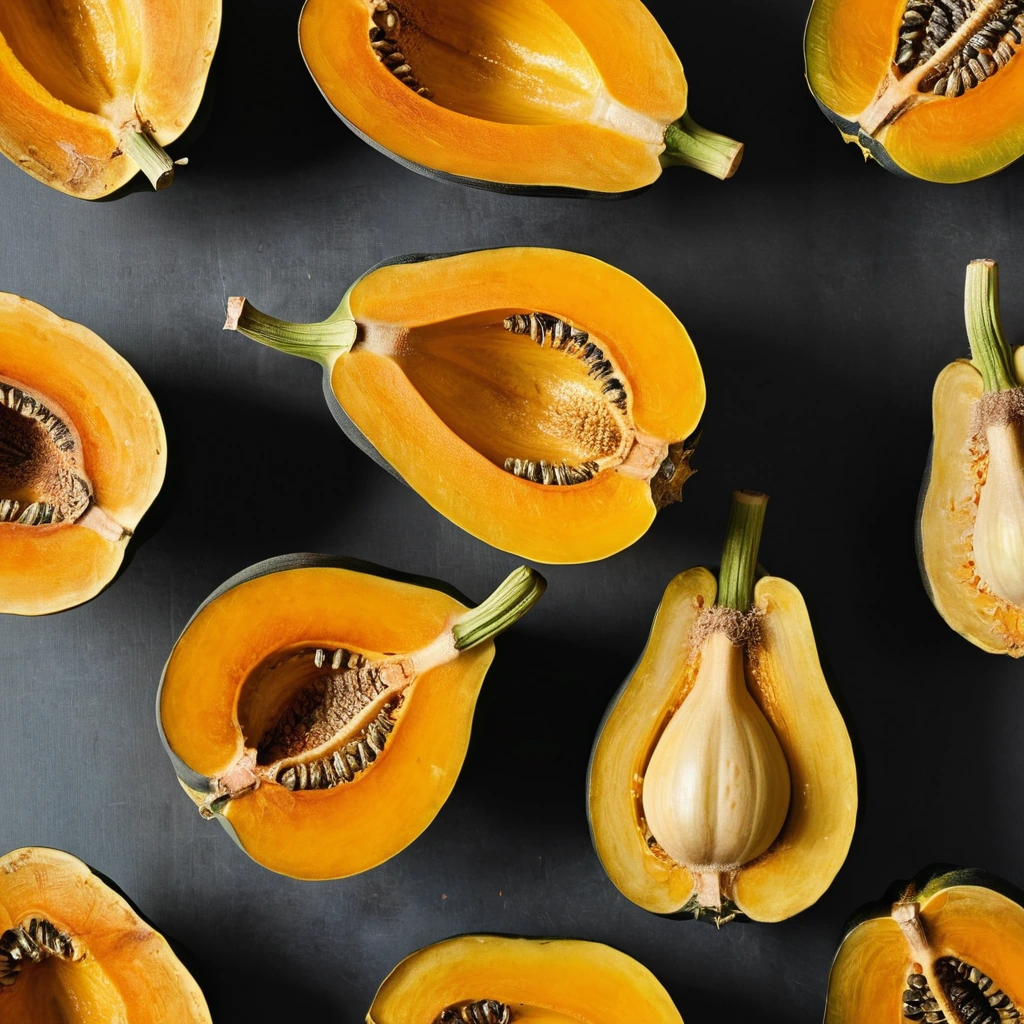
Acorn Squash
Acorn squash is a winter squash variety known for its distinctive teardrop shape and deep ridges resembling the texture of an acorn shell. Originating in the Americas, it has been cultivated for centuries and is a staple in autumn cuisine. The flesh is sweet and nutty with a hint of earthiness, offering a delightful contrast to savory dishes. Its texture is dense yet tender when cooked, making it ideal for roasting or pureeing. In cooking, acorn squash holds its shape well and absorbs flavors from herbs and spices, enhancing both its taste and versatility in recipes.
Recipes to try
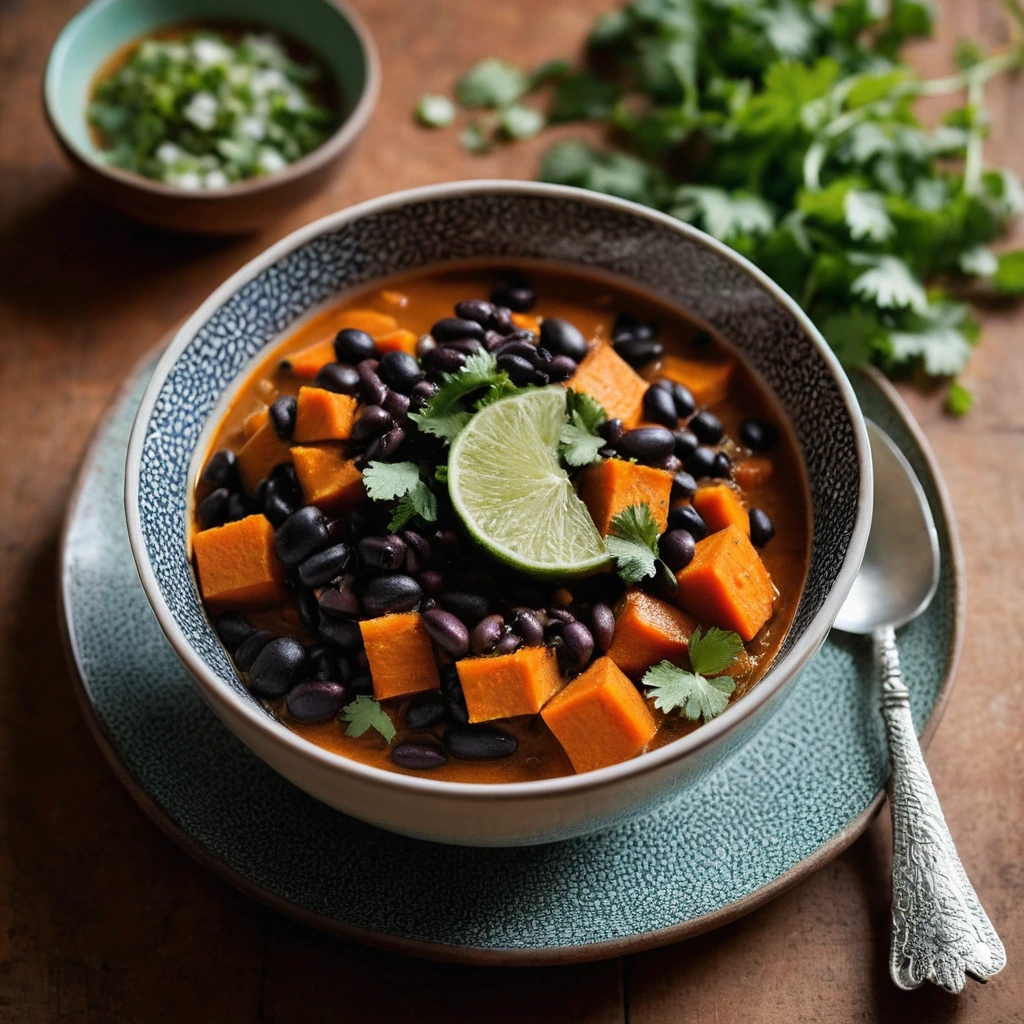
Smoky Sweet Potato and Black Bean Stew
Hearty and deeply flavorful, this stew is a comforting hug in a bowl with smoky spices and tender sweet potatoes.
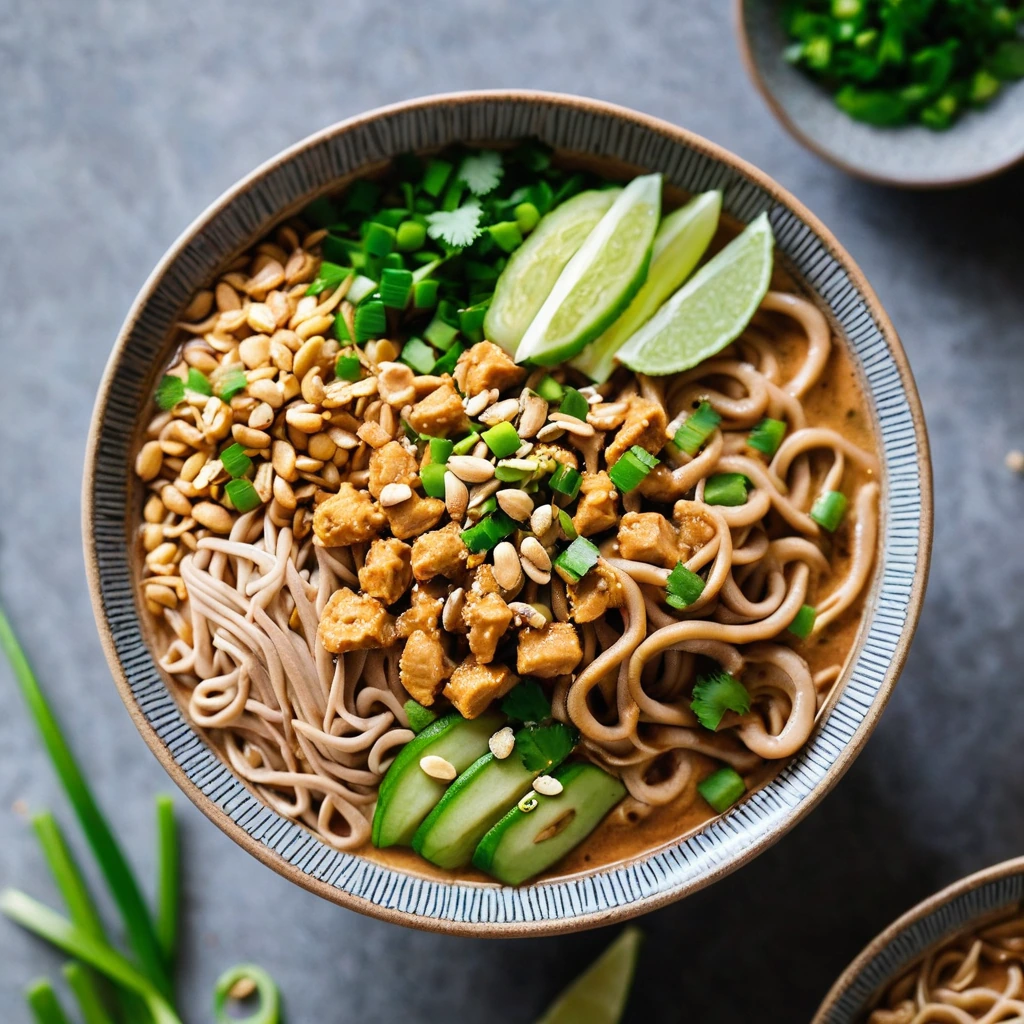
Spicy Peanut Chicken Noodle Bowls
Creamy peanut sauce clings to tender chicken and chewy noodles in a vibrant, fiery bowl that's comfort food on steroids.