Simmering vs Boiling: A Guide to Perfect Cooking Techniques
Learn the difference between simmering and boiling, and discover when to use each technique for optimal cooking results.
Notes
Simmering allows flavors to meld gently, while boiling is efficient for quick cooking tasks. Choose the right technique for your recipe.
Steps
- 1 Understand simmering: maintain a gentle bubble, ideal for delicate foods like soups and stews.
- 2 Recognize boiling: vigorous bubble action, perfect for pasta and vegetables.
- 3 Control heat: adjust to achieve a simmer for gentle cooking or a rolling boil for faster cooking.
- 4 Monitor temperature: simmering is around 185°F to 205°F, while boiling is at 212°F.
- 5 Use simmering for sauces to prevent curdling or breaking.
- 6 Boil eggs for hard-boiled perfection, ensuring they cook through quickly.
- 7 Simmer grains like rice for even cooking without a mushy texture.
- 8 Always start with a boil for pasta, then simmer to cook evenly.
Ingredients to explore
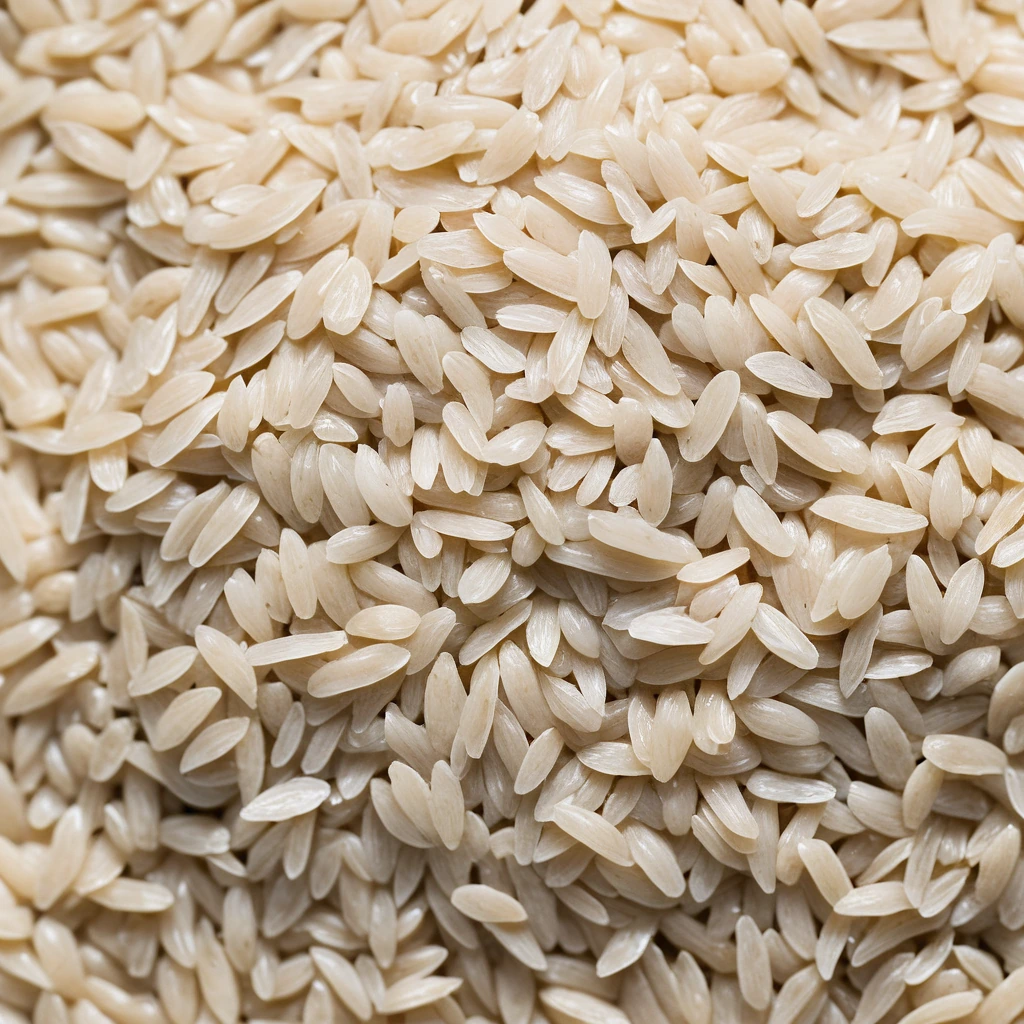
Arborio Rice
Arborio rice is a short-grain Italian rice variety renowned for its use in risotto. Originating from the Po Valley in Northern Italy, it is a staple in Italian cuisine. Its flavor is mild and nutty, with a pleasant creamy texture when cooked due to its high amylopectin content, which releases starch and creates a velvety consistency. The grains remain plump and firm to the bite, offering a satisfying chewiness. In cooking, Arborio rice excels at absorbing flavors from broths and seasonings while maintaining its shape, making it ideal for dishes that require both creaminess and structure.
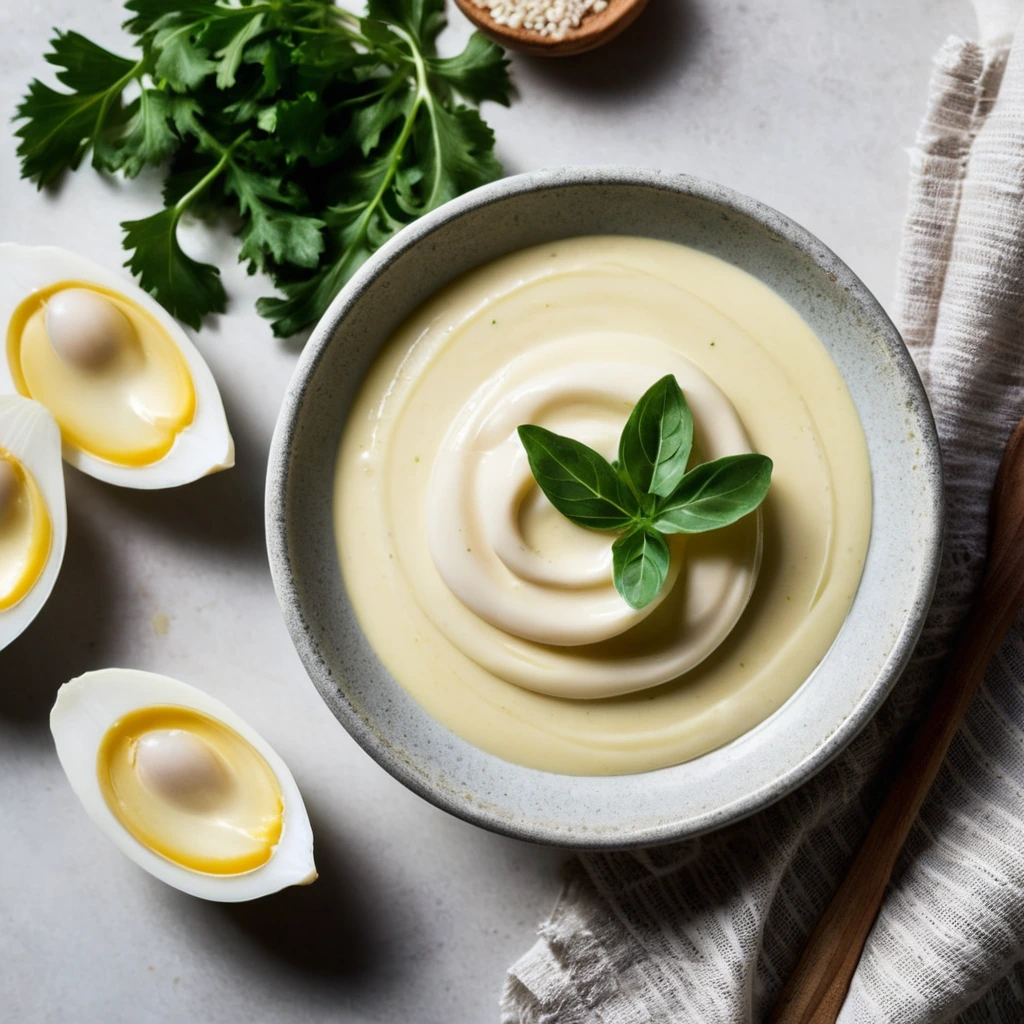
Aioli
A luscious, velvety emulsion of garlic and olive oil, aioli is a rich and aromatic sauce that dances on the palate with its creamy texture and bold, pungent flavor.
Recipes to try
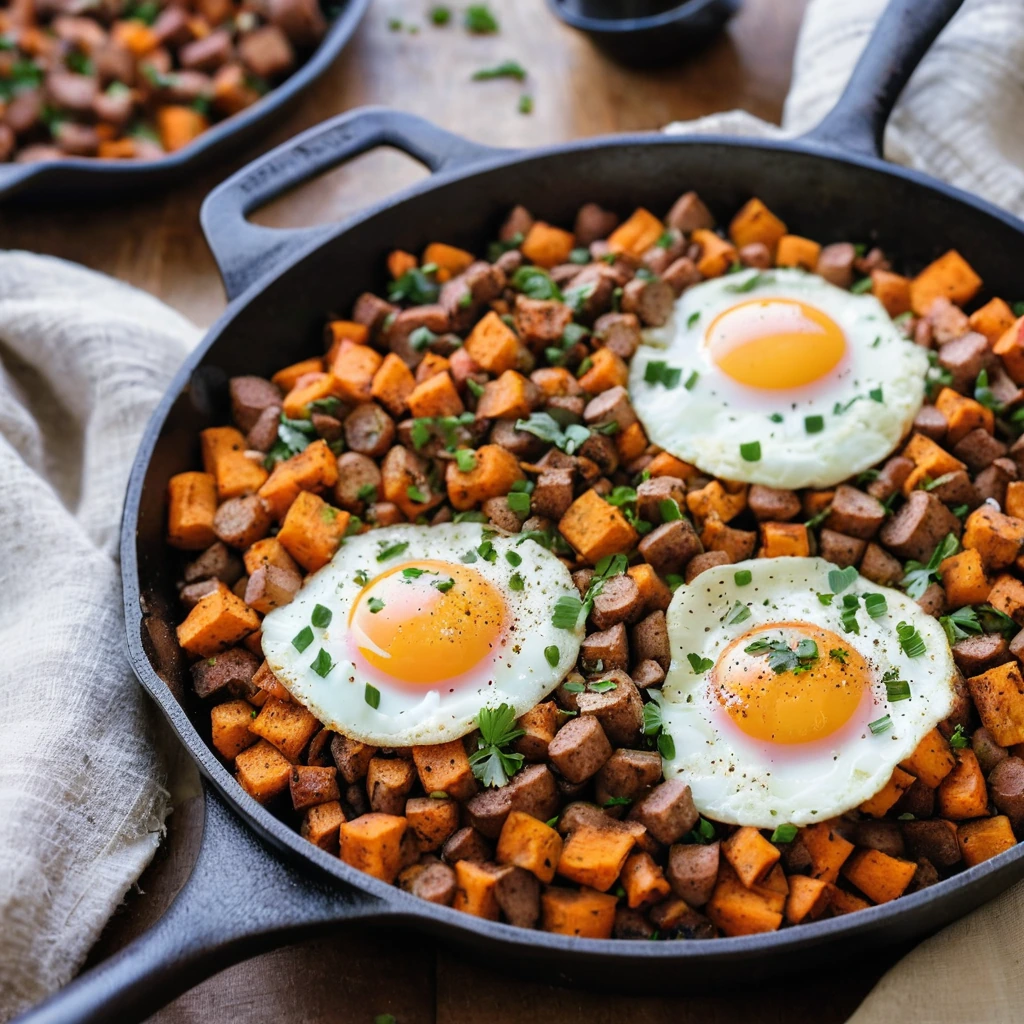
Sweet Potato, Sausage, and Egg Breakfast Hash
Rustic and hearty, this breakfast hash is a symphony of smoky sausage, tender sweet potatoes, and perfectly cooked eggs.
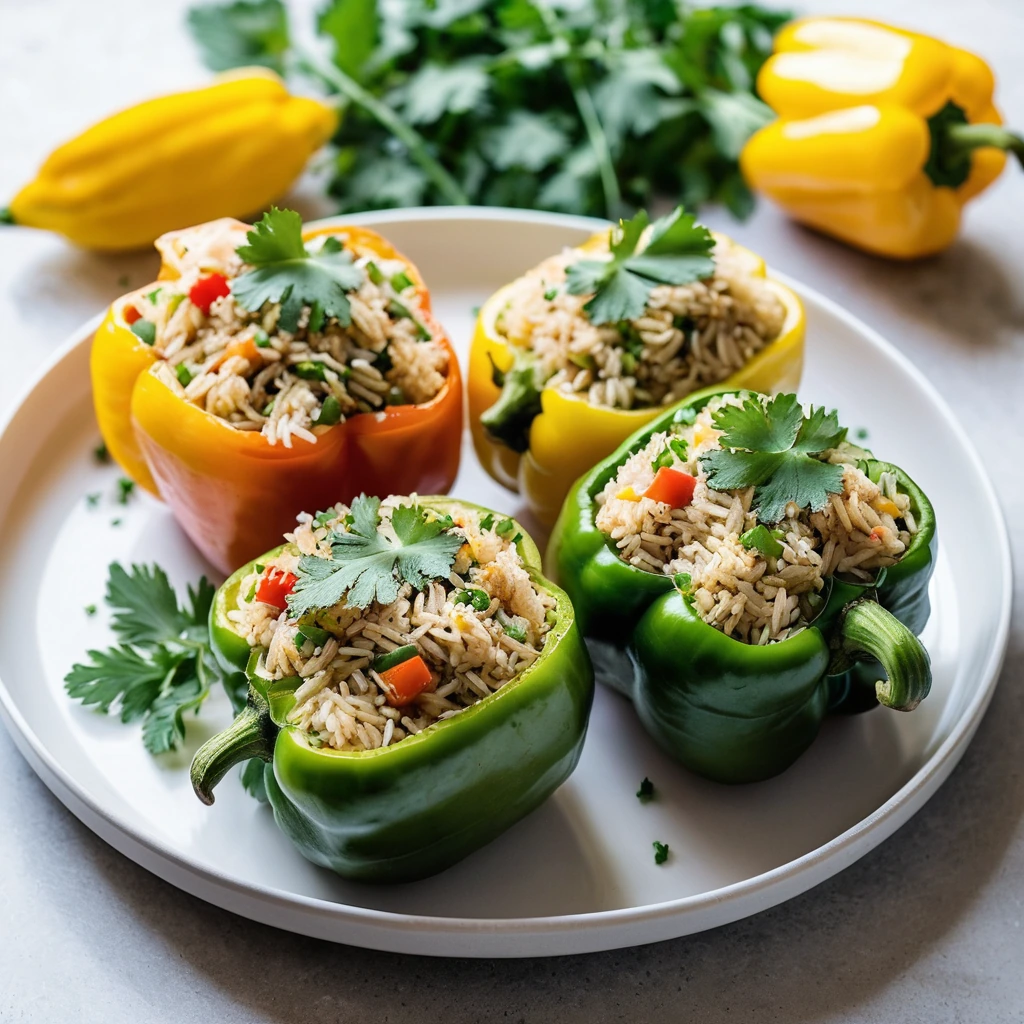
Lemon Garlic Chicken and Rice Stuffed Peppers
Bright and tangy lemon garlic chicken nestled in fluffy rice, all wrapped up in juicy bell peppers for a zesty comfort meal.