Seasoning: Choosing the Right Salt (Kosher vs Fine)
Seasoning is an art that can elevate your cooking from mundane to magnificent. At the heart of seasoning is salt, a mineral that not only enhances flavor but also preserves and transforms textures. When it comes to choosing the right salt for your culinary endeavors, you'll often face a decision between kosher and fine salt. Each type has its unique characteristics that make it better suited for certain tasks. Kosher salt, with its larger, flakier crystals, is ideal for brining, curing, and general cooking due to its easy pinchability and slower dissolution rate. Fine salt, on the other hand, with its uniform, tiny grains, is perfect for baking and recipes where precise measurements are key. Understanding the differences between these two salts can make a world of difference in your dishes. Kosher salt is often favored by chefs for its clean flavor and ability to adhere well to food surfaces, making it a go-to for seasoning meats before grilling or roasting. Fine salt, however, is the preferred choice for delicate tasks like seasoning baked goods where control is paramount. This guide delves into the nuances of both salts, offering insights on when and how to use each to achieve optimal flavor in your cooking.
Notes
The science behind salt's effectiveness lies in its ability to enhance flavor through ionic reactions with food molecules, suppressing bitterness and enhancing sweetness and umami. When choosing between kosher and fine salt, consider the surface area of the crystals: kosher salt's larger surface area allows for easy clumping and adherence to food, while fine salt's smaller crystals dissolve quickly and evenly. A common mistake is using measuring spoons interchangeably for both types, which can lead to over- or under-seasoning due to density differences. Always measure by weight for accuracy. Store both salts in a cool, dry place to maintain their quality. While kosher salt is less likely to cake due to its larger crystals, both can be preserved effectively with proper storage techniques. For make-ahead meals, consider seasoning closer to serving time to preserve texture and maximize flavor impact.
Steps
- 1 Examine the texture of kosher salt; note its larger, flaky crystals.
- 2 Compare kosher salt to fine salt, observing the latter's smaller, uniform grains.
- 3 For brining meats, use kosher salt due to its easy dissolution and flavor distribution.
- 4 When curing meats or vegetables, choose kosher salt for its efficient extraction of moisture.
- 5 For general cooking and seasoning meats, opt for kosher salt for its ease of use and control.
- 6 When precision is key, such as in baking, use fine salt for accurate measurements.
- 7 Dissolve fine salt in liquids before adding to delicate dishes to ensure even distribution.
- 8 Taste your dish as you season to adjust the salt level according to your preference.
- 9 Experiment with both salts in your recipes to understand their impact on flavor.
Ingredients to explore

Anaheim Peppers
Anaheim peppers are a mild chili pepper variety named after Anaheim, California, where they were first cultivated commercially. Originating from the New Mexico region, these peppers are celebrated for their versatility and gentle heat. They possess a flavor that is mildly sweet with a subtle tang, and a pleasant vegetal note reminiscent of green bell peppers, but with a hint of spice. Their texture is firm and crisp when fresh, becoming tender and slightly smoky when roasted or cooked. In cooking, Anaheim peppers behave well across a range of techniques, from grilling and roasting to stuffing and sautéing, contributing a nuanced depth without overwhelming other ingredients with heat.
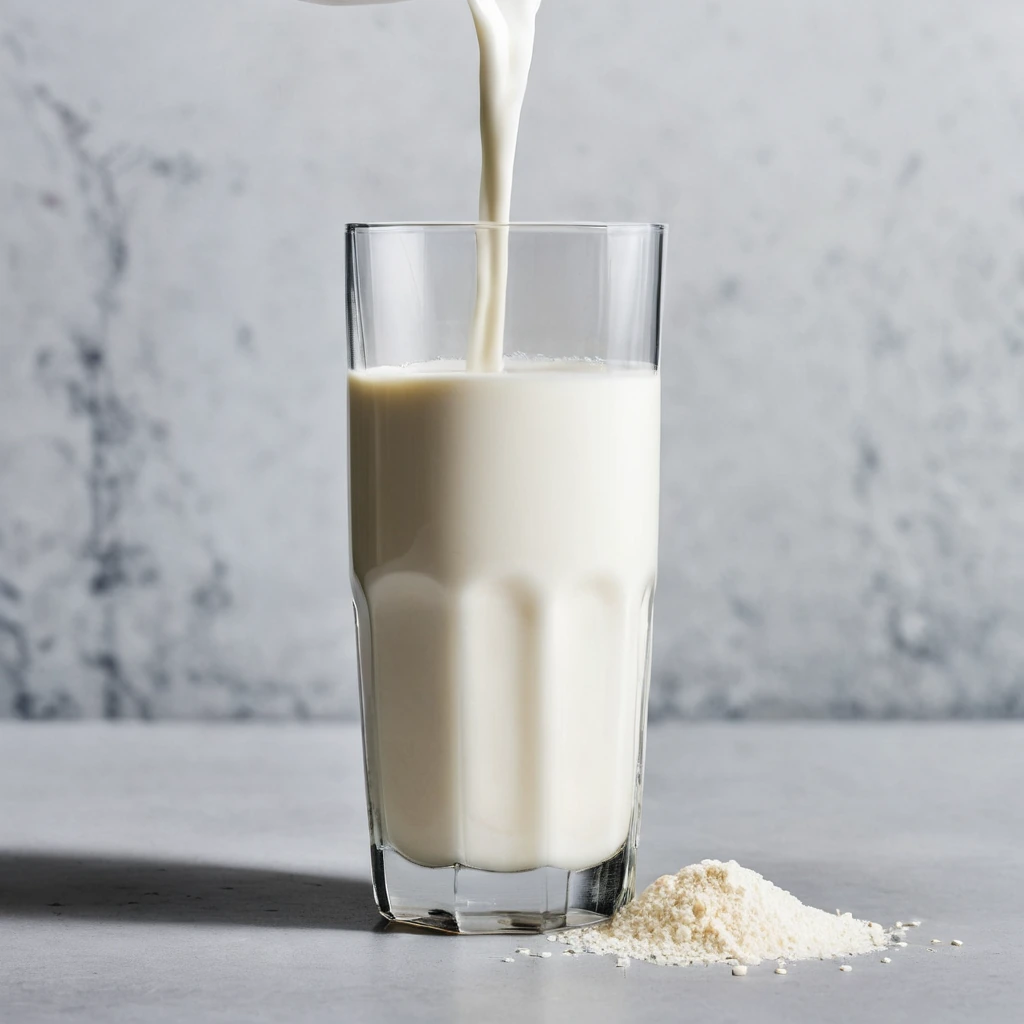
2% Milk
Creamy and just a touch lighter than whole milk, 2% milk offers a perfect balance of richness and reduced fat. Its smooth texture and subtle sweetness make it a delightful choice for sipping or cooking.
Recipes to try
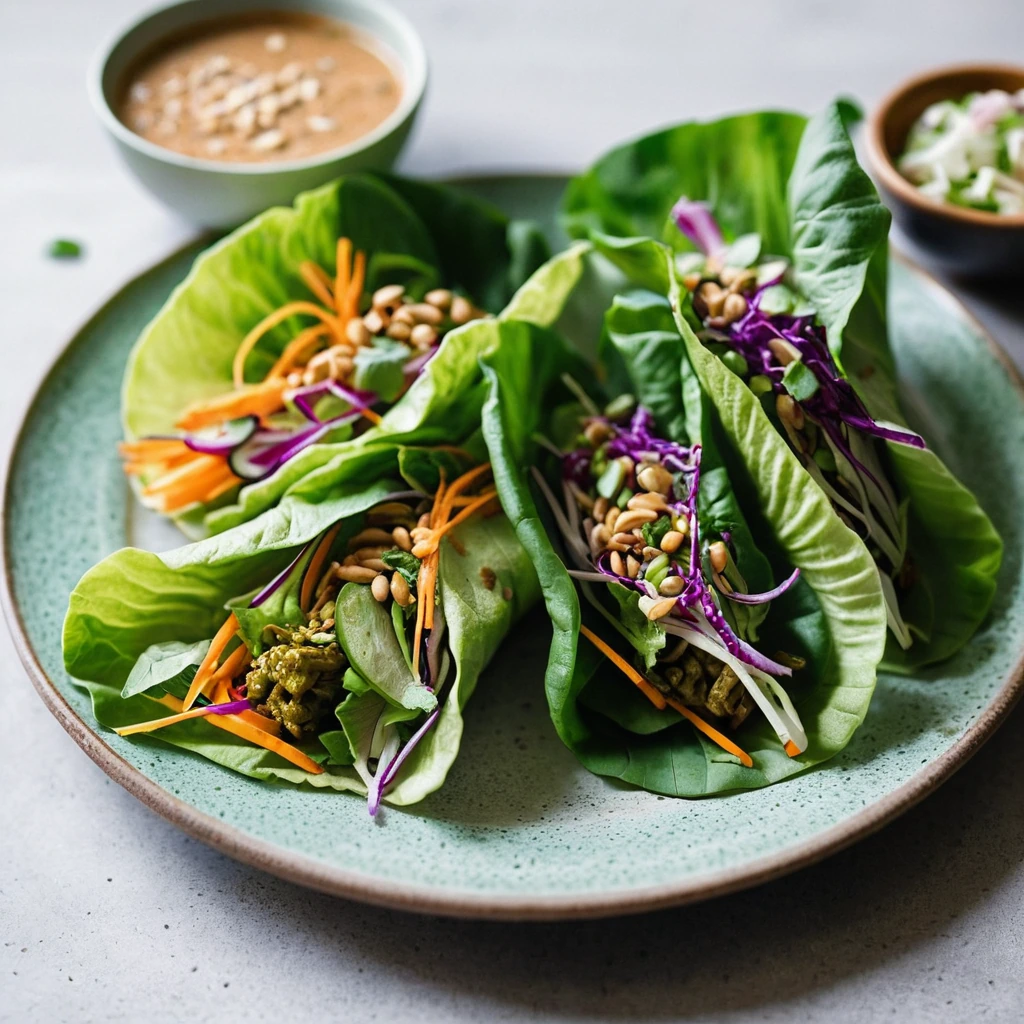
Thai Peanut Veggie Lettuce Wraps
Crispy, fresh veggies hugged by buttery lettuce leaves, drizzled with a creamy, tangy peanut sauce that'll make your taste buds do the tango.
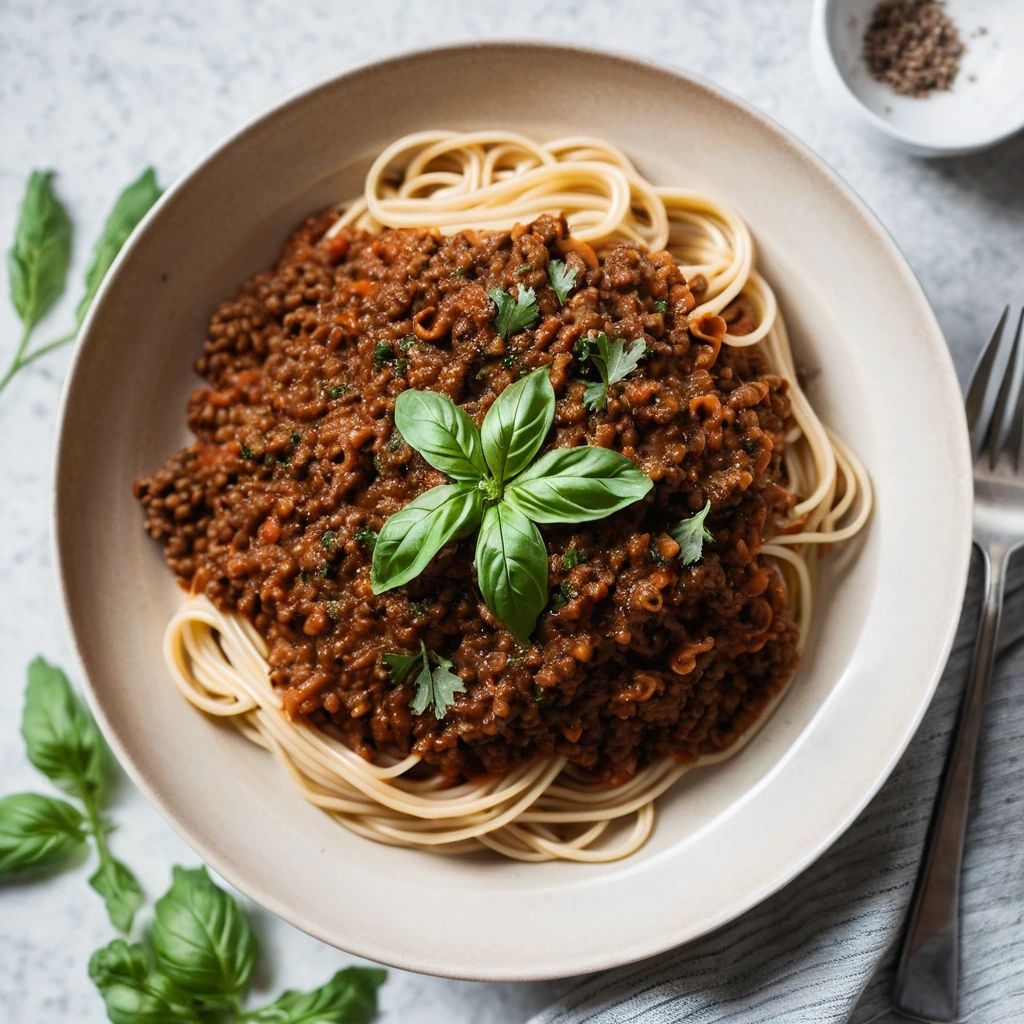
Mushroom and Lentil Bolognese over Spaghetti
A hearty, savory Bolognese packed with earthy mushrooms and protein-rich lentils, served over perfectly al dente spaghetti.