Seafood Technique: Quick Broiling for Seafood Weeknight Dinners
Broiling seafood is a quick and efficient technique that can transform your weeknight dinners into gourmet experiences. This method utilizes the intense heat from above to cook seafood rapidly, creating a delightful crust while keeping the inside moist and tender. Broiling is particularly ideal for delicate seafood like fish fillets, shrimp, and scallops, as it requires minimal preparation and cooking time. With just a few simple steps, you can achieve perfectly cooked seafood with a caramelized top that will impress your family and guests. This technique is versatile, allowing for a variety of seasonings and marinades to suit your taste preferences. Moreover, it requires minimal equipment, making it accessible for any home cook. Whether you're cooking for two or a family gathering, mastering quick broiling will elevate your seafood dishes to new heights. Dive into the world of broiling and discover how easy it is to create restaurant-quality meals at home with minimal effort and time.
Notes
Broiling seafood works because the high heat quickly sears the surface, locking in moisture and flavor. The key to success is close monitoring, as broiler temperatures can vary and seafood cooks fast. Common mistakes include overcrowding the pan and forgetting to flip the seafood, both leading to uneven cooking. Always use a timer and keep an eye on your dish to avoid overcooking. Safety is paramount when broiling; never leave the kitchen while the broiler is on, and ensure your oven is clean to prevent flare-ups. For make-ahead options, broiled seafood can be stored in an airtight container in the refrigerator for up to two days. Reheat gently in a warm oven to maintain texture.
Steps
- 1 Preheat your broiler on high.
- 2 Line a broiler pan with aluminum foil for easy cleanup.
- 3 Pat seafood dry with paper towels to ensure a good crust.
- 4 Season seafood generously with salt, pepper, and desired herbs or spices.
- 5 Lightly brush or spray seafood with olive oil to prevent sticking and promote browning.
- 6 Arrange seafood on the broiler pan, leaving space between pieces for even cooking.
- 7 Place the pan under the broiler, about 4 to 6 inches from the heat source.
- 8 Broil for 4 to 6 minutes, watching closely to avoid burning.
- 9 Flip the seafood halfway through cooking to ensure even browning and doneness.
- 10 Check for doneness by observing the seafood's opacity and flakiness with a fork.
- 11 Remove seafood from the broiler immediately once done to prevent overcooking.
- 12 Transfer seafood to a serving plate and let rest for 2 minutes before serving.
- 13 Garnish with fresh herbs or lemon wedges for added flavor and presentation.
Ingredients to explore
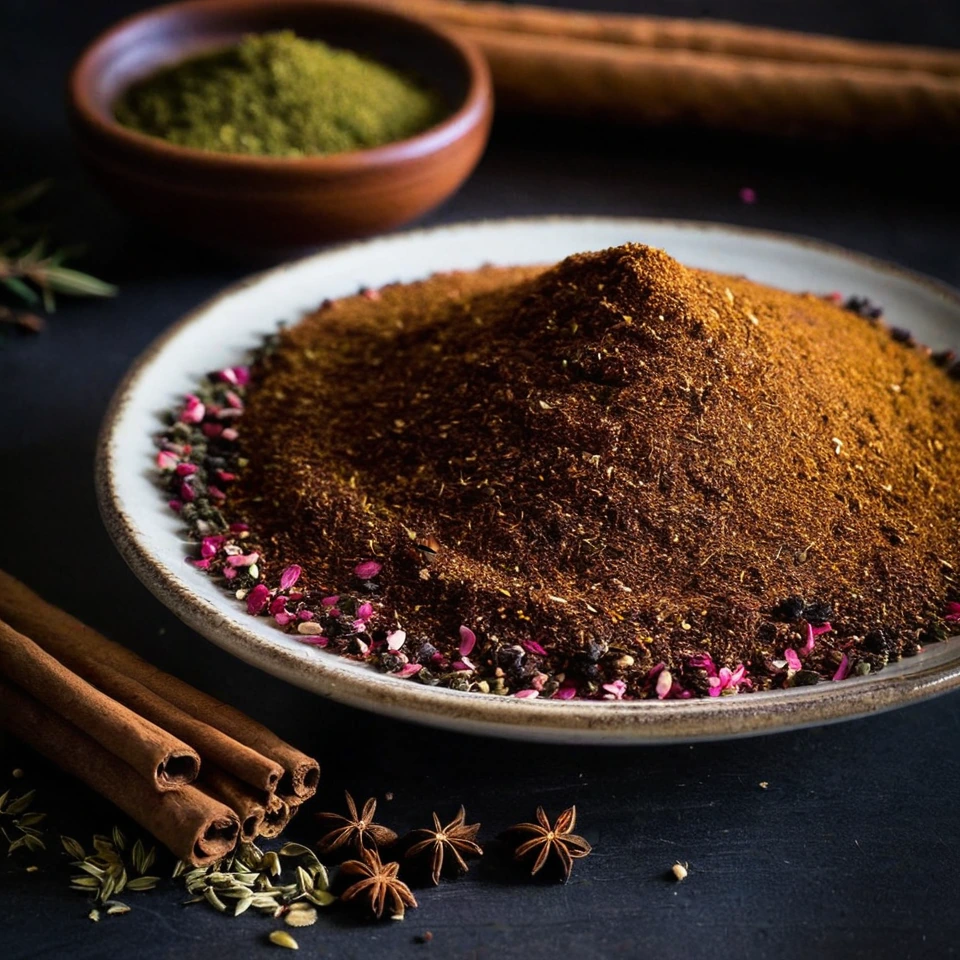
Advieh (Persian Spice Blend)
Advieh is a fragrant Persian spice blend that boasts a complex aroma of warm cinnamon, earthy cumin, and floral hints of rose and saffron. Its texture is finely ground, making it easy to incorporate into dishes. Originating from the rich culinary traditions of Iran, advieh adds depth and sophistication to both savory and sweet recipes. Its unique combination of spices reflects the historical spice trade routes that influenced Persian cuisine.
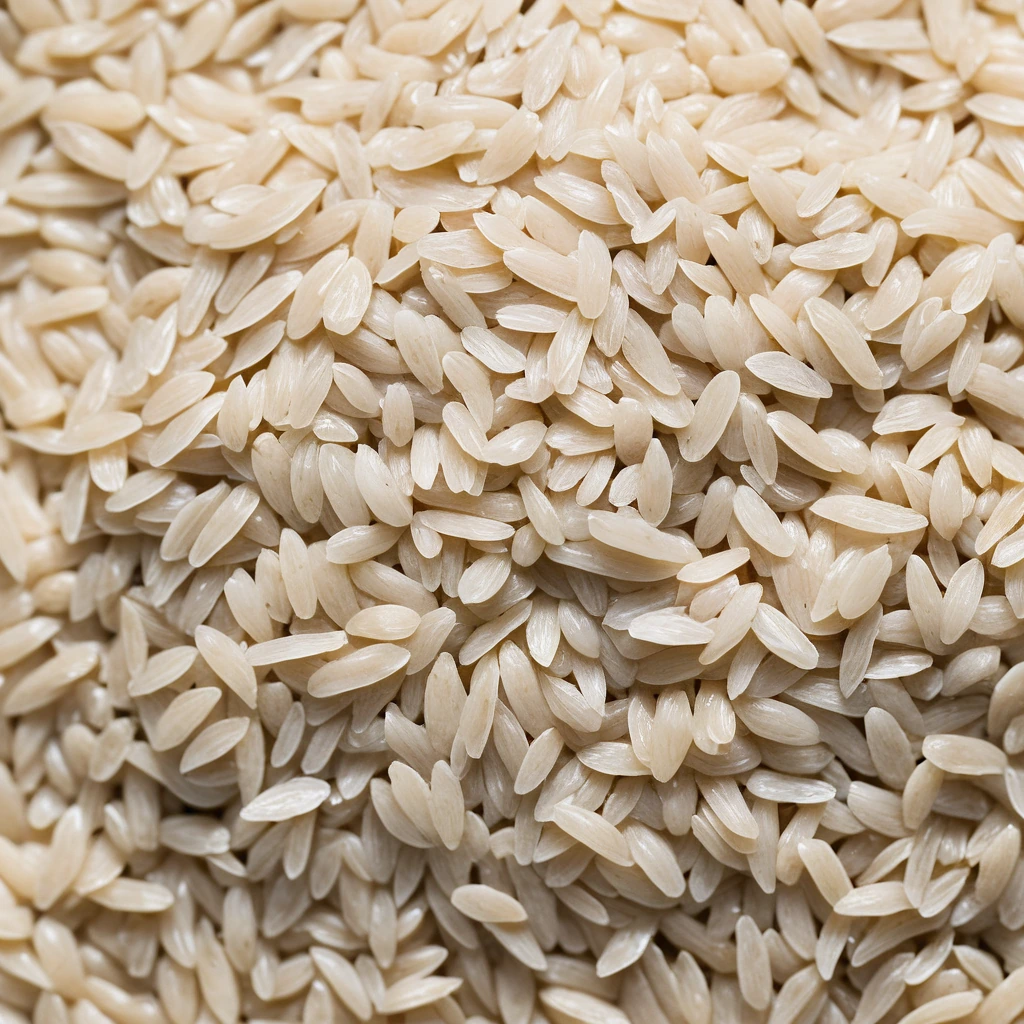
Arborio Rice
Arborio rice is a short-grain Italian rice variety renowned for its use in risotto. Originating from the Po Valley in Northern Italy, it is a staple in Italian cuisine. Its flavor is mild and nutty, with a pleasant creamy texture when cooked due to its high amylopectin content, which releases starch and creates a velvety consistency. The grains remain plump and firm to the bite, offering a satisfying chewiness. In cooking, Arborio rice excels at absorbing flavors from broths and seasonings while maintaining its shape, making it ideal for dishes that require both creaminess and structure.
Recipes to try
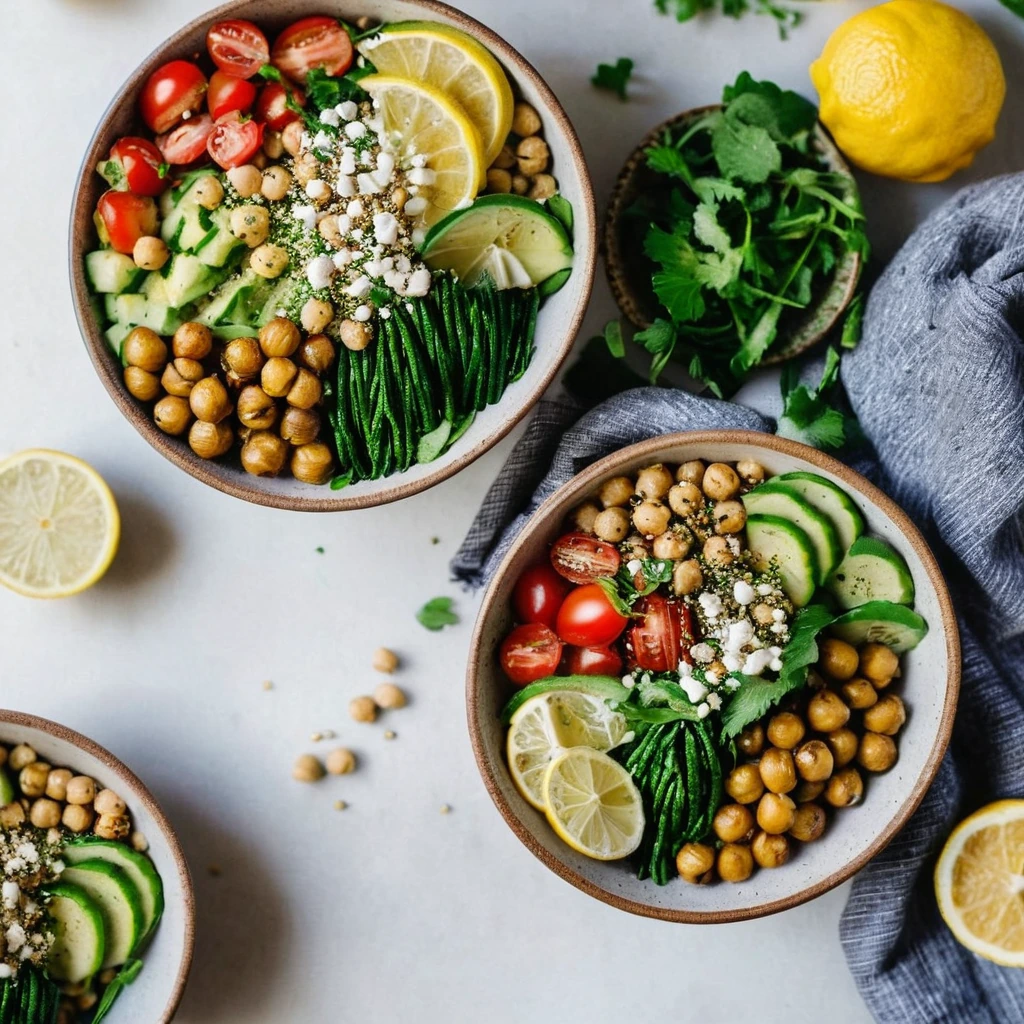
Mediterranean Chickpea Bowls with Lemon Tahini
A vibrant medley of textures and flavors, these bowls are packed with lemony tahini drizzle and fresh Mediterranean herbs.
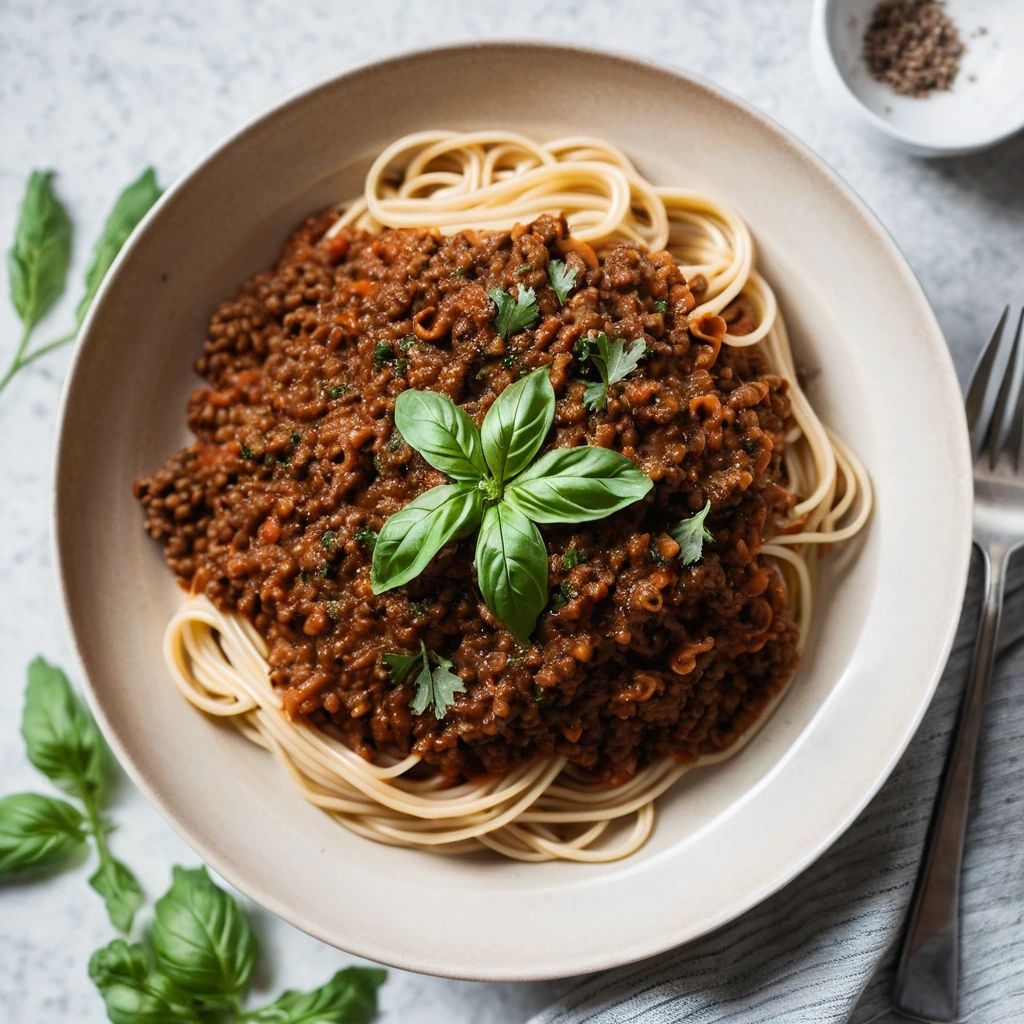
Mushroom and Lentil Bolognese over Spaghetti
A hearty, savory Bolognese packed with earthy mushrooms and protein-rich lentils, served over perfectly al dente spaghetti.