Seafood Technique: Managing Seafood Carryover Heat After Cooking
Carryover cooking is a critical concept in seafood preparation, where residual heat continues to cook food even after it's removed from the heat source. Understanding this phenomenon ensures perfectly cooked seafood every time. Seafood, with its delicate texture and quick cooking time, requires precision to avoid overcooking. Proteins like fish and shellfish have a narrow window between being just right and becoming dry or rubbery. This technique dives into the science behind carryover cooking and provides practical tips to manage it effectively. By monitoring internal temperatures and understanding resting times, you can maintain the ideal texture and flavor. The key is to remove seafood from the heat source just before it reaches your desired doneness, as the internal temperature will rise a few degrees due to carryover cooking. This guide will walk you through the intricacies of timing, temperature control, and resting to ensure your seafood dishes are nothing short of restaurant quality.
Notes
The science behind carryover cooking lies in the residual heat within the seafood, which continues to cook proteins even after removal from the heat source. Overcooking is a common mistake; to avoid it, rely on precise timing and temperature monitoring. For safety, ensure seafood reaches a minimum internal temperature of 145°F before resting. Seafood should be consumed promptly after cooking, though leftovers can be refrigerated for up to 2 days. Store in an airtight container and reheat gently to preserve texture.
Steps
- 1 Cook your seafood to an internal temperature 5°F lower than your target temperature.
- 2 Remove seafood from the heat source immediately.
- 3 Transfer seafood to a plate or tray.
- 4 Cover loosely with foil to retain moisture.
- 5 Let seafood rest for 2 to 5 minutes depending on thickness.
- 6 Use a meat thermometer to check final internal temperature.
- 7 Ensure the seafood reaches your desired doneness during resting.
- 8 Serve immediately after resting to enjoy optimal texture and flavor.
Ingredients to explore
Recipes to try
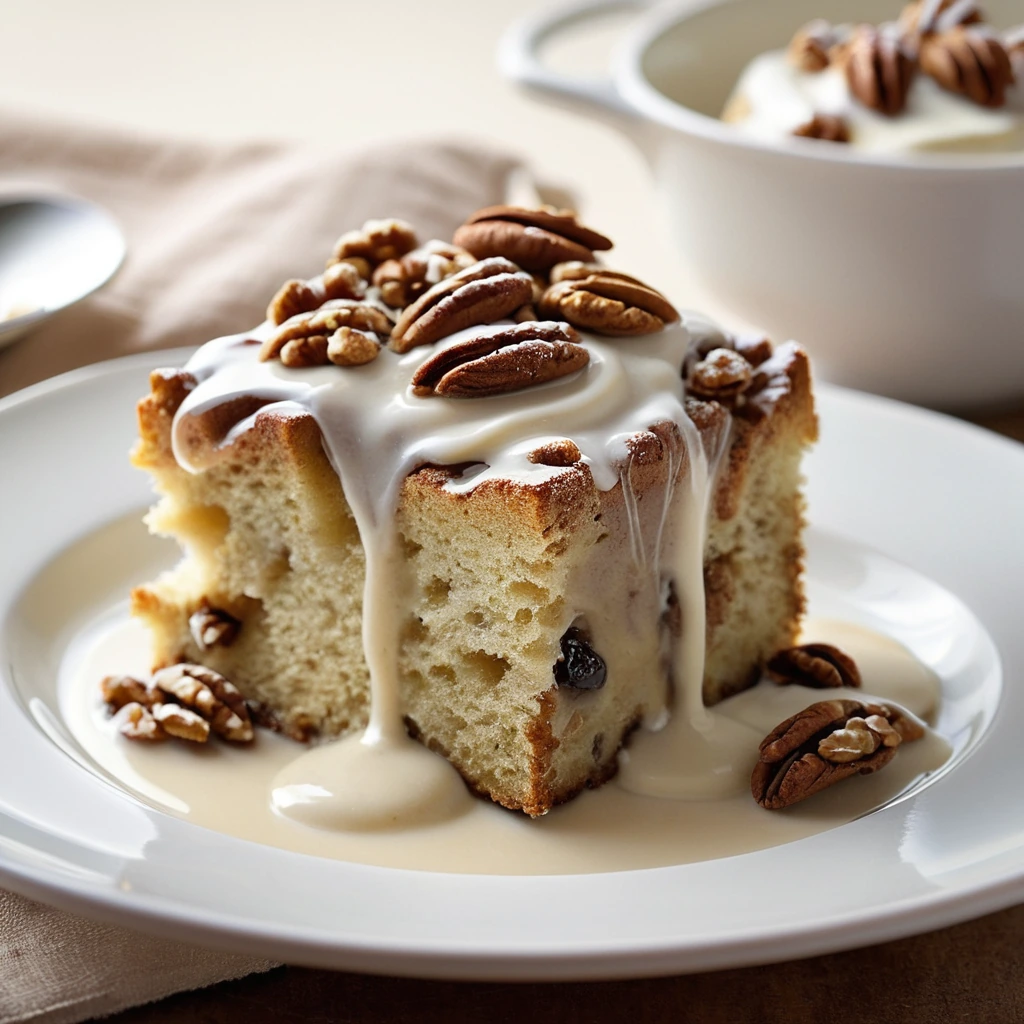
Maple Pecan Bread Pudding with Vanilla Sauce
Warm, spiced bread pudding drizzled with maple syrup and crunchy pecans, served with a silky vanilla sauce.

Strawberry Cream Cheese Stuffed French Toast
Imagine warm, golden French toast stuffed with a tangy cream cheese and sweet strawberry surprise – breakfast just got a gourmet upgrade.