Seafood Technique: Folding Crab into Cakes Without Packing
Creating crab cakes without overpacking is an art that ensures your seafood remains tender and flavorful. Overpacking can squeeze out the delicate juices and natural sweetness of the crab meat, resulting in dense, rubbery cakes. This technique focuses on gently folding the ingredients together, preserving the integrity of the crab while binding it just enough to hold the cakes together. The key is to maintain a light touch, allowing the natural textures to shine. By understanding the balance between binding agents and crab meat, you can achieve the perfect crab cake that's crispy on the outside and succulent within. This method not only honors the quality of the seafood but also enhances the overall dining experience with a melt-in-your-mouth texture. We'll explore the essential steps to achieve this technique and delve into why each step is crucial for success.
Notes
The secret to successful crab cakes lies in minimal handling and gentle folding, which preserves the delicate texture of the crab. Overmixing or packing the crab mixture can lead to dense, unappealing results. Chilling the mixture before shaping helps the patties maintain their structure without needing excessive binding agents. When cooking, maintaining a consistent oil temperature is crucial to achieve a crispy exterior without overcooking the interior. For storage, keep crab cakes refrigerated and consume within 24 hours. Reheat gently in a low oven to maintain texture. Avoid making ahead and freezing unless necessary, as this can impact the delicate nature of the crab meat.
Steps
- 1 Chill all ingredients before starting to ensure they are easy to handle.
- 2 Gently flake the crab meat into a large mixing bowl, being careful not to break it apart too much.
- 3 In a separate bowl, combine the wet ingredients: mayonnaise, mustard, Worcestershire sauce, and Old Bay seasoning.
- 4 Add the wet mixture to the crab, folding gently with a spatula to incorporate without crushing the crab.
- 5 Gently fold in the dry ingredients: breadcrumbs, parsley, and lemon zest, until just combined.
- 6 Use your hands to lightly form the mixture into patties, handling them as little as possible.
- 7 Refrigerate the formed patties for at least 30 minutes to help them hold their shape.
- 8 Heat a skillet with oil over medium heat, aiming for 350°F.
- 9 Gently place each patty into the skillet, taking care not to squeeze them.
- 10 Cook for 3-4 minutes per side, or until golden brown and heated through.
- 11 Transfer the crab cakes to a paper-towel-lined plate to drain excess oil.
- 12 Serve immediately while crispy and hot.
Ingredients to explore

Anaheim Peppers
Anaheim peppers are a mild chili pepper variety named after Anaheim, California, where they were first cultivated commercially. Originating from the New Mexico region, these peppers are celebrated for their versatility and gentle heat. They possess a flavor that is mildly sweet with a subtle tang, and a pleasant vegetal note reminiscent of green bell peppers, but with a hint of spice. Their texture is firm and crisp when fresh, becoming tender and slightly smoky when roasted or cooked. In cooking, Anaheim peppers behave well across a range of techniques, from grilling and roasting to stuffing and sautéing, contributing a nuanced depth without overwhelming other ingredients with heat.
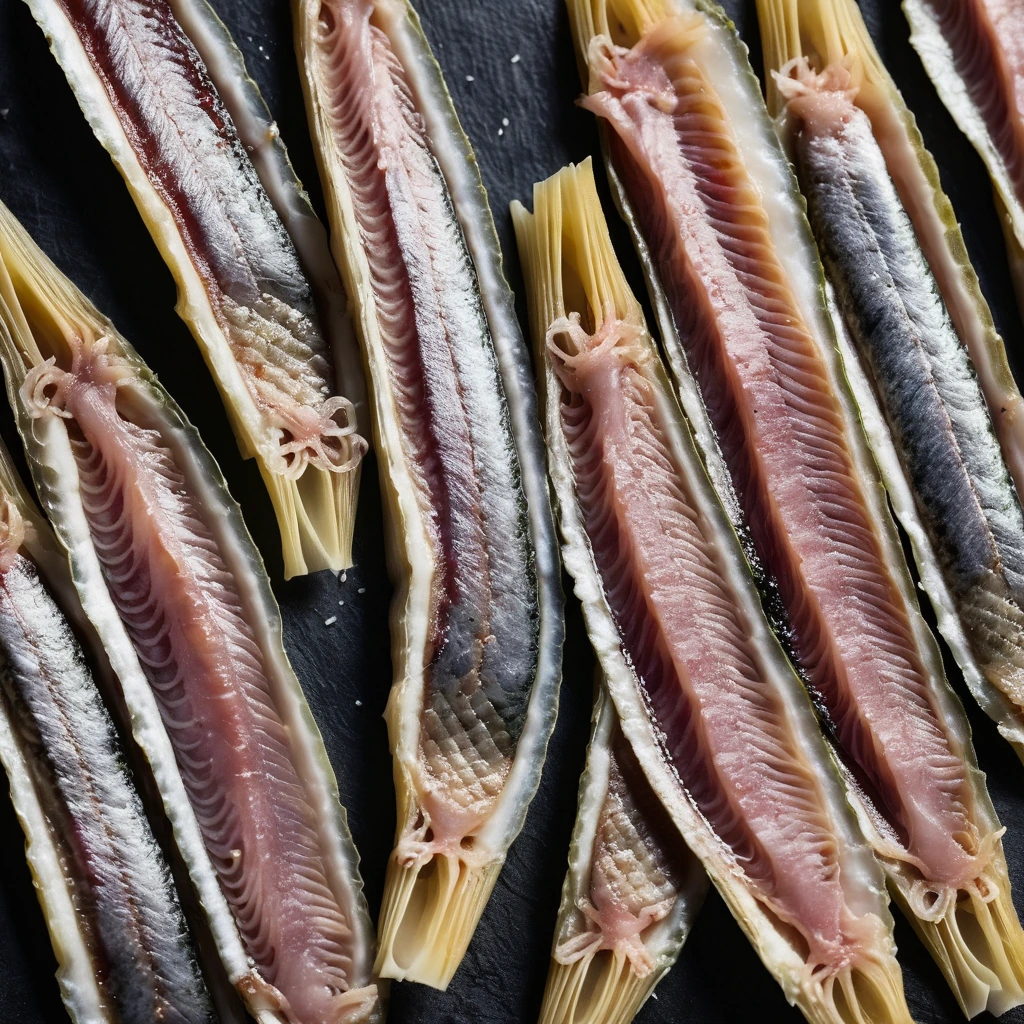
Anchovy Fillets
Silvery and succulent, anchovy fillets are a briny treasure from the sea. Their rich, umami flavor adds depth to dishes, making them a beloved ingredient in kitchens worldwide.