Seafood Technique: Cooking Scallops to a Perfect Translucent Center
Achieving scallops with a perfect translucent center is an art that combines precision and patience. This technique ensures the scallops are seared to a golden crust while maintaining a tender, slightly raw center that is both luxurious and flavorful. Scallops, being delicate mollusks, require careful handling to avoid overcooking, which can turn them rubbery. The key is to cook them quickly at high heat, allowing the natural sugars in the scallops to caramelize and create a delectable crust. This method is perfect for serving scallops as an appetizer or main course, offering a texture and taste that will impress any guest. Understanding the anatomy of scallops helps too: the adductor muscle is what we typically eat, and it's naturally sweet and tender when cooked correctly. This technique relies on high heat, precise timing, and minimal handling to achieve the desired result. Let’s dive into the details to ensure your scallops are restaurant-quality every time.
Notes
The science behind this technique is simple yet fascinating. Scallops are mostly made up of protein and water, and when exposed to high heat, the proteins coagulate and form a crust, sealing in the natural juices. Overcooking causes the proteins to squeeze out moisture, resulting in a dry scallop. To avoid common mistakes, ensure your pan is hot enough before adding the scallops and resist the urge to move them while they cook, as this prevents a good crust from forming. For safety, always use clean utensils and cook scallops to an internal temperature of 120°F for a translucent center. Scallops can be prepared up to the point of searing and refrigerated for up to 2 hours. Serve immediately after resting for the best texture.
Steps
- 1 Pat scallops dry with paper towels to remove excess moisture.
- 2 Season scallops lightly with salt and pepper.
- 3 Heat a large skillet over high heat until it is very hot.
- 4 Add 2 tablespoons of neutral oil with a high smoke point to the skillet.
- 5 Once the oil shimmers, add scallops to the pan without overcrowding.
- 6 Sear scallops for 1 to 1.5 minutes on the first side without moving them.
- 7 Flip scallops using tongs and sear the other side for 1 to 1.5 minutes.
- 8 Remove scallops from the pan immediately and place them on a plate.
- 9 Let scallops rest for 1-2 minutes before serving.
- 10 Optional: Deglaze the pan with a splash of white wine or lemon juice for a quick sauce.
Ingredients to explore
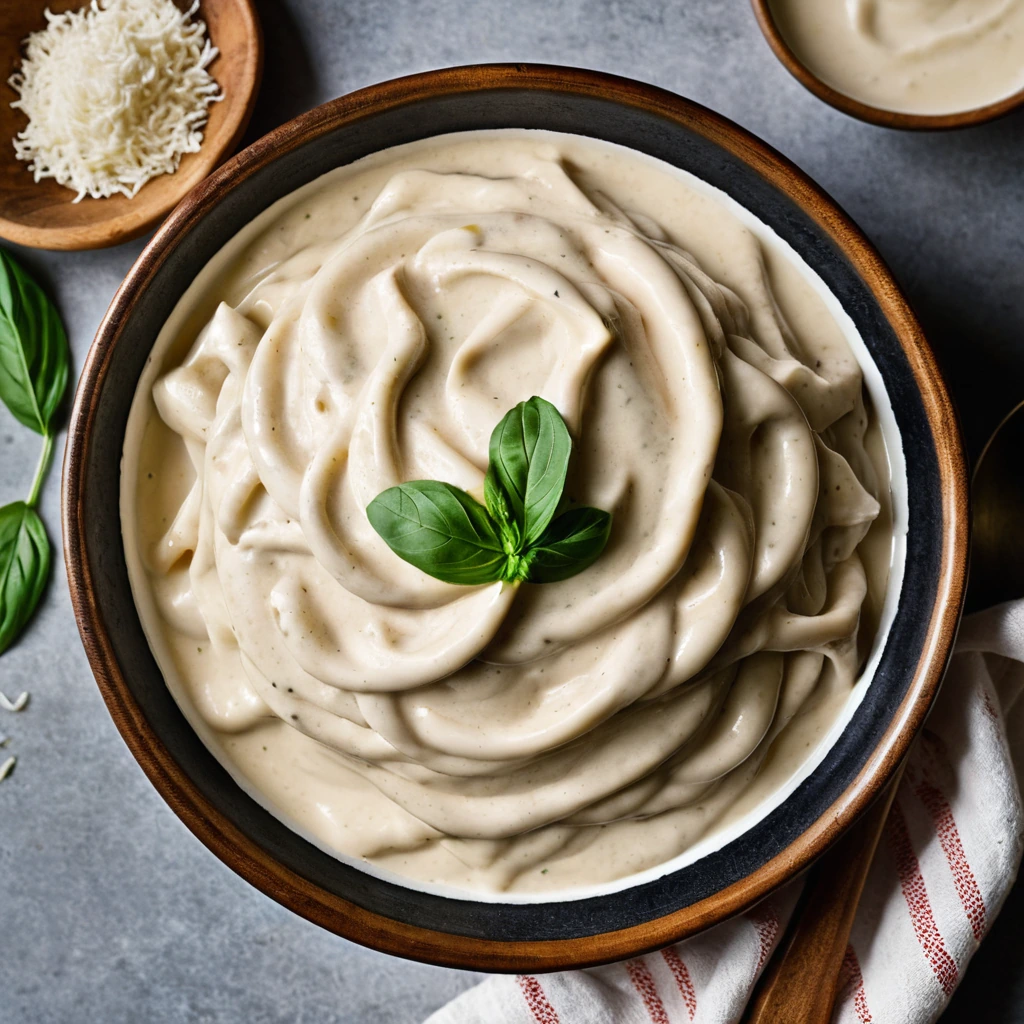
Alfredo Sauce
Creamy, rich, and utterly indulgent, Alfredo sauce is a dreamy blend of butter, heavy cream, and Parmesan cheese. Its velvety texture and savory depth make it a beloved staple in Italian-American cuisine.
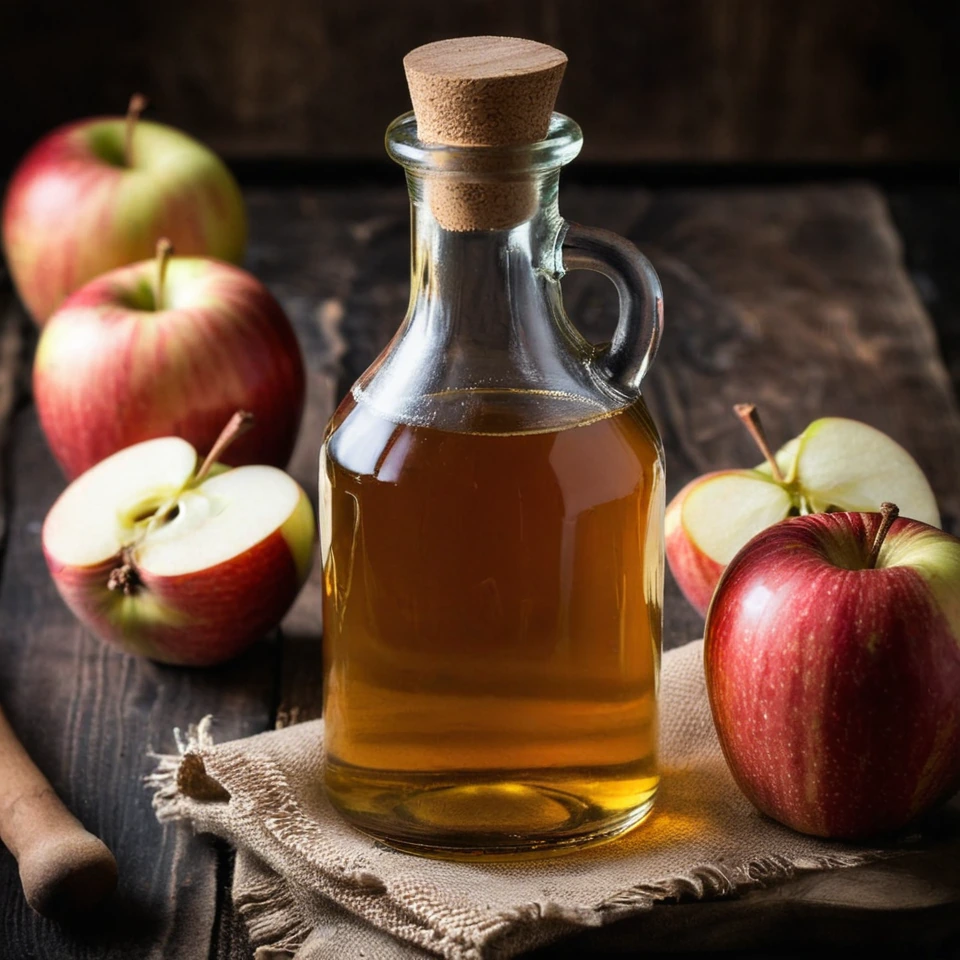
Apple Cider Vinegar
Apple cider vinegar is a type of vinegar made through the fermentation of apple cider, resulting in a tangy, slightly sweet liquid with a pale to medium amber color.
Recipes to try
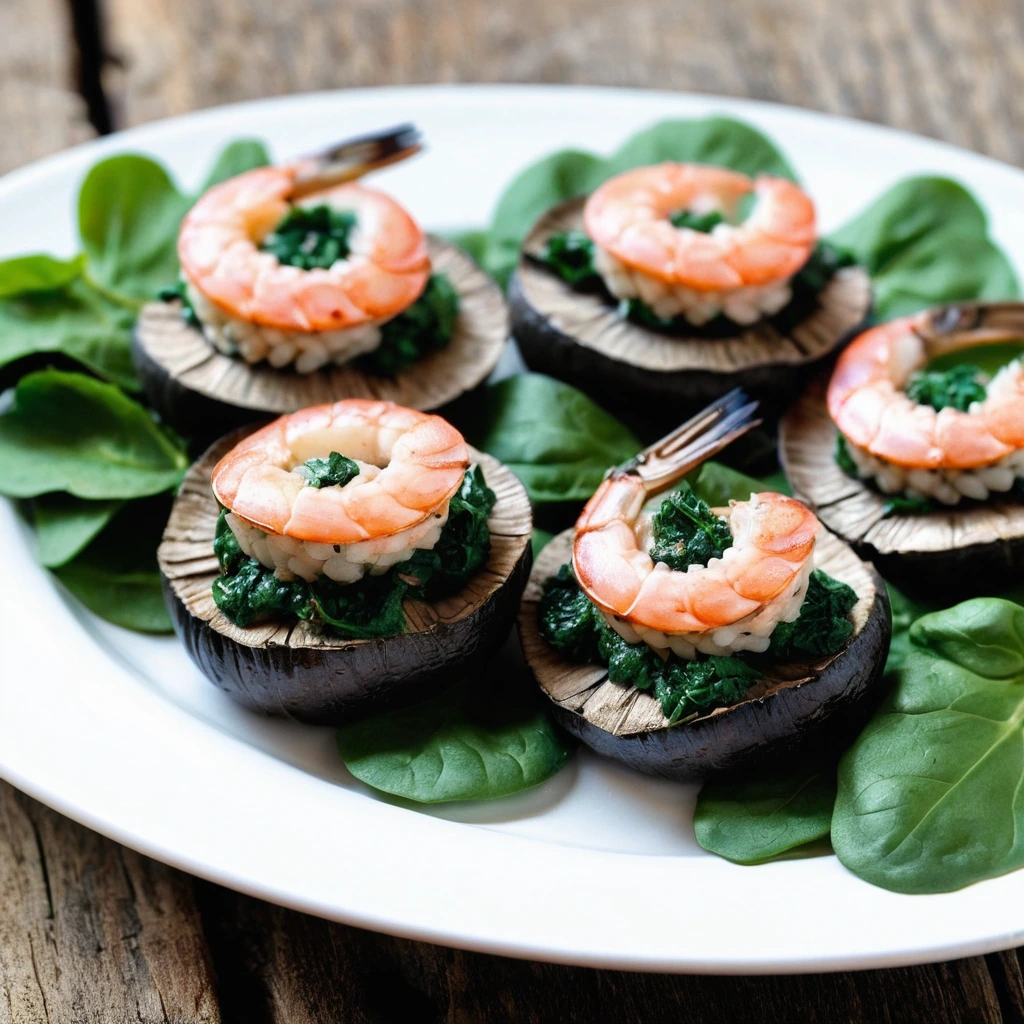
Shrimp and Spinach Stuffed Portobellos
Tender shrimp mingles with sautéed spinach in a savory filling, nestled inside roasted portobello mushrooms for a satisfying vegetarian-friendly main.
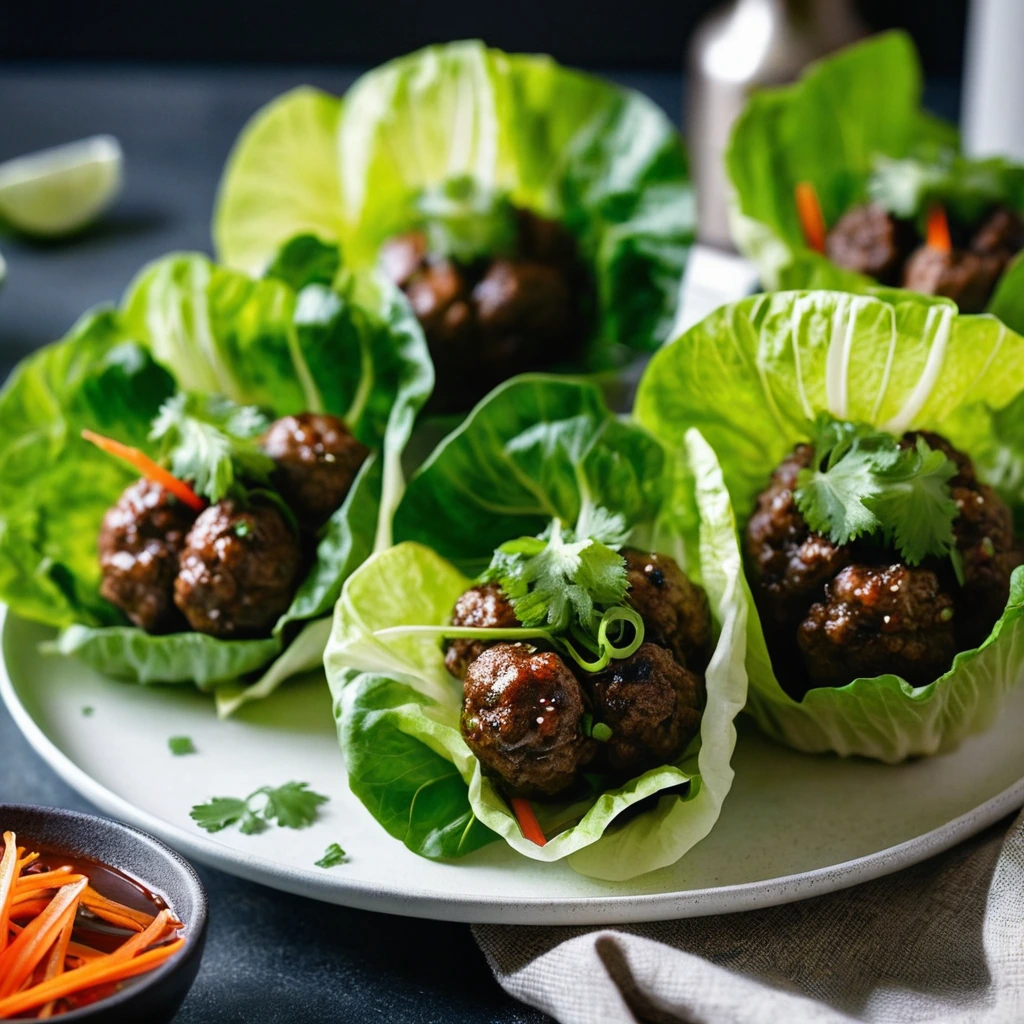
Sweet Chili Glazed Meatball Lettuce Wraps
Juicy meatballs cloaked in a sticky-sweet chili glaze, nestled in crisp lettuce cups for a flavor explosion with every bite.