Seafood Technique: Building a Shellfish Stock from Scraps
Creating a shellfish stock from scraps is a thrifty and flavorful technique that transforms what might otherwise be waste into a rich, aromatic base for soups, stews, and sauces. The essence of this method lies in extracting the natural umami from shells and discarded bits of shrimp, lobster, clams, and mussels. Properly executed, your stock will boast a deep brininess with hints of the sea. Begin by collecting your scraps: shrimp heads, lobster shells, clam shells, and mussel shells are all prime candidates. Avoid overly muddy or sandy shells, as they can introduce undesirable grit. Cleanliness is key; rinse your scraps thoroughly under cold water to remove any residual sand or debris. Next, consider aromatics: onions, celery, carrots, and herbs like thyme and bay leaves will provide a fragrant backbone. The stock-making process requires patience and attention to detail. Simmering gently is crucial to coaxing out the full flavor without clouding the stock with impurities. Skimming the surface occasionally will ensure clarity and refinement. Achieving the right balance of seasoning is also important; a touch of salt can enhance flavors, but remember you can always add more later. Finally, straining the stock through cheesecloth or a fine-mesh sieve will yield a silky smooth result, ready to elevate any dish. Understanding this technique not only reduces waste but also imbues your cooking with an authentic, gourmet touch.
Notes
The science behind shellfish stock is rooted in extracting collagen and proteins from shells and scraps, creating a gelatinous, flavorful base. To avoid a bitter taste, never let the stock boil furiously; a gentle simmer is key. Common mistakes include over-seasoning and failing to skim impurities, which can cloud the stock. From a safety standpoint, ensure all shellfish are sourced from reputable suppliers to avoid contamination. This stock is versatile and can be made ahead, stored in airtight containers in the fridge for up to three days, or frozen for up to three months. Properly stored, it will maintain its rich flavors for future culinary adventures.
Steps
- 1 Rinse shellfish scraps under cold water to remove sand and debris.
- 2 Place scraps in a large stockpot and cover with cold water.
- 3 Add aromatics: roughly chopped onions, celery, carrots, a few sprigs of thyme, and a bay leaf.
- 4 Bring the pot to a gentle simmer over medium heat, about 15-20 minutes.
- 5 Skim off any foam or impurities that rise to the surface.
- 6 Reduce heat to low and maintain a gentle simmer for 1 to 2 hours.
- 7 Avoid boiling rapidly to preserve clarity and delicate flavors.
- 8 Taste and adjust seasoning with a pinch of salt, if needed.
- 9 Prepare a fine-mesh sieve or several layers of cheesecloth for straining.
- 10 Strain the stock carefully into a clean container or pot.
- 11 Discard the solids and let the stock cool slightly before storing.
- 12 If storing, refrigerate for up to 3 days or freeze for longer preservation.
- 13 Label your stock with the date for optimal freshness tracking.
Ingredients to explore
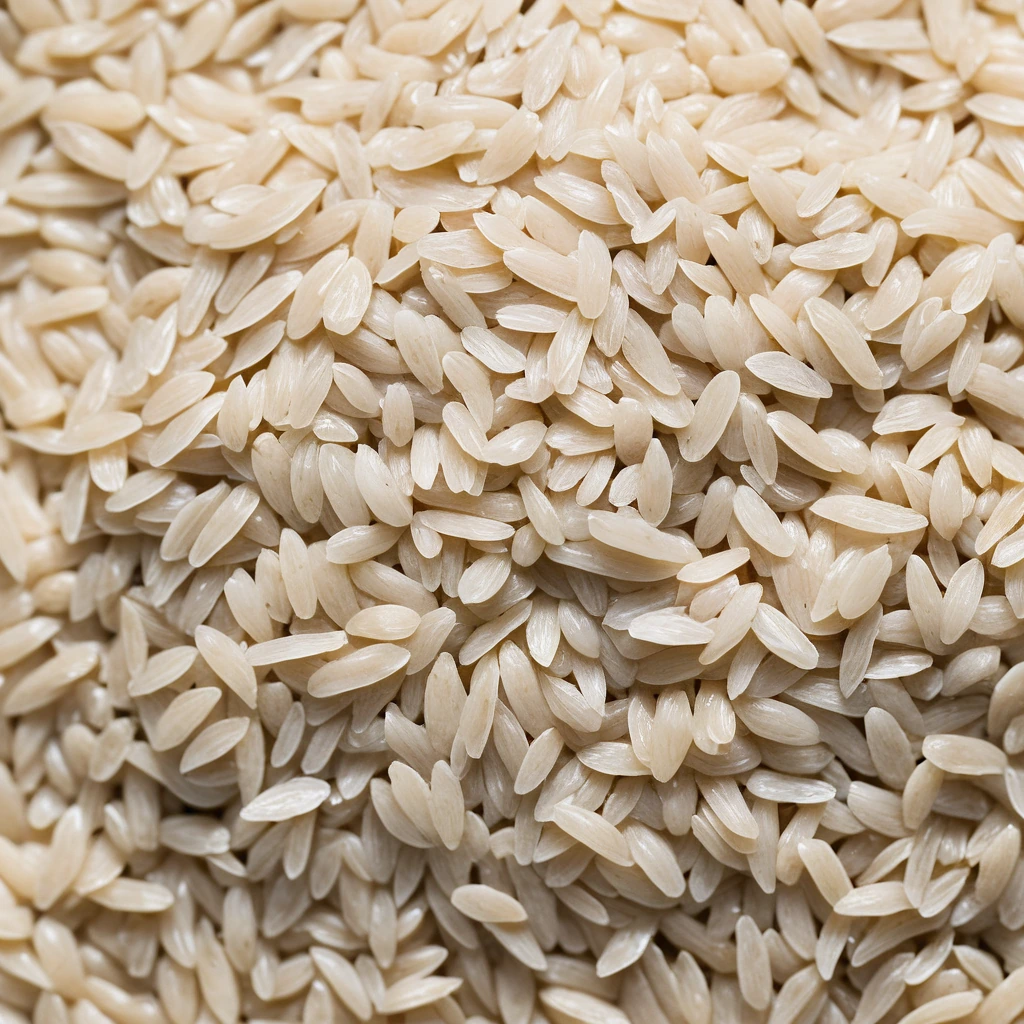
Arborio Rice
Arborio rice is a short-grain Italian rice variety renowned for its use in risotto. Originating from the Po Valley in Northern Italy, it is a staple in Italian cuisine. Its flavor is mild and nutty, with a pleasant creamy texture when cooked due to its high amylopectin content, which releases starch and creates a velvety consistency. The grains remain plump and firm to the bite, offering a satisfying chewiness. In cooking, Arborio rice excels at absorbing flavors from broths and seasonings while maintaining its shape, making it ideal for dishes that require both creaminess and structure.
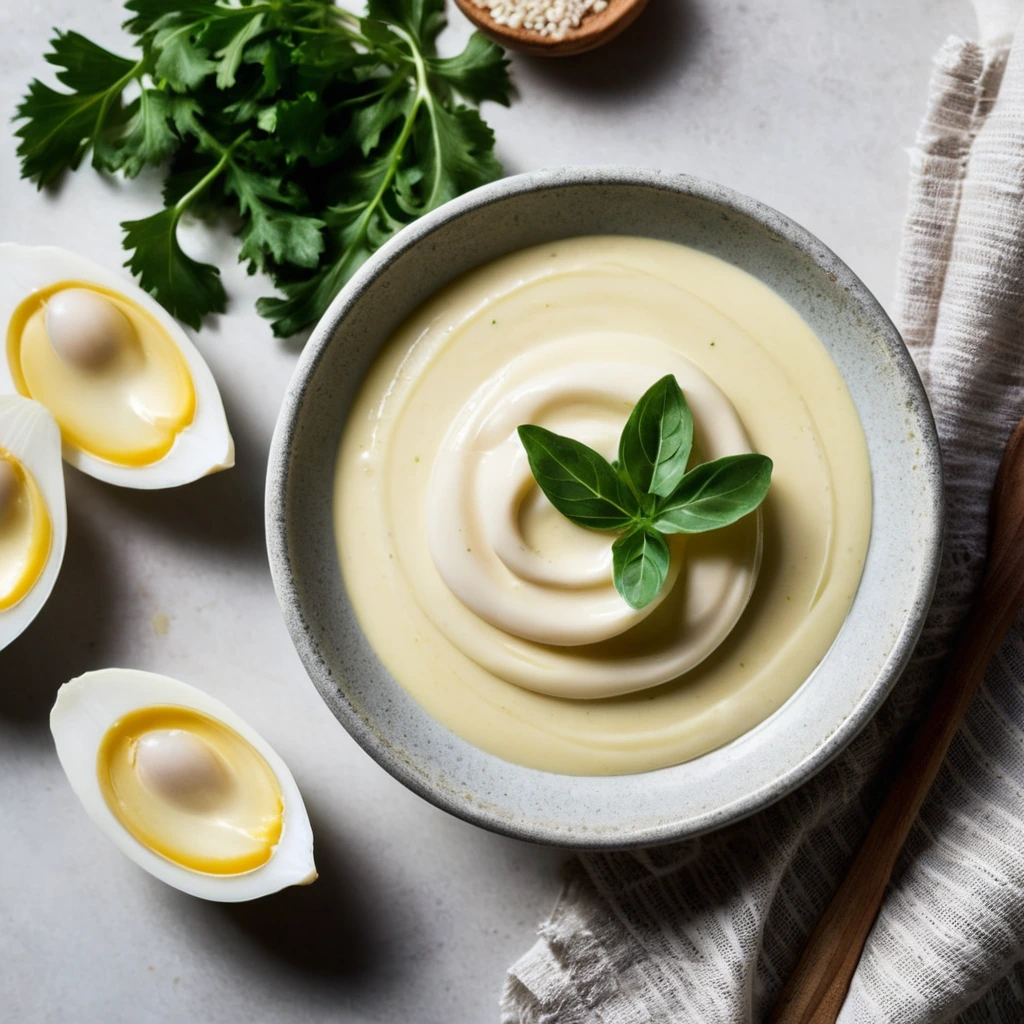
Aioli
A luscious, velvety emulsion of garlic and olive oil, aioli is a rich and aromatic sauce that dances on the palate with its creamy texture and bold, pungent flavor.
Recipes to try
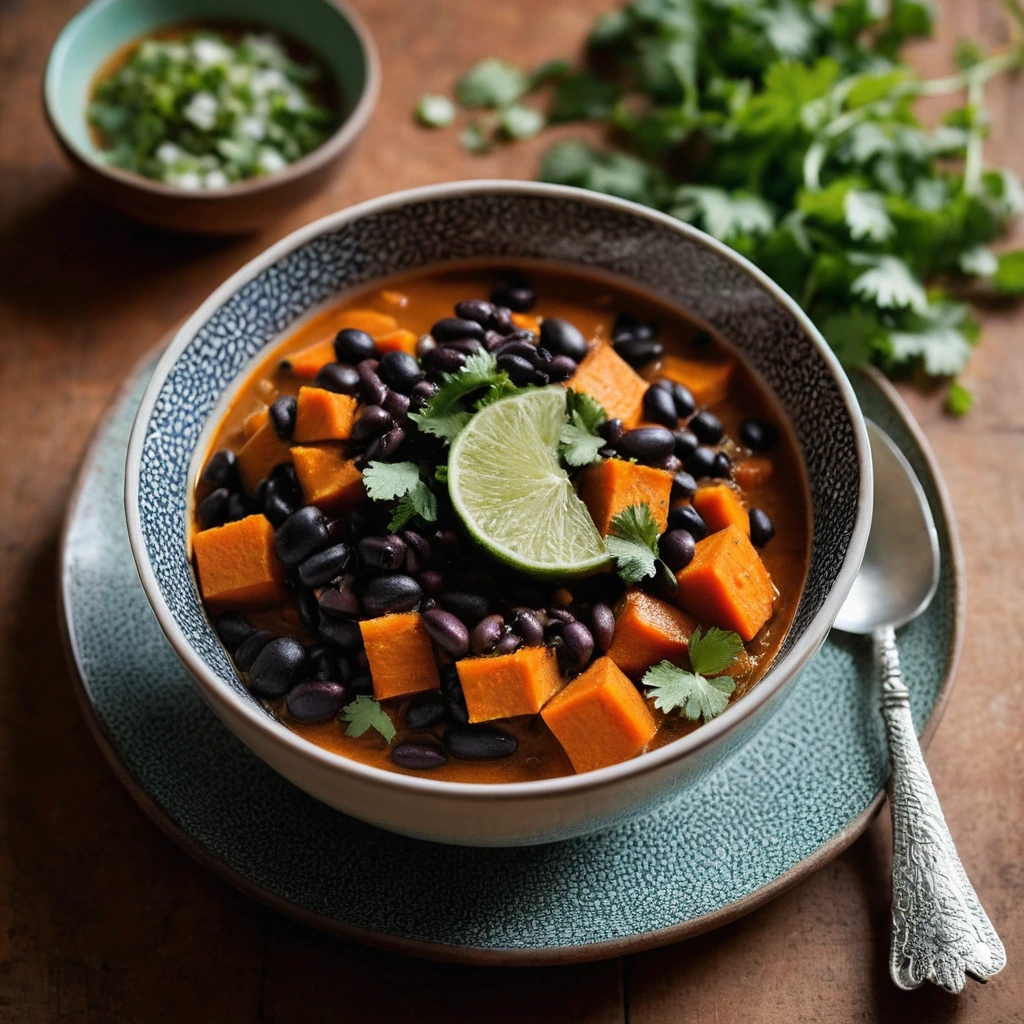
Smoky Sweet Potato and Black Bean Stew
Hearty and deeply flavorful, this stew is a comforting hug in a bowl with smoky spices and tender sweet potatoes.
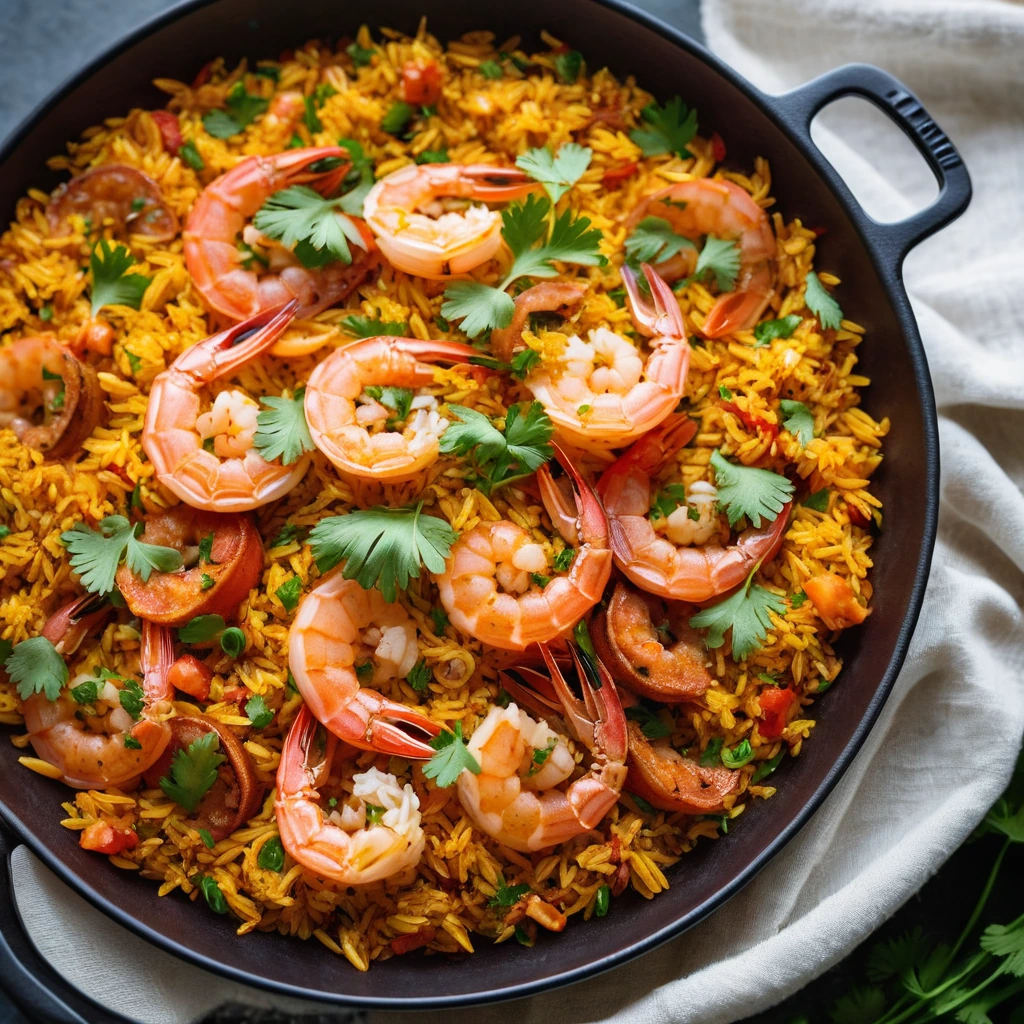
Shrimp and Chorizo Rice Skillet
A zesty, one-pan wonder where plump shrimp and smoky chorizo mingle with fragrant rice, creating a fiesta in every bite.