Seafood Technique: Avoiding Rubberiness in Squid and Octopus
Cooking squid and octopus can be a delightful experience, but nothing ruins a meal faster than rubbery tentacles. Achieving tender, succulent results is all about understanding the unique protein structure of these cephalopods. Unlike most meats, squid and octopus contain a high amount of collagen and muscle fibers, which require precise cooking methods to break down properly. When cooked too quickly at high heat, these fibers tighten, resulting in a chewy texture. The secret lies in controlling cooking times and temperatures to either cook them very quickly or very slowly. Quick cooking involves searing or frying for just a few minutes, while slow cooking requires a lengthy simmer of up to two hours or more. Both methods, when executed correctly, yield melt-in-your-mouth results. This technique dives into the science behind the texture changes and offers practical advice to ensure your seafood dishes are always tender and delicious.
Notes
The key to preventing rubberiness is understanding the denaturation of proteins. When heated quickly, proteins coagulate rapidly, leading to a firm texture. Slow cooking allows enzymes to break down the muscle fibers and collagen, resulting in tenderness. A common mistake is overcooking during quick methods or underestimating time for slow cooking. Always use a timer and check doneness frequently. For storage, refrigerate cooked squid or octopus in an airtight container for up to 3 days. Reheat gently to preserve texture.
Steps
- 1 Clean the squid or octopus thoroughly, removing innards and beak.
- 2 For quick cooking, pat the squid or octopus dry with paper towels.
- 3 Heat a skillet with 2 tablespoons of oil over high heat until shimmering.
- 4 Sear the squid or octopus for 1 to 2 minutes per side, watching for a golden-brown crust.
- 5 Remove immediately from heat and let rest for 2 minutes before serving.
- 6 For slow cooking, submerge the cleaned squid or octopus in cold water in a pot.
- 7 Add aromatics like garlic, onion, and herbs, then bring to a gentle simmer.
- 8 Maintain a low simmer for 1.5 to 2 hours, skimming off any impurities.
- 9 Check for tenderness by gently pulling apart a tentacle.
- 10 Once tender, remove from heat and let cool in the liquid for 15 minutes.
Ingredients to explore
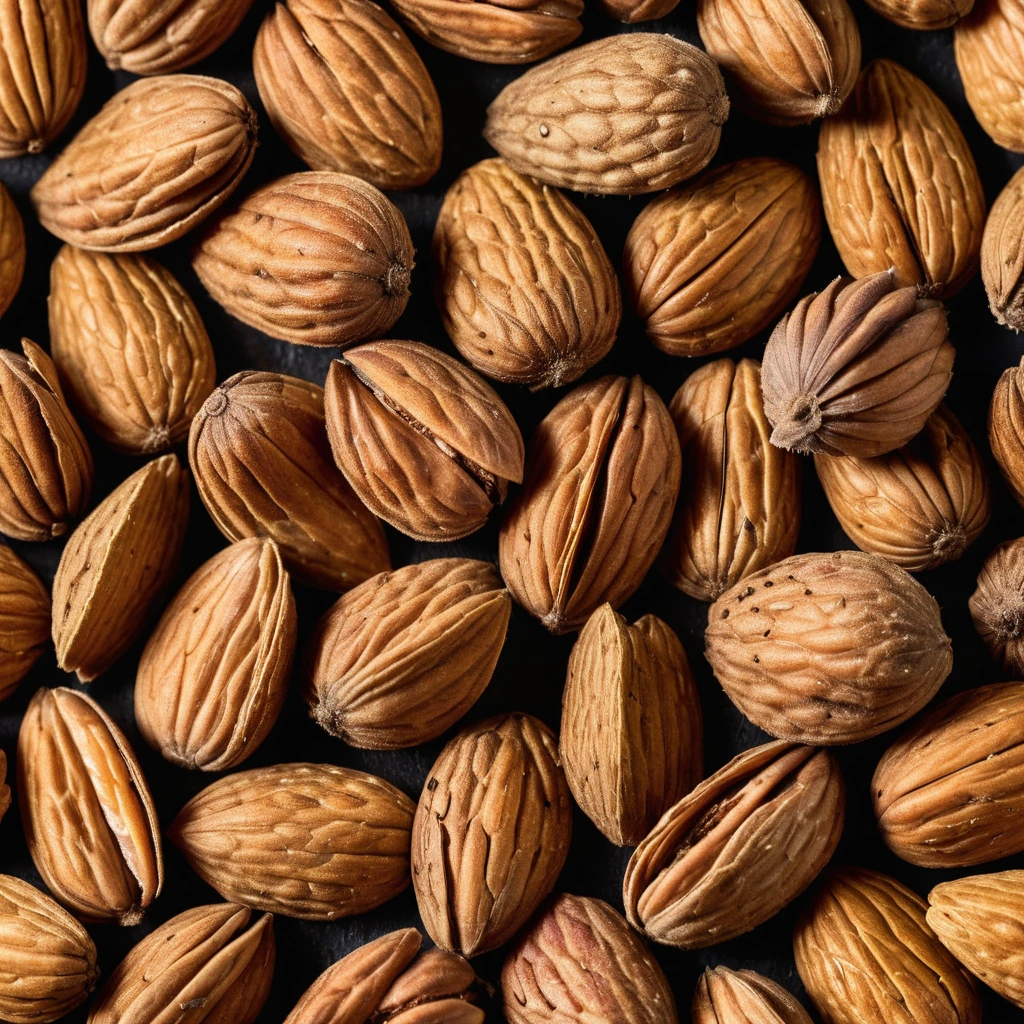
Almonds
With their golden-brown hue and delicate, edible skin, almonds are a crunchy delight. These versatile nuts boast a rich, buttery flavor that adds depth to both sweet and savory dishes.

Andouille Sausage
Andouille sausage is a coarse-grained, smoked pork sausage with a rich history rooted in French cuisine, particularly from the Alsace region. It was adapted in Louisiana, where it became a staple in Cajun and Creole cooking. The sausage is known for its robust, smoky flavor with hints of garlic, pepper, and other spices, creating a spicy and savory profile. Its texture is firm yet slightly chewy, making it a hearty addition to dishes. When cooked, andouille sausage maintains its shape well and infuses dishes with its distinctive smoky essence, enhancing stews, soups, and rice dishes.
Recipes to try
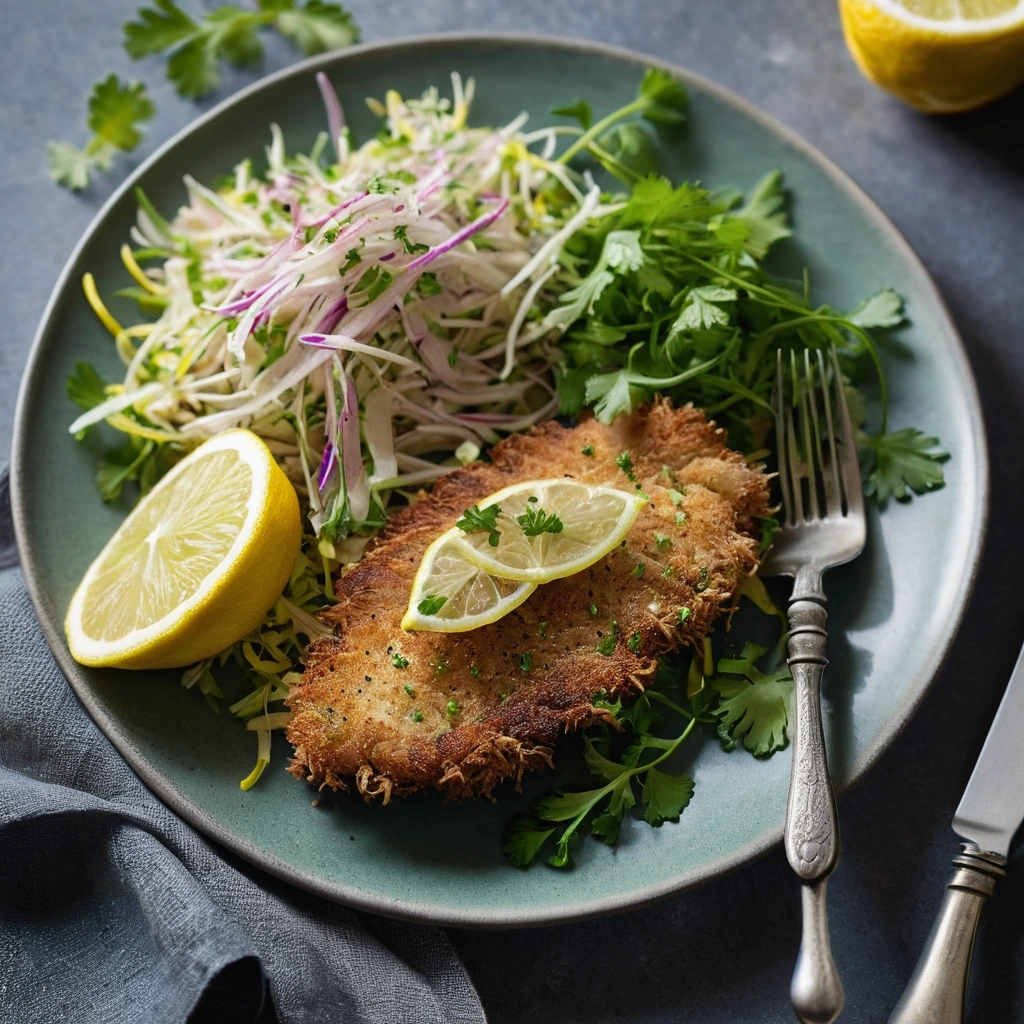
Pork Schnitzel with Lemon and Parsley Slaw
Golden, crispy pork schnitzel served with a refreshing, zesty lemon and parsley slaw that'll brighten your dinner table.
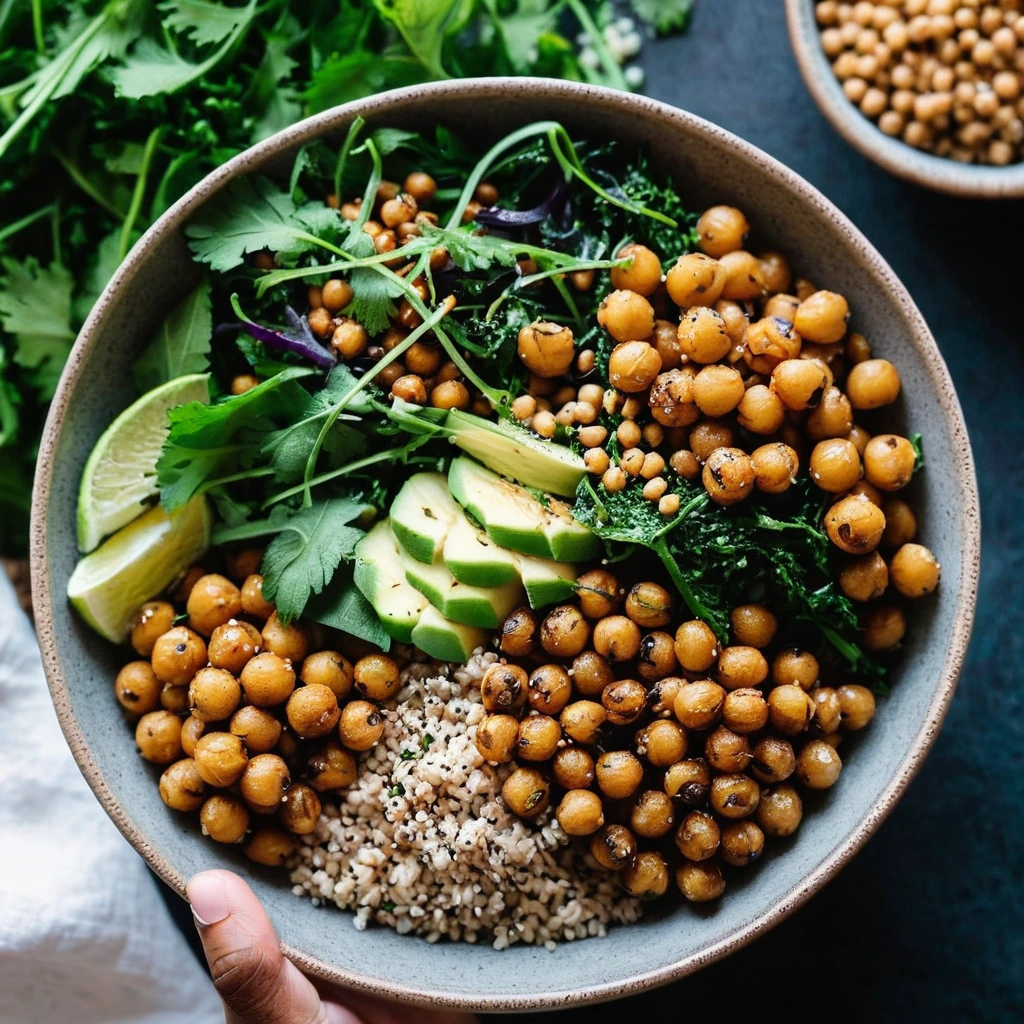
Spicy Sesame Roasted Chickpea Grain Bowls
Crispy, spicy chickpeas meet fluffy grains in a vibrant bowl that'll have your taste buds cheering for more.