Seafood: Deveining and Butterflying Shrimp
Mastering the art of deveining and butterflying shrimp is an essential skill for any home cook looking to elevate their seafood dishes. This technique not only enhances the presentation of shrimp but also ensures that you remove the intestinal tract, which can affect the flavor and texture if left in. Deveining is a straightforward process that involves extracting the dark vein running along the shrimp's back, while butterflying involves slicing the shrimp almost in half to create a flat, grillable piece. Together, these techniques transform ordinary shrimp into a gourmet ingredient suitable for grilling, sautéing, or skewering. We'll guide you through each step with precision, ensuring that you're equipped to handle shrimp like a seasoned chef. By the end, you'll be confident in preparing shrimp that are not only delicious but also visually appealing, making your seafood dishes stand out.
Notes
The dark vein in shrimp is actually the digestive tract, which can impart a gritty texture and off-flavors if not removed. Butterflying shrimp not only makes them cook more evenly but also allows for better absorption of marinades and seasonings. A common mistake is cutting too deeply and severing the shrimp entirely; always aim for halfway through. For safety, ensure your knife is sharp to prevent slipping. Deveined and butterflied shrimp can be prepared ahead of time and stored in the refrigerator for up to 24 hours. Keep them covered and dry until ready to cook for optimal texture.
Steps
- 1 Select fresh shrimp with intact shells.
- 2 Using a sharp paring knife, make a shallow incision along the underside of the shrimp from head to tail.
- 3 Flip the shrimp over and gently lift the top shell to expose the vein.
- 4 Locate the dark vein running along the shrimp's back.
- 5 Using the tip of your knife or a deveining tool, carefully lift the vein out of the shrimp.
- 6 If any small pieces of vein remain, remove them with the tip of your knife.
- 7 To butterfly, deepen the original incision to about halfway through the shrimp, keeping the knife parallel to the cutting board.
- 8 Open the shrimp like a book, leaving it attached at the tail for presentation.
- 9 Rinse the shrimp under cold water to ensure all vein remnants are removed.
- 10 Pat the shrimp dry with paper towels to prepare for cooking.
- 11 Season the shrimp immediately before cooking for best flavor adherence.
- 12 For grilling, use a basket or skewers to prevent the shrimp from falling through the grates.
- 13 Cook the shrimp until they turn pink and opaque, typically 2-3 minutes per side.
Ingredients to explore
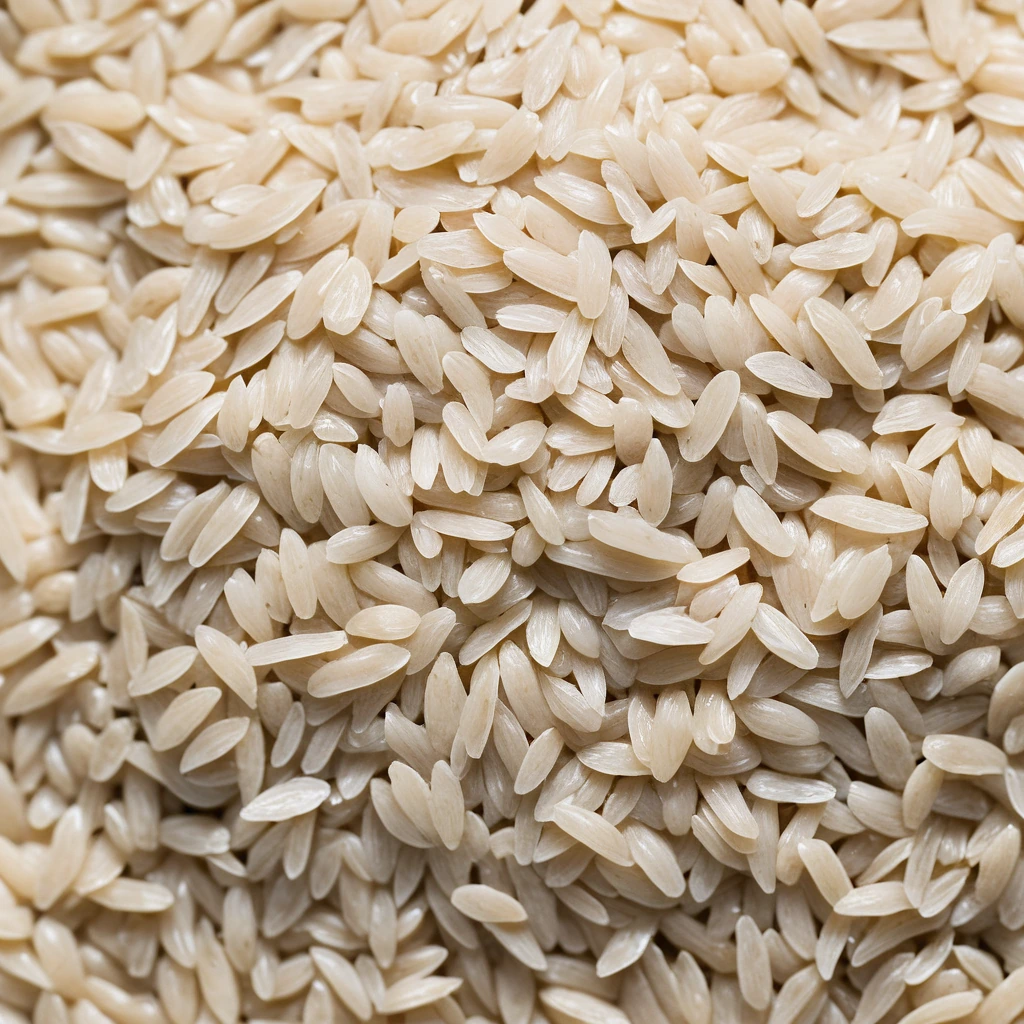
Arborio Rice
Arborio rice is a short-grain Italian rice variety renowned for its use in risotto. Originating from the Po Valley in Northern Italy, it is a staple in Italian cuisine. Its flavor is mild and nutty, with a pleasant creamy texture when cooked due to its high amylopectin content, which releases starch and creates a velvety consistency. The grains remain plump and firm to the bite, offering a satisfying chewiness. In cooking, Arborio rice excels at absorbing flavors from broths and seasonings while maintaining its shape, making it ideal for dishes that require both creaminess and structure.
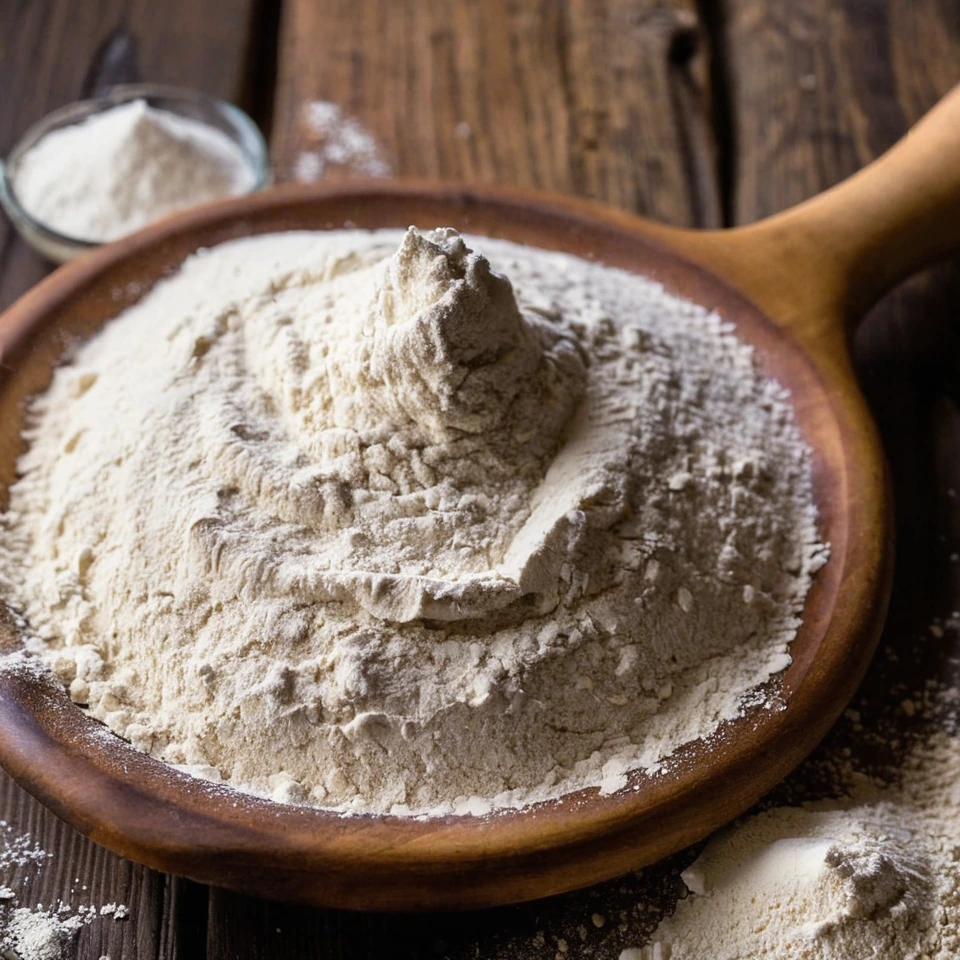
All-Purpose Flour
All-purpose flour is a versatile wheat flour that contains a moderate level of protein and gluten, making it suitable for a wide range of baking and cooking needs.
Recipes to try
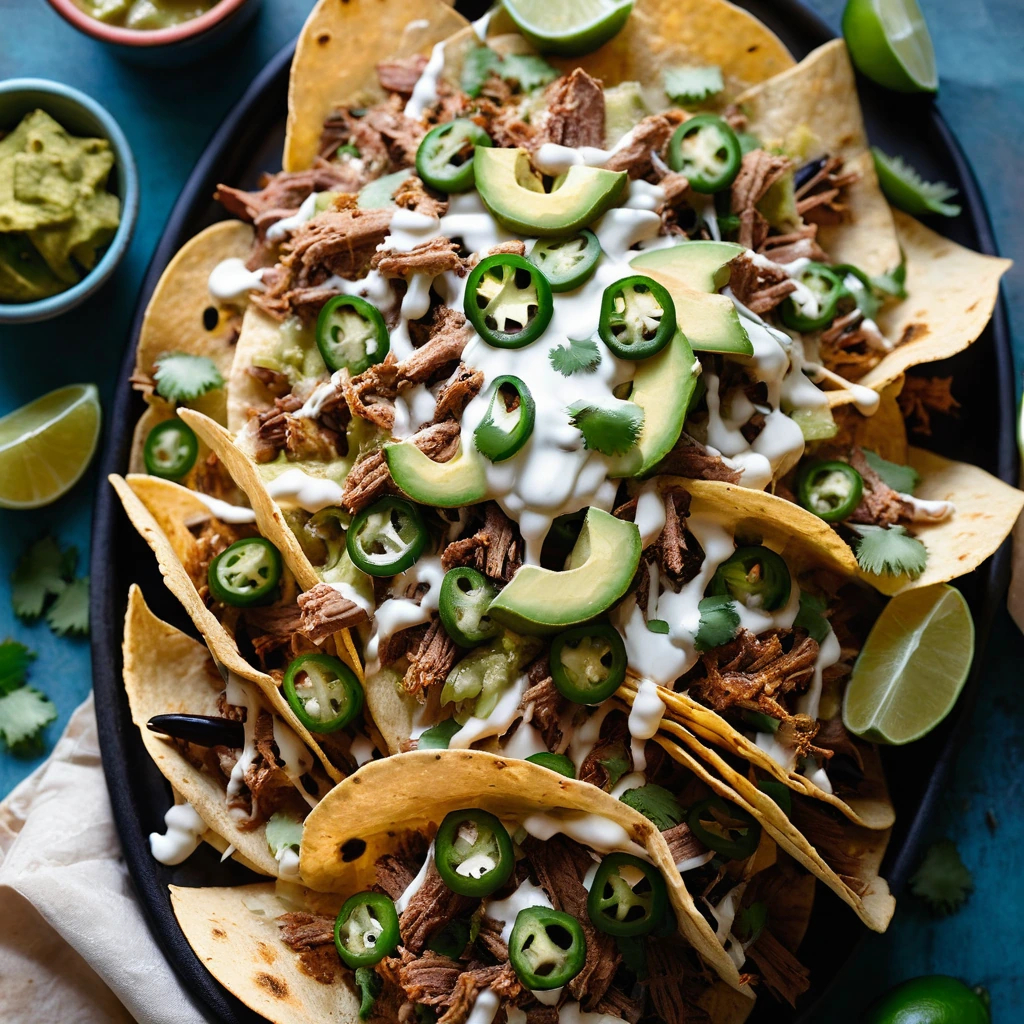
Pork Carnitas Nachos with Queso and Jalapeños
Crispy tortilla chips smothered in tender pork carnitas, melty queso, and zesty jalapeños for a fiesta in your mouth.
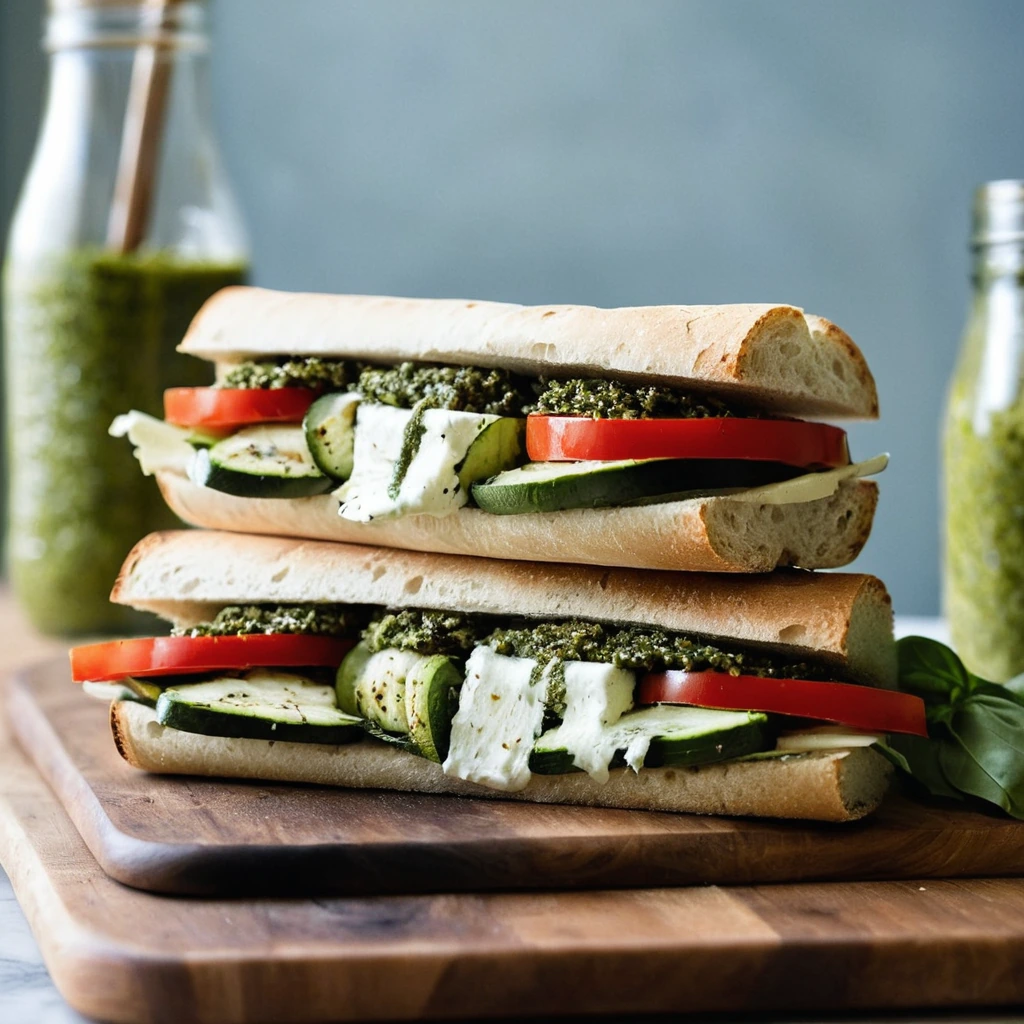
Pesto Roasted Veggie Sandwiches with Mozzarella
Warm, toasty ciabatta cradles a medley of roasted veggies, vibrant pesto, and melty mozzarella for a sandwich that's as hearty as it is fresh.