Sauces: Roasted Garlic Paste Applications
Roasted garlic paste is a versatile ingredient that brings a mellow, sweet depth to sauces, dressings, and spreads. Unlike raw garlic, roasted garlic loses its sharp bite and develops a caramelized richness. This technique explores how to harness this unique flavor profile in various culinary applications. The paste can elevate simple dishes or serve as a foundational component in more complex recipes. Its smooth texture and mild taste make it an ideal addition to creamy sauces, vinaigrettes, and compound butters. Whether you're drizzling it over roasted vegetables or stirring it into soups, roasted garlic paste adds a layer of sophistication. Its applications are nearly limitless, making it a must-have in any home cook's arsenal. Understanding how to incorporate this paste properly can transform your cooking, ensuring every dish is imbued with subtle, savory notes. This technique will guide you through creating and applying roasted garlic paste to enhance your culinary creations.
Notes
The roasting process caramelizes the natural sugars in garlic, mellowing its flavor. This is why roasted garlic paste works so well in delicate dishes, offering depth without overwhelming. A common mistake is using too much paste, which can still overpower a dish; start with a teaspoon and adjust to taste. For storage, keep the paste refrigerated in an airtight container for up to a week or freeze for longer storage. To avoid burning, ensure your oven is properly preheated and monitor the garlic during roasting. For make-ahead convenience, prepare large batches of paste and portion them into ice cube trays before freezing, allowing you to use just what you need.
Steps
- 1 Preheat oven to 400°F.
- 2 Cut the top off a whole head of garlic, exposing the cloves.
- 3 Drizzle exposed garlic with 1 tablespoon olive oil.
- 4 Wrap the garlic in aluminum foil, sealing tightly.
- 5 Roast in the oven for 40-45 minutes, until cloves are soft.
- 6 Allow garlic to cool until handleable.
- 7 Squeeze roasted cloves into a bowl, discarding skins.
- 8 Mash cloves with a fork or blend until smooth for paste.
- 9 Stir paste into warm butter for a compound butter.
- 10 Whisk paste into vinaigrettes for added depth.
- 11 Stir paste into cream sauces for richness.
- 12 Spread paste on crusty bread for crostini.
- 13 Use paste as a base for aioli or mayonnaise.
- 14 Incorporate paste into soups or stews for a subtle garlic flavor.
Ingredients to explore
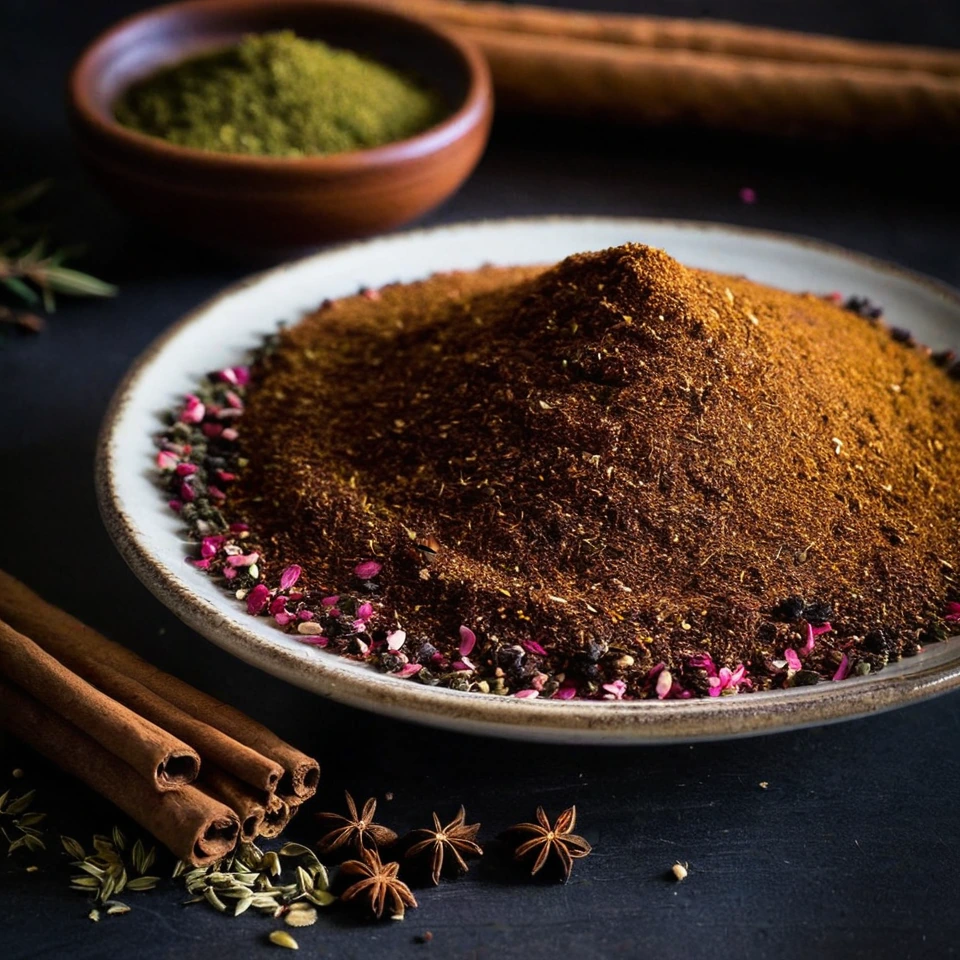
Advieh (Persian Spice Blend)
Advieh is a fragrant Persian spice blend that boasts a complex aroma of warm cinnamon, earthy cumin, and floral hints of rose and saffron. Its texture is finely ground, making it easy to incorporate into dishes. Originating from the rich culinary traditions of Iran, advieh adds depth and sophistication to both savory and sweet recipes. Its unique combination of spices reflects the historical spice trade routes that influenced Persian cuisine.
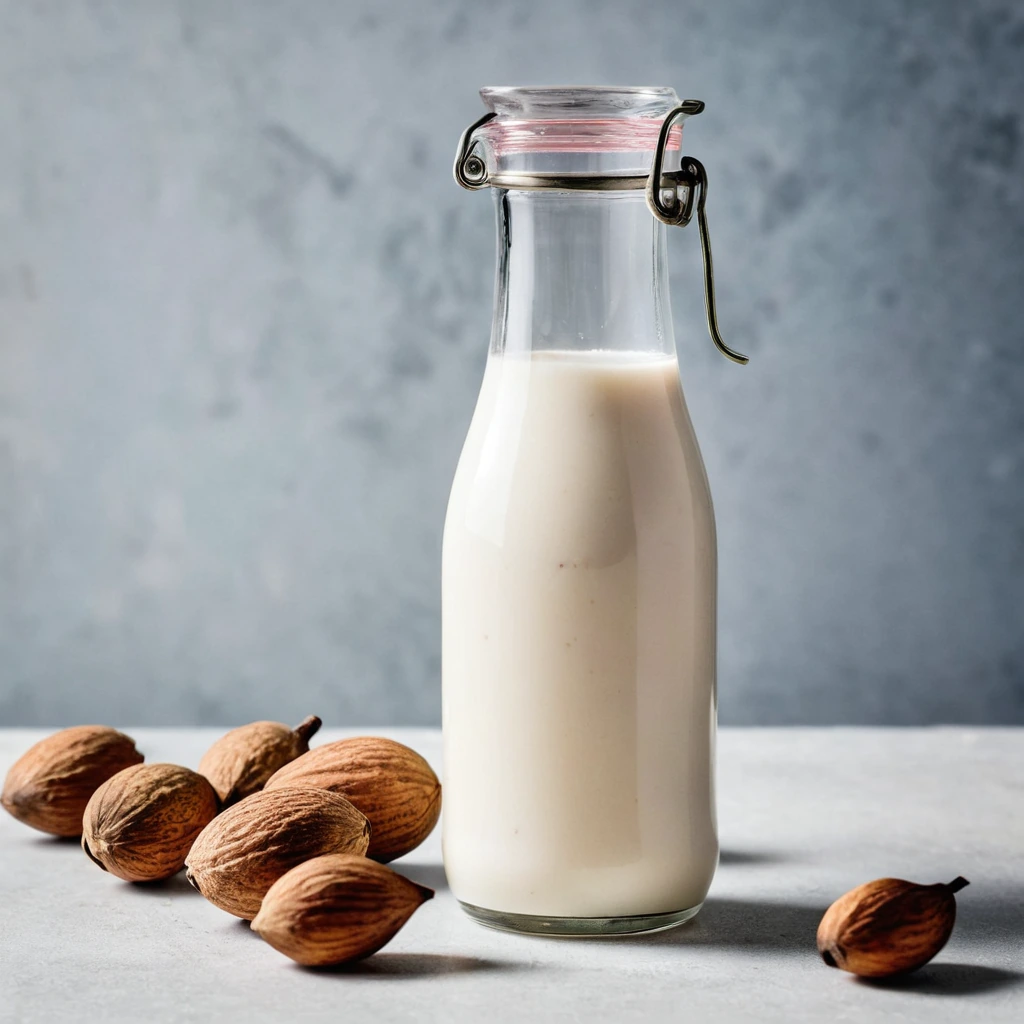
Almond Milk
Almond milk is a plant-based milk alternative made from ground almonds and water. Originating from traditional recipes in medieval Europe and the Middle East, it has gained widespread popularity in modern times as a dairy-free option. Almond milk has a subtly nutty flavor with a mild sweetness, and its aroma is reminiscent of fresh almonds. Its texture is smooth and creamy, though typically lighter than dairy milk. In cooking, almond milk behaves well in both savory and sweet applications, though it does not brown or caramelize like dairy milk. It is often used in cereals, smoothies, and baking, where its delicate flavor complements rather than overpowers other ingredients.
Recipes to try
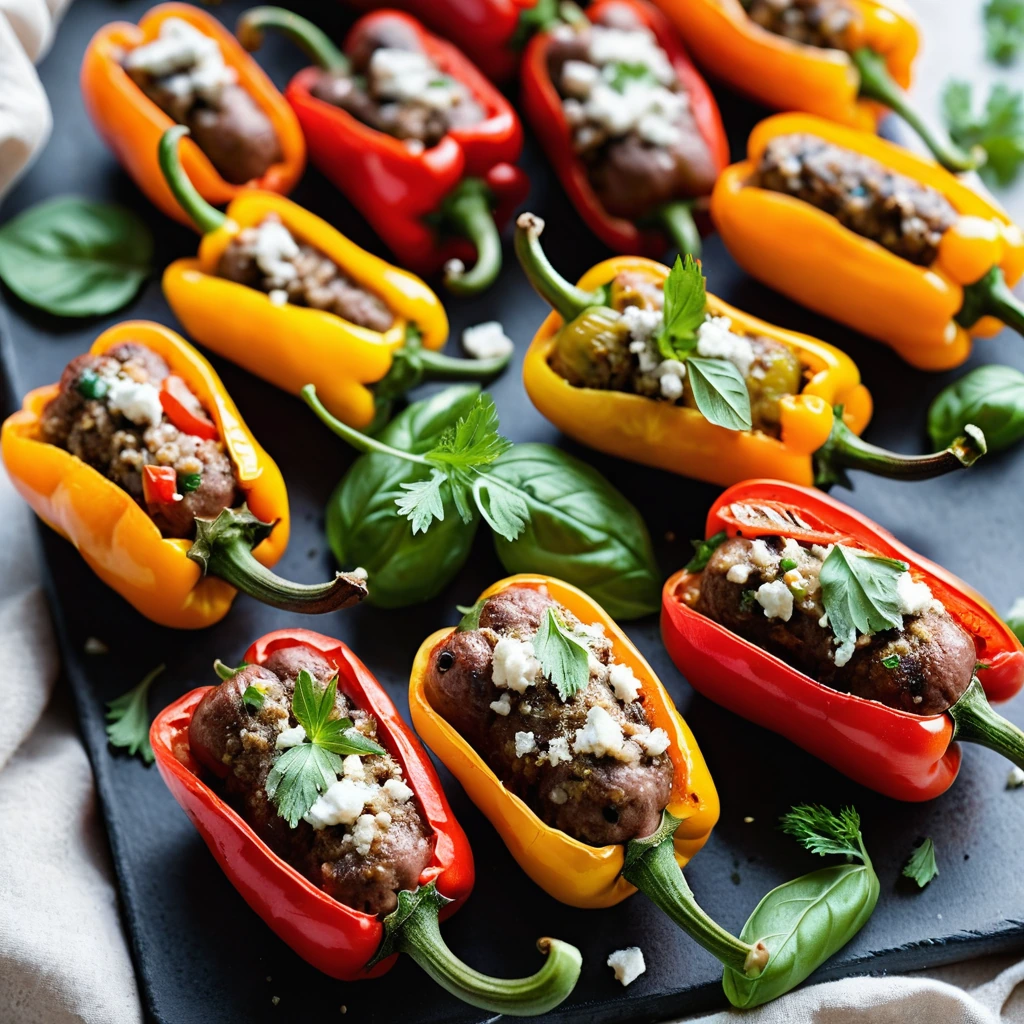
Sausage and Feta Stuffed Mini Peppers
These adorable mini peppers are packed with a savory blend of sausage and creamy feta, delivering a burst of flavor in every bite.

Sweet Potato, Sausage, and Egg Breakfast Hash
Rustic and hearty, this breakfast hash is a symphony of smoky sausage, tender sweet potatoes, and perfectly cooked eggs.