Sauces: Reducing Cream Without Curdling
Creating a luscious, velvety sauce often hinges on your ability to reduce cream without curdling it. This technique is essential for dishes that call for rich, smooth sauces, from classic pasta dishes to decadent desserts. Reducing cream concentrates its flavor and thickens its texture, but it requires precision and patience to avoid the dreaded curdle. Understanding the science behind why cream curdles and how to prevent it will elevate your sauce game. Let's delve into the art of reducing cream, exploring the delicate balance between heat, time, and technique. When done correctly, you'll achieve a sauce that's silky and luxurious, without breaking or separating. This guide will walk you through the process step-by-step, ensuring you have the confidence to create perfect sauces every time.
Notes
The science behind reducing cream lies in the behavior of milk proteins and fat when exposed to heat. At temperatures above 180°F, proteins can coagulate and cause curdling. By maintaining a gentle heat and stirring frequently, you prevent these proteins from clumping together. A common mistake is allowing the cream to come to a full boil, which can lead to curdling. To troubleshoot, always use a thermometer and avoid distractions while reducing. For safety, never leave the saucepan unattended on the stove. This sauce can be made ahead; simply store it in an airtight container in the refrigerator for up to 3 days. Reheat gently over low heat before serving.
Steps
- 1 Pour the heavy cream into a medium saucepan.
- 2 Place the saucepan over medium-low heat.
- 3 Gently warm the cream, stirring occasionally with a wooden spoon.
- 4 Monitor the temperature with a thermometer; do not exceed 180°F.
- 5 As the cream heats, small bubbles will form around the edges; this is normal.
- 6 Increase heat to medium once small bubbles appear consistently, but maintain vigilance.
- 7 Continue to stir gently and frequently to prevent scorching.
- 8 Reduce the heat to low if the cream threatens to boil or bubble vigorously.
- 9 Simmer gently until the volume of the cream has reduced by approximately one-third to one-half.
- 10 Remove the saucepan from the heat just before reaching your desired consistency.
- 11 Strain the reduced cream through a fine-mesh sieve to catch any potential lumps.
- 12 Transfer the sauce to a clean bowl and let it cool slightly before using.
- 13 Taste and adjust seasoning with salt and pepper if necessary.
Ingredients to explore
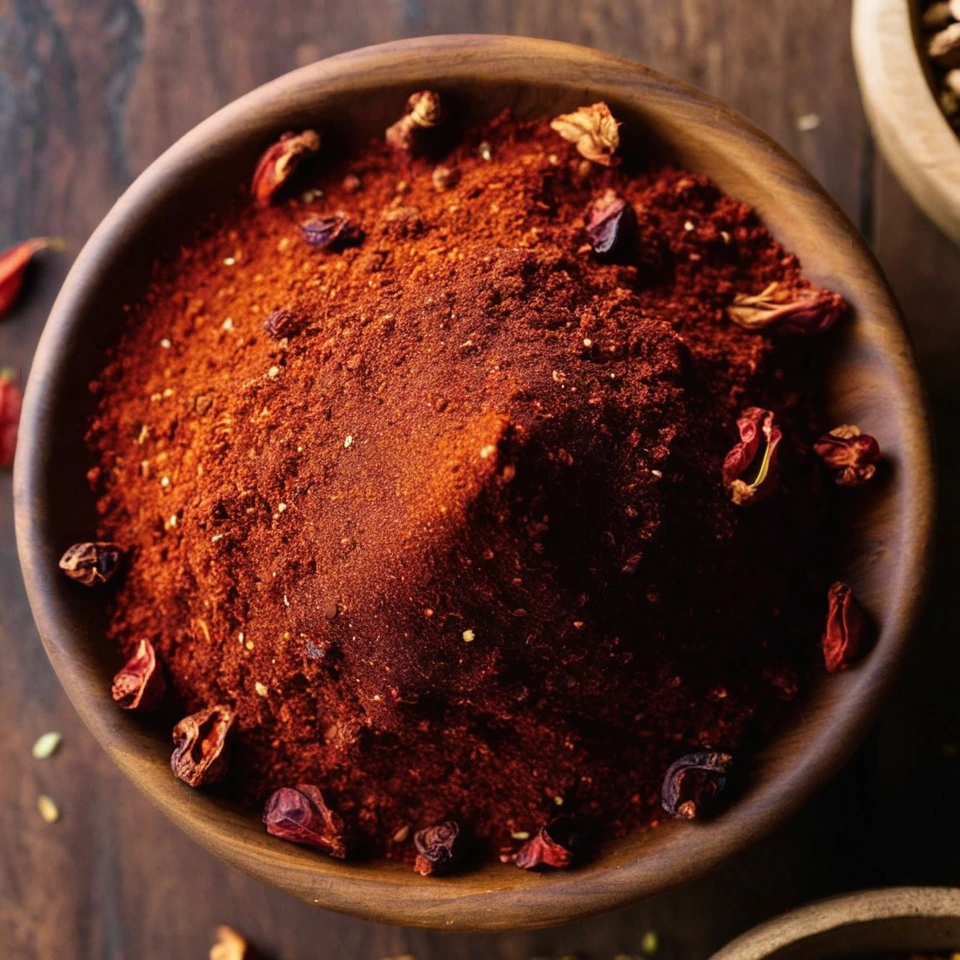
Aleppo Pepper
Aleppo pepper offers a harmonious balance of heat and sweetness, with a subtle fruity aroma reminiscent of sun-dried tomatoes and currants. Originating from the region around Aleppo, Syria, it has a fine, slightly coarse texture that shatters easily between fingers. Its mild yet complex flavor profile makes it a prized seasoning for enhancing dishes without overwhelming them. Valued for its versatility, it bridges the gap between spice and seasoning, bringing a touch of warmth and depth to a variety of cuisines.
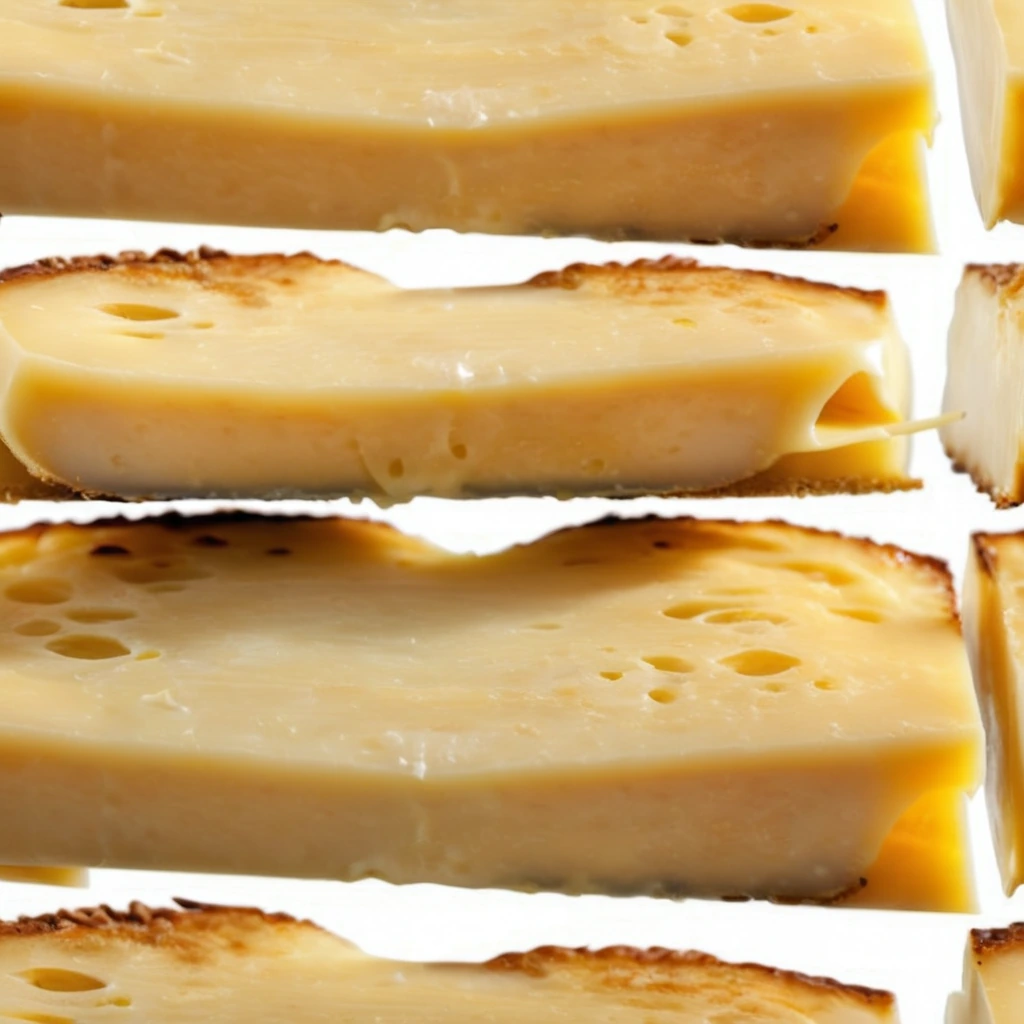
American Cheese Slices
Those iconic, perfectly pliable slices of creamy, mild American cheese. Each slice boasts a smooth, melt-in-your-mouth texture that brings comfort to any dish.
Recipes to try
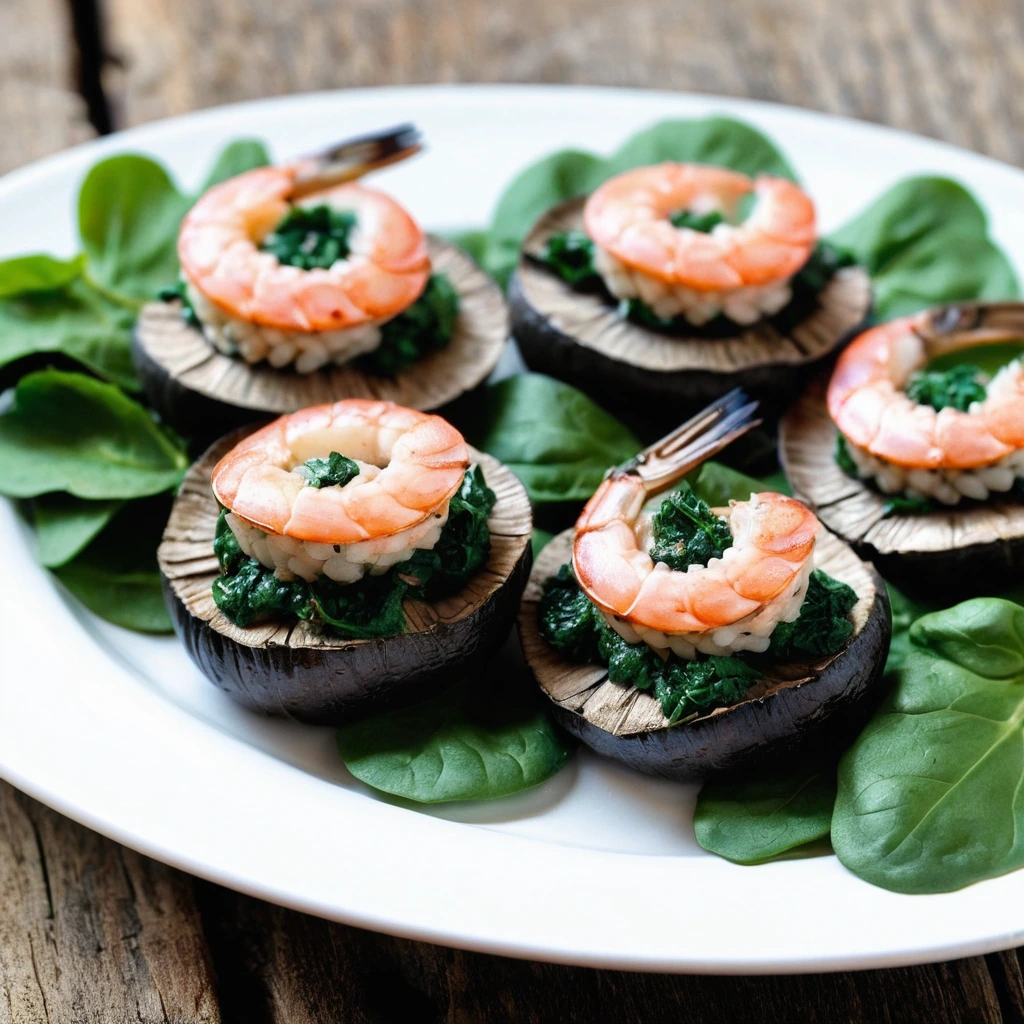
Shrimp and Spinach Stuffed Portobellos
Tender shrimp mingles with sautéed spinach in a savory filling, nestled inside roasted portobello mushrooms for a satisfying vegetarian-friendly main.
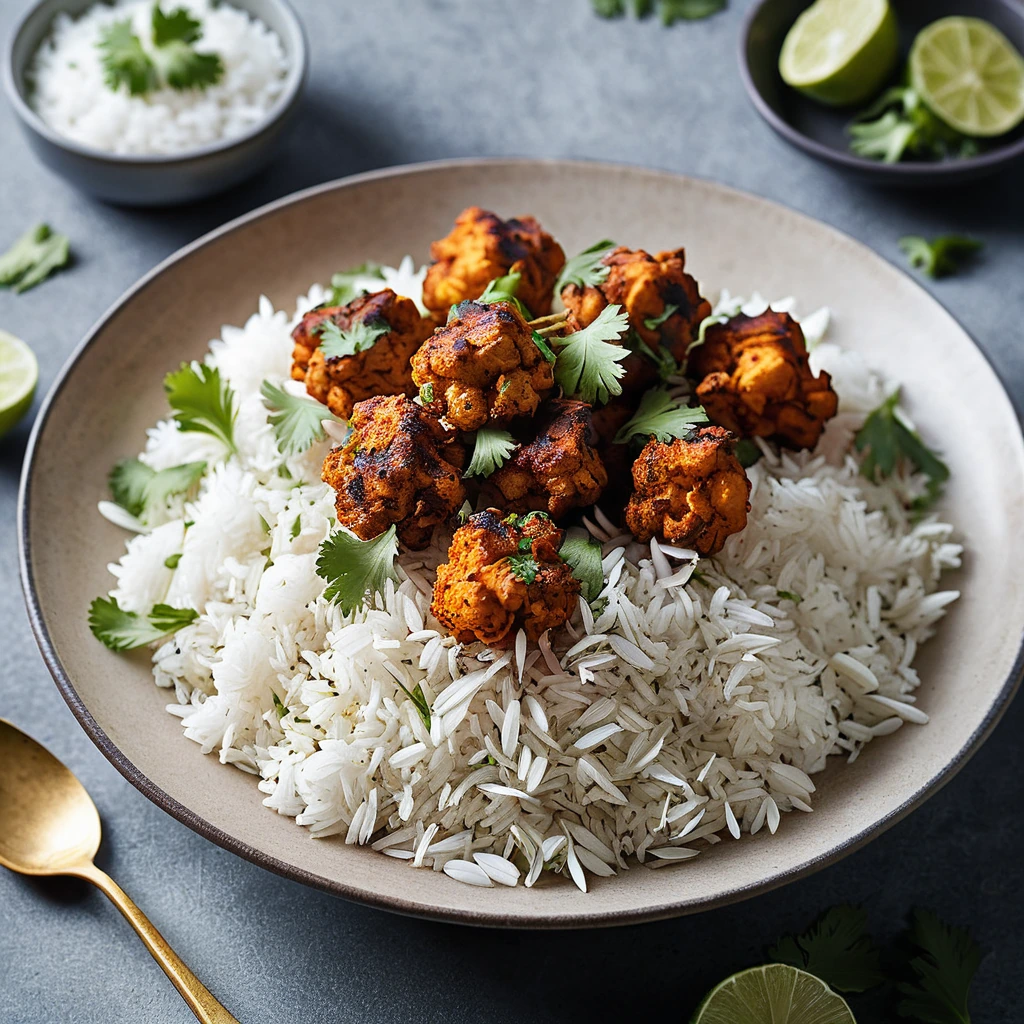
Roasted Cauliflower Tikka with Basmati Rice
Golden roasted cauliflower bites with a smoky, spicy kick served alongside fragrant basmati rice.