Sauces: Puree and Pass - Using a Chinoise
Creating smooth, velvety sauces is an art, and using a chinois is a chef-approved technique that ensures your sauces are refined and professional. A chinois is a conical sieve with a fine mesh, perfect for straining out any lumps, seeds, or fibers from your sauce. This technique is particularly useful for delicate sauces like tomato, berry coulis, or creamy soups where texture is key. First, you'll need to cook your sauce ingredients until they are tender enough to break down easily. Then, using a sturdy ladle or spatula, press the cooked mixture through the chinois into a clean bowl or pot. The mesh of the chinois is fine enough to catch even the smallest particles, resulting in an exceptionally smooth sauce. This process may take a bit of elbow grease, but the end result is worth it. Patience is crucial here; rushing can lead to a less smooth sauce. Additionally, the chinois allows you to extract as much liquid as possible from your ingredients, maximizing flavor. For best results, ensure your chinois is securely positioned over a bowl or pot to avoid any spills. This technique is not just about straining; it's about transforming ordinary sauces into something extraordinary. Understanding the nuances of pureeing and passing through a chinois will elevate your cooking to new heights.
Notes
The chinois is ideal for sauces because its fine mesh catches even the smallest particles, resulting in a silky texture. The technique works due to the chinois's design, which allows for efficient straining without crushing seeds or fibers. A common mistake is using too much force, which can tear the mesh or introduce unwanted particles into your sauce. To troubleshoot, ensure your mixture is sufficiently cooked and softened before attempting to puree and pass. Always handle the chinois carefully to avoid spills or burns, especially when working with hot liquids. For storage, let the sauce cool completely before refrigerating it in an airtight container for up to 5 days, or freeze for longer storage.
Steps
- 1 Cook your sauce ingredients until very tender.
- 2 Allow the cooked mixture to cool slightly to prevent burns.
- 3 Place the chinois securely over a clean bowl or pot.
- 4 Use a ladle or spatula to scoop the mixture into the chinois.
- 5 Press the mixture firmly against the mesh to extract all liquid.
- 6 Rotate the chinois occasionally to work on different sections.
- 7 Continue pressing until all the mixture has been passed through.
- 8 Discard any solids left in the chinois.
- 9 Taste the sauce and adjust seasoning as needed.
- 10 Keep the sauce warm if serving immediately, or chill before use.
Ingredients to explore
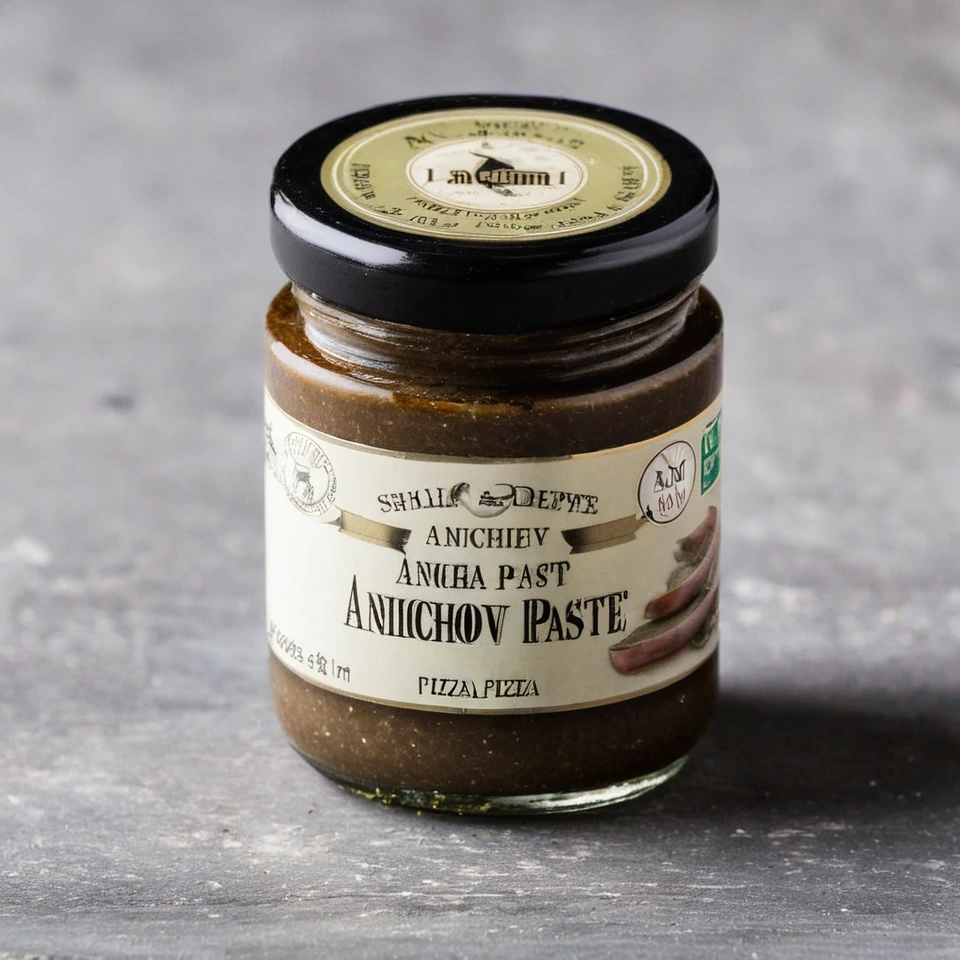
Anchovy Paste
Anchovy paste is a rich, salty spread made from finely ground anchovies, salt, and sometimes olive oil. It offers a deep umami flavor that enhances a variety of dishes.

Almond Milk
Almond milk is a plant-based milk alternative made from ground almonds and water. Originating from traditional recipes in medieval Europe and the Middle East, it has gained widespread popularity in modern times as a dairy-free option. Almond milk has a subtly nutty flavor with a mild sweetness, and its aroma is reminiscent of fresh almonds. Its texture is smooth and creamy, though typically lighter than dairy milk. In cooking, almond milk behaves well in both savory and sweet applications, though it does not brown or caramelize like dairy milk. It is often used in cereals, smoothies, and baking, where its delicate flavor complements rather than overpowers other ingredients.
Recipes to try

Pork Schnitzel with Lemon and Parsley Slaw
Golden, crispy pork schnitzel served with a refreshing, zesty lemon and parsley slaw that'll brighten your dinner table.

Roasted Beet, Orange, and Pistachio Salad
Warm roasted beets mingle with citrusy orange segments and crunchy pistachios for a vibrant, refreshing salad that sings with color and flavor.