Sauces: Making Gremolata for Finishing
Gremolata is a zesty Italian condiment that brings a burst of freshness to any dish with its vibrant mix of herbs, citrus, and garlic. This technique dives into the art of crafting gremolata, a simple yet sophisticated garnish that can elevate everything from roasted meats to pasta dishes. The key to a stellar gremolata lies in the freshness of its ingredients and the finesse of its preparation. Parsley, lemon, and garlic are the classic trio, but feel free to experiment with other herbs and citrus to suit your palate. Understanding the balance between these components is crucial for creating a gremolata that sings with flavor. When making gremolata, timing is everything. Prepare it just before serving to preserve its bright color and intense aroma. The process is straightforward but requires attention to detail to ensure each element is finely chopped and well integrated. Gremolata is not just a topping; it's a transformative finishing touch that adds texture and a lively note to your culinary creations. Embrace the simplicity and versatility of this classic sauce, and discover how a few simple ingredients can enhance your dishes with minimal effort. Whether you're a seasoned cook or just starting out, mastering gremolata will undoubtedly add a new dimension to your cooking repertoire.
Notes
Gremolata's freshness stems from its simple, uncooked ingredients. The enzymatic reaction from the garlic and lemon zest releases aromatic compounds that enhance the parsley's flavor. To avoid bitterness, ensure you only zest the yellow part of the lemon peel, avoiding the white pith. Common mistakes include chopping ingredients too coarse, which can lead to an uneven texture, or preparing gremolata too far in advance, causing it to lose its vibrant color and aroma. For safety, always use fresh herbs and clean utensils to prevent cross-contamination. While gremolata is best made fresh, if you need to store it, keep it in an airtight container to preserve its quality for up to a day.
Steps
- 1 Gather 1/4 cup finely chopped flat-leaf parsley.
- 2 Zest the peel of one lemon, avoiding the white pith.
- 3 Mince two garlic cloves as finely as possible.
- 4 Combine the parsley, lemon zest, and garlic in a small bowl.
- 5 Toss the mixture gently to ensure even distribution.
- 6 Taste and season with a pinch of salt if desired.
- 7 Use immediately as a garnish for your chosen dish.
- 8 Store leftovers in an airtight container in the refrigerator for up to 24 hours.
Ingredients to explore
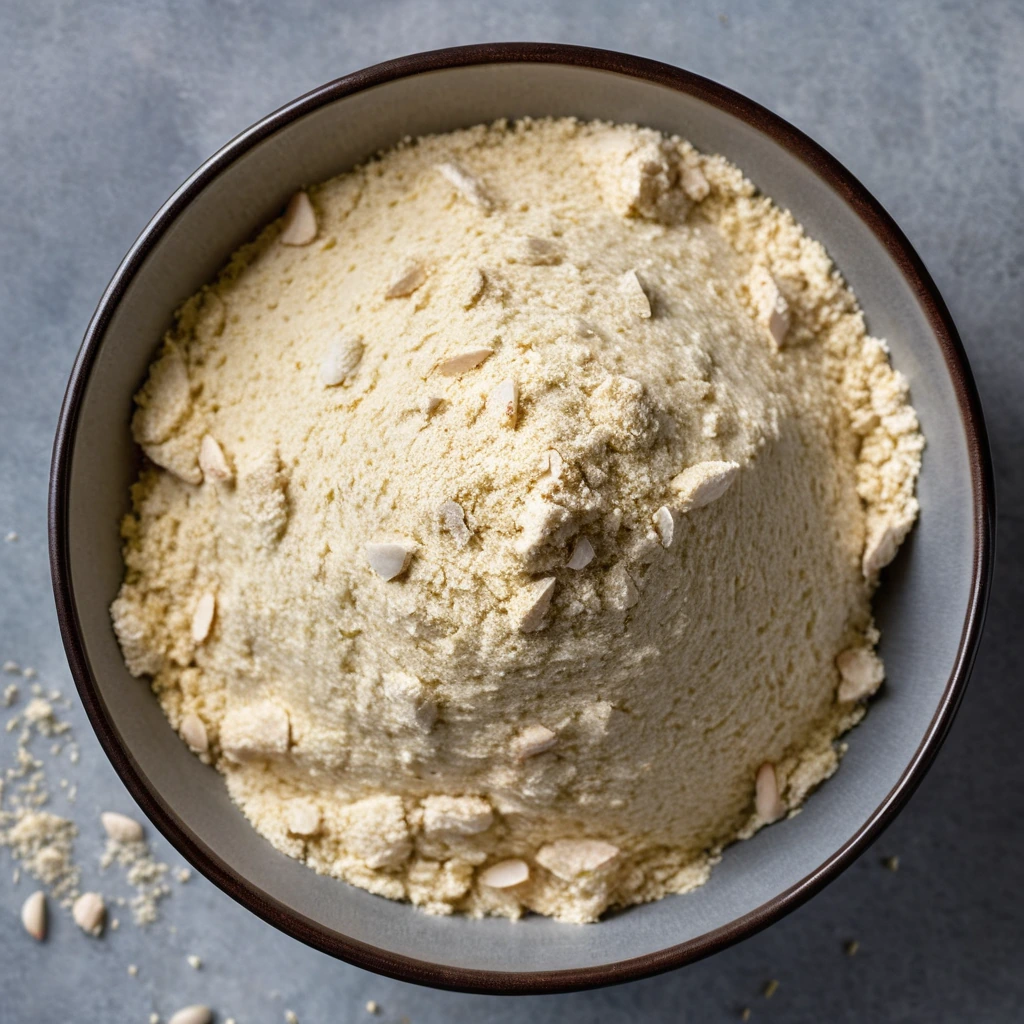
Almond Flour
A finely ground flour made from blanched almonds, offering a delicate nutty aroma and a tender crumb to your baked goods.
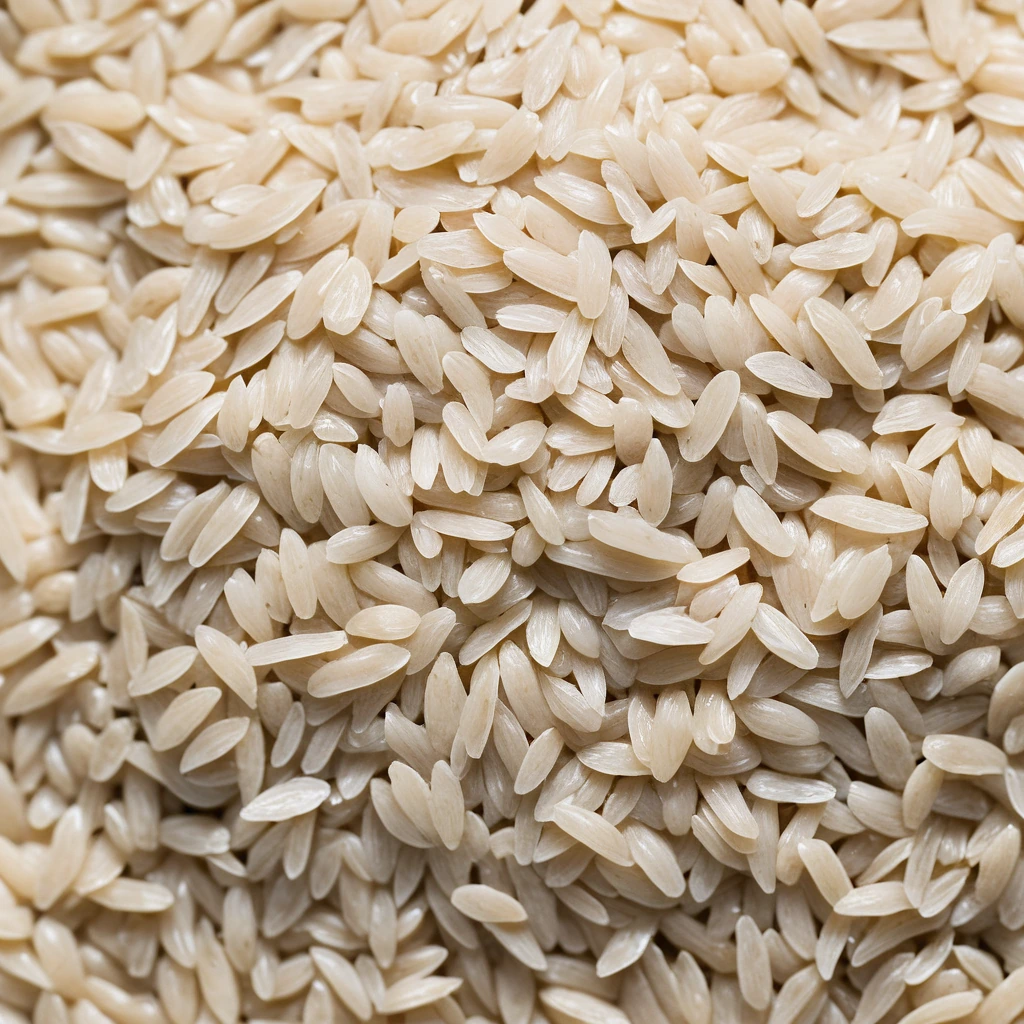
Arborio Rice
Arborio rice is a short-grain Italian rice variety renowned for its use in risotto. Originating from the Po Valley in Northern Italy, it is a staple in Italian cuisine. Its flavor is mild and nutty, with a pleasant creamy texture when cooked due to its high amylopectin content, which releases starch and creates a velvety consistency. The grains remain plump and firm to the bite, offering a satisfying chewiness. In cooking, Arborio rice excels at absorbing flavors from broths and seasonings while maintaining its shape, making it ideal for dishes that require both creaminess and structure.
Recipes to try
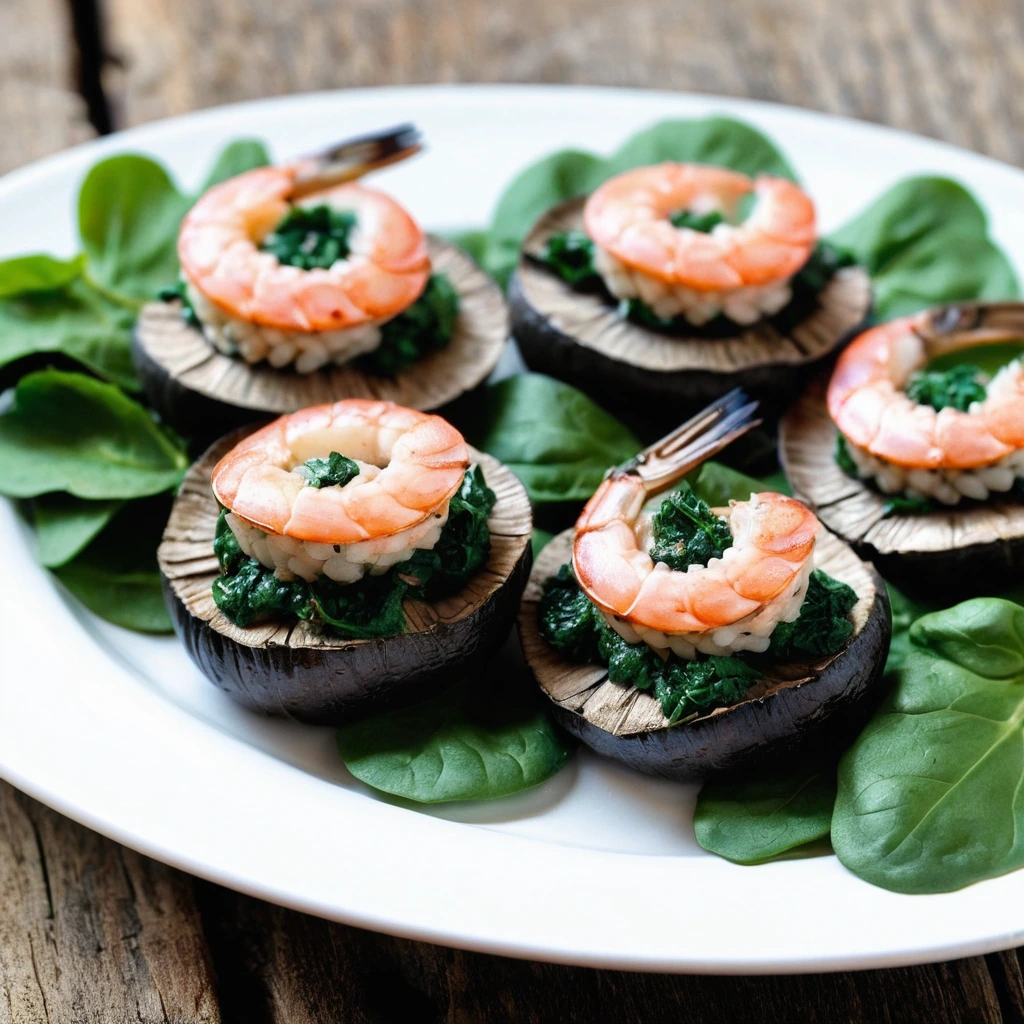
Shrimp and Spinach Stuffed Portobellos
Tender shrimp mingles with sautéed spinach in a savory filling, nestled inside roasted portobello mushrooms for a satisfying vegetarian-friendly main.

Lemon Garlic Butter Shrimp and Asparagus Sheet Pan
Bright and zesty, this sheet pan dinner is a burst of sunshine with tender shrimp and crisp asparagus in a luscious garlic butter sauce.