Sauces: Making a Smooth Cheese Sauce
Creating a smooth cheese sauce is a fundamental skill that can elevate many dishes, from macaroni and cheese to broccoli casserole. The secret lies in understanding how cheese behaves when heated and how to incorporate it into a roux without ending up with a grainy or oily mess. First, it's essential to use a roux as a base. A roux is a mixture of equal parts fat and flour cooked together, which acts as a thickening agent for sauces. The roux should be cooked just enough to remove the raw flour taste but not so long that it darkens and imparts a nutty flavor, unless desired. Next, the choice of cheese matters immensely. Sharp cheddar is a classic, but you can experiment with other varieties like Gruyère or fontina for different flavor profiles. For the smoothest results, grate your cheese fresh rather than using pre-shredded, which often contains anti-caking agents that can hinder melting. Adding cheese to a hot roux too quickly can cause it to seize, so temper it by adding a bit of the roux mixture to the cheese first, then combining everything together. Incorporating a starch like cornstarch or a pinch of baking soda can also help prevent separation by modifying the pH and allowing the proteins to unwind more smoothly. Finally, patience is key; slowly whisking in the cheese while maintaining a consistent, gentle heat will yield a velvety sauce. Avoid boiling the sauce once the cheese is added, as this can cause the proteins to tighten and the sauce to break. With these insights, you’ll be well-equipped to create a cheese sauce that’s smooth, creamy, and utterly delicious.
Notes
The science behind a smooth cheese sauce lies in properly managing the proteins in the cheese. Overheating can cause these proteins to tighten and squeeze out fat, resulting in a grainy texture. Adding a small amount of acid, like lemon juice or vinegar, can also help balance the proteins and improve meltability. Common mistakes include using pre-shredded cheese with anti-caking agents and adding cheese too quickly to a hot mixture. For safety, always ensure your sauce reaches a simmer to kill any potential bacteria from raw ingredients. This sauce can be made ahead and stored in the refrigerator for up to 3 days. Reheat gently over low heat, stirring constantly, to restore its smooth texture.
Steps
- 1 Melt 2 tablespoons of unsalted butter in a saucepan over medium heat.
- 2 Add 2 tablespoons of all-purpose flour to the melted butter, whisking constantly to form a roux.
- 3 Cook the roux for 1-2 minutes, stirring constantly, until it is smooth and bubbly but not browned.
- 4 Gradually whisk in 1 cup of milk, ensuring no lumps form.
- 5 Continue to cook, stirring frequently, until the mixture thickens enough to coat the back of a spoon.
- 6 Reduce heat to low and add 1/4 teaspoon of ground mustard and a pinch of cayenne for flavor (optional).
- 7 Begin adding 1 cup of freshly grated sharp cheddar cheese, one handful at a time, stirring vigorously after each addition.
- 8 If the sauce starts to thicken too much, thin it with additional milk, a tablespoon at a time.
- 9 For extra smoothness, stir in 1/4 teaspoon of cornstarch mixed with 1 tablespoon of cold water.
- 10 Taste and adjust seasoning with salt and white pepper as needed.
- 11 Remove the sauce from heat just before it reaches your desired consistency to prevent over-thickening.
- 12 If the sauce becomes too thick upon resting, gently reheat over low heat, stirring until smooth again.
Ingredients to explore
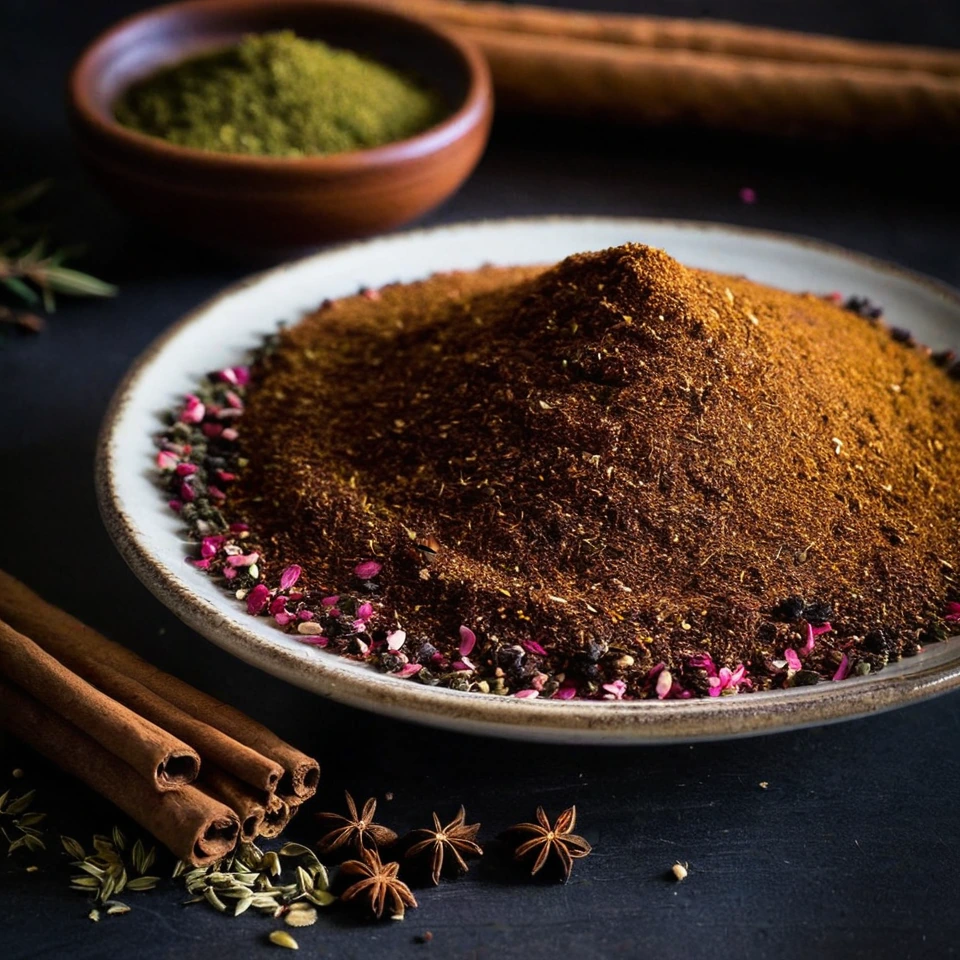
Advieh (Persian Spice Blend)
Advieh is a fragrant Persian spice blend that boasts a complex aroma of warm cinnamon, earthy cumin, and floral hints of rose and saffron. Its texture is finely ground, making it easy to incorporate into dishes. Originating from the rich culinary traditions of Iran, advieh adds depth and sophistication to both savory and sweet recipes. Its unique combination of spices reflects the historical spice trade routes that influenced Persian cuisine.
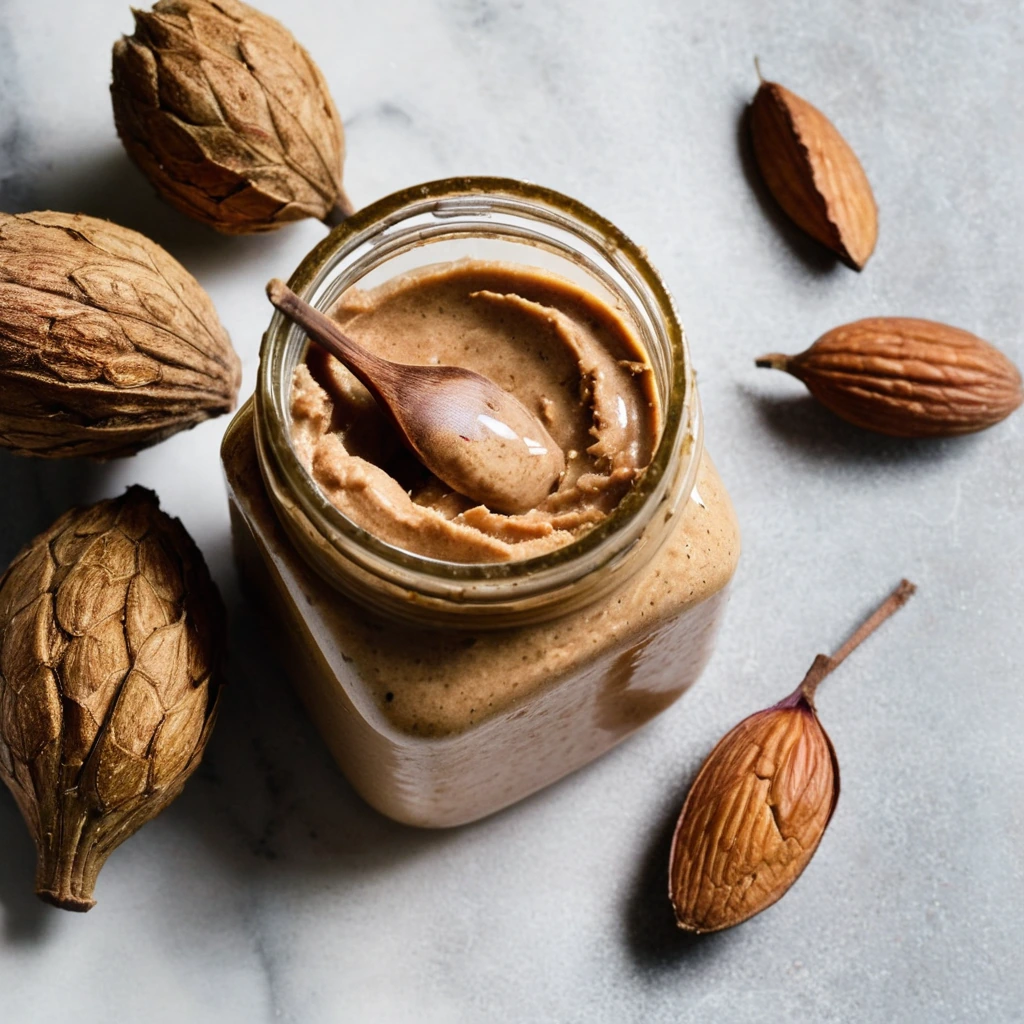
Almond Butter
A velvety, nutty spread crafted from finely ground almonds, offering a rich and satisfying flavor that's both comforting and indulgent.
Recipes to try

Peanut Butter Chocolate Chip Baked Oat Cups
These oat cups are a cozy hug in every bite, with gooey chocolate chips and a rich peanut butter swirl that makes mornings worth waking up for.

Lemon Raspberry Cheesecake Parfaits
Creamy layers of lemon cheesecake meet tangy raspberry swirls in a delightful parfait that's as pretty as it is delicious.