Sauces: Deglazing with Citrus Juice
Deglazing with citrus juice is a technique that transforms the caramelized bits left in your pan into a vibrant, tangy sauce. It's a simple yet effective method to elevate the flavors of your dishes, from seared scallops to roasted chicken. The process begins after you've sautéed or roasted your main ingredient, leaving behind those prized browned bits, known as fond. These bits are packed with flavor, and deglazing with citrus juice dissolves them, creating a base for a sauce that's both zesty and rich. The acidity of the citrus juice not only helps lift the fond but also balances the richness of fatty proteins. Whether you use lemon, lime, orange, or grapefruit juice, each will impart a unique character to your dish. The key to successful deglazing is ensuring your pan is hot and the liquid is added carefully to prevent splattering. This technique is versatile, quick, and requires minimal equipment, making it a favorite among home cooks and professional chefs alike. Beyond just enhancing flavor, it's a smart way to minimize food waste and maximize the potential of every ingredient. This guide will walk you through the essentials of this technique, from selecting the right citrus to perfecting the sauce's consistency.
Notes
The science behind deglazing lies in the Maillard reaction, which creates those flavorful browned bits. Citrus juice's acidity helps dissolve these bits and balances rich dishes. Common mistakes include adding the juice to a pan that isn't hot enough, which can result in less flavor extraction and potential splattering. Always use caution when adding liquid to a hot pan to avoid burns. For safety, step back and add the liquid carefully. To make ahead, prepare the sauce and store it in an airtight container in the refrigerator for up to 3 days. Reheat gently before serving, adding a splash of water or citrus juice if it thickens too much.
Steps
- 1 Remove your protein from the pan and set aside on a plate.
- 2 Place the pan back on the heat and ensure it's hot.
- 3 Add citrus juice to the pan – start with about 1/4 to 1/2 cup, depending on the pan size.
- 4 Use a wooden spoon to scrape up the browned bits (fond) from the bottom of the pan.
- 5 Let the liquid reduce by about half, which concentrates the flavors.
- 6 If desired, add a small knob of butter or a splash of cream for richness.
- 7 Season with salt and pepper to taste.
- 8 Taste and adjust with more citrus juice or seasoning if needed.
- 9 Strain the sauce if you prefer a smoother consistency.
- 10 Pour the sauce over your dish before serving.
Ingredients to explore

Anaheim Peppers
Anaheim peppers are a mild chili pepper variety named after Anaheim, California, where they were first cultivated commercially. Originating from the New Mexico region, these peppers are celebrated for their versatility and gentle heat. They possess a flavor that is mildly sweet with a subtle tang, and a pleasant vegetal note reminiscent of green bell peppers, but with a hint of spice. Their texture is firm and crisp when fresh, becoming tender and slightly smoky when roasted or cooked. In cooking, Anaheim peppers behave well across a range of techniques, from grilling and roasting to stuffing and sautéing, contributing a nuanced depth without overwhelming other ingredients with heat.

Andouille Sausage
Andouille sausage is a coarse-grained, smoked pork sausage with a rich history rooted in French cuisine, particularly from the Alsace region. It was adapted in Louisiana, where it became a staple in Cajun and Creole cooking. The sausage is known for its robust, smoky flavor with hints of garlic, pepper, and other spices, creating a spicy and savory profile. Its texture is firm yet slightly chewy, making it a hearty addition to dishes. When cooked, andouille sausage maintains its shape well and infuses dishes with its distinctive smoky essence, enhancing stews, soups, and rice dishes.
Recipes to try
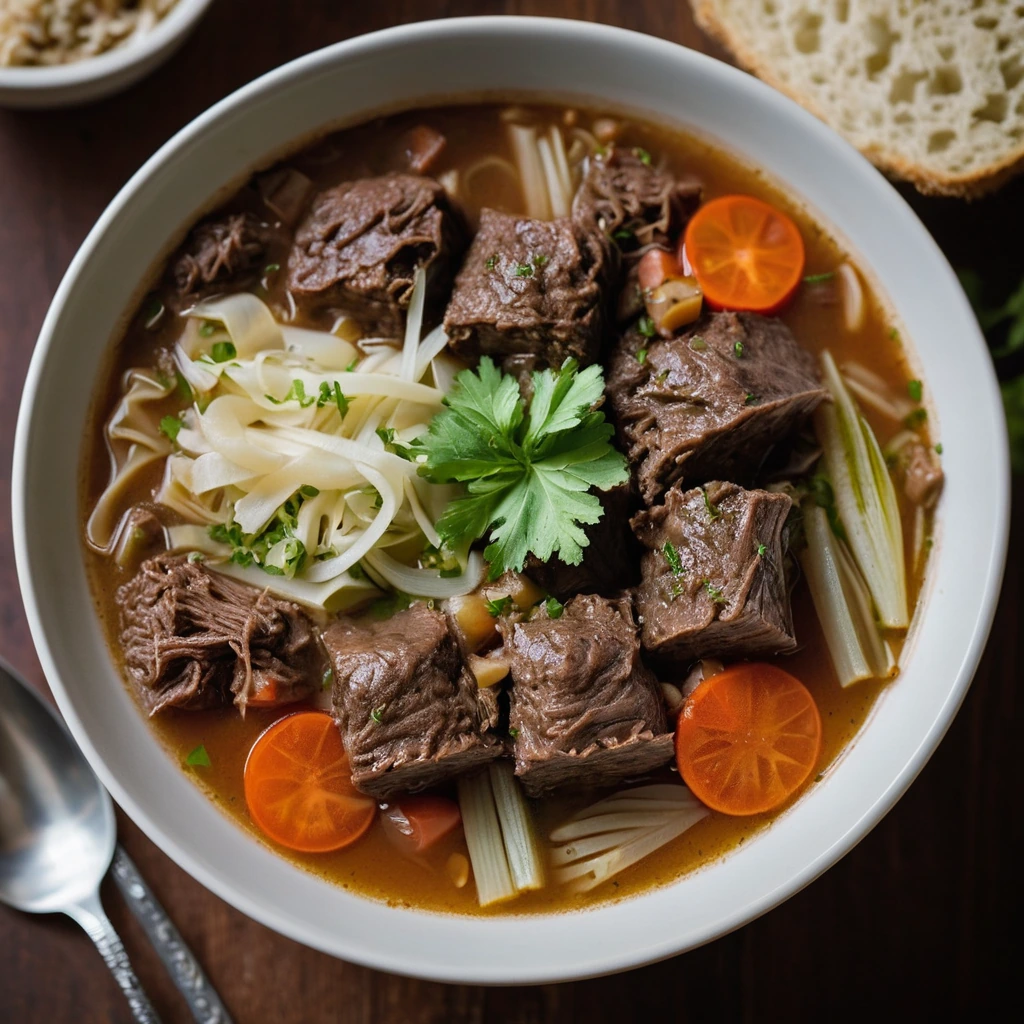
Stuffed Cabbage Roll Inspired Beef Soup
Warm up with this hearty soup that nods to classic stuffed cabbage rolls, brimming with tender beef and savory broth.
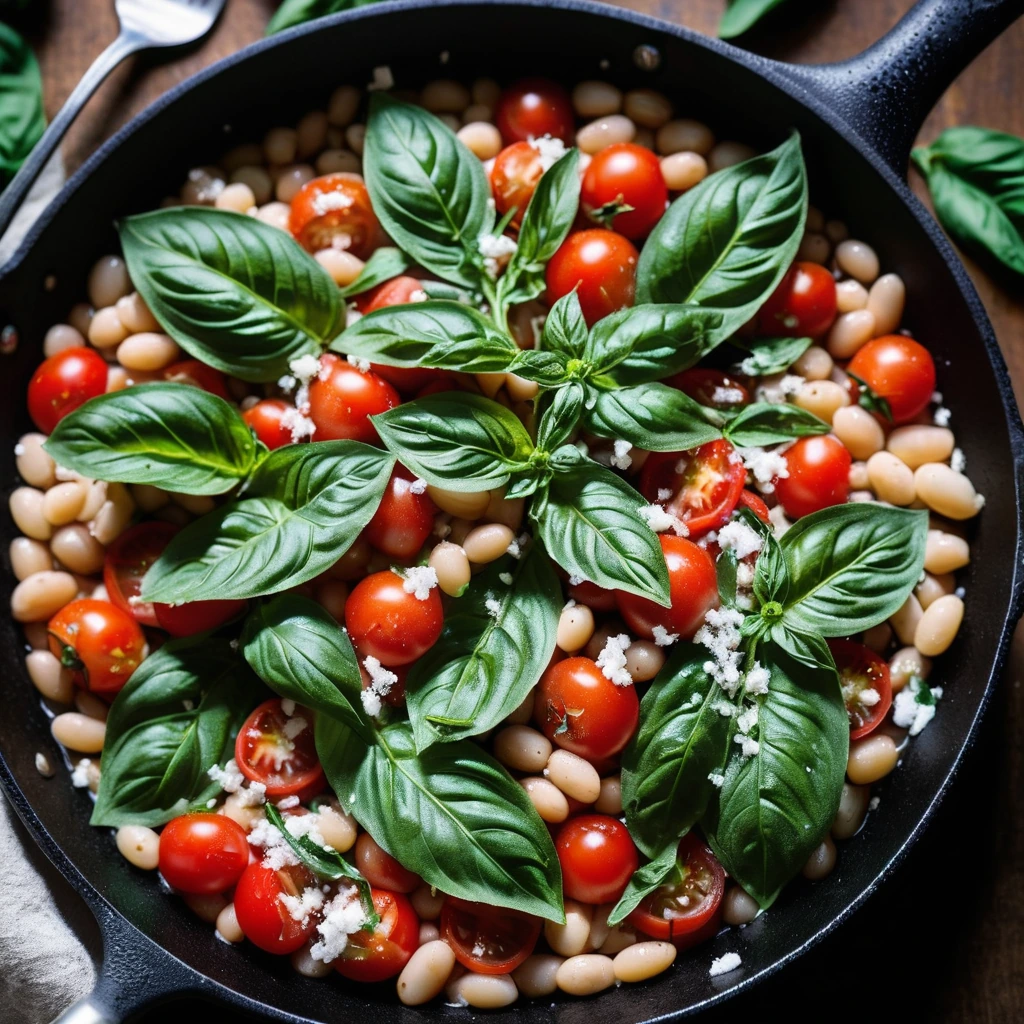
Tomato Basil White Bean Skillet with Parmesan
A comforting skillet packed with creamy white beans, ripe tomatoes, and fragrant basil, all topped with a generous sprinkle of Parmesan.